
Kerameikos, Athens
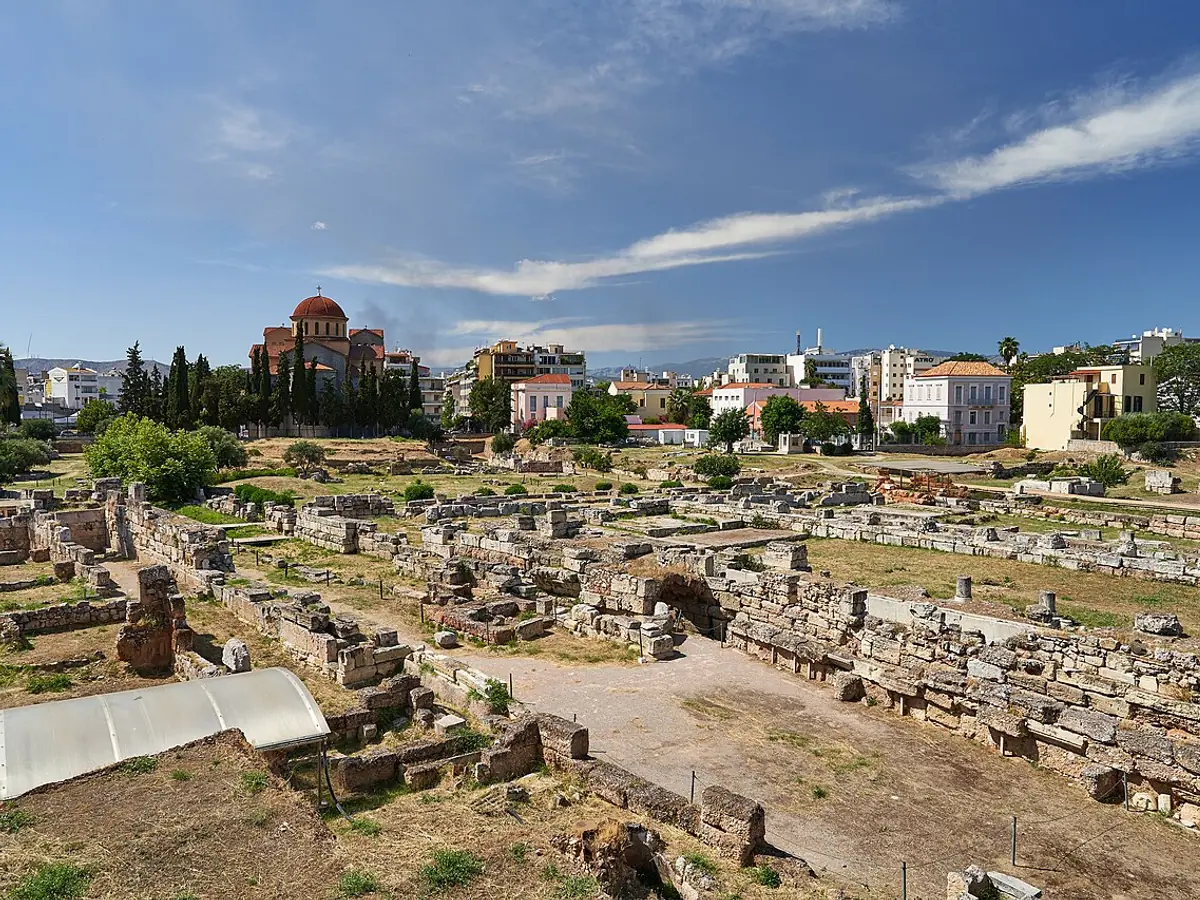
Kerameikos is an archaeological area where Athens’ potters’ quarter met a major cemetery outside and within the ancient walls. Its name comes from the potters who worked with clay carried by the Eridanos, and the English word “ceramic” preserves that connection. The cemetery became organised around 1200 BC, after the marshy ground had already served burials as far back as the 3rd millennium BC.
Follow the line of funerary monuments in your view: they once marked the Sacred Way, the route from Athens towards Eleusis. The city wall reshaped this landscape in 478 BC, absorbing earlier grave sculptures and creating the Dipylon and Sacred Gates. State burials near the Dipylon included Pericles and Cleisthenes.
Kerameikos also held the Pompeion, where the Panathenaic procession was prepared and sacrificial meat was distributed. The most startling discovery came during metro construction: a burial pit measuring 6.5 metres by 1.6 metres contained the remains of 89 people, including eight children. Pottery places that burial between 430 and 426 BC, linking it to the plague that struck Athens. Bodies were arranged with decreasing care through the layers, turning this quiet cemetery into direct evidence of a city under extreme pressure.
More places in Athens
See everything in Athens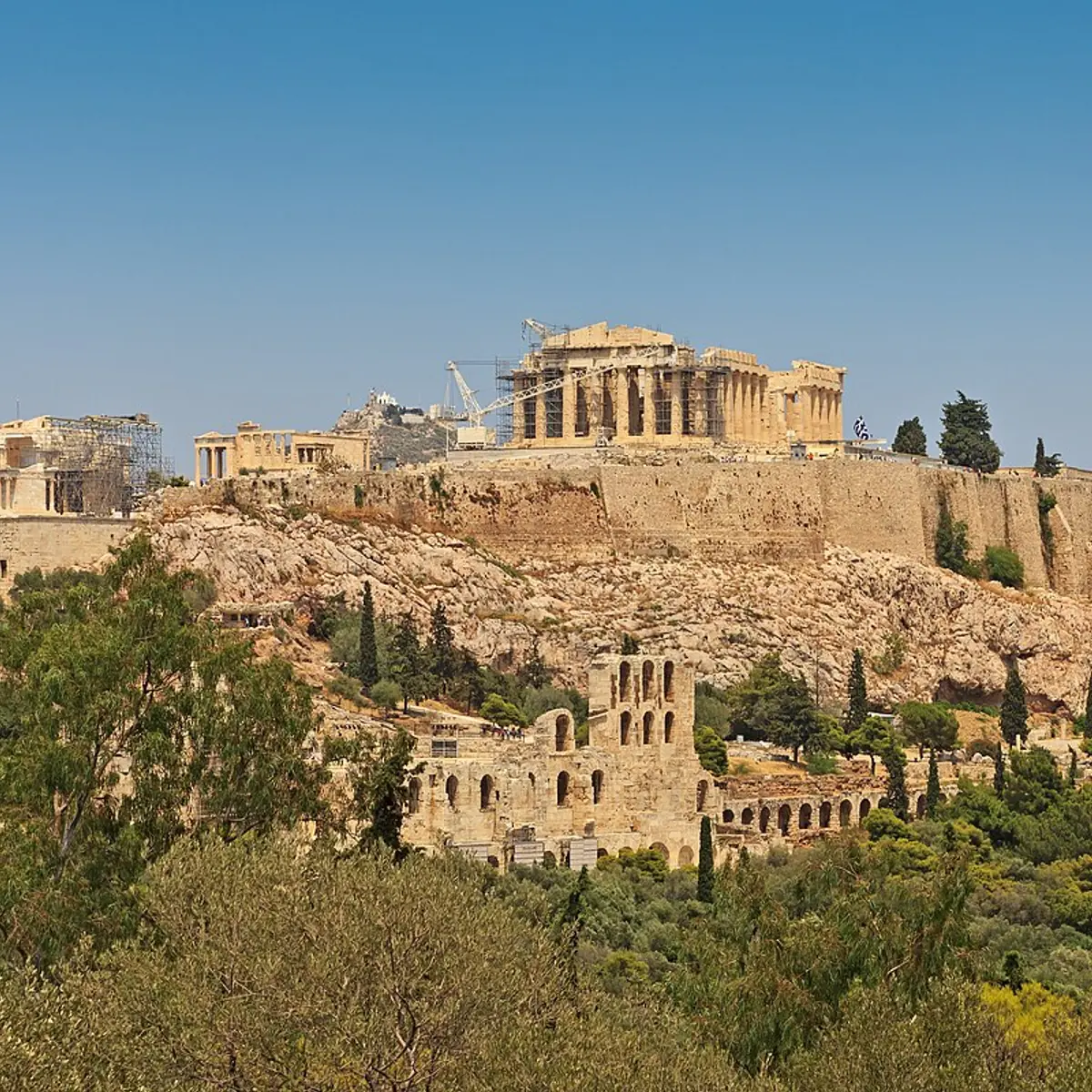
iA.Savin (CC BY-SA 3.0) Acropolis of Athens
famous landmarks
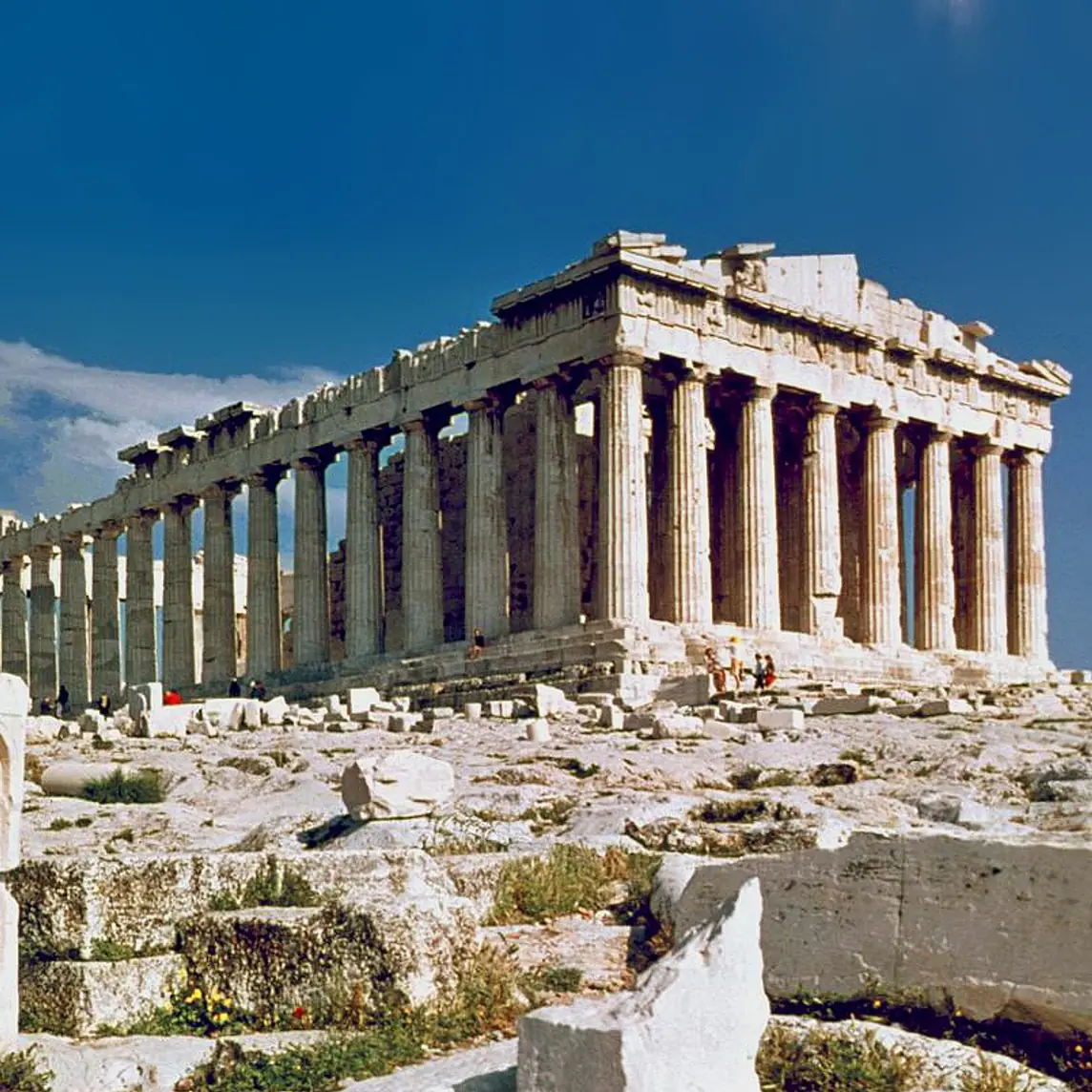
iSteve Swayne (CC BY 2.0) Parthenon
history
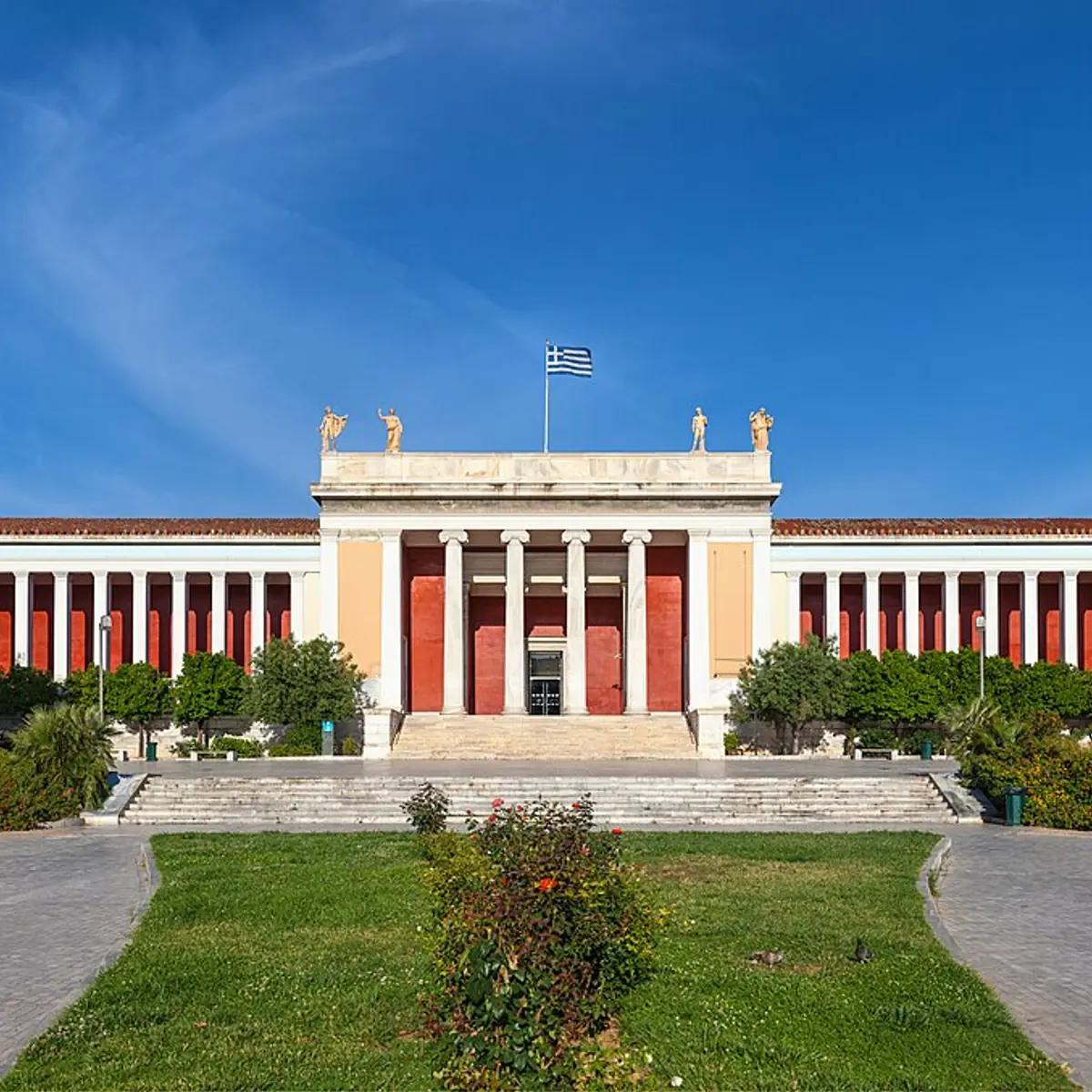
iThomas Wolf, www.foto-tw.de (CC BY-SA 3.0 de) National Archaeological Museum
history
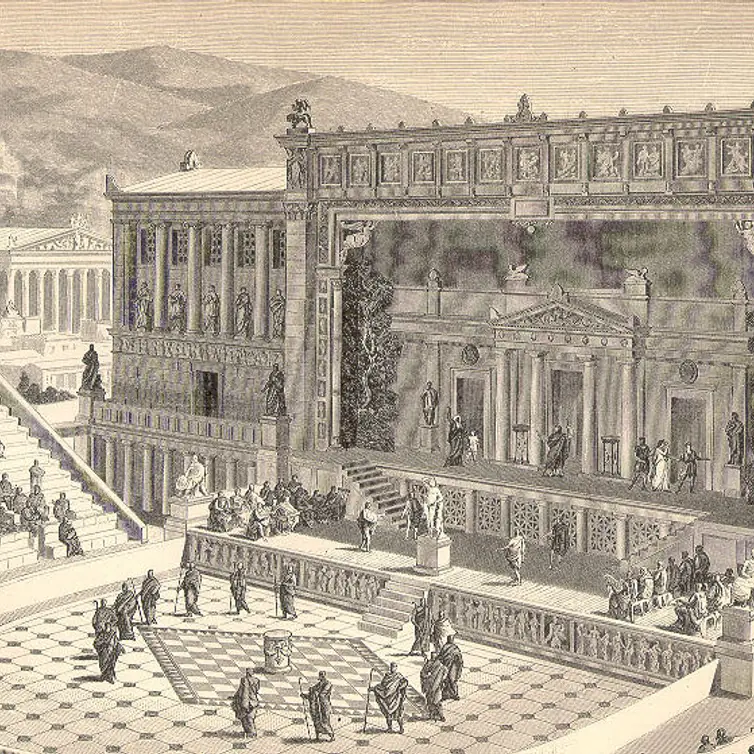
iFrom the German 1891 encyclopedia Joseph Kürschner (editor): “Pierers Konversationslexikon”. Pierers Konversationslexikon. Siebente Auflage. Mit Universal-Sprachen-Lexikon nach Prof. Joseph Kürschners System. Union. (published by) Deutsche Verlagsgesellschaft in Stuttgart, 1891. herausgegeben von (edited by) Joseph Kürschner. (Public domain) Theatre of Dionysus
history