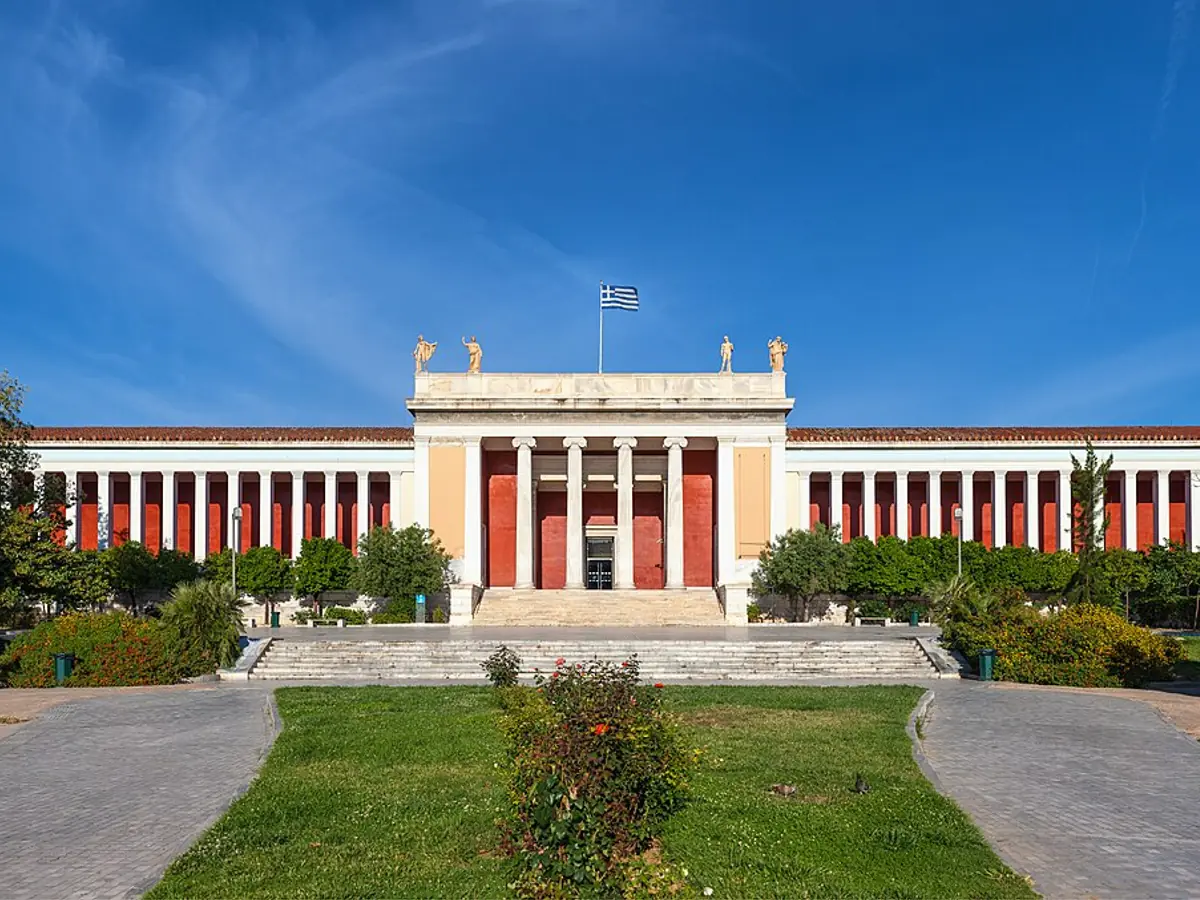

National Archaeological Museum, Athens
The National Archaeological Museum is the building before you, devoted to antiquities gathered from across Greece. Its entrance opens onto Patission Street, beside the historic building of the National Technical University of Athens. The museum brings together objects spanning prehistory through late antiquity, and its Greek antiquities form the richest collection of their kind worldwide.
The story of this institution began in Aigina in 1829, before the collection moved through various exhibition spaces. Construction of this building began in 1866 and finished in 1889, with support from the Greek government, the Greek Archaeological Society, and the society of Mycenae. Look across the garden at the sculptural setting of the façade: the building follows a neoclassical design, conceived initially by Ludwig Lange and later reshaped by Panagis Kalkos, with Armodios Vlachos and Ernst Ziller involved as well.
Inside, the Cycladic galleries hold marble human figures from Aegean island cemeteries, while the Mycenaean rooms include funerary masks excavated by Heinrich Schliemann. The most famous mask carries the name of Agamemnon, but that identification is erroneous. Another remarkable display is the Egyptian priestess Takushit, a hieroglyph-covered statue dating to around 670 BC.
More places in Athens
See everything in Athens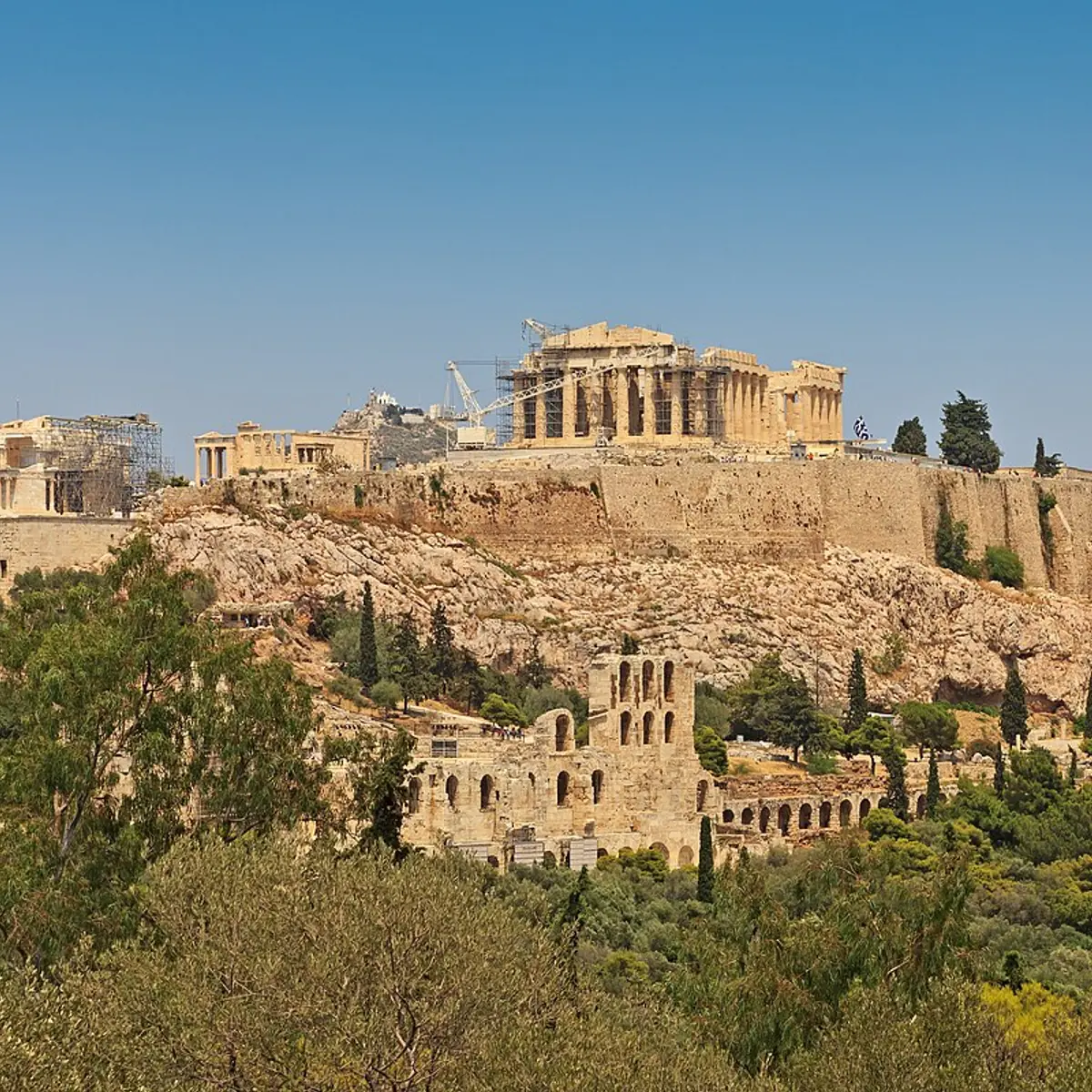
iA.Savin (CC BY-SA 3.0) Acropolis of Athens
famous landmarks
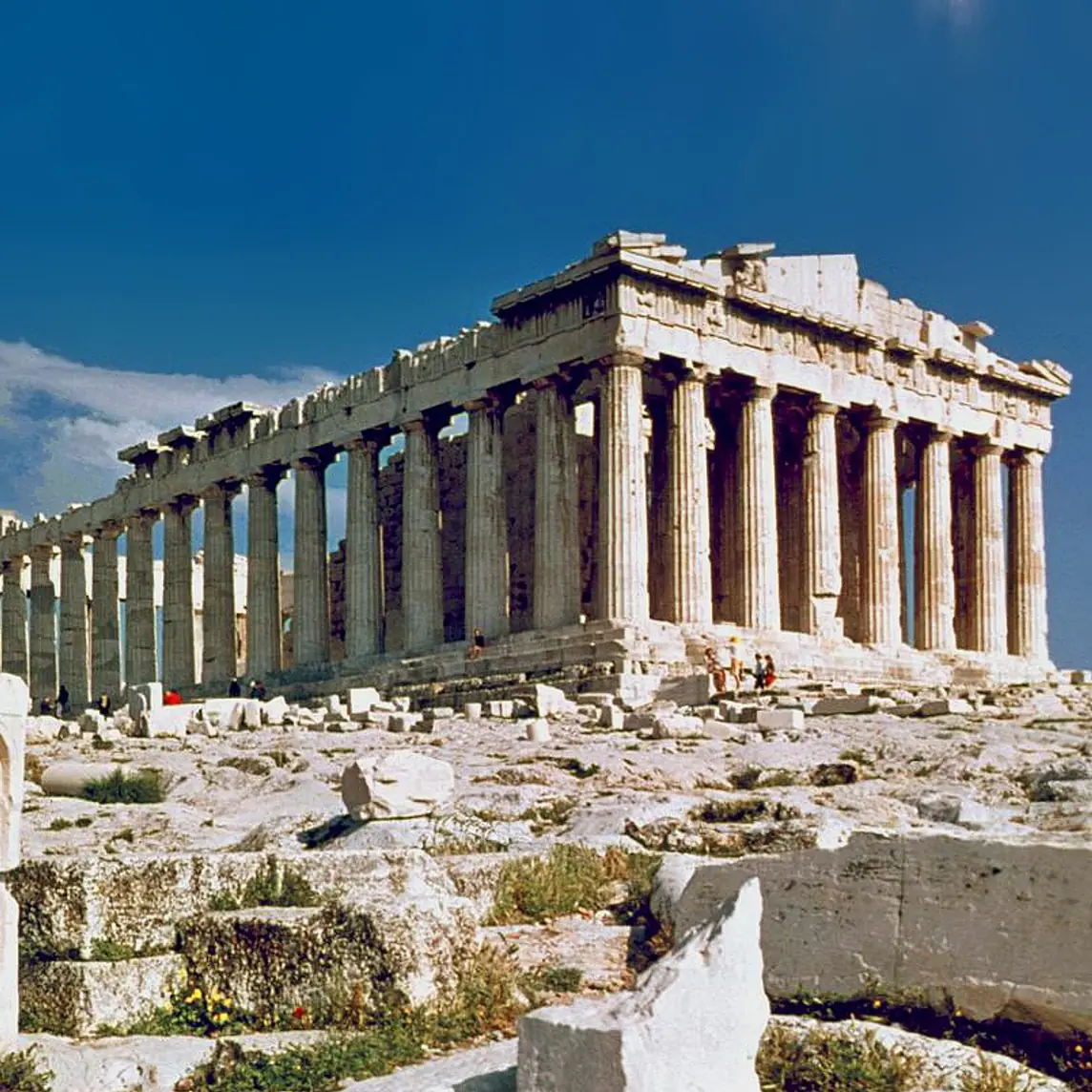
iSteve Swayne (CC BY 2.0) Parthenon
history
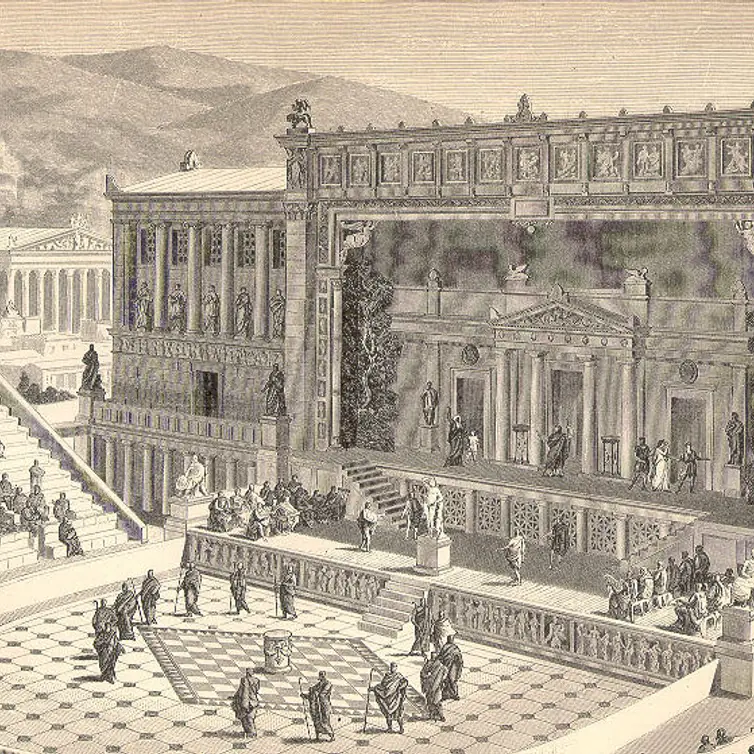
iFrom the German 1891 encyclopedia Joseph Kürschner (editor): “Pierers Konversationslexikon”. Pierers Konversationslexikon. Siebente Auflage. Mit Universal-Sprachen-Lexikon nach Prof. Joseph Kürschners System. Union. (published by) Deutsche Verlagsgesellschaft in Stuttgart, 1891. herausgegeben von (edited by) Joseph Kürschner. (Public domain) Theatre of Dionysus
history
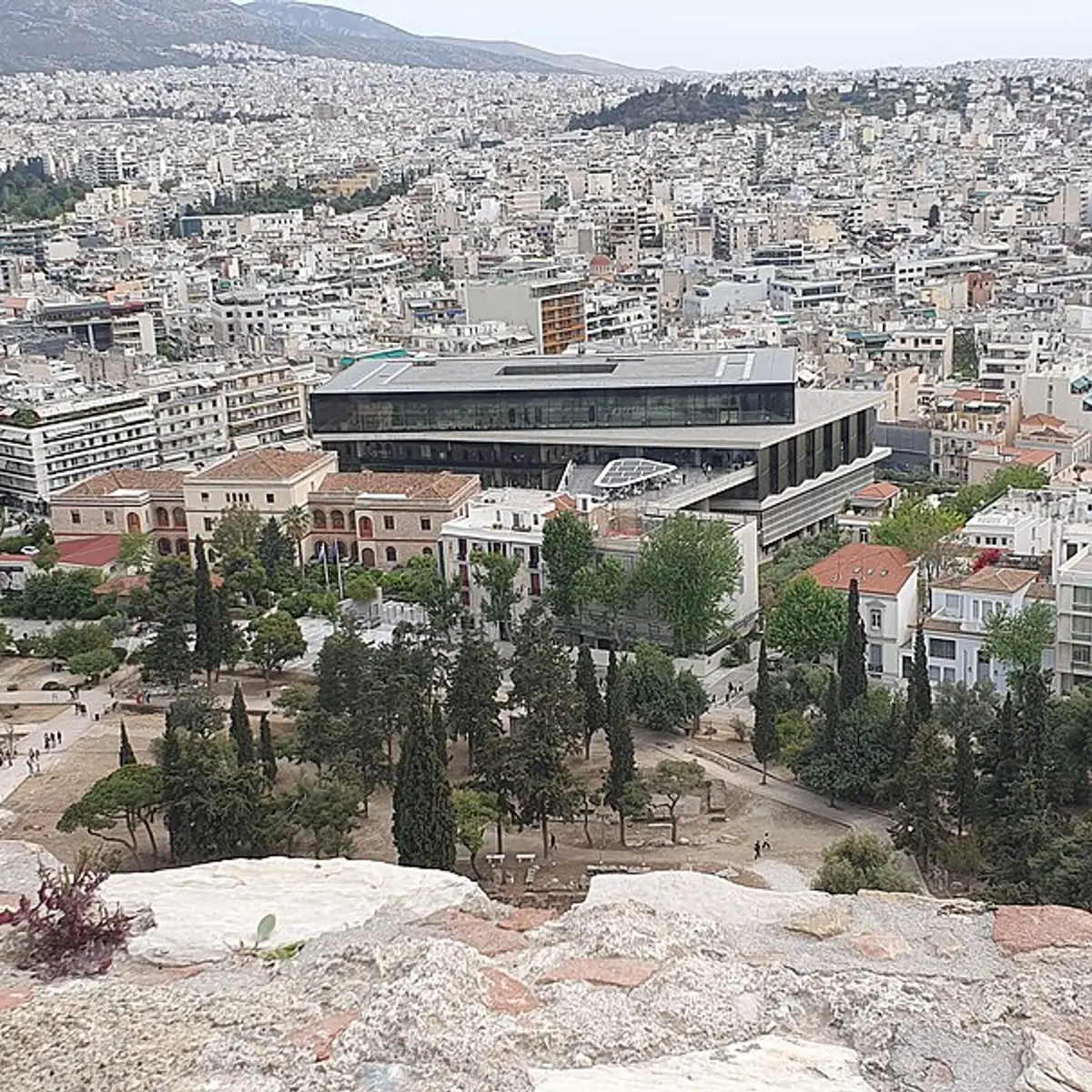
iYair-haklai (CC BY-SA 4.0) Acropolis Museum
famous landmarks