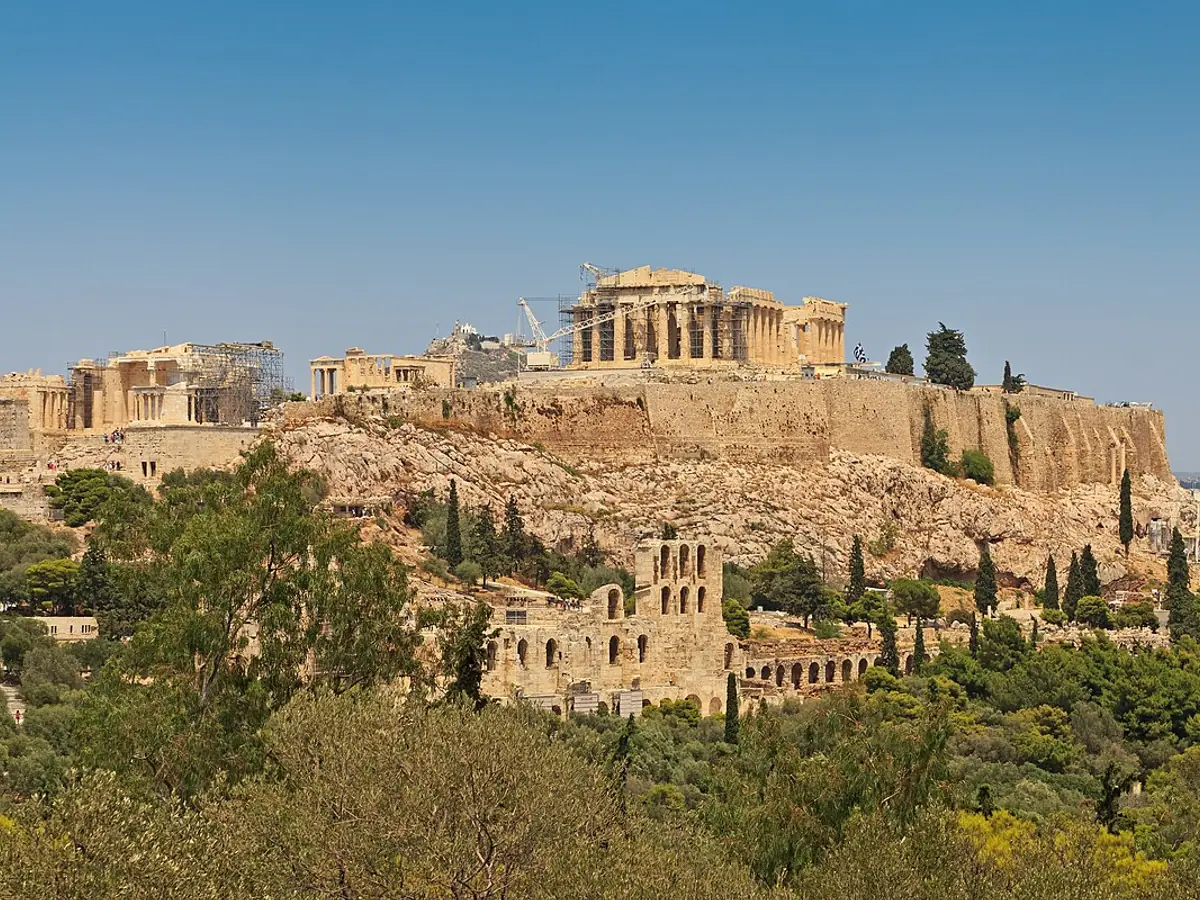

Acropolis of Athens, Athens
The Acropolis of Athens is the ancient citadel spread across this rocky height, with the Parthenon as its most famous surviving building. The hill rises about 150 metres above sea level and covers roughly 3 hectares, while the remains around you preserve a long sequence of Athenian building and destruction. People lived here as early as the fourth millennium BC, and a Mycenaean palace once stood on the summit, protected by a massive stone circuit wall.
In the fifth century BC, Pericles directed the building programme that produced the monuments whose ruins define the site today, including the Parthenon, the Propylaea, the Erechtheion and the Temple of Athena Nike. The sculptor Phidias and the architects Ictinus and Callicrates were responsible for the reconstruction of the principal temples. At the western entrance, Mnesicles began the Propylaea in 437 BC, using Pentelic marble for its Doric columns.
The greatest shock came during the Venetian siege of 1687: gunpowder stored inside the Parthenon was struck by bombardment and exploded, causing severe damage to the temple and its companions. What you see is therefore not a single ruin, but the surviving fabric of a sanctuary repeatedly rebuilt, attacked and adapted across millennia.
More places in Athens
See everything in Athens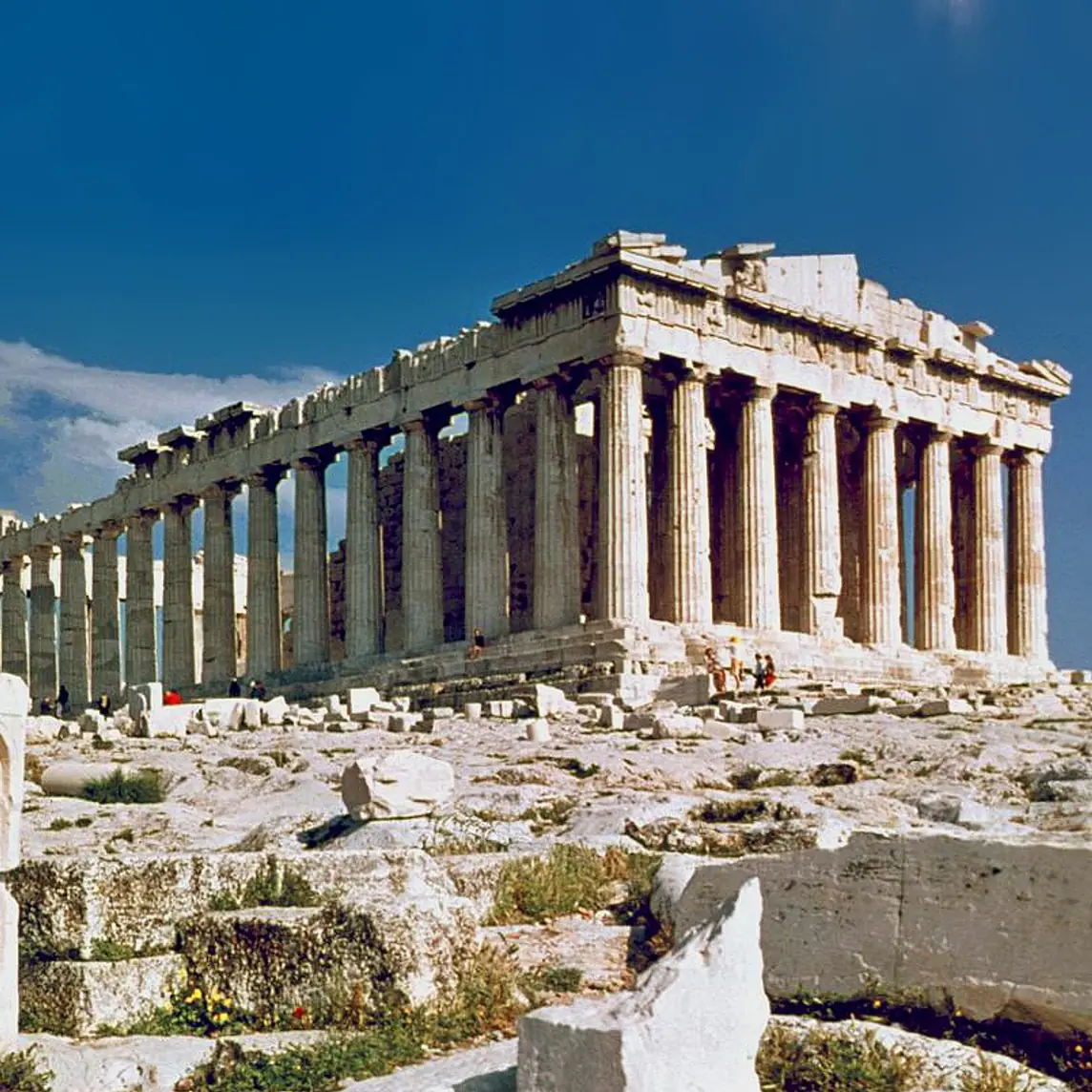
iSteve Swayne (CC BY 2.0) Parthenon
history
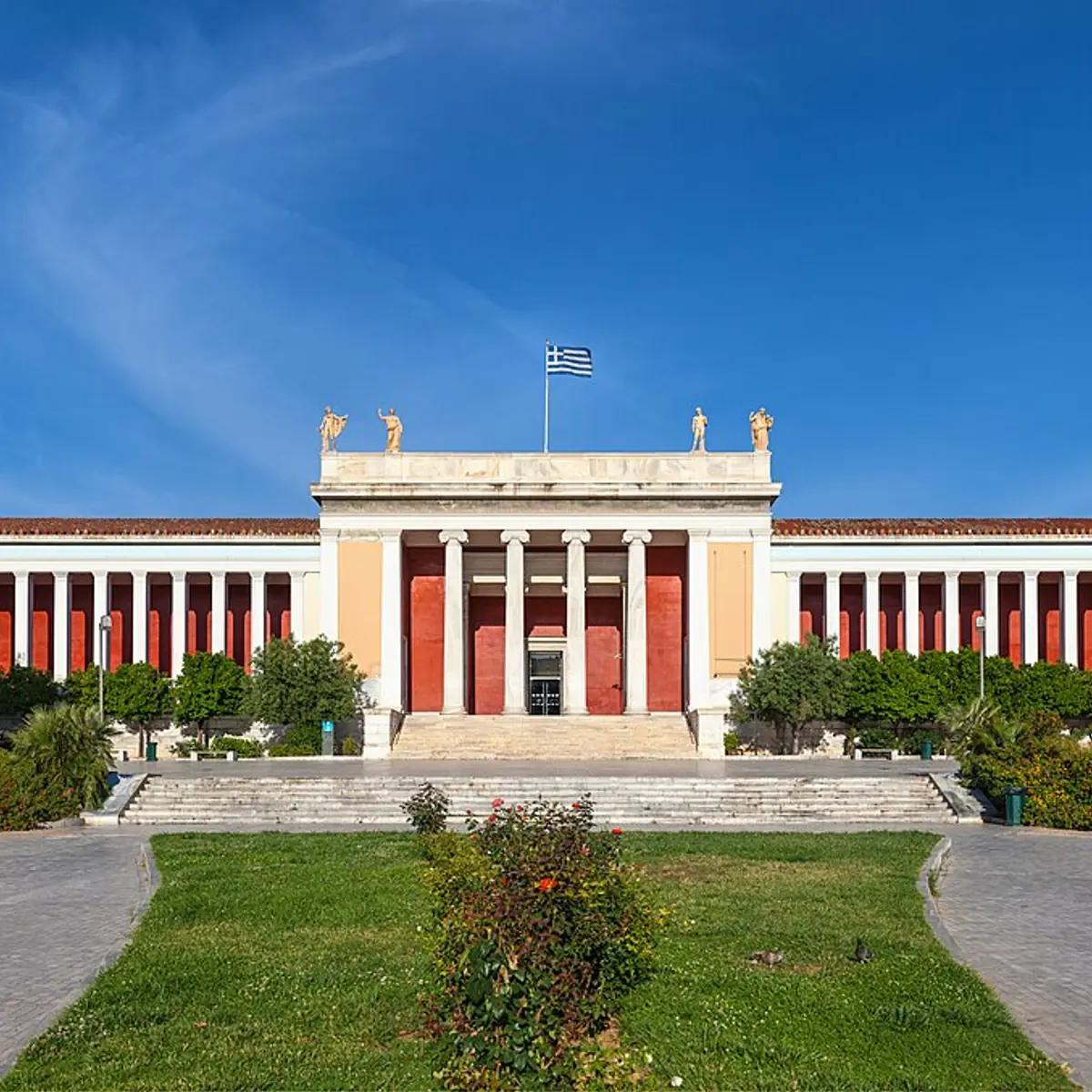
iThomas Wolf, www.foto-tw.de (CC BY-SA 3.0 de) National Archaeological Museum
history
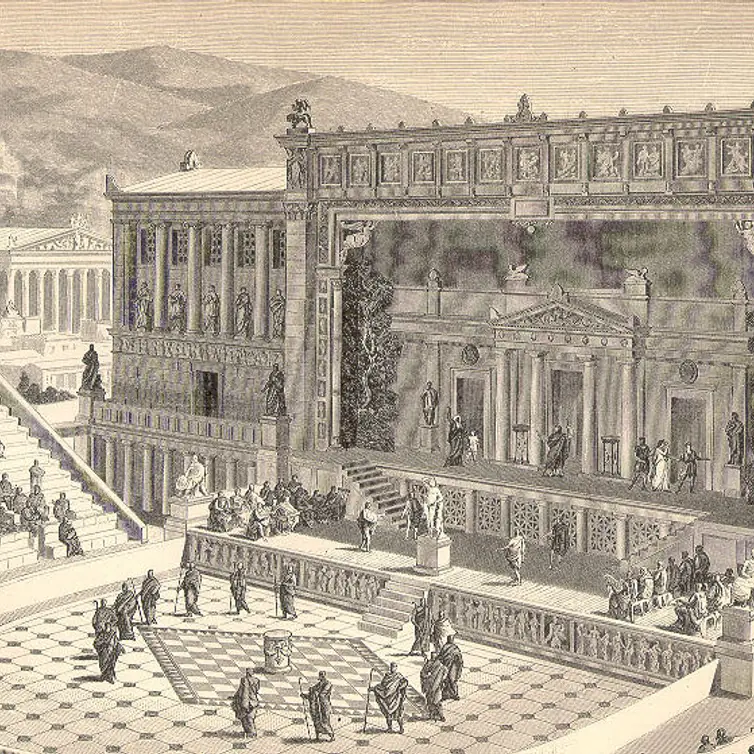
iFrom the German 1891 encyclopedia Joseph Kürschner (editor): “Pierers Konversationslexikon”. Pierers Konversationslexikon. Siebente Auflage. Mit Universal-Sprachen-Lexikon nach Prof. Joseph Kürschners System. Union. (published by) Deutsche Verlagsgesellschaft in Stuttgart, 1891. herausgegeben von (edited by) Joseph Kürschner. (Public domain) Theatre of Dionysus
history
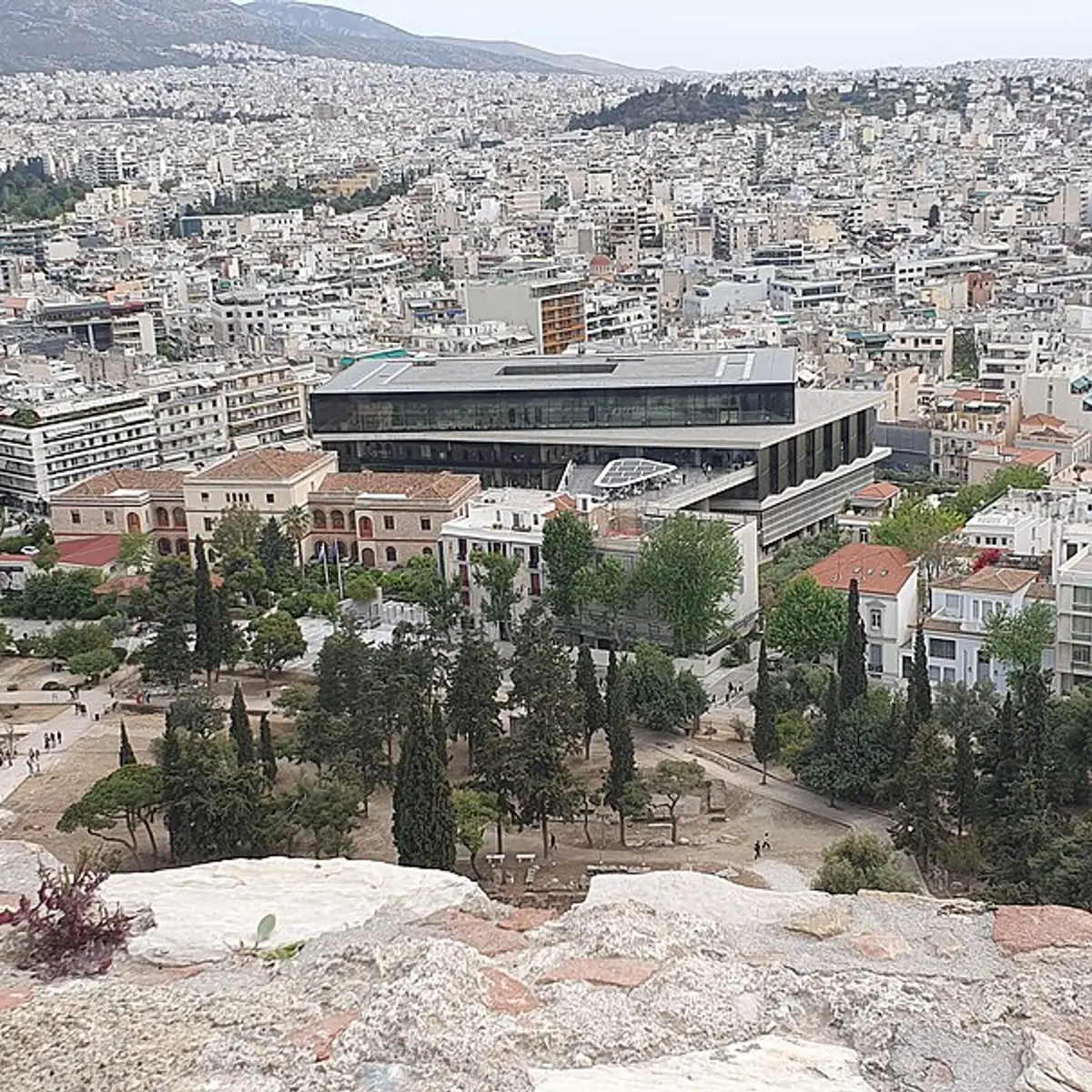
iYair-haklai (CC BY-SA 4.0) Acropolis Museum
famous landmarks