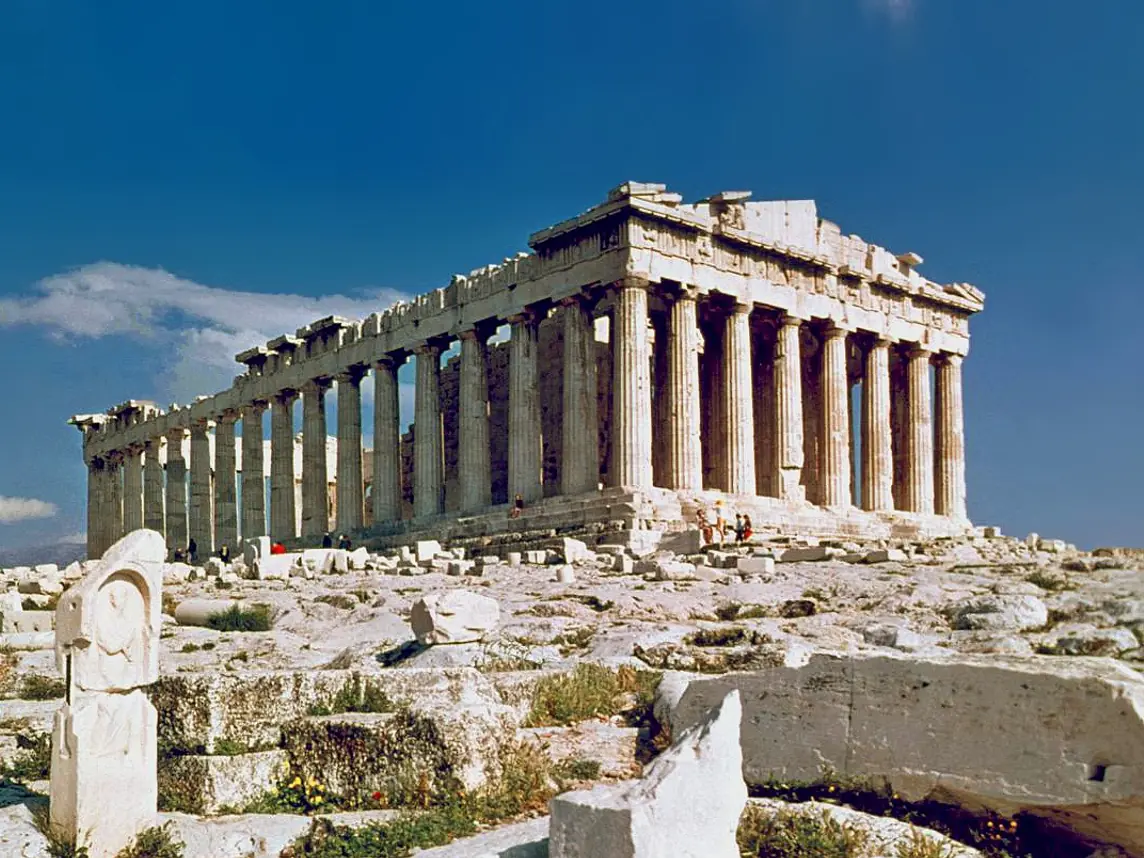

Parthenon, Athens
The Parthenon is the weathered temple before you, built for Athena on the Athenian Acropolis. Its surrounding colonnade and sturdy Doric design make the building instantly recognisable, while its sculptural decoration ranks among the outstanding achievements of classical Greek art. Callicrates, Phidias, and Ictinus are associated with its creation.
Construction began in 447 BC, after Athens and its allies had overcome the Persian invasion, and the building was finished in 438 BC. Artistic work continued until 432 BC. It also held the treasury of the Delian League for a period, giving this sacred building a financial role in Athenian power.
The Parthenon later became a church devoted to the Virgin Mary, then a mosque. In 1687, an explosion caused by a Venetian bomb struck the building while it was being used to store munitions, leaving severe damage. From 1800 to 1803, the Earl of Elgin removed many sculptures that had survived; those works are now known as the Parthenon Marbles.
Since 1975, major restoration campaigns have worked to preserve what remains. Look at the broken columns and open chambers as the visible evidence of a monument that has served worship, finance, and war.
More places in Athens
See everything in Athens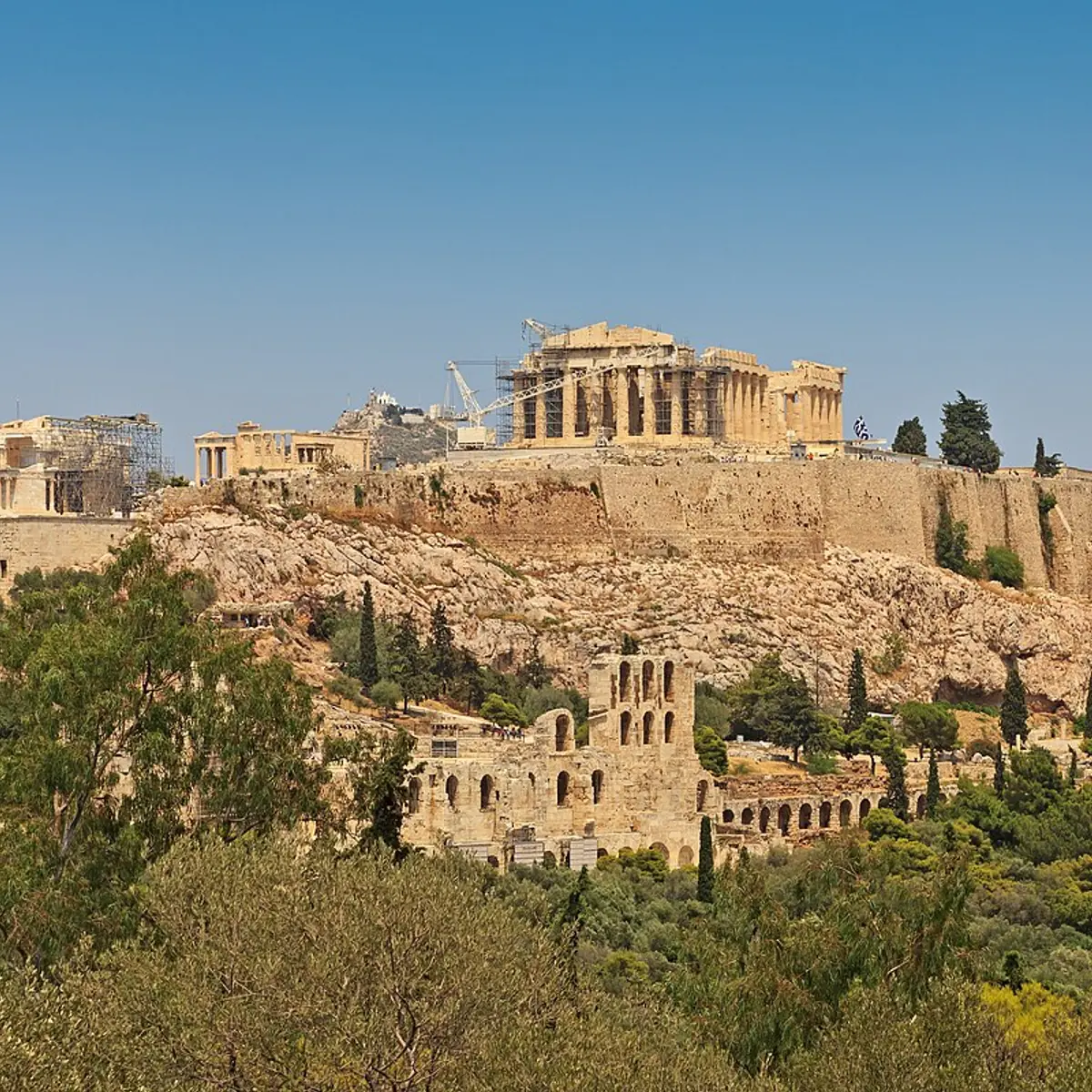
iA.Savin (CC BY-SA 3.0) Acropolis of Athens
famous landmarks
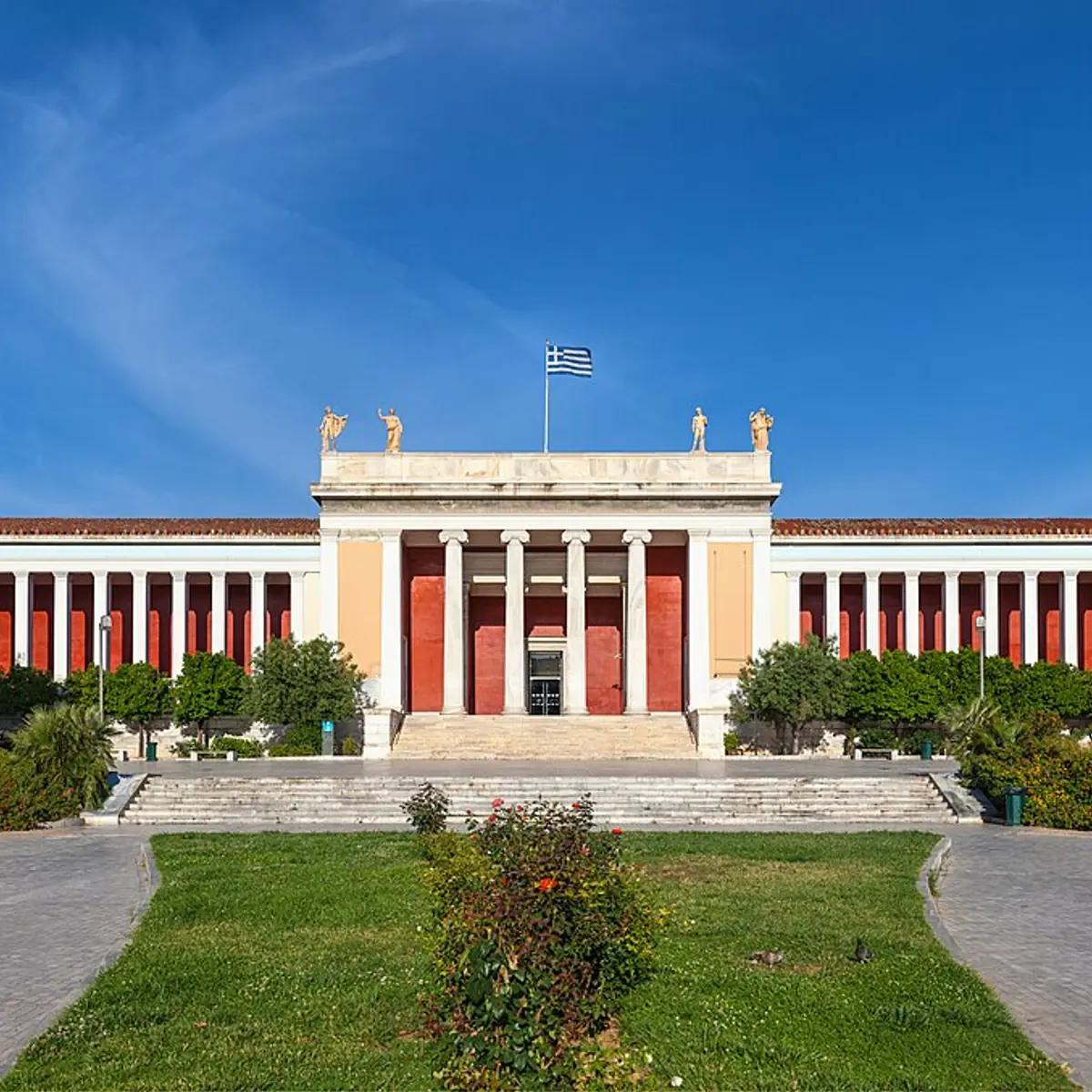
iThomas Wolf, www.foto-tw.de (CC BY-SA 3.0 de) National Archaeological Museum
history
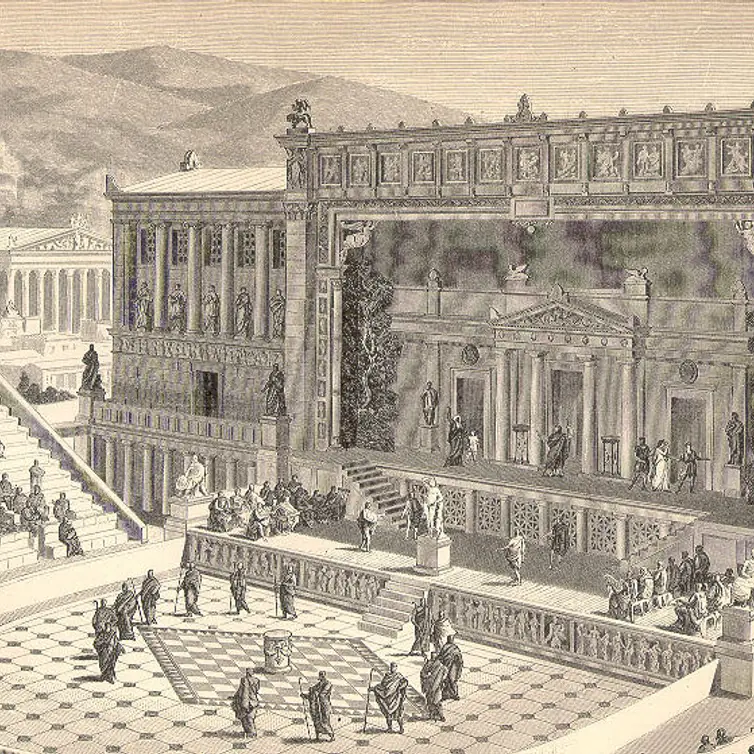
iFrom the German 1891 encyclopedia Joseph Kürschner (editor): “Pierers Konversationslexikon”. Pierers Konversationslexikon. Siebente Auflage. Mit Universal-Sprachen-Lexikon nach Prof. Joseph Kürschners System. Union. (published by) Deutsche Verlagsgesellschaft in Stuttgart, 1891. herausgegeben von (edited by) Joseph Kürschner. (Public domain) Theatre of Dionysus
history
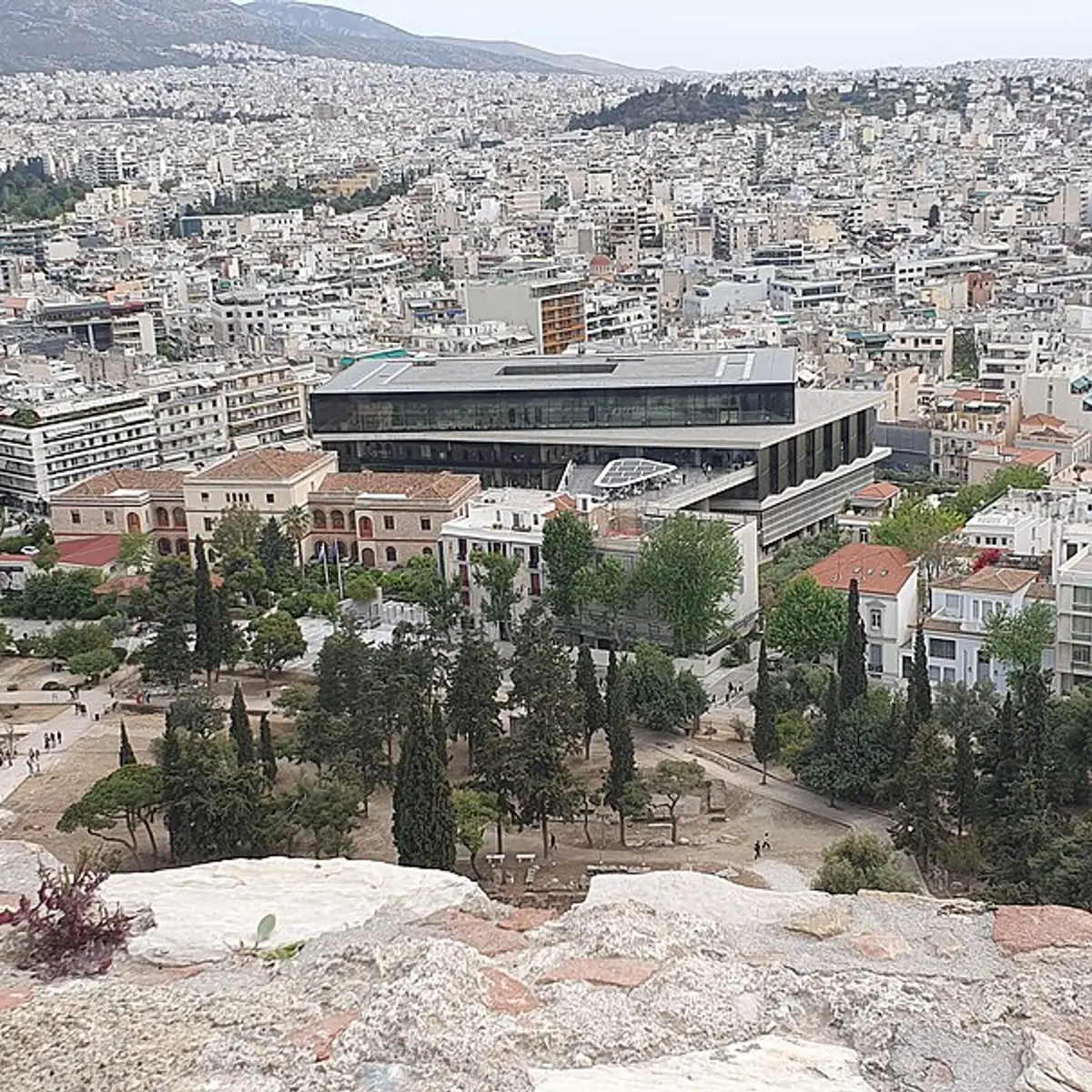
iYair-haklai (CC BY-SA 4.0) Acropolis Museum
famous landmarks