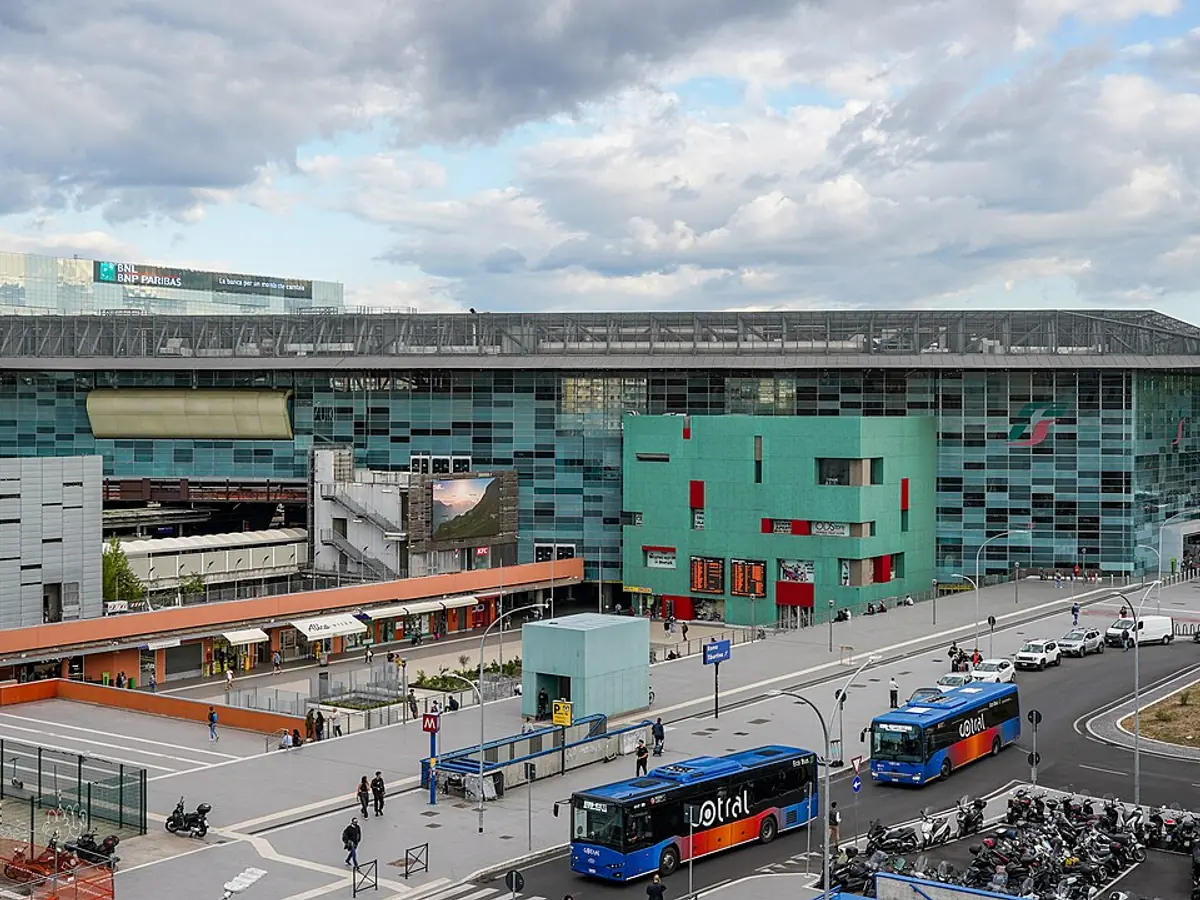
Roma Tiburtina, Roma
Roma Tiburtina is a railway station whose vast glazed bridge spans the tracks, joining the Nomentano and Pietralata districts. Completed in 2011 and dedicated to Cavour, it turns the railway from a barrier into an indoor passage threaded with shops, cafés, and travel services. The structure hangs nine metres over the rails; its enclosed bridge is three hundred metres long, with glass held in a steel framework.
That suspended design separates the public rooms from much of the rumble and vibration below. This place began life in 1866 as Portonaccio, then took the name Roma Tiburtina in 1923. Its history also bears a grave wartime memory: on 18 October 1943, 1,035 Jewish people were brought here and sent on deportation trains to Auschwitz.
A memorial plaque was installed in 2004. Today this is Rome’s second-largest station, handling more than 500 trains and 150,000 passenger movements each day. Metro line B, buses, regional services, and longer-distance trains converge here, making the building feel less like an endpoint than a piece of city infrastructure stretched across the rails.
Good for
Architecture


More places in Roma
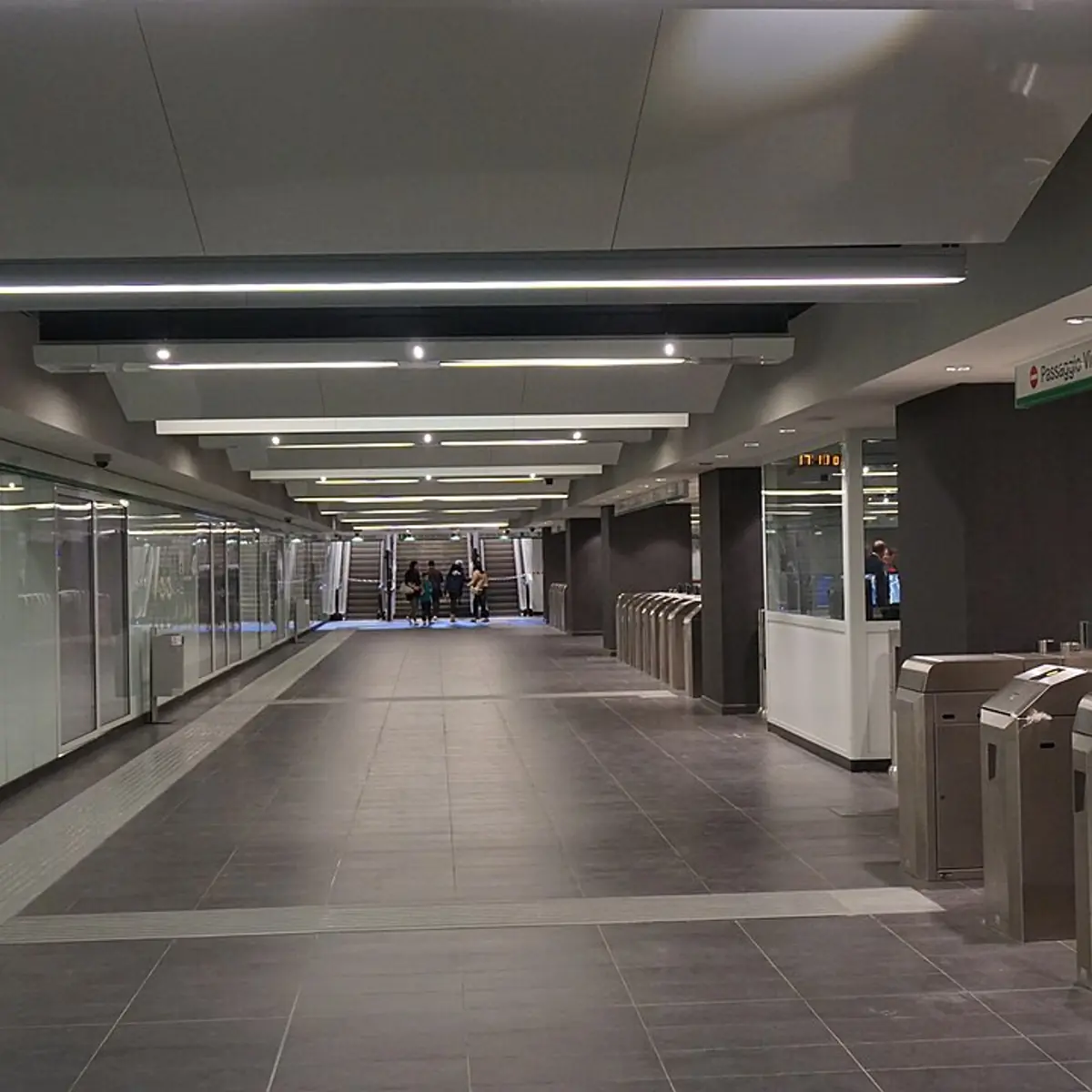
iAenigma1976 (CC BY-SA 4.0) Gardenie
architecture
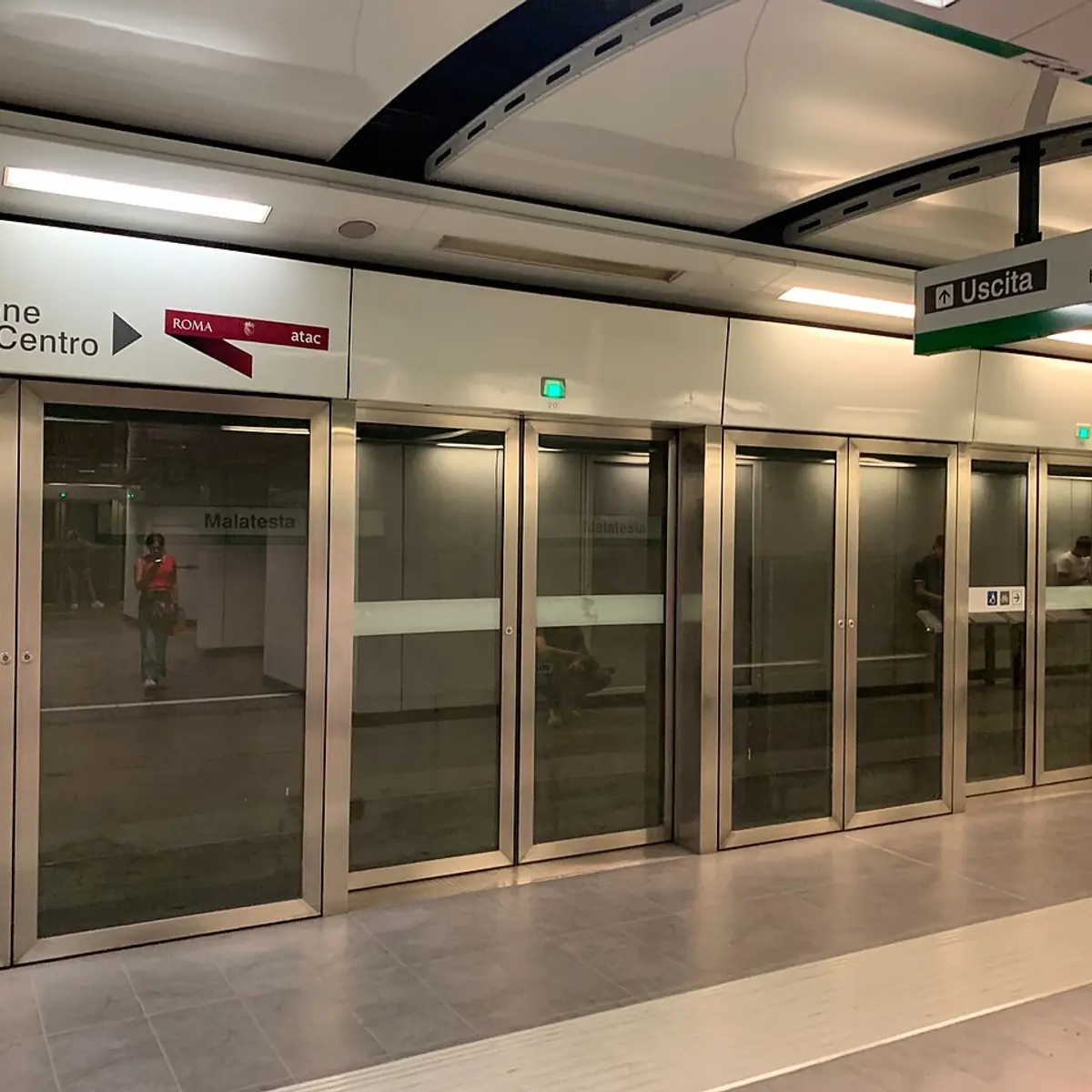
iRobot8A (CC BY-SA 4.0) Malatesta
architecture
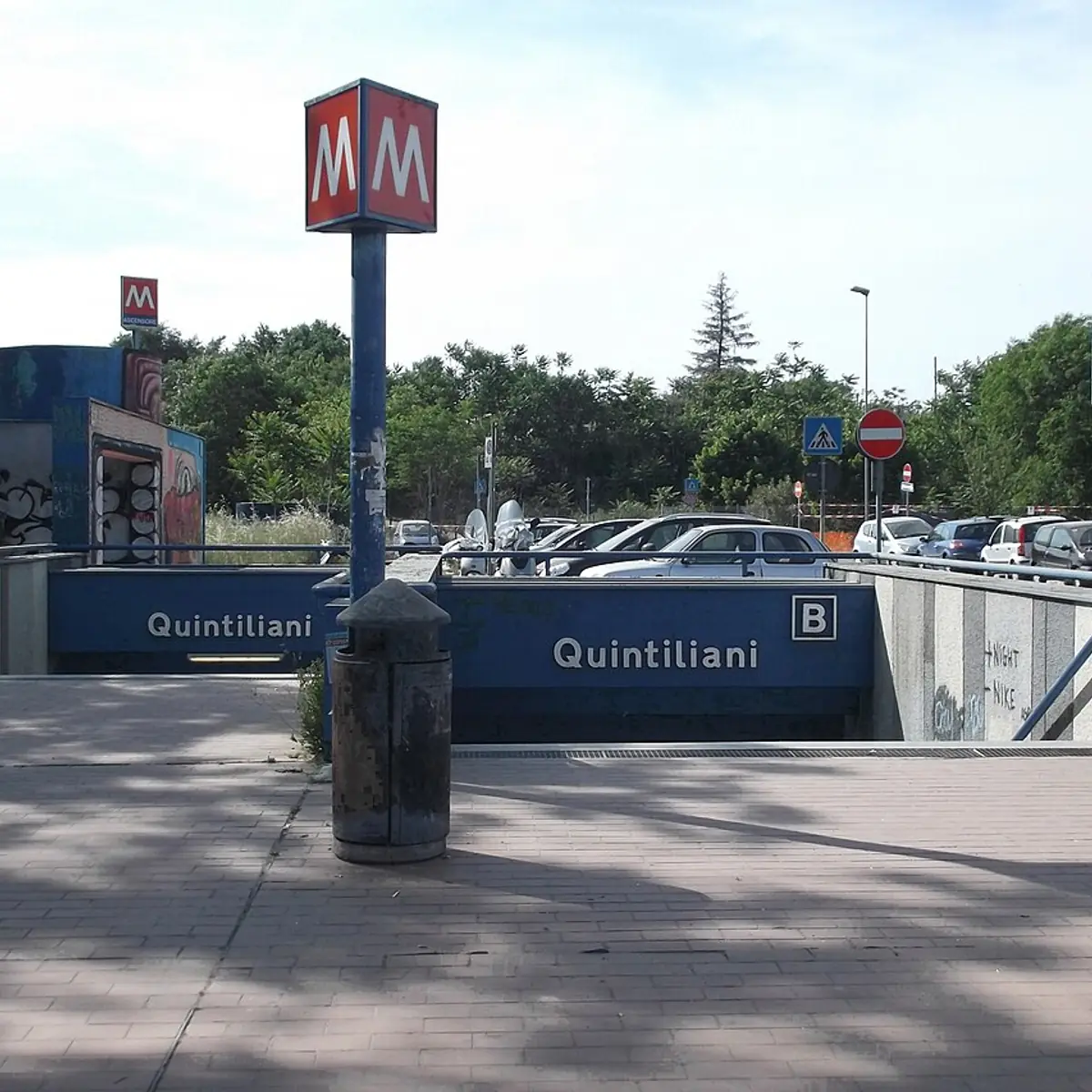
iBlackcat (CC BY-SA 4.0) Quintiliani
history
iNicholas Gemini (CC BY-SA 3.0) Roma Prenestina
history