

Areopagus, Athens
Areopagus is the rocky hill associated with one of ancient Athens’ most important councils. The council eventually focused on serious judicial cases, including killing, physical harm, and certain religious offenses. Its name means Hill of Ares, linking this outcrop to the war god.
As local legend has it, Ares himself faced judgment here from the other gods after killing Halirrhothius, the son of Poseidon. That story explains the place’s ancient name, but the hill’s historical role is just as striking: Athenians used it for homicide trials as early as the seventh century BC, and perhaps earlier. Later, the council’s powers changed as Athenian government developed, while its authority as a homicide court remained especially important.
The hill also appears in the Christian story of Athens. The Acts of the Apostles places Paul’s Areopagus sermon here, although it is uncertain whether he spoke on this physical rock or before the council elsewhere in the city. Look across the exposed stone and imagine a place where mythic judgment, civic law, and religious debate became attached to the same rugged summit.
More places in Athens
See everything in Athens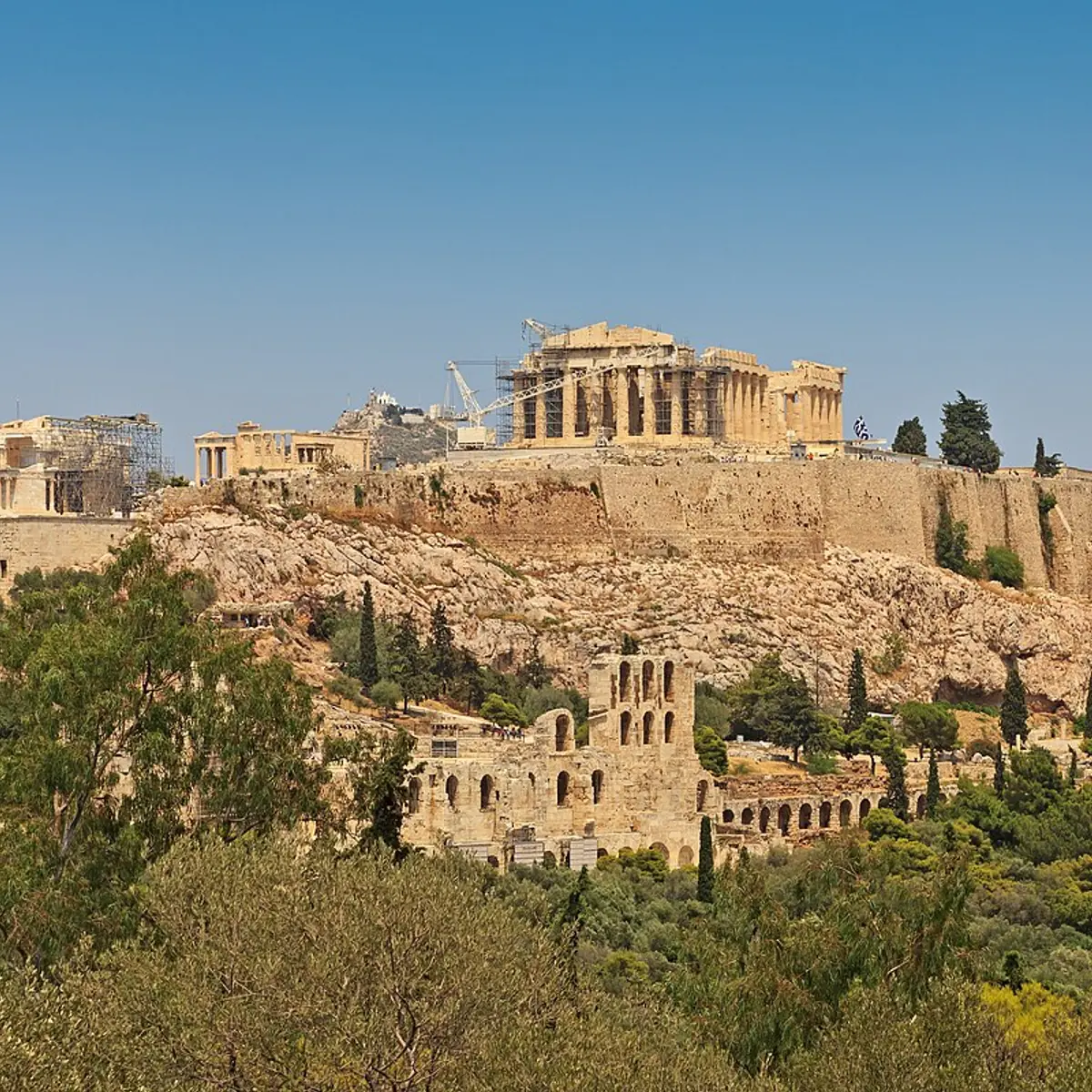
iA.Savin (CC BY-SA 3.0) Acropolis of Athens
famous landmarks
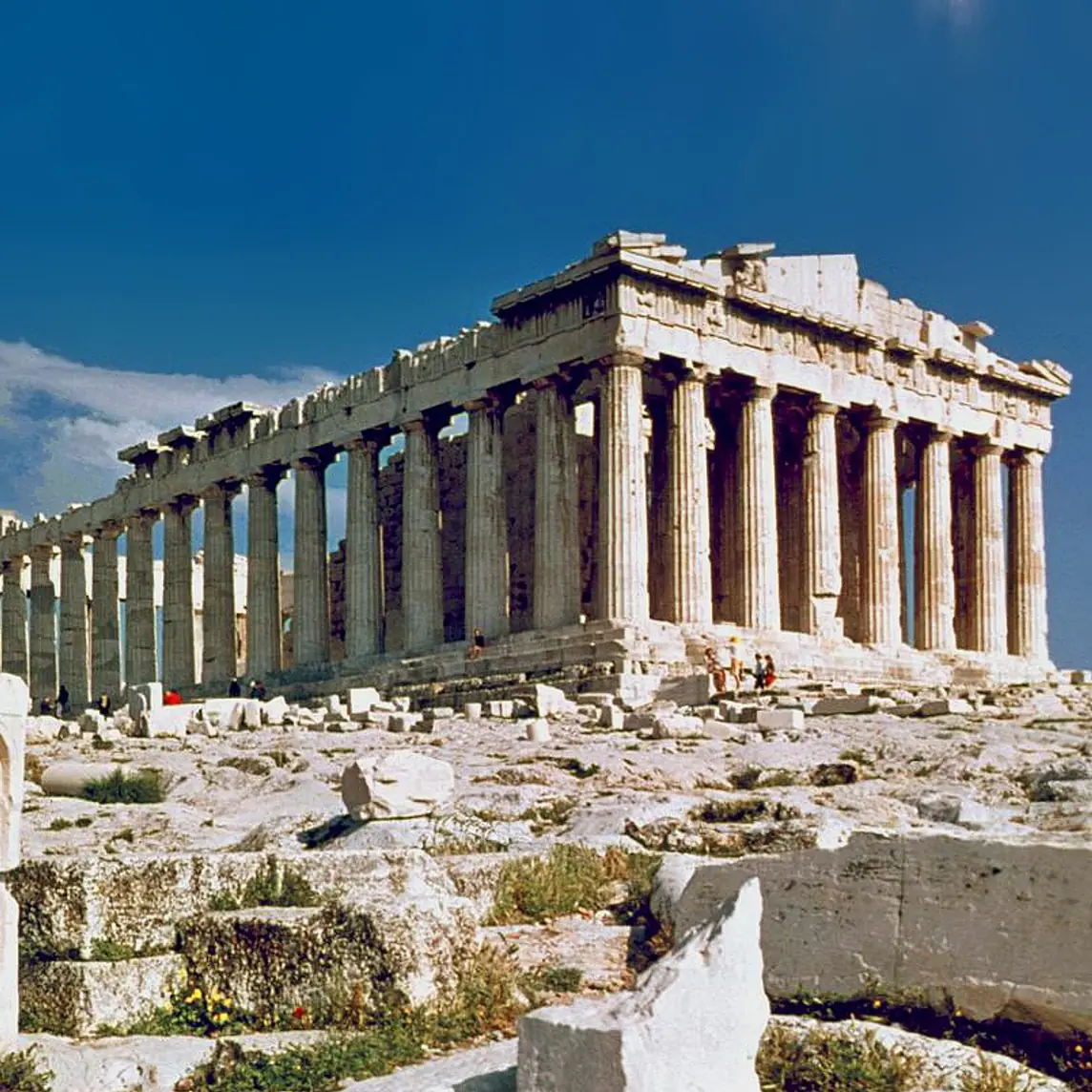
iSteve Swayne (CC BY 2.0) Parthenon
history
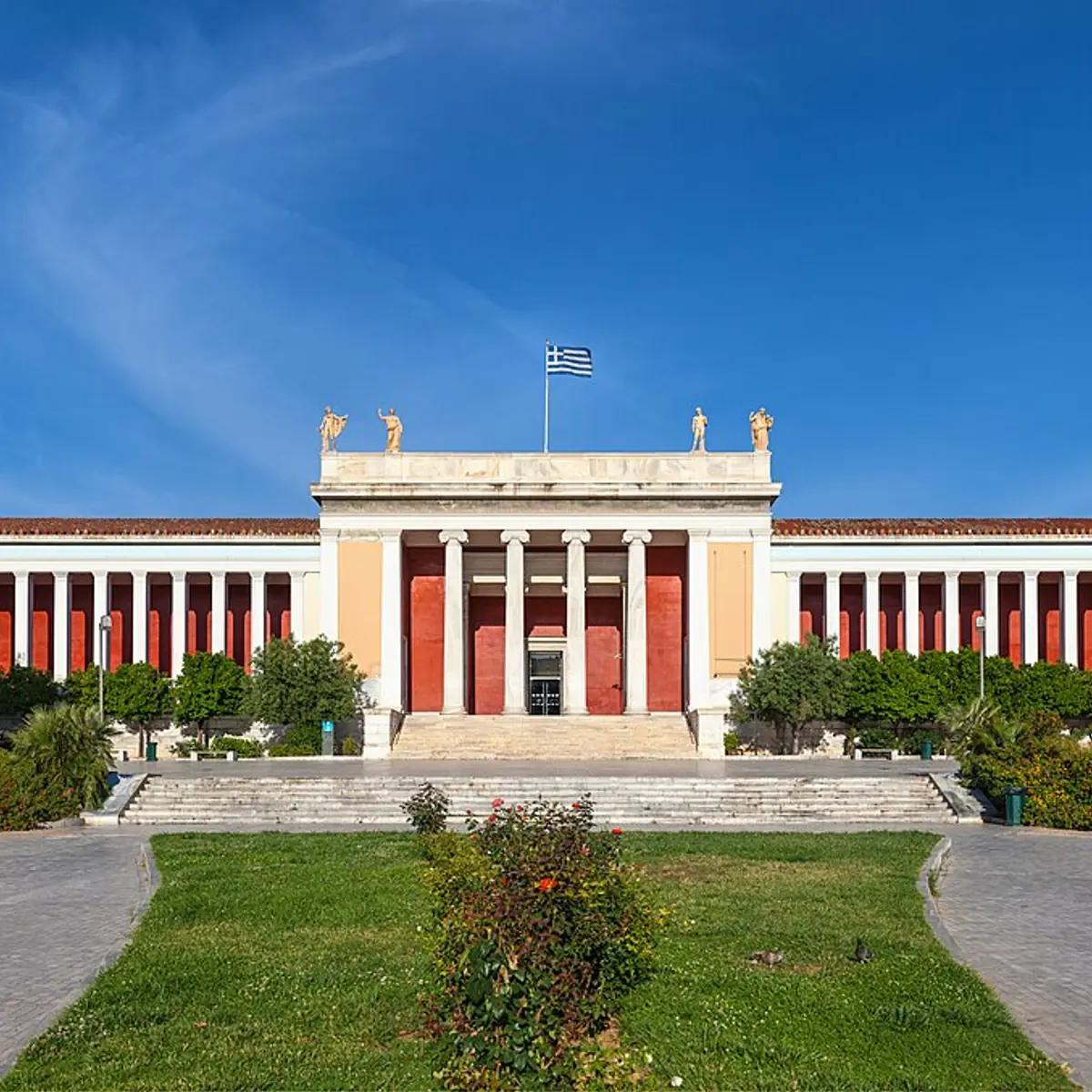
iThomas Wolf, www.foto-tw.de (CC BY-SA 3.0 de) National Archaeological Museum
history
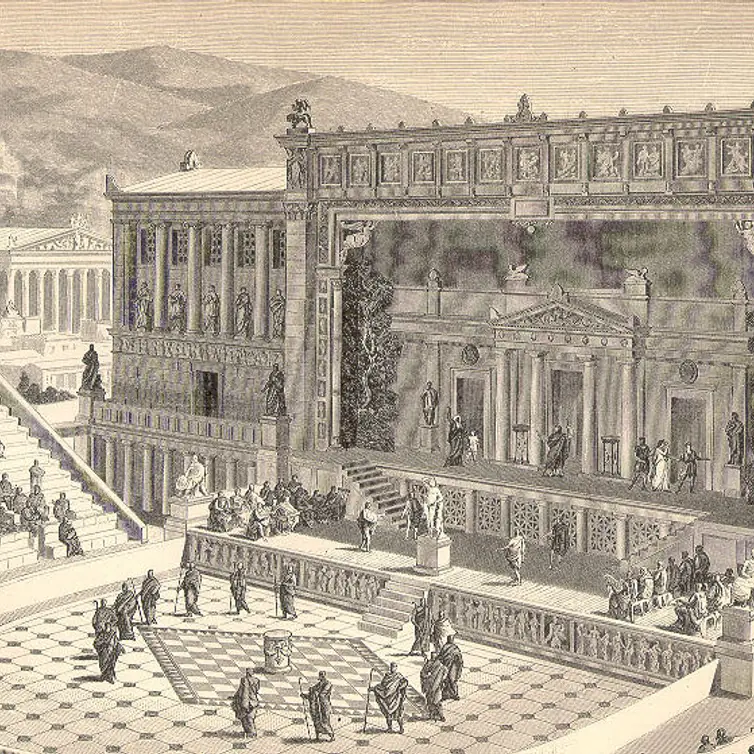
iFrom the German 1891 encyclopedia Joseph Kürschner (editor): “Pierers Konversationslexikon”. Pierers Konversationslexikon. Siebente Auflage. Mit Universal-Sprachen-Lexikon nach Prof. Joseph Kürschners System. Union. (published by) Deutsche Verlagsgesellschaft in Stuttgart, 1891. herausgegeben von (edited by) Joseph Kürschner. (Public domain) Theatre of Dionysus
history