Prison of Socrates, Athens
Updated
Listen to how the story begins
0:00 / 0:45
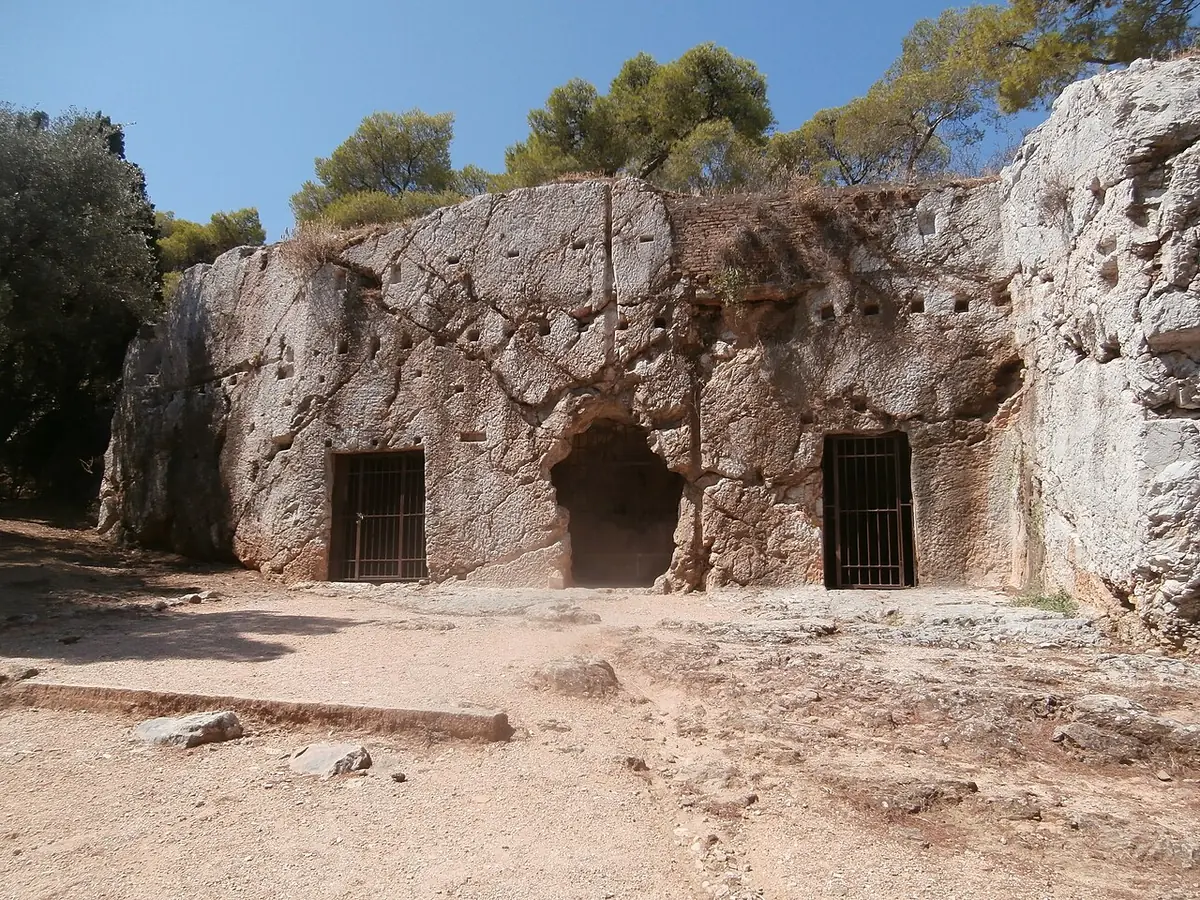
The Prison of Socrates is the surviving ruin of an ancient building on Philopappos Hill. Cut into the rock, it preserves three rooms, door openings toward the east, and a cistern at the rear. The site carries Socrates’ name because it was believed that the philosopher had been confined here, though historical research cannot securely identify these remains as Athens’ prison.
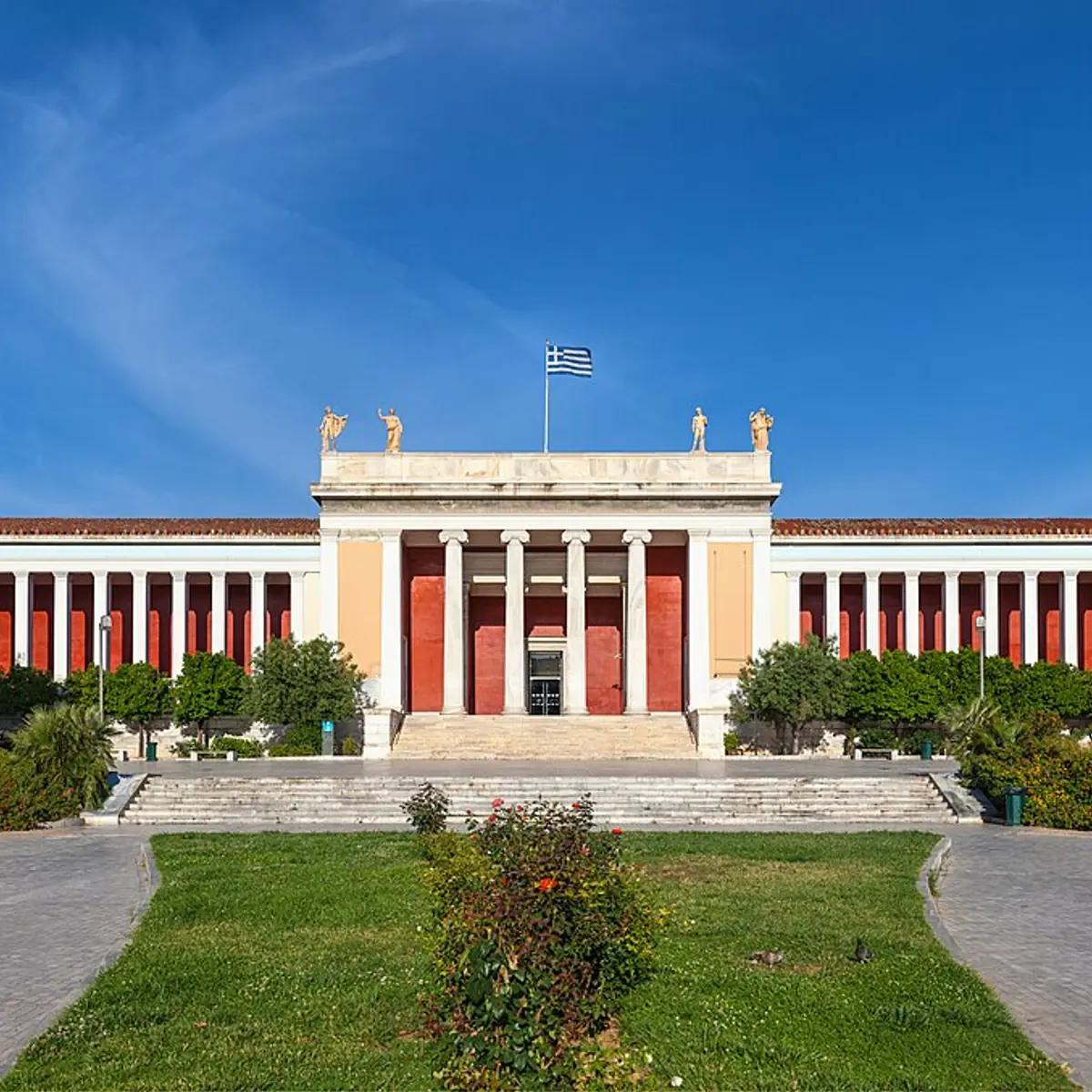
Its construction date, position in a hollow, access to a major road, and bathing facilities fit descriptions from Plato’s dialogues. The remains also served as baths. During the Second World War, concrete walls enclosed the structure, turning it into a hiding place for antiquities from the Acropolis and the National Archaeological Museum. A worn small figurine of Socrates was found among the discoveries here.