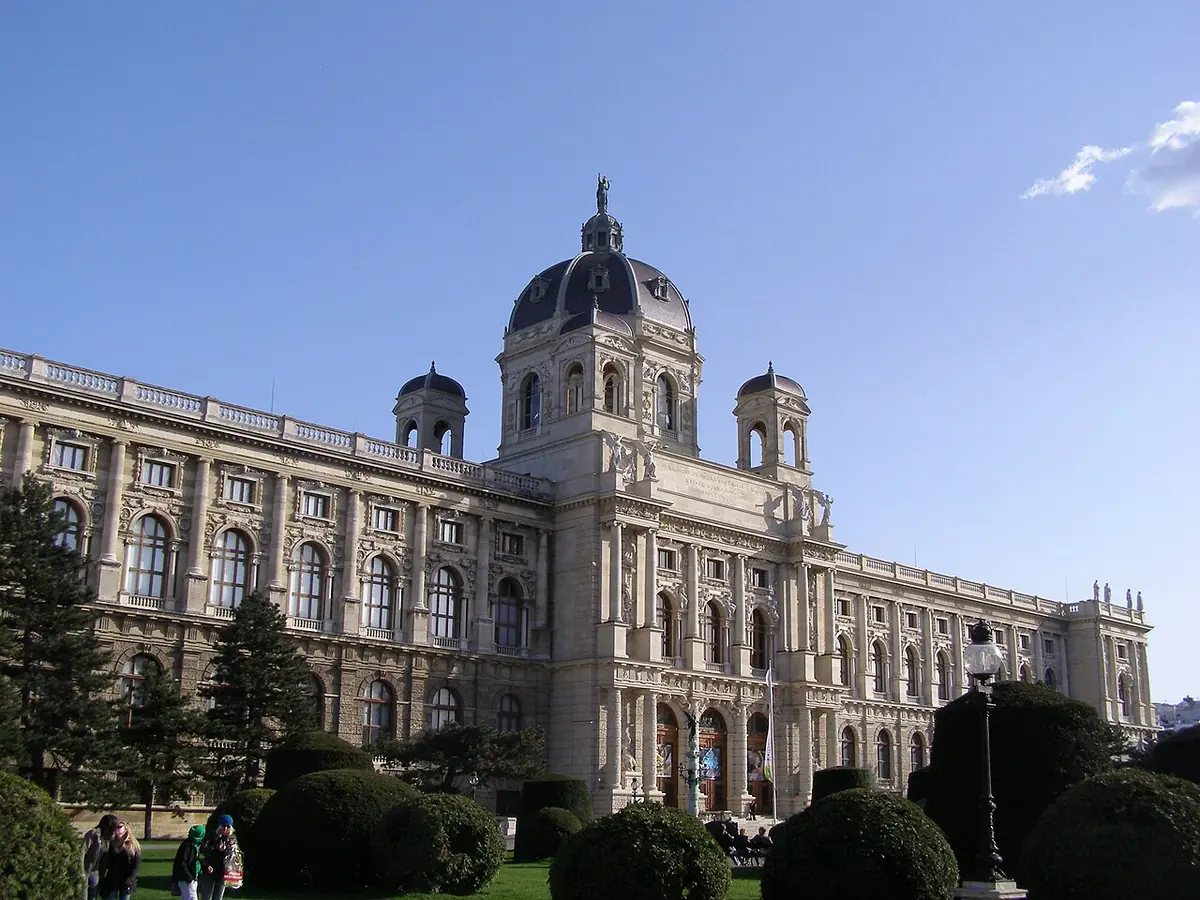
Kunsthistorisches Museum, Vienna
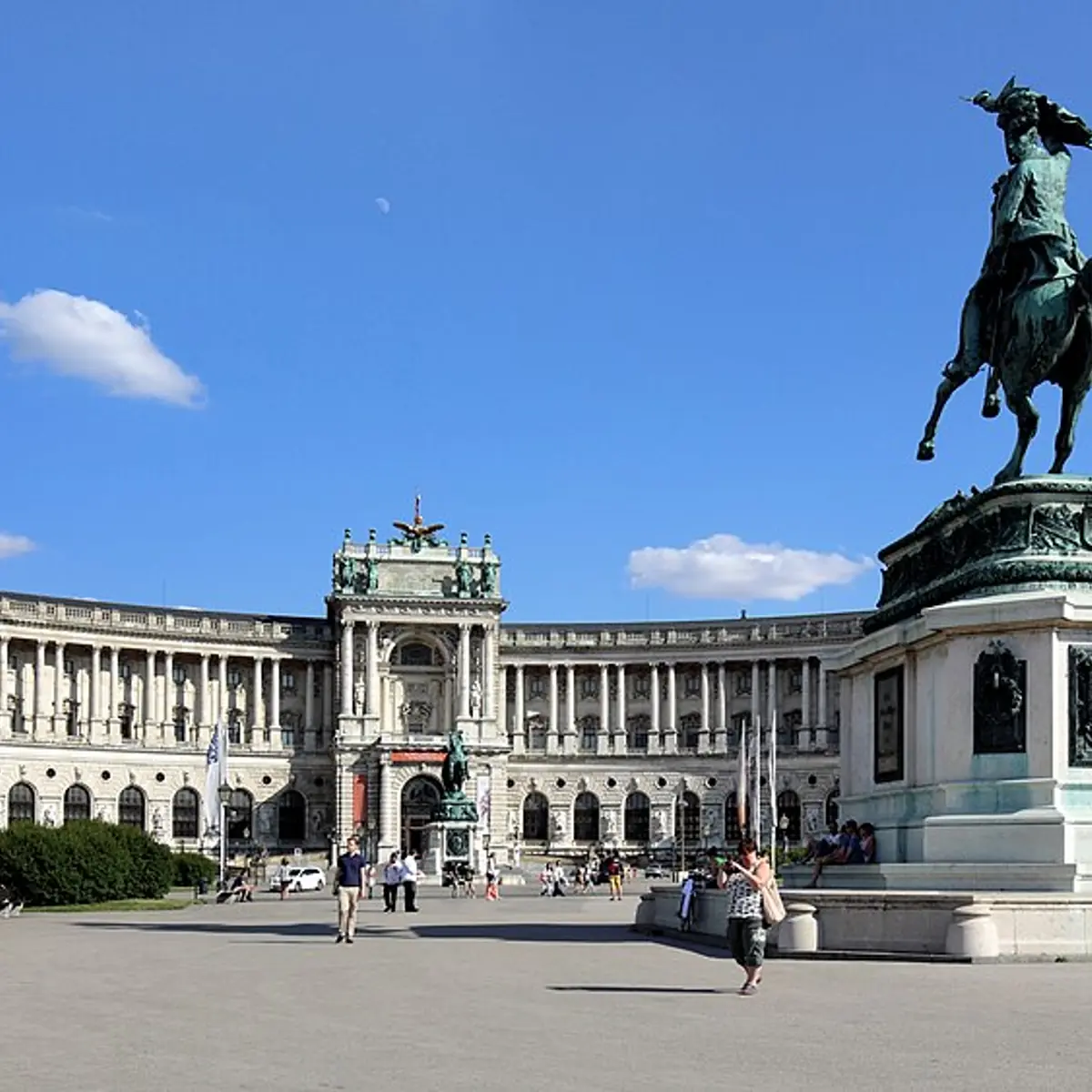
Kunsthistorisches Museum is Vienna’s art museum, housed in a palatial building beneath an octagonal dome. The structure was built from 1871 to 1891 for Emperor Franz Joseph I, following plans by Gottfried Semper and Carl von Hasenauer. Its sandstone façade uses a Renaissance-inspired design, with broad arched windows and a carefully balanced arrangement.
The entrance is guarded by seated allegorical figures representing painting and sculpture, while the dome carries a statue of Pallas Athena. Inside, the grand staircase brings together works by Gustav Klimt, Ernst Klimt, Franz Matsch, Hans Makart and Mihály Munkácsy. That interior reflects the museum’s origin in Habsburg collections: portraits and armour associated with Ferdinand of Tirol, works gathered by Emperor Rudolf II, and paintings assembled by Archduke Leopold Wilhelm form the historical core.
The picture gallery includes major works by Pieter Bruegel the Elder, Raphael, Caravaggio, Rembrandt and Vermeer. A particularly dramatic episode concerns Cellini’s salt cellar: stolen in 2003, it was recovered in 2006 from a buried box near Zwettl. The museum is therefore both a palace for art and a place with a remarkable object-history of its own.