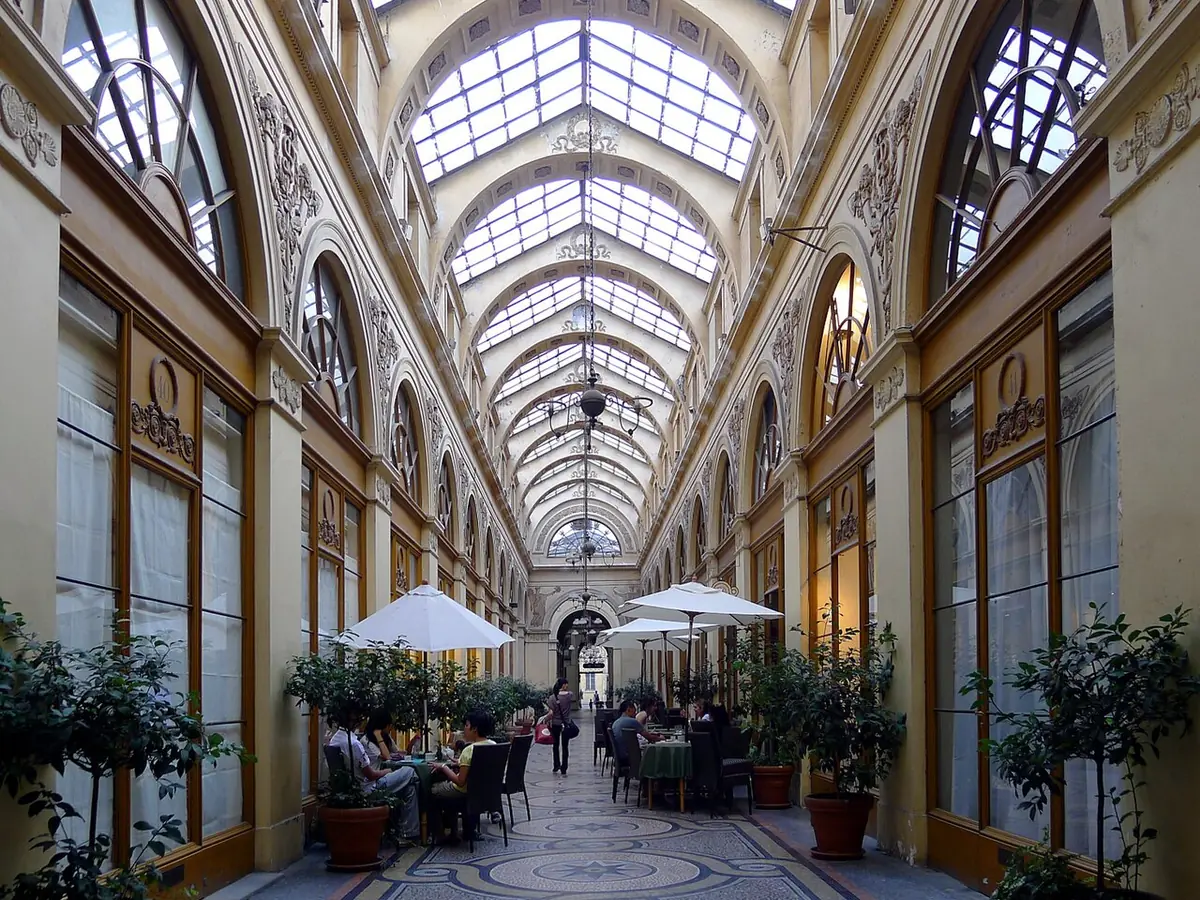

Galerie Vivienne, Paris
Galerie Vivienne is a covered passage whose elegant glass canopy shelters a narrow, richly decorated interior. It stretches 176 metres and measures 3 metres across, linking entrances on Rue des Petits-Champs, Rue de la Banque and Rue Vivienne. Look at the floor mosaics: their repeated geometric shapes create a restrained rhythm, while the surrounding decoration turns commerce into a visual theme.
François-Jacques Delannoy designed the setting in a neo-classical Pompeian manner, with paintings, sculpture and a glazed rotunda capped by a hemispherical glass dome. The mosaic work is signed by Giandomenico Facchina and Mazzioli. Marchoux, president of the Chamber of Notaries, commissioned the passage in 1823, following plans by Delannoy.
It opened in 1826 under the name Marchoux and soon became Galerie Vivienne. Its shops once included tailors, shoemakers, a wine merchant, a restaurant, a bookseller and a confectioner. The monumental staircase at number 13 led to the former home of Eugène François Vidocq, a former convict who became head of a police unit made up of ex-offenders.
Fashion and interior-design shops later revived the gallery, and Jean Paul Gaultier and Yuki Torii arrived in 1986. The passage remains a place where commerce, theatre and architectural ornament meet beneath glass.
More places in Paris
See everything in Paris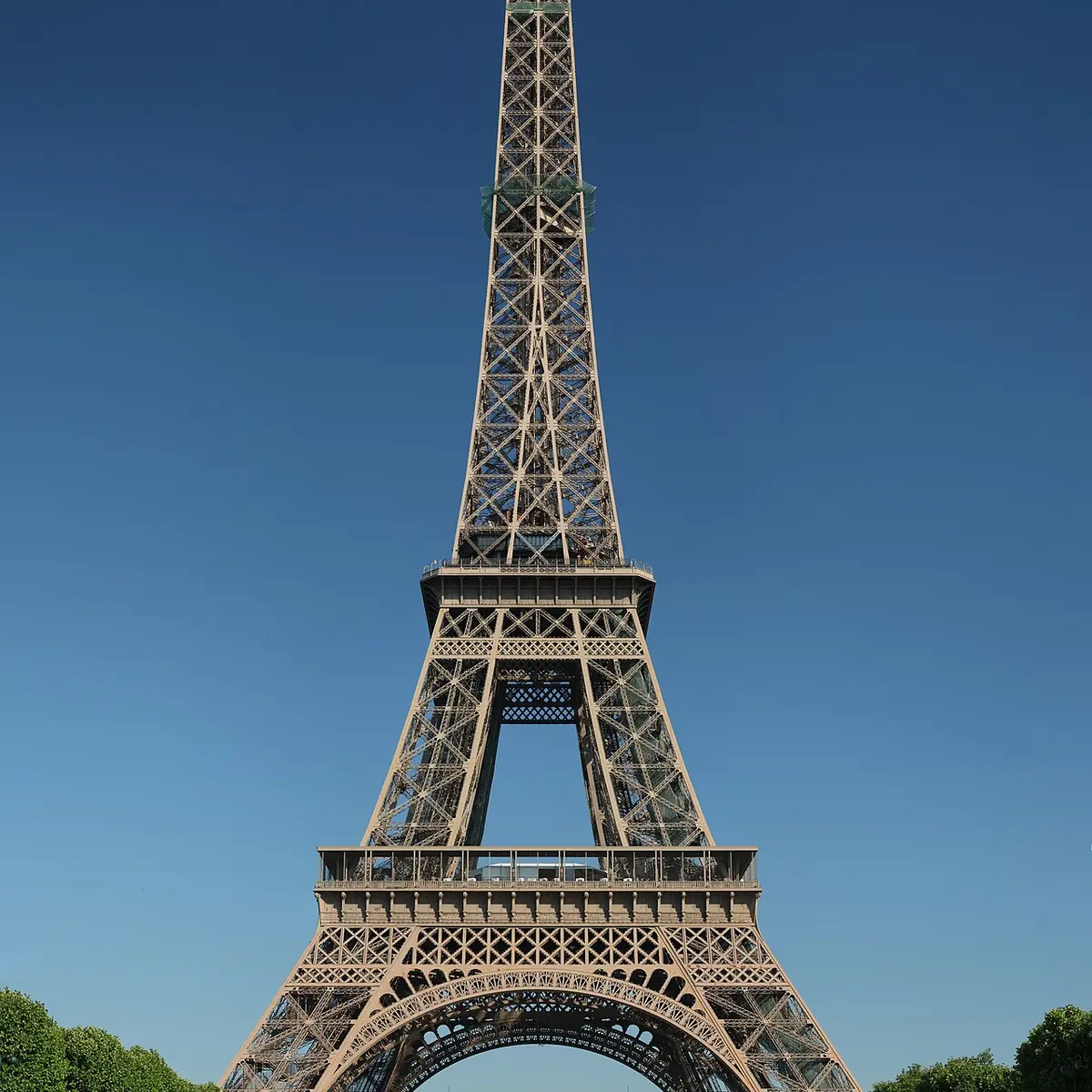
iBenh LIEU SONG (Public domain) Tour Eiffel
famous landmarks
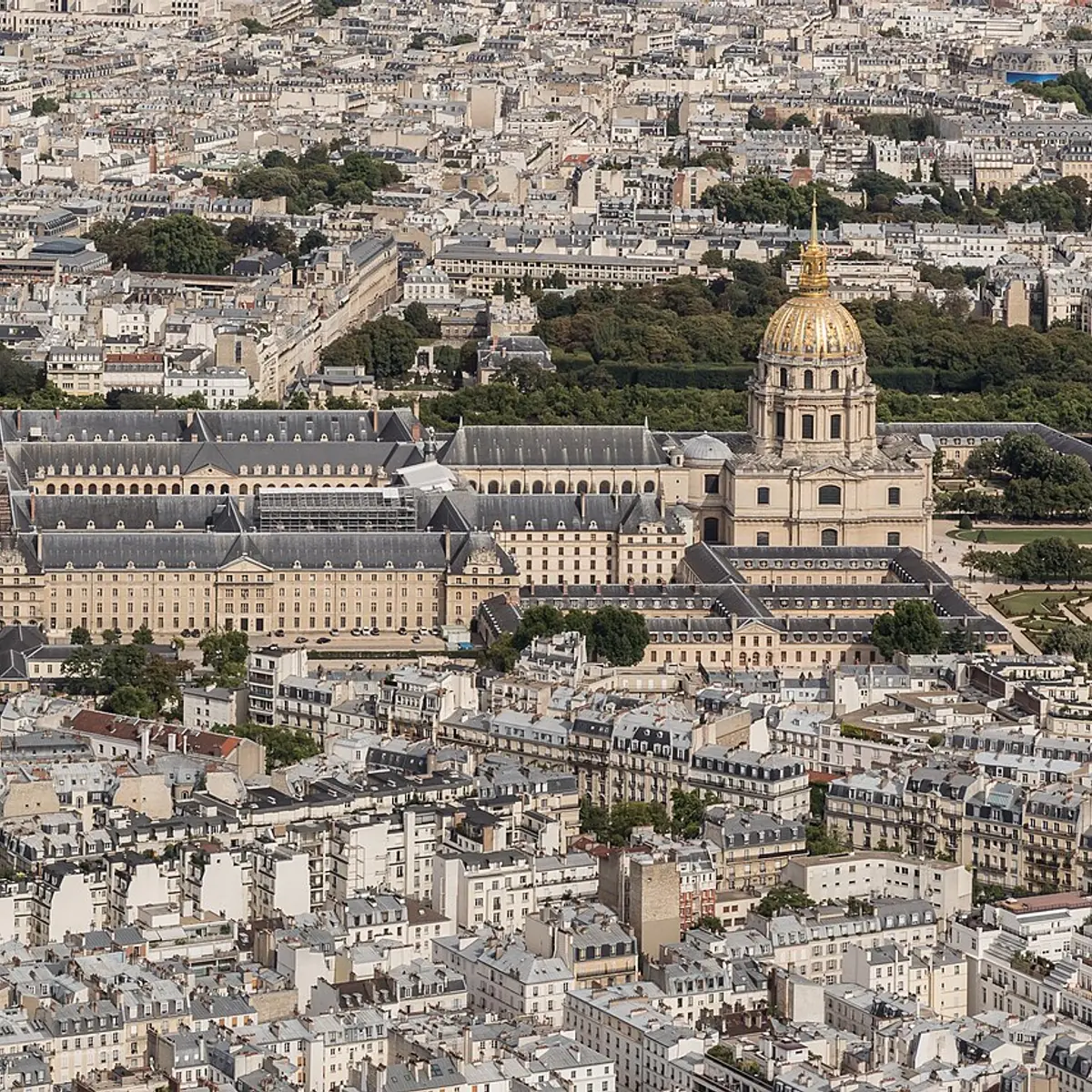
iAnother one of my pictures: This photograph was taken by Medium69 (William Crochot) and released under the license stated below. You are free to use it for any purpose as long as you credit the author (William Crochot), the Source (Wikimedia Commons) and the license (CC-BY-SA 4.0) in close relation to the image. Please do not upload an updated image here without consultation with the Author. The author would like to make corrections only at his own source RAW. This ensures that the changes are preserved.Please if you think that any changes should be required, please inform the author.Otherwise you can upload a new image with a new name. Please use one of the templates derivative or extract. (CC BY-SA 4.0) Hôtel des Invalides
history
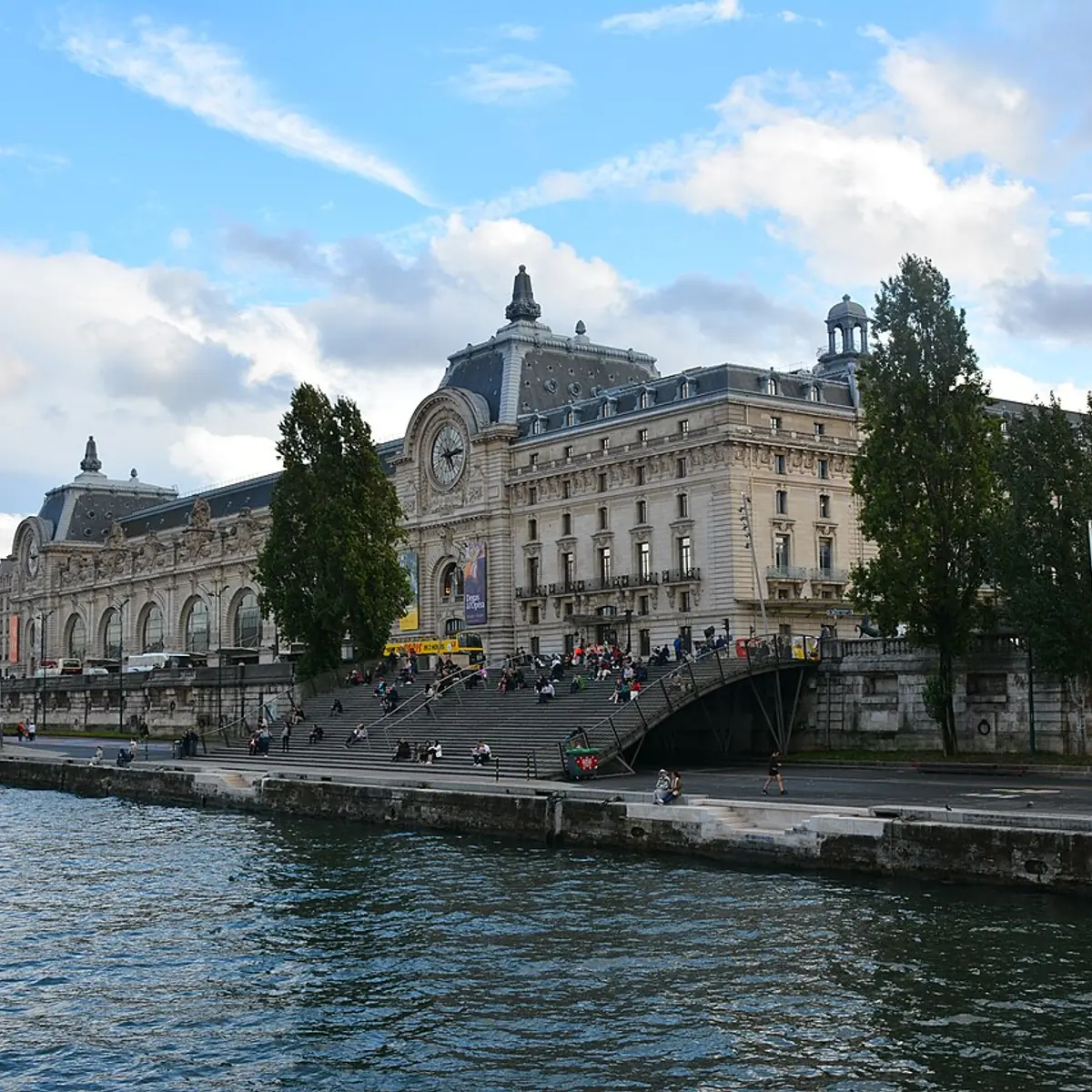
iCheng-en Cheng from Taichung City, Taiwan (CC BY-SA 2.0) Musée d'Orsay
culture
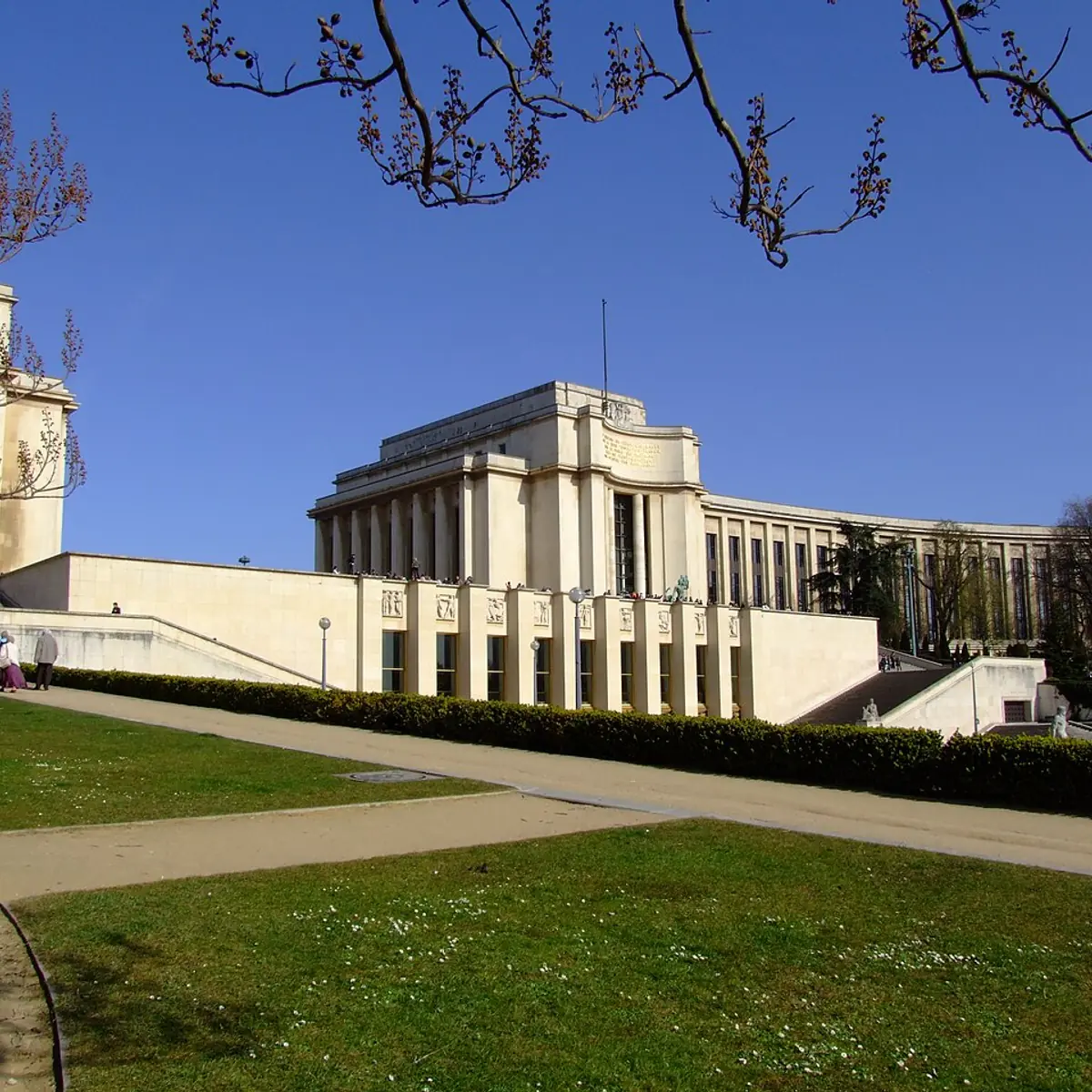
iAlfvanBeem (CC0) Palais de Chaillot
history