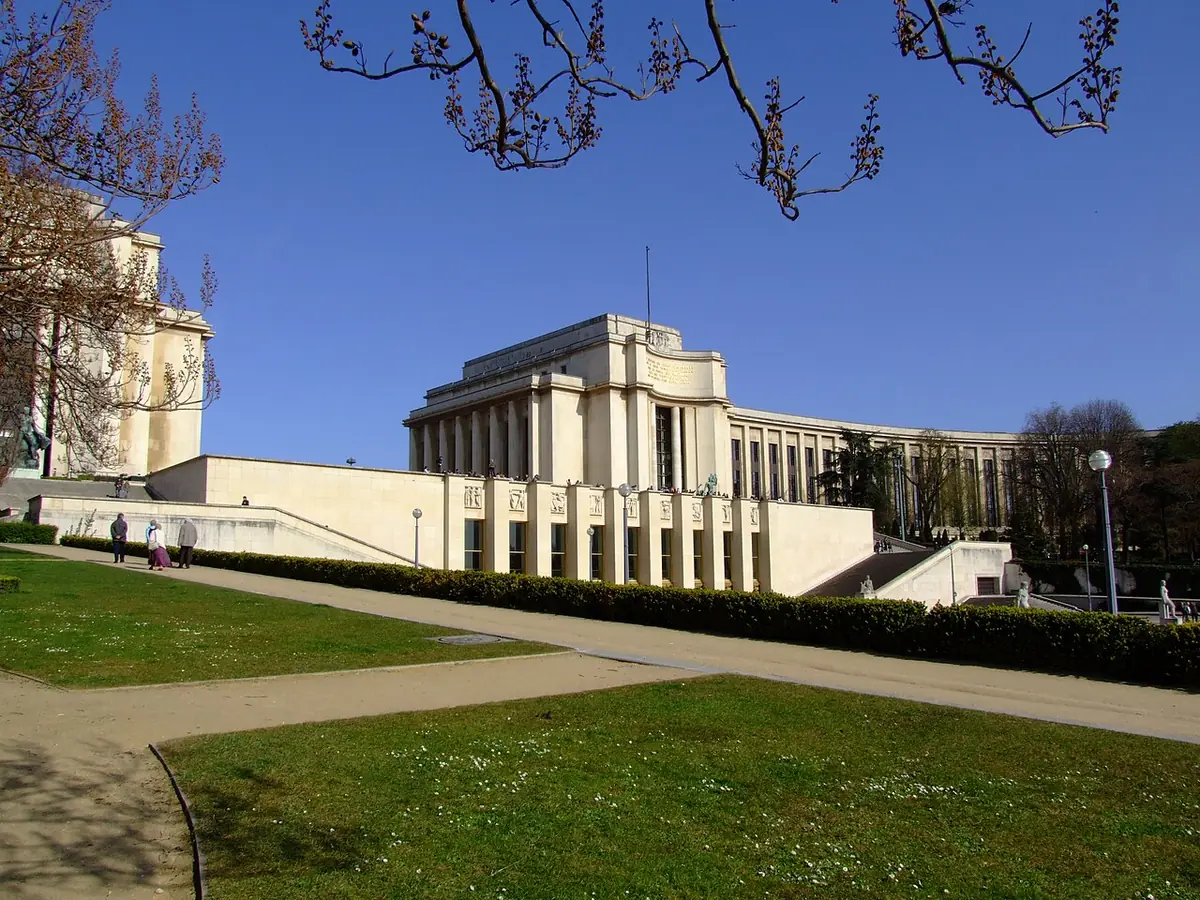

Palais de Chaillot, Paris
Palais de Chaillot is the monumental building spread across Chaillot Hill above the Trocadéro. Its present form dates from 1937, when Jacques Carlu, Louis-Hippolyte Boileau and Léon Azéma created it for the international exhibition held that year. The architecture separates into paired wings that sweep in a broad arc, leaving an open esplanade between them.
That space replaced the main hall and towers of the earlier Trocadéro Palace, while substantial portions of its wings were incorporated into the newer structure. The building carries inscriptions drawn from Paul Valéry, along with sculpture by Raymond Delamarre, Carlo Sarrabezolles and Alfred Bottiau. The terrace is known as the Esplanade of Human Rights because the United Nations General Assembly adopted the Universal Declaration of Human Rights here on 10 December 1948.
A commemorative stone marks that event. The wings remain active cultural spaces: the Passy side houses the Musée national de la Marine and the Musée de l’Homme, while the Paris side contains the Cité de l’Architecture et du Patrimoine and provides access to the Théâtre national de Chaillot beneath the esplanade. This is a palace built for an exhibition, reshaped from an older palace, and still carrying a moment of international history in its open terrace.
More places in Paris
See everything in Paris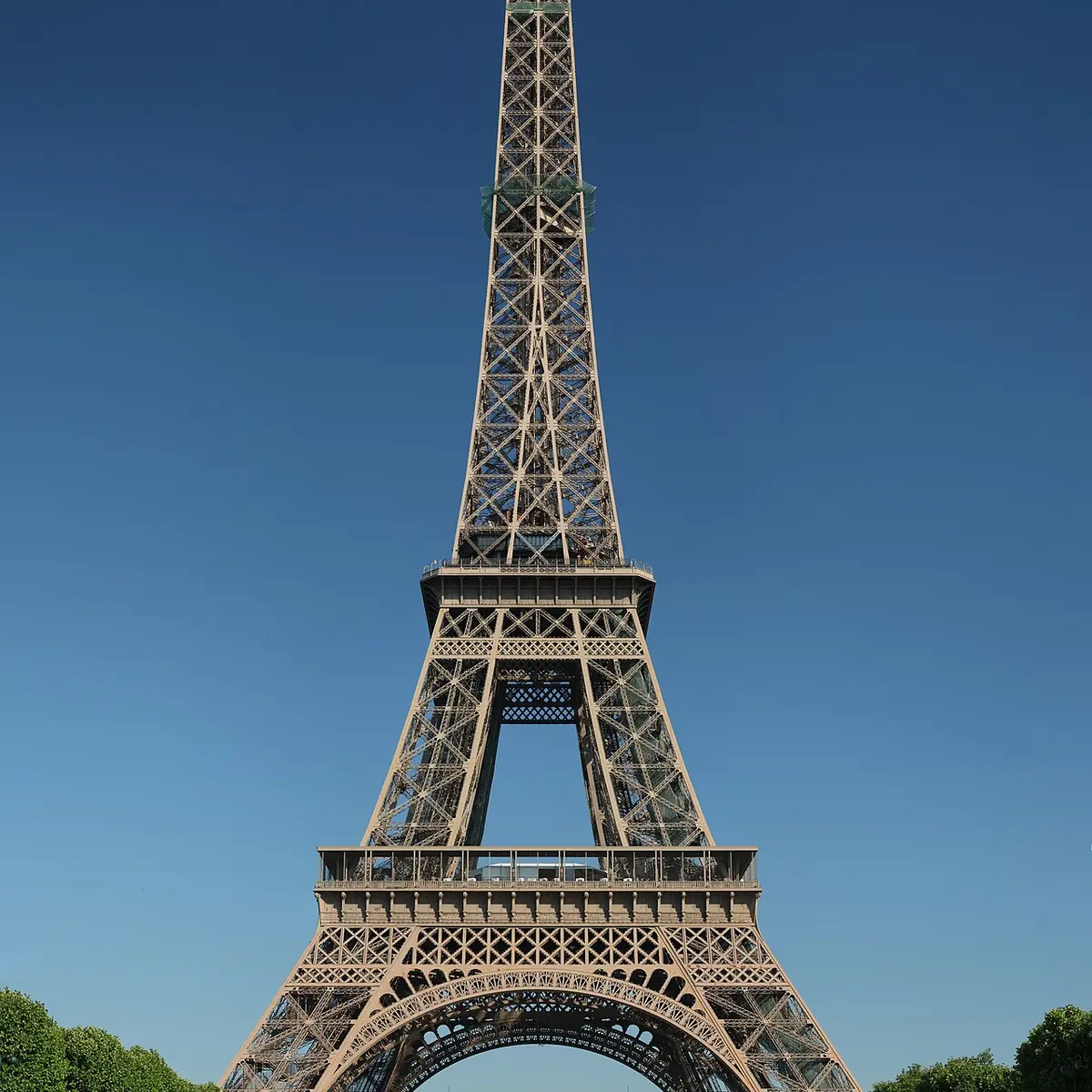
iBenh LIEU SONG (Public domain) Tour Eiffel
famous landmarks
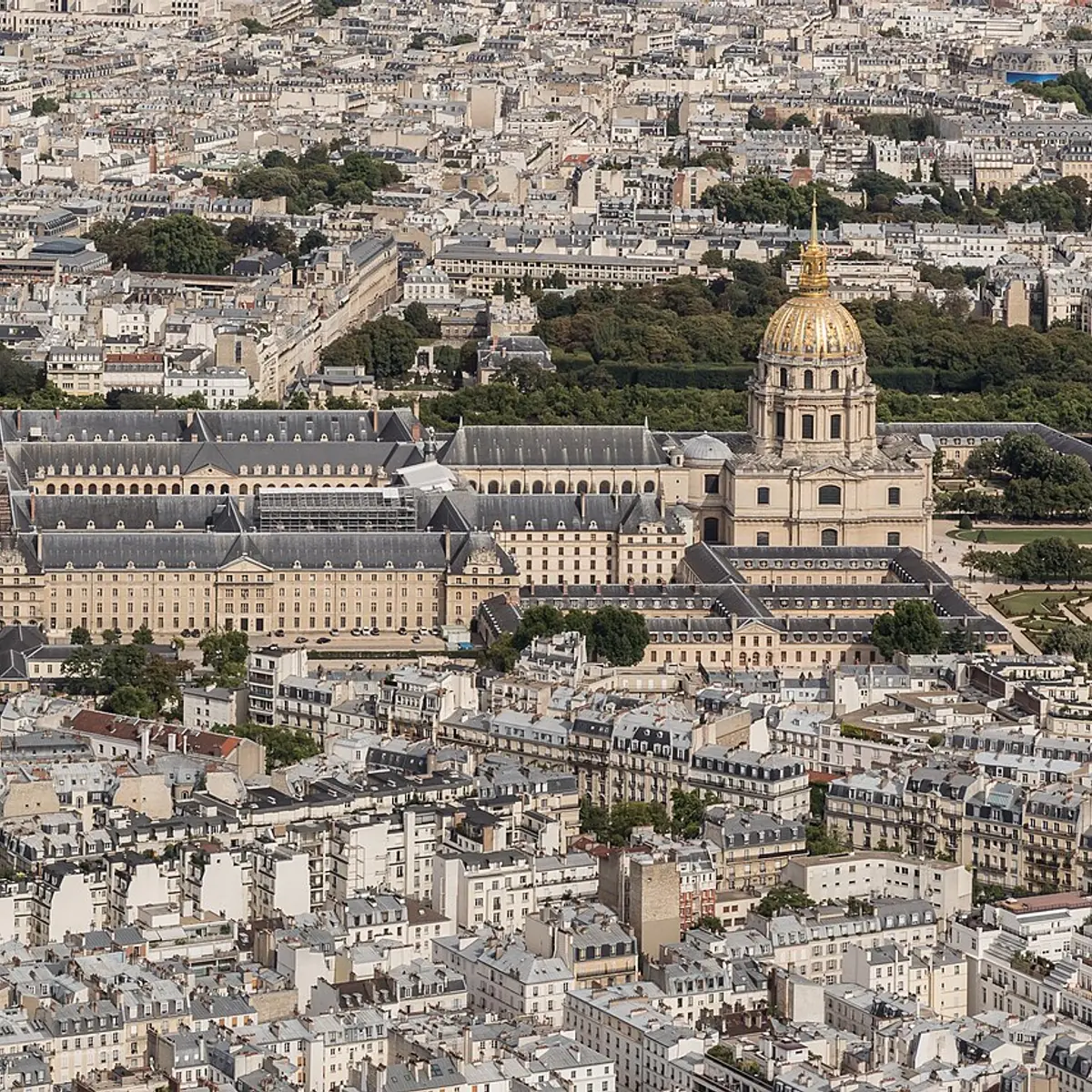
iAnother one of my pictures: This photograph was taken by Medium69 (William Crochot) and released under the license stated below. You are free to use it for any purpose as long as you credit the author (William Crochot), the Source (Wikimedia Commons) and the license (CC-BY-SA 4.0) in close relation to the image. Please do not upload an updated image here without consultation with the Author. The author would like to make corrections only at his own source RAW. This ensures that the changes are preserved.Please if you think that any changes should be required, please inform the author.Otherwise you can upload a new image with a new name. Please use one of the templates derivative or extract. (CC BY-SA 4.0) Hôtel des Invalides
history
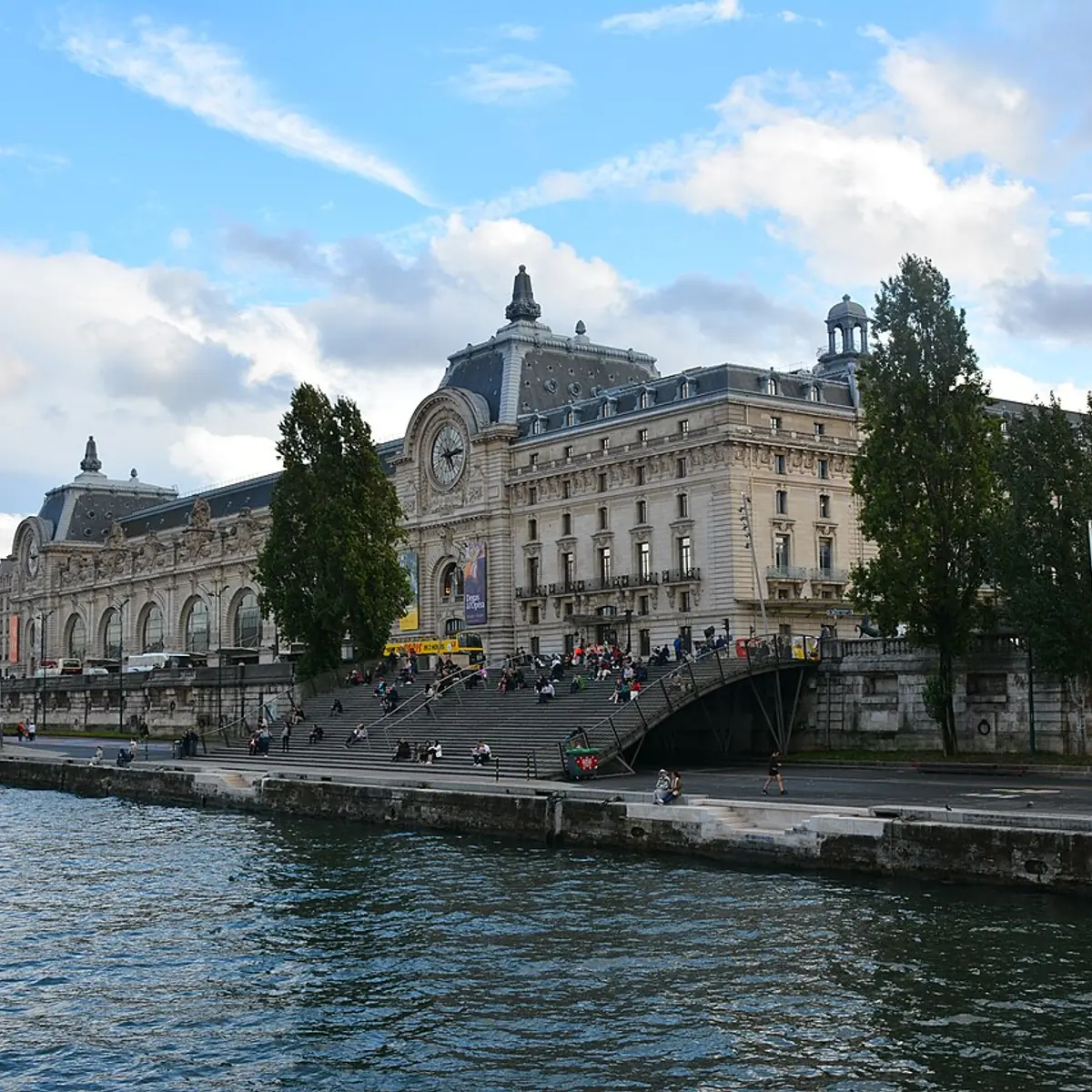
iCheng-en Cheng from Taichung City, Taiwan (CC BY-SA 2.0) Musée d'Orsay
culture
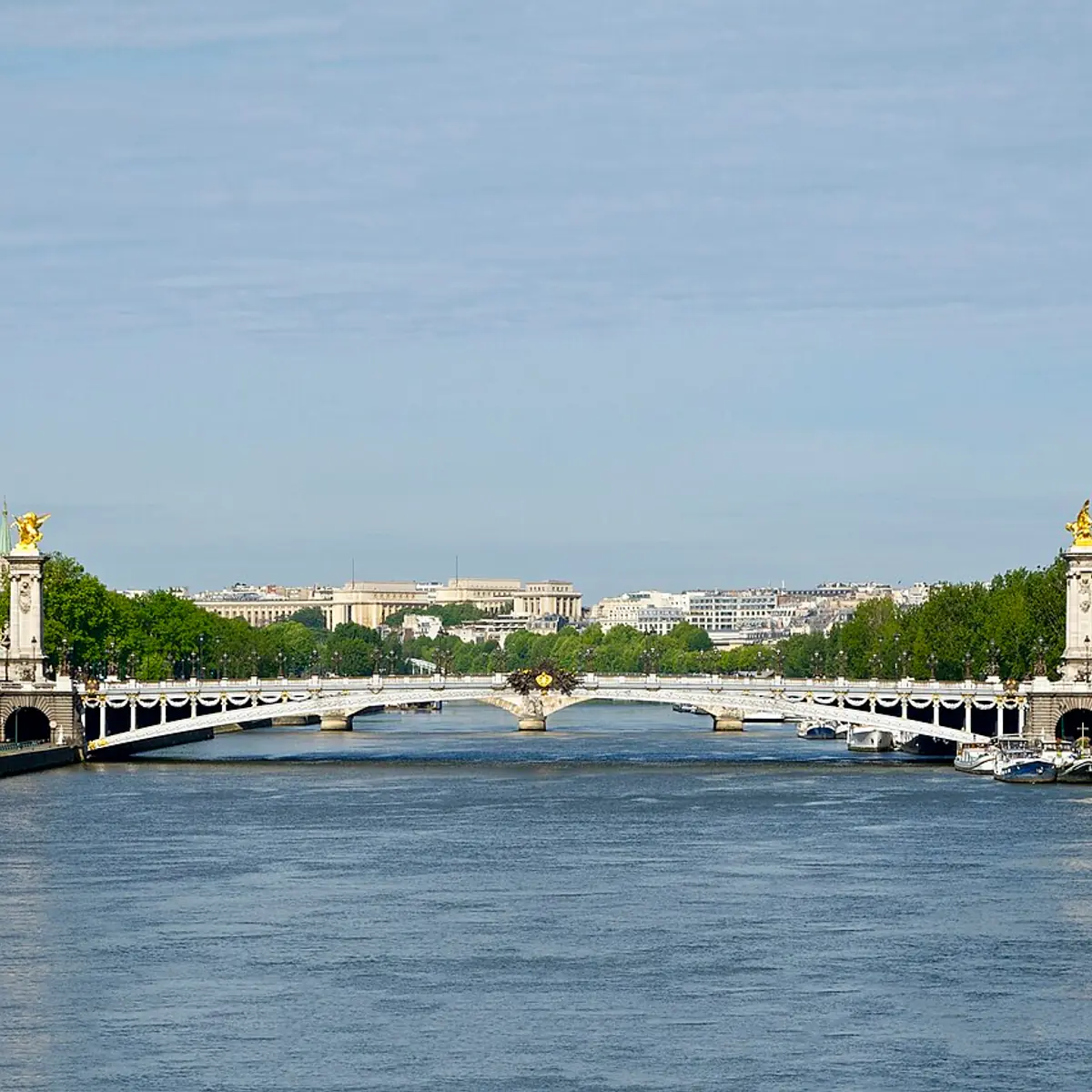
iJebulon (CC0) Pont Alexandre III
architecture