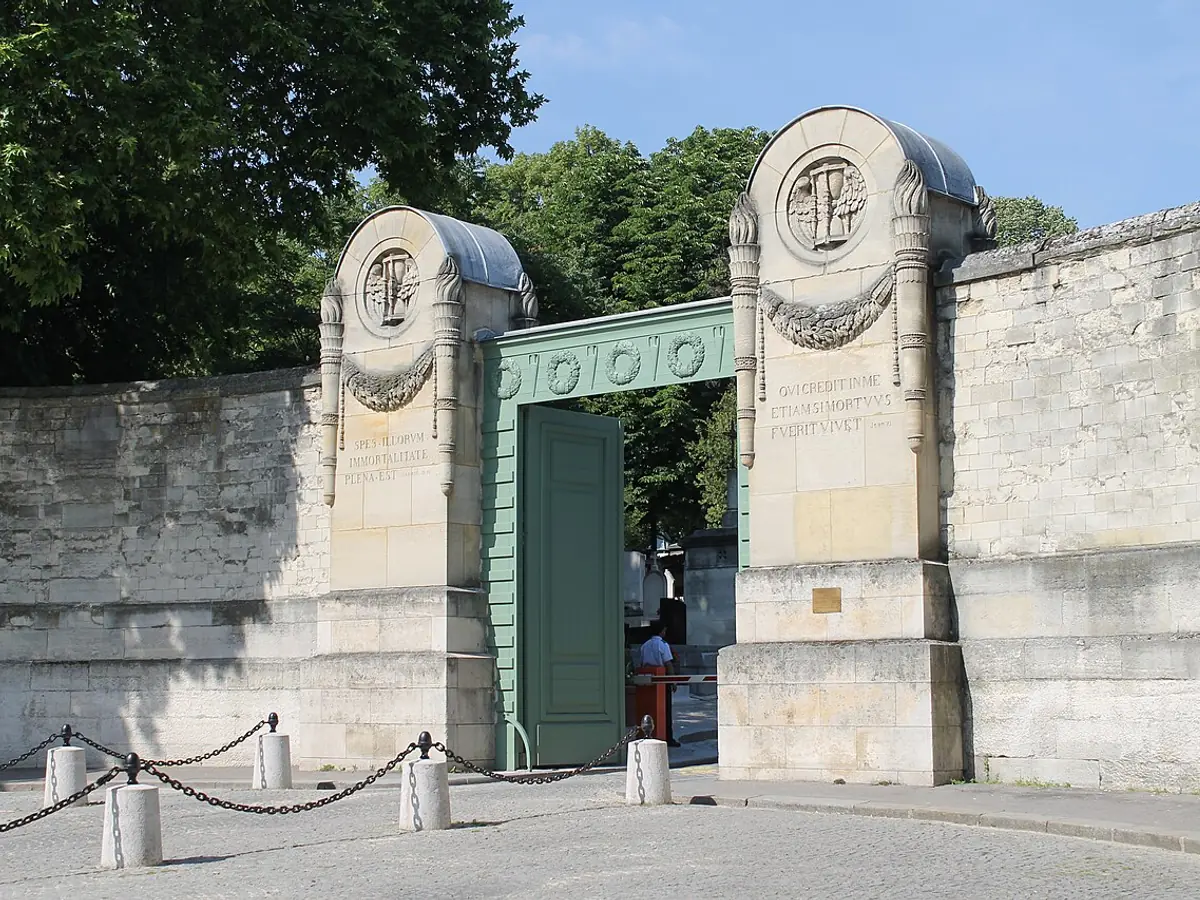

Cimetière du Père-Lachaise, Paris
Père-Lachaise is a working cemetery spread across 44 hectares, and it is Paris’s largest burial ground. Its winding garden setting began in 1804, when Alexandre-Théodore Brongniart planned the layout with uneven paths, varied trees and plants, and sculpted tombs. The cemetery opened with only 13 graves, but a bold attempt to attract attention transformed its fortunes: in 1817, the remains associated with Molière, Jean de La Fontaine, Abélard and Héloïse were transferred here in public ceremonies.
By 1830, the grounds held 33,000 tombs, and the cemetery was enlarged five times. François d’Aix de La Chaise, the Jesuit confessor of Louis XIV, gives Père-Lachaise its name; he lived on this estate from 1675 until his death in 1709. Look at the monumental entrance: Étienne-Hippolyte Godde designed its semicircular gate with paired pylons, winged hourglasses, torches and floral garlands, completed in 1825.
Inside, the cemetery contains the crematorium built in 1894, the earliest facility of its kind in France, as well as a columbarium. It also preserves the Communards’ Wall, where 147 members of the Paris Commune were executed in 1871. This is both a place of burial and a landscape shaped by memory, ceremony and public history.
More places in Paris
See everything in Paris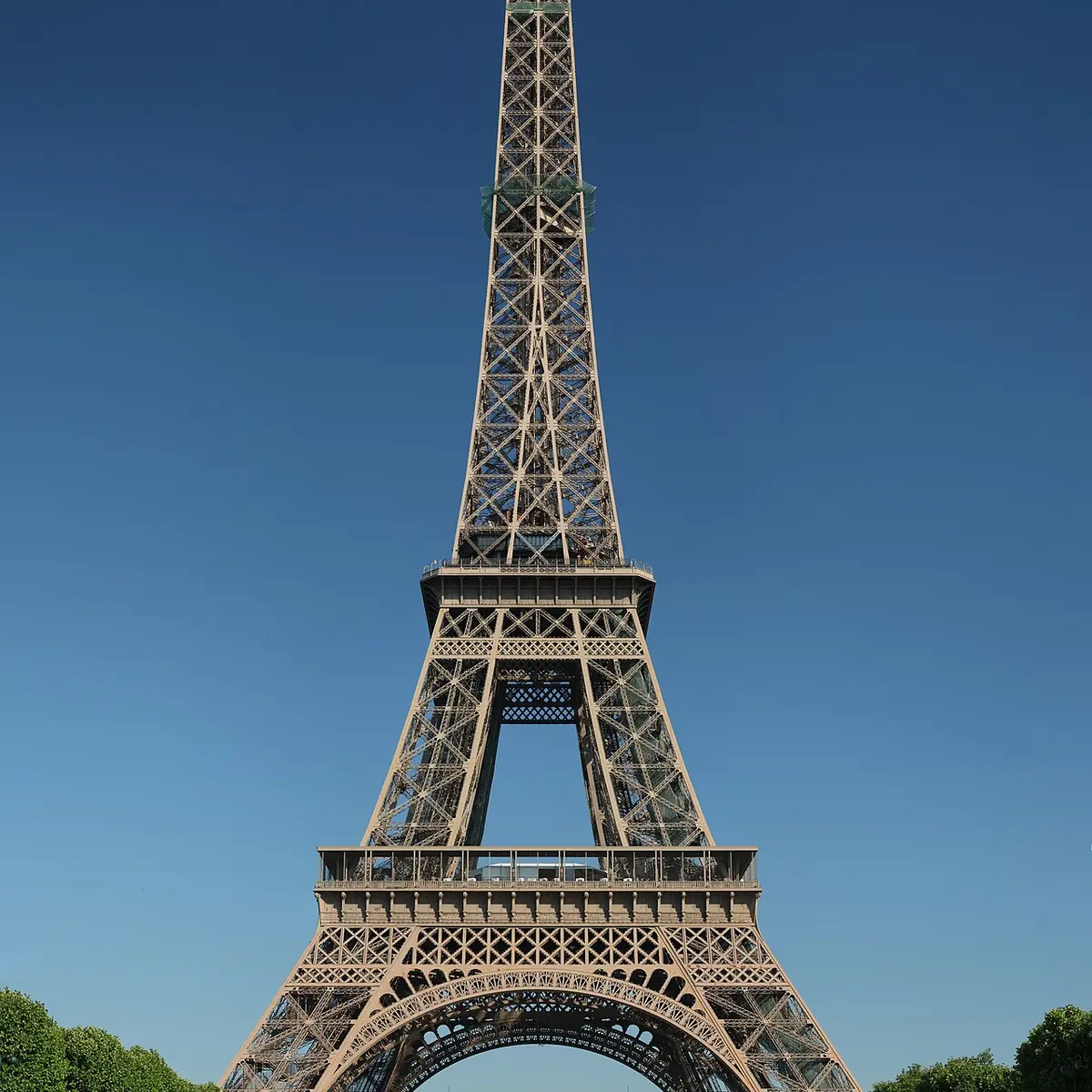
iBenh LIEU SONG (Public domain) Tour Eiffel
famous landmarks
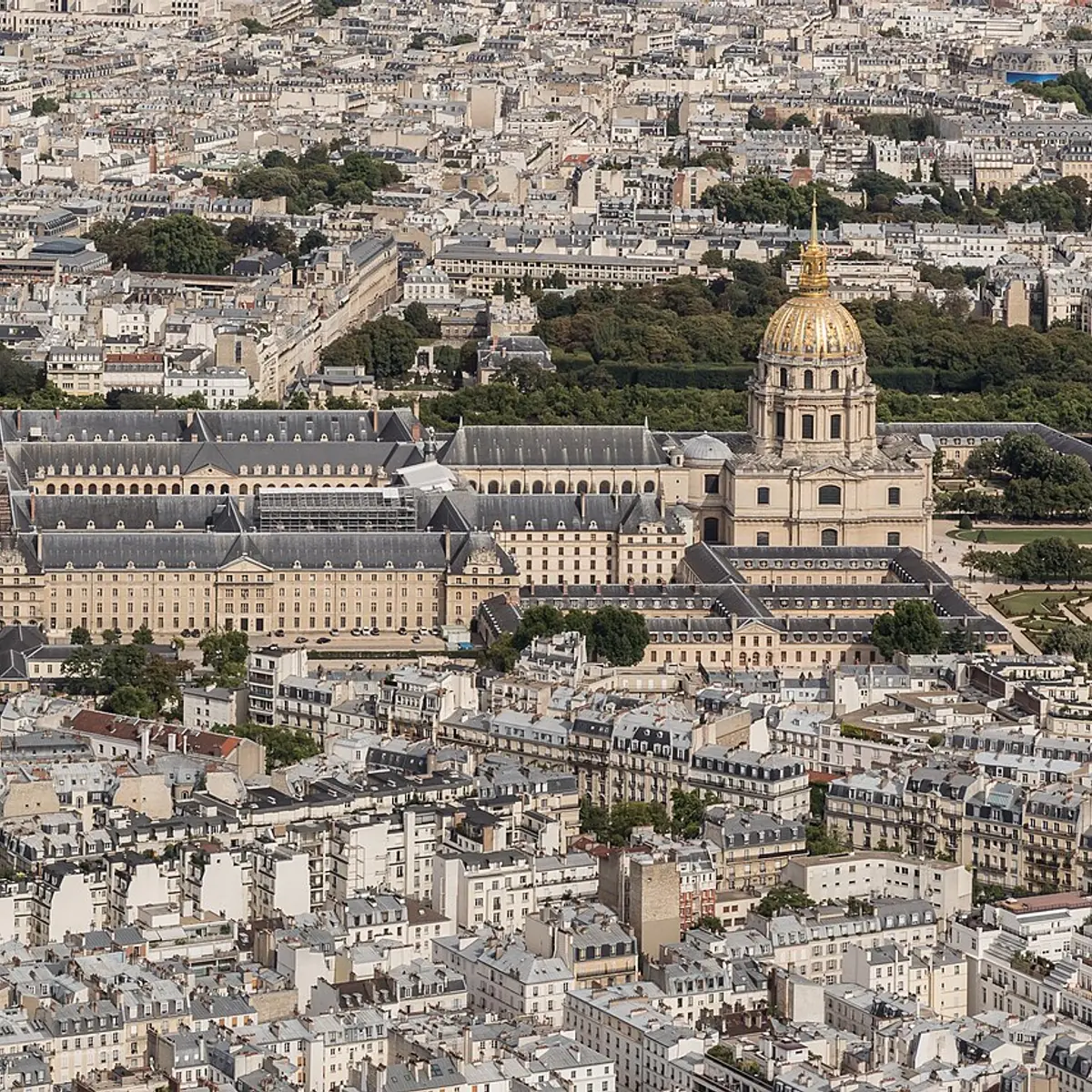
iAnother one of my pictures: This photograph was taken by Medium69 (William Crochot) and released under the license stated below. You are free to use it for any purpose as long as you credit the author (William Crochot), the Source (Wikimedia Commons) and the license (CC-BY-SA 4.0) in close relation to the image. Please do not upload an updated image here without consultation with the Author. The author would like to make corrections only at his own source RAW. This ensures that the changes are preserved.Please if you think that any changes should be required, please inform the author.Otherwise you can upload a new image with a new name. Please use one of the templates derivative or extract. (CC BY-SA 4.0) Hôtel des Invalides
history
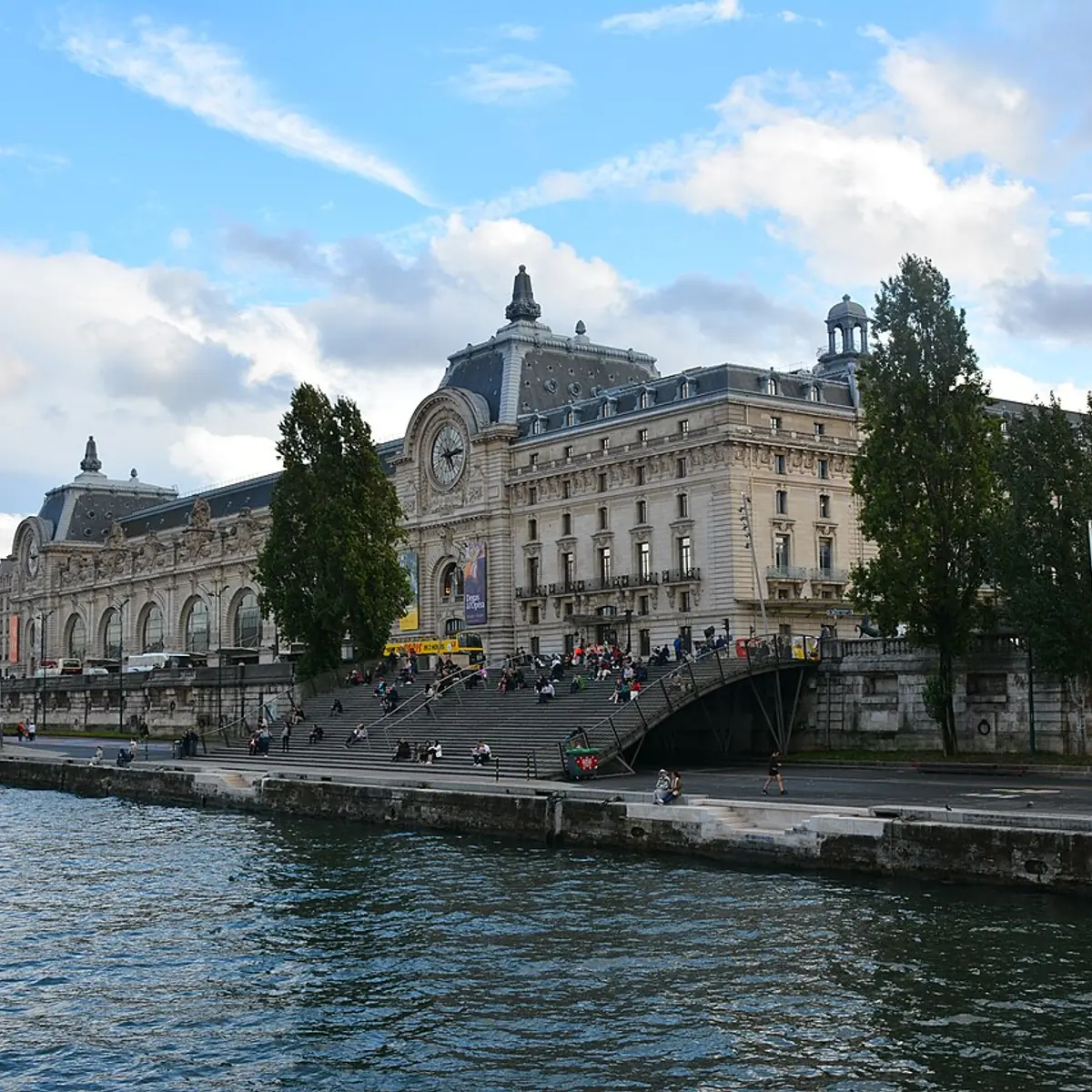
iCheng-en Cheng from Taichung City, Taiwan (CC BY-SA 2.0) Musée d'Orsay
culture
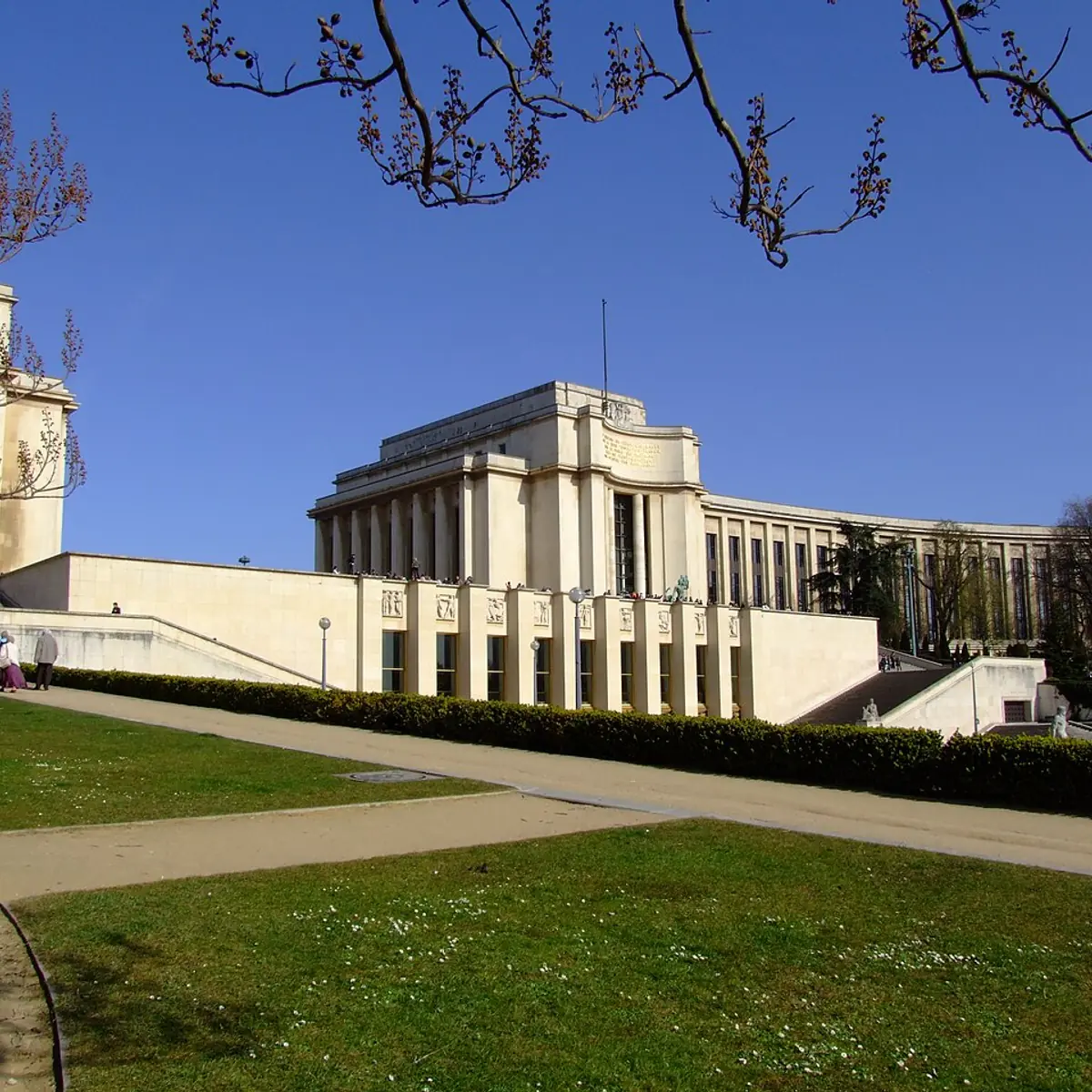
iAlfvanBeem (CC0) Palais de Chaillot
history