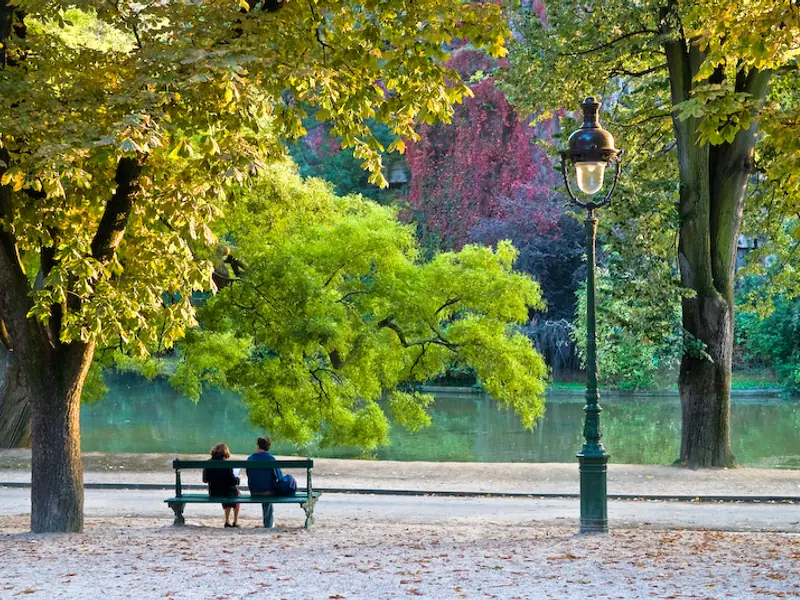

Parc des Buttes-Chaumont, Paris
Parc des Buttes-Chaumont is a public park shaped as an unexpected mountain landscape in northeastern Paris. Its most recognisable feature is the Temple de la Sibylle, a small Roman-inspired temple perched on Belvedere Island, above an artificial lake and a dramatic cliff. The temple was designed by Gabriel Davioud and completed in 1867, taking its inspiration from the ancient Temple of Vesta at Tivoli in Italy.
The park covers 24.7 hectares and opened on 1 April 1867, during the final years of Napoleon III's reign. Adolphe Alphand directed its creation, with the landscape gardeners Jean-Pierre Barillet-Deschamps and Édouard André contributing to the design. What looks like rugged nature is a carefully remade former quarry: workers shaped cliffs, a grotto, rocky pinnacles and a waterfall, using pumps to lift water from the Ourcq canal.
The site's earlier history is startling. Before becoming a park, it held the Gibbet of Montfaucon, where executed criminals' bodies were displayed until 1760; after the Revolution, the ground became an open-air refuse dump and a place for sewage and horse carcasses. Look at the lake crossings: one is a 63-metre suspension bridge designed by Gustave Eiffel. The park's theatrical landscape turns a harsh industrial and penal site into a scene of cliffs, water and ornamental architecture.
More places in Paris
See everything in Paris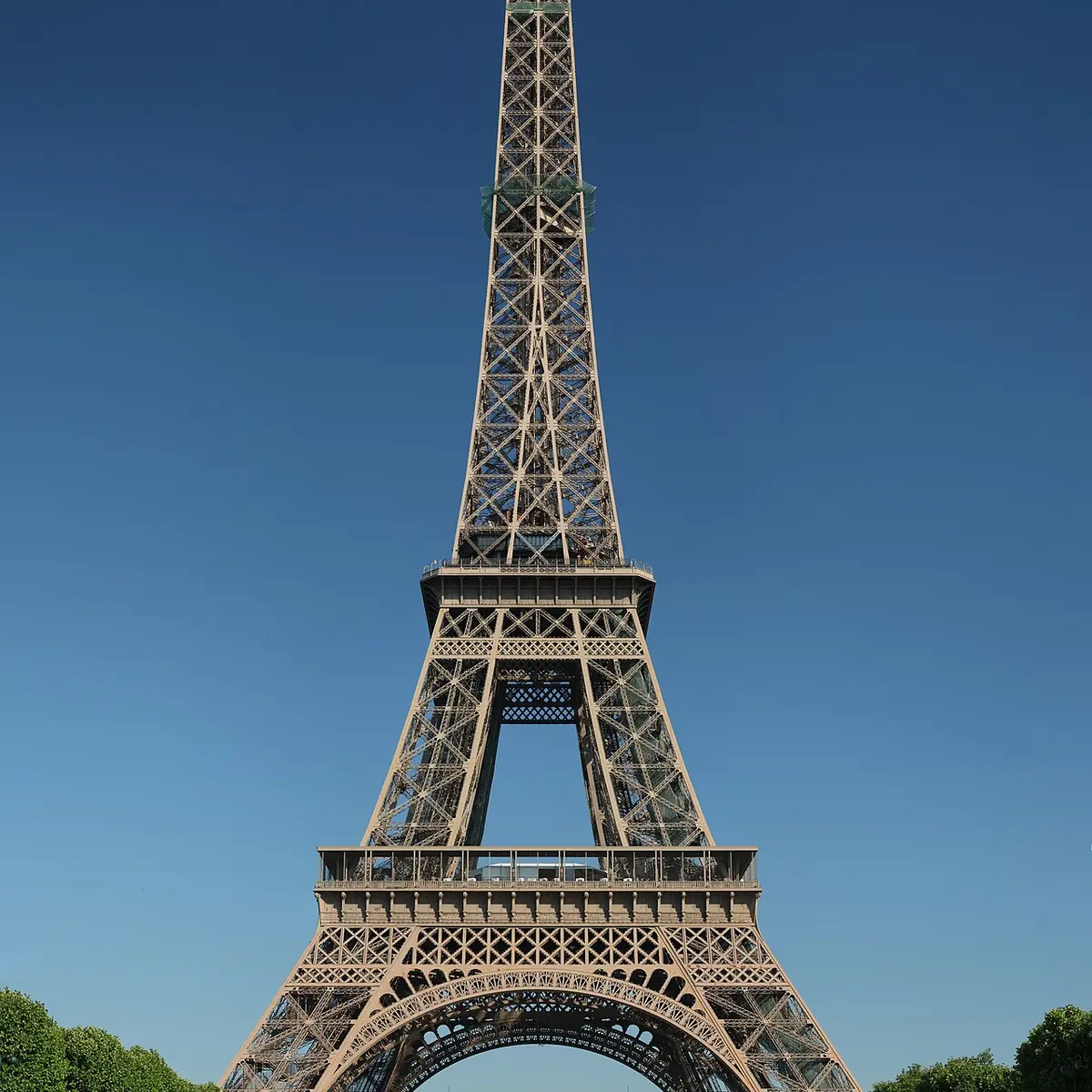
iBenh LIEU SONG (Public domain) Tour Eiffel
famous landmarks
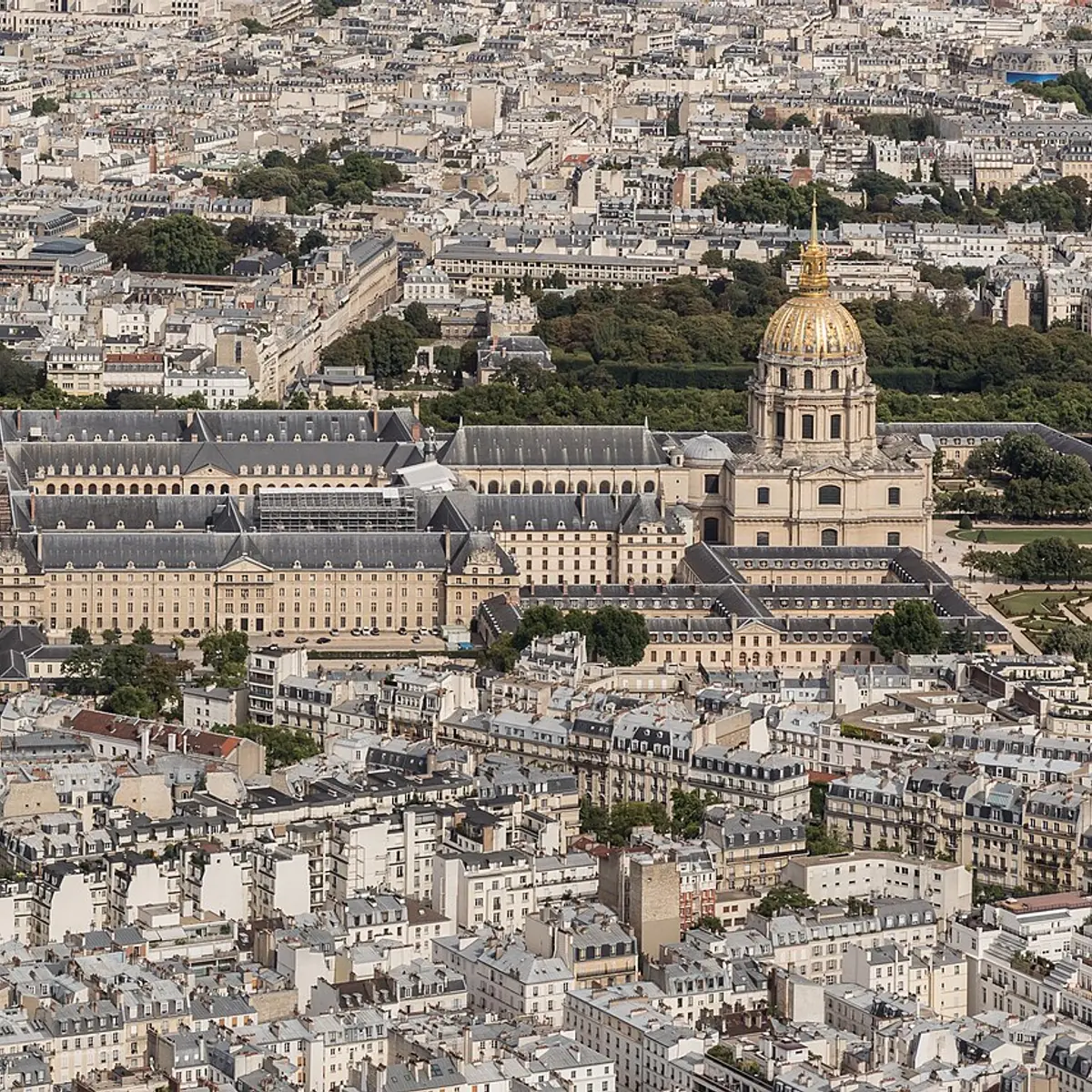
iAnother one of my pictures: This photograph was taken by Medium69 (William Crochot) and released under the license stated below. You are free to use it for any purpose as long as you credit the author (William Crochot), the Source (Wikimedia Commons) and the license (CC-BY-SA 4.0) in close relation to the image. Please do not upload an updated image here without consultation with the Author. The author would like to make corrections only at his own source RAW. This ensures that the changes are preserved.Please if you think that any changes should be required, please inform the author.Otherwise you can upload a new image with a new name. Please use one of the templates derivative or extract. (CC BY-SA 4.0) Hôtel des Invalides
history
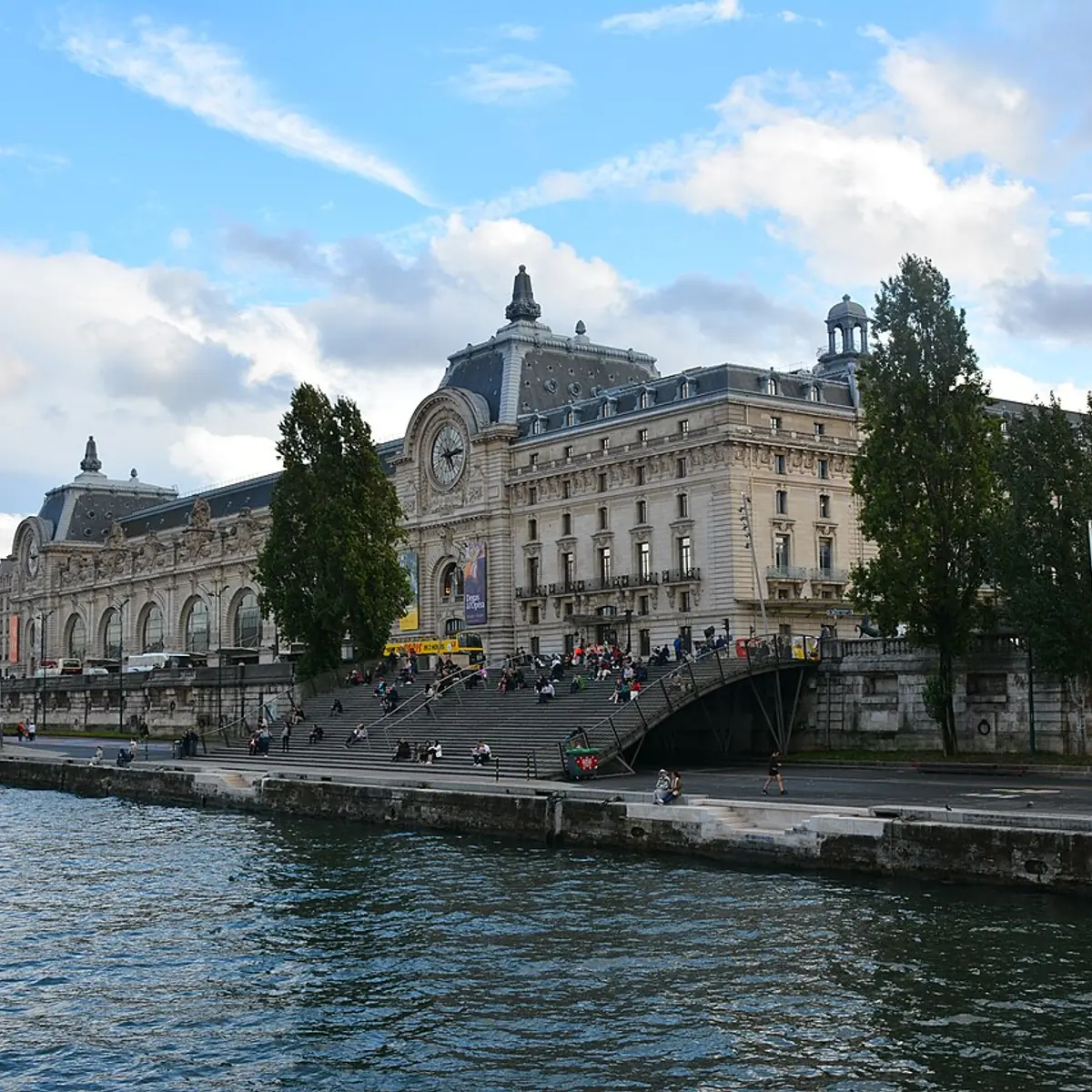
iCheng-en Cheng from Taichung City, Taiwan (CC BY-SA 2.0) Musée d'Orsay
culture
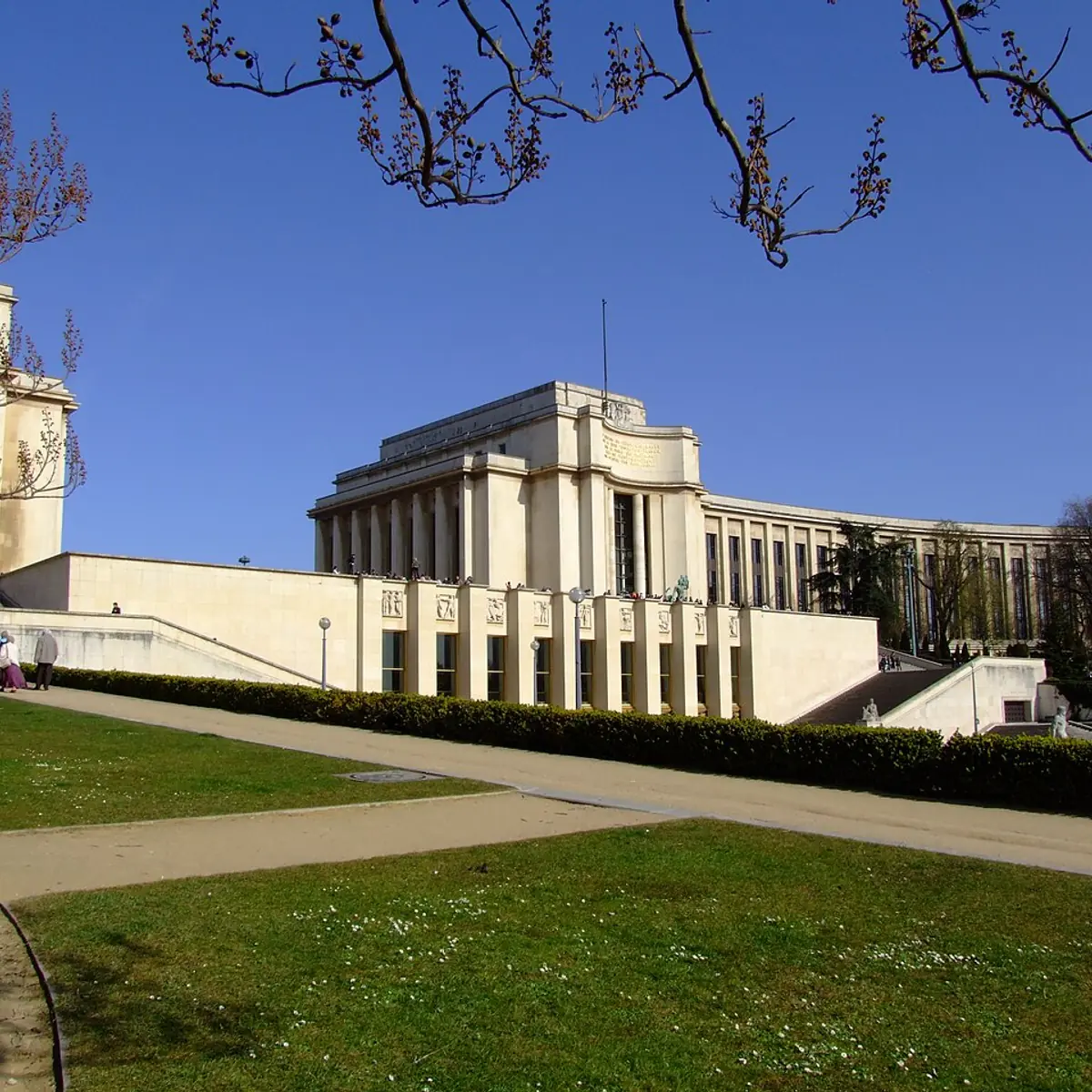
iAlfvanBeem (CC0) Palais de Chaillot
history