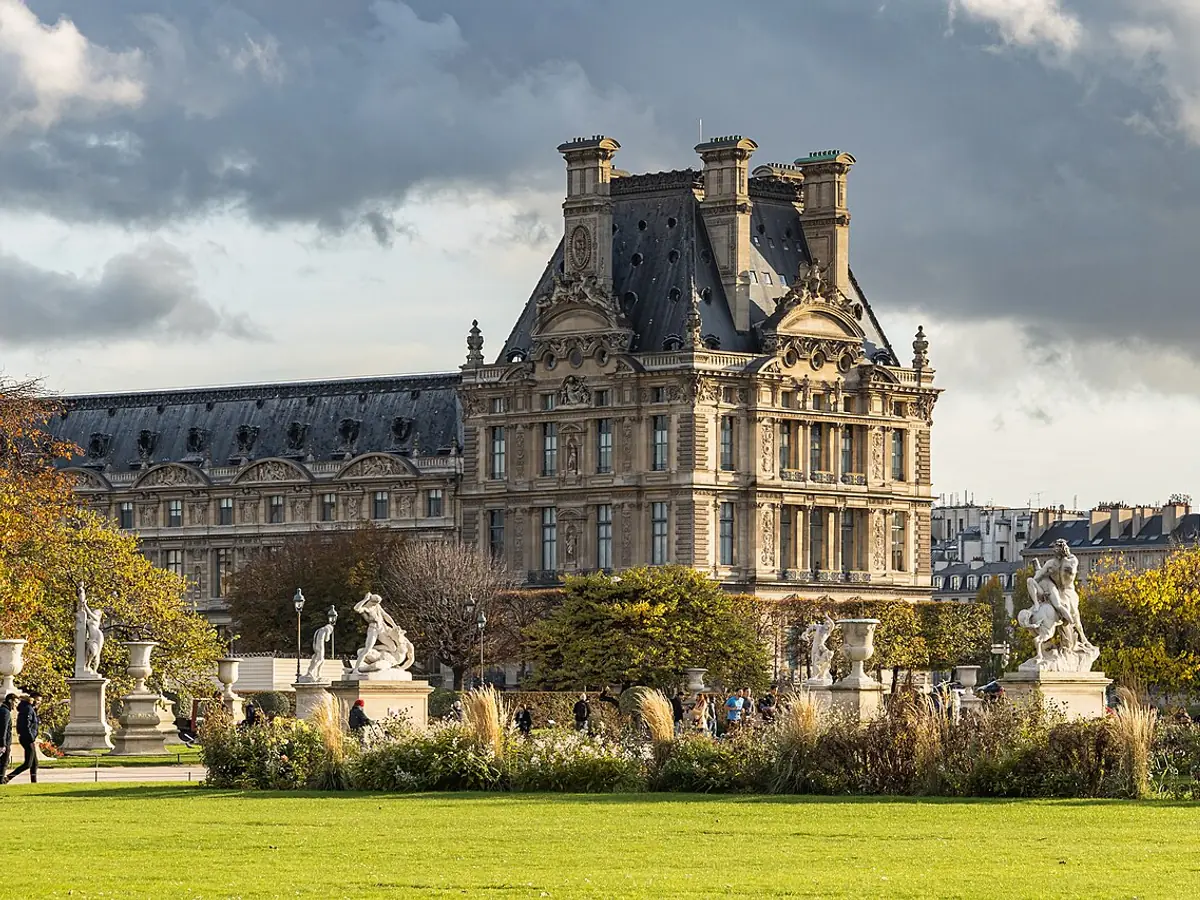

Palais du Louvre, Paris
The Louvre Palace is the monumental palace spread around these courtyards, and the Louvre Museum now occupies most of it. Its story begins as a defensive castle built in 1190, guarding Paris beside the Seine. Over centuries, that fortress became a royal residence and then a vast palace, with work shaped by Pierre Lescot, Louis Le Vau, Jacques Lemercier, Hector-Martin Lefuel, and Ieoh Ming Pei.
The oldest surviving section above ground is the Lescot Wing, created during the transformation of the medieval stronghold into a Renaissance palace. The museum opened here in 1793, turning royal collections into a public institution. The glass Louvre Pyramid now marks the heart of the Cour Napoléon, the courtyard visible among these long façades, and it belongs to the late twentieth-century reshaping of the complex.
Look at the palace as a whole: its architecture gathers several centuries rather than presenting a single design, from French Renaissance work to modern intervention. What you see is therefore both former seat of monarchy and working museum, with the building itself carrying the record of that change.
More places in Paris
See everything in Paris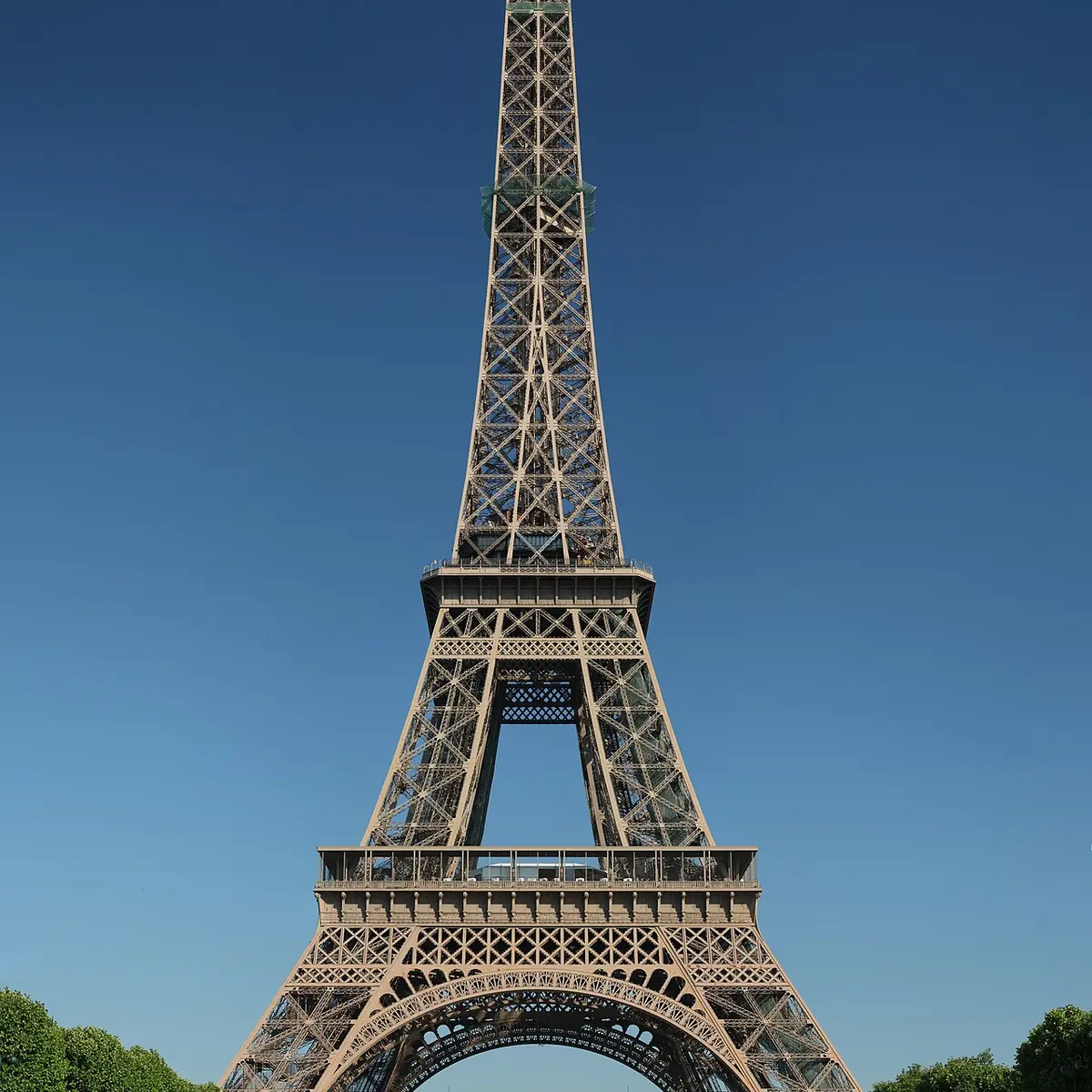
iBenh LIEU SONG (Public domain) Tour Eiffel
famous landmarks
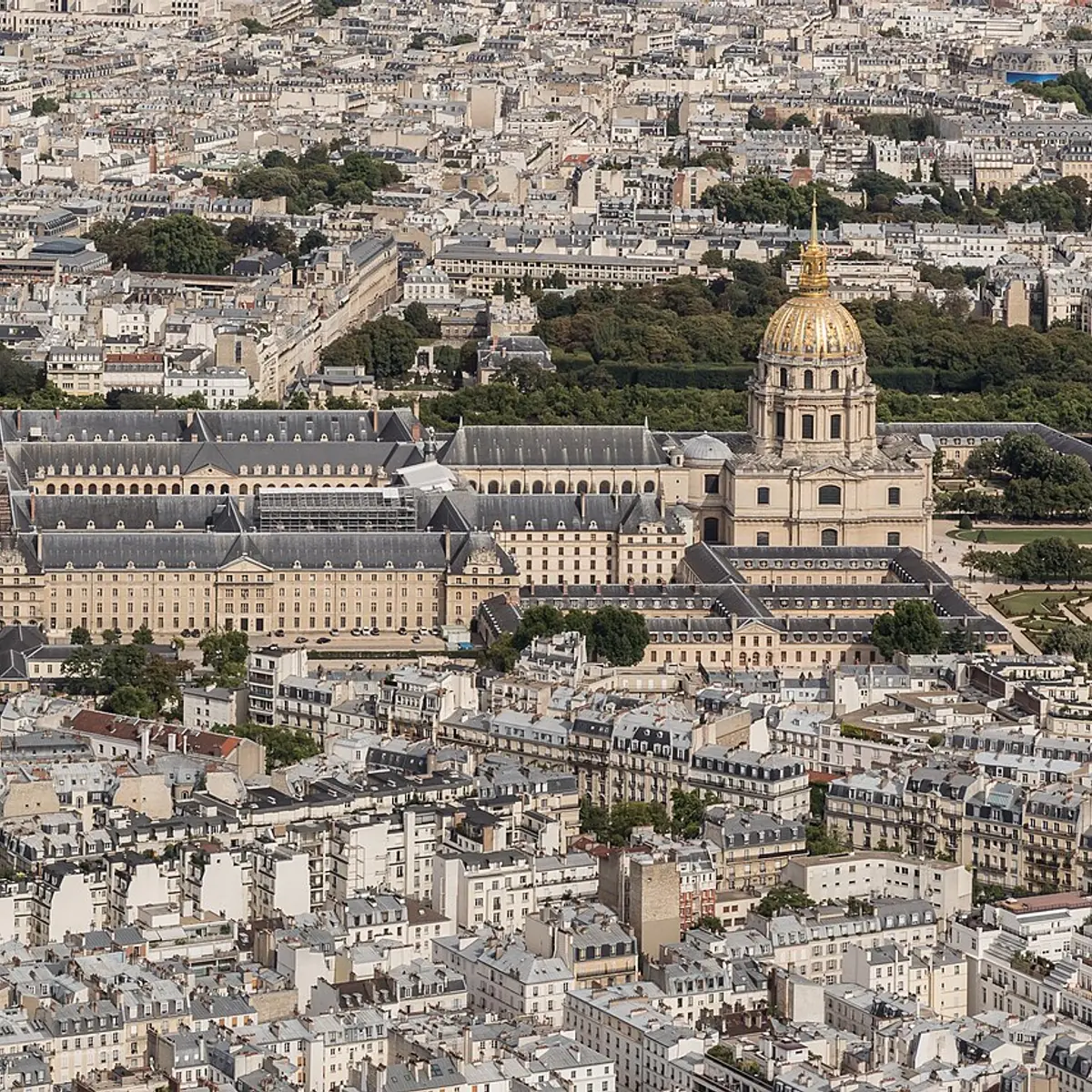
iAnother one of my pictures: This photograph was taken by Medium69 (William Crochot) and released under the license stated below. You are free to use it for any purpose as long as you credit the author (William Crochot), the Source (Wikimedia Commons) and the license (CC-BY-SA 4.0) in close relation to the image. Please do not upload an updated image here without consultation with the Author. The author would like to make corrections only at his own source RAW. This ensures that the changes are preserved.Please if you think that any changes should be required, please inform the author.Otherwise you can upload a new image with a new name. Please use one of the templates derivative or extract. (CC BY-SA 4.0) Hôtel des Invalides
history
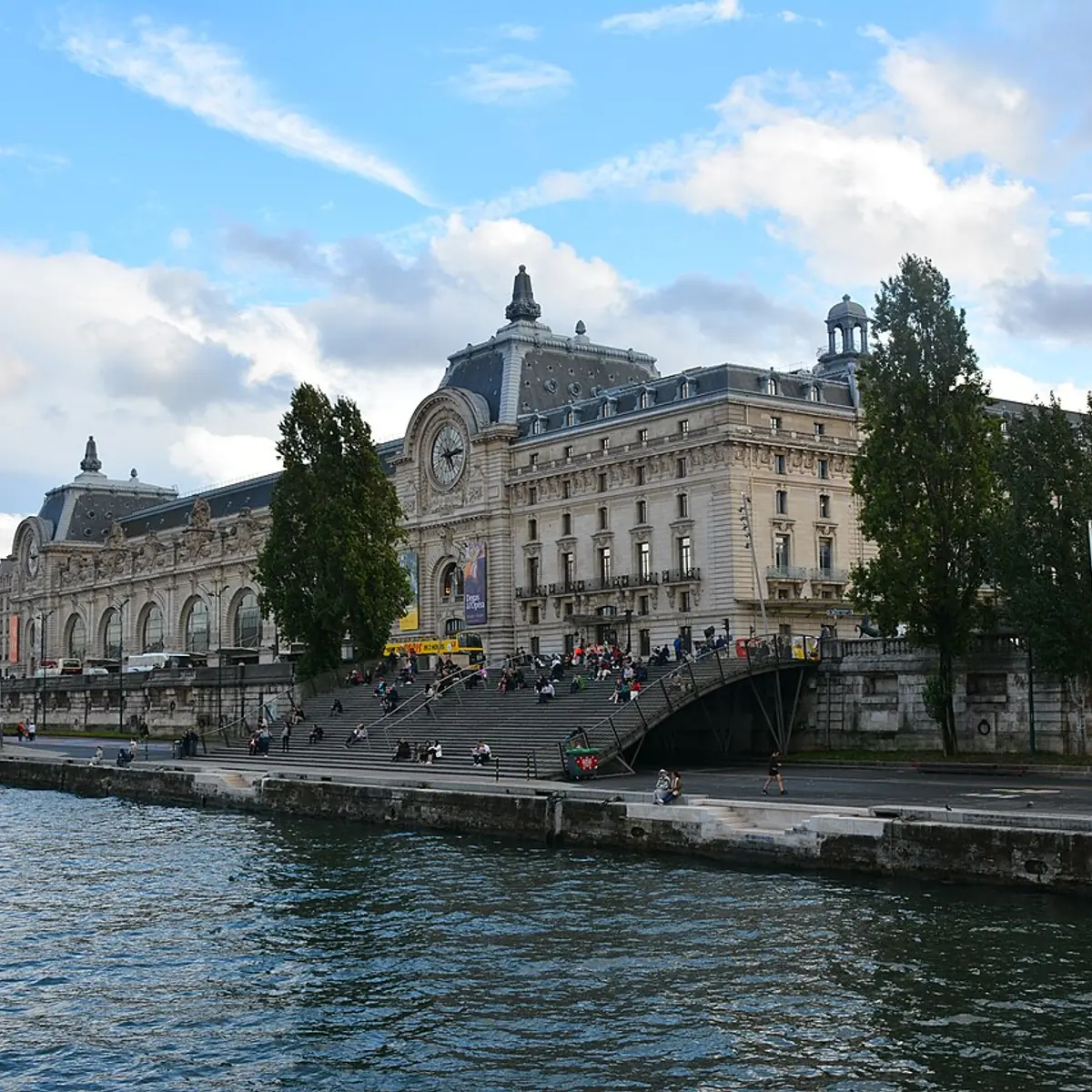
iCheng-en Cheng from Taichung City, Taiwan (CC BY-SA 2.0) Musée d'Orsay
culture
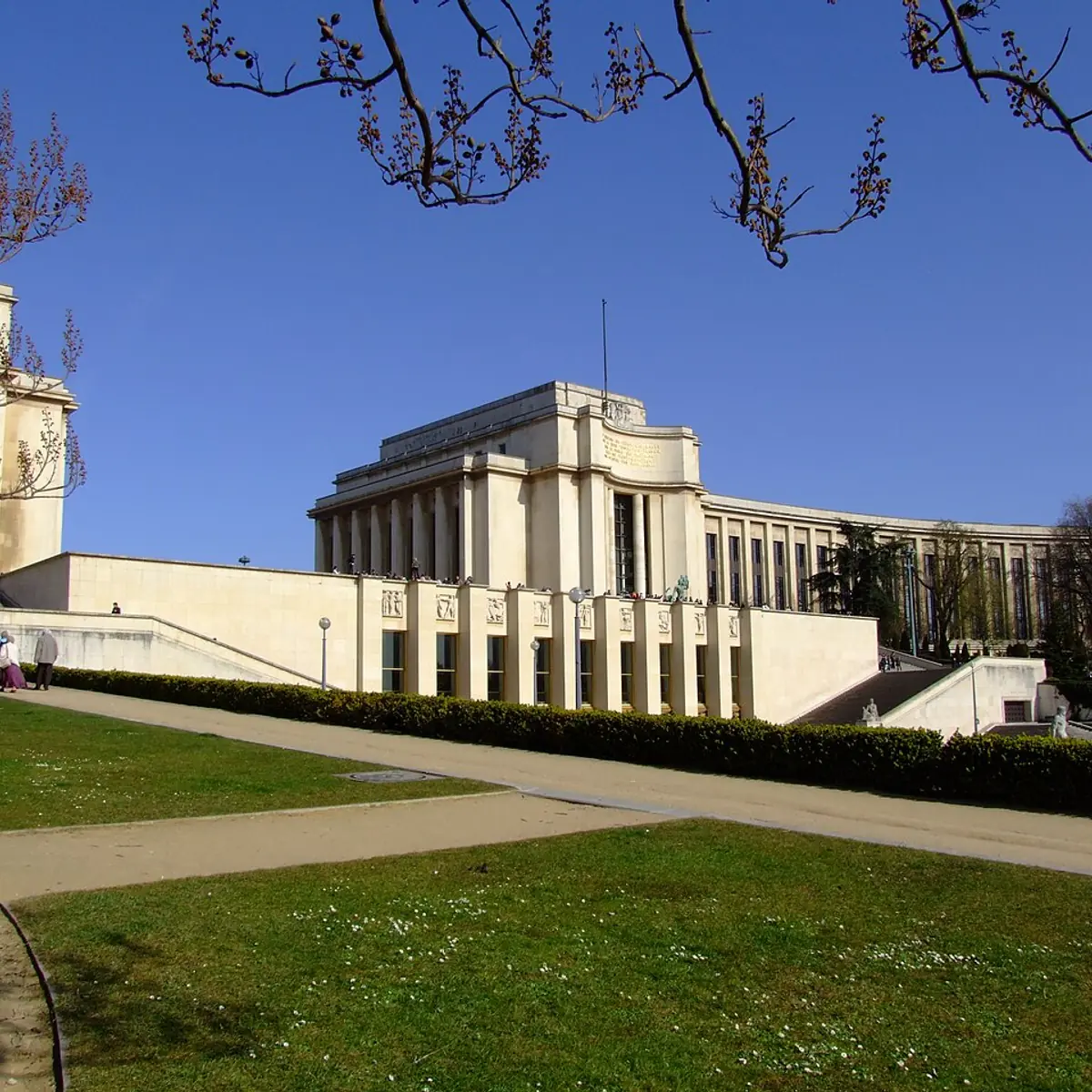
iAlfvanBeem (CC0) Palais de Chaillot
history