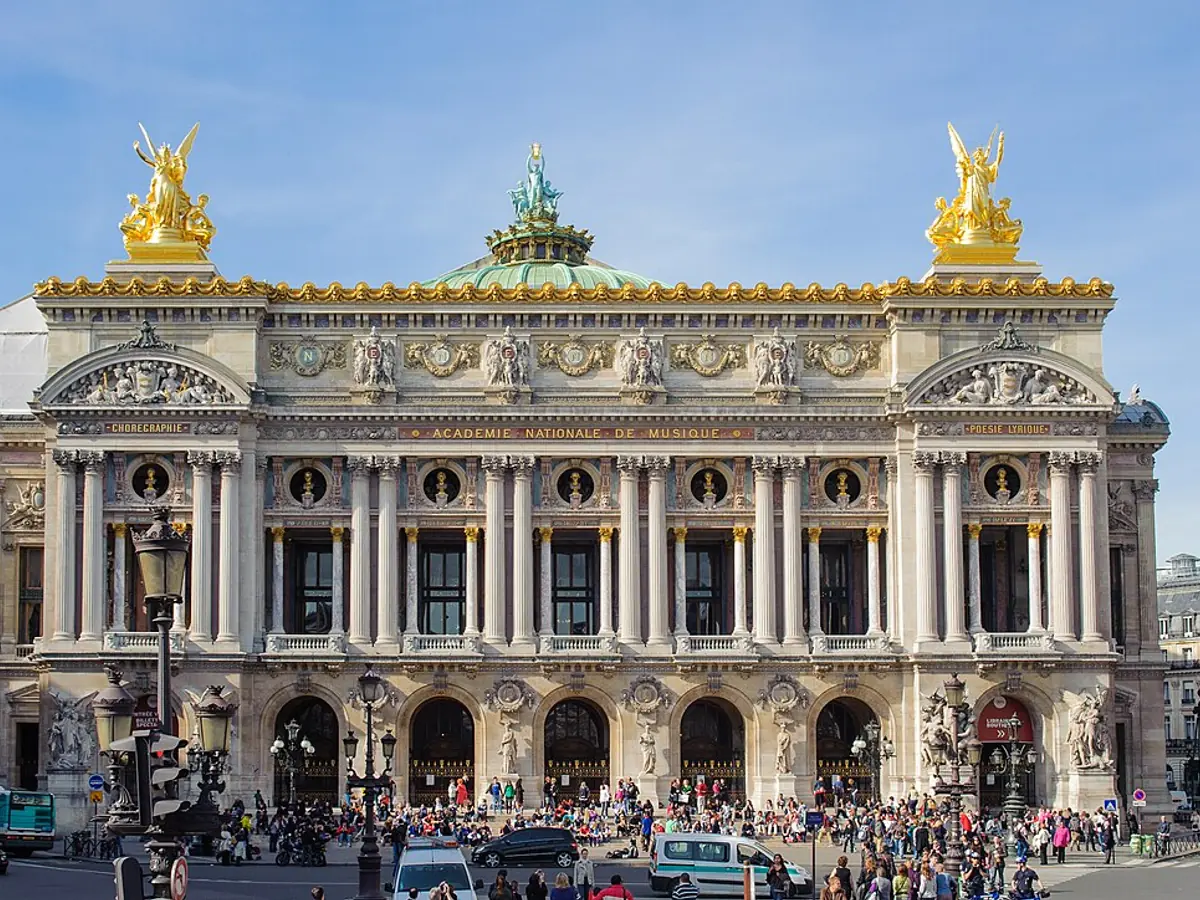

Opéra Garnier, Paris
Opéra Garnier is the historic opera house before you, designed by Charles Garnier for Paris. Its scale is part of the spectacle: it holds 1,979 seats and was built from 1861 to 1875 at Napoleon III’s request. Look across the principal façade, where marble, stone, sculpture, and gilded metal create an extravagant architectural display.
The building brings together the Second Empire, Beaux-Arts, and eclectic traditions, with decoration intended to fill the structure with theatrical richness. Garnier’s design won a public competition, and the theatre opened in 1875. Its name honours the architect whose plans gave the building its character.
The opera served as the main home of the Paris Opera and its ballet company until 1989; today, the building is used mainly for ballet. Its fame also reaches beyond performance: Gaston Leroux’s 1910 novel The Phantom of the Opera used it as a setting, helping turn the building into a global cultural image. Notice the sculpted figures and the gilded masks along the façade, which make the exterior feel less like a quiet shell than a stage curtain held open. The theatre has held protected historic-monument status in France since 1923.
More places in Paris
See everything in Paris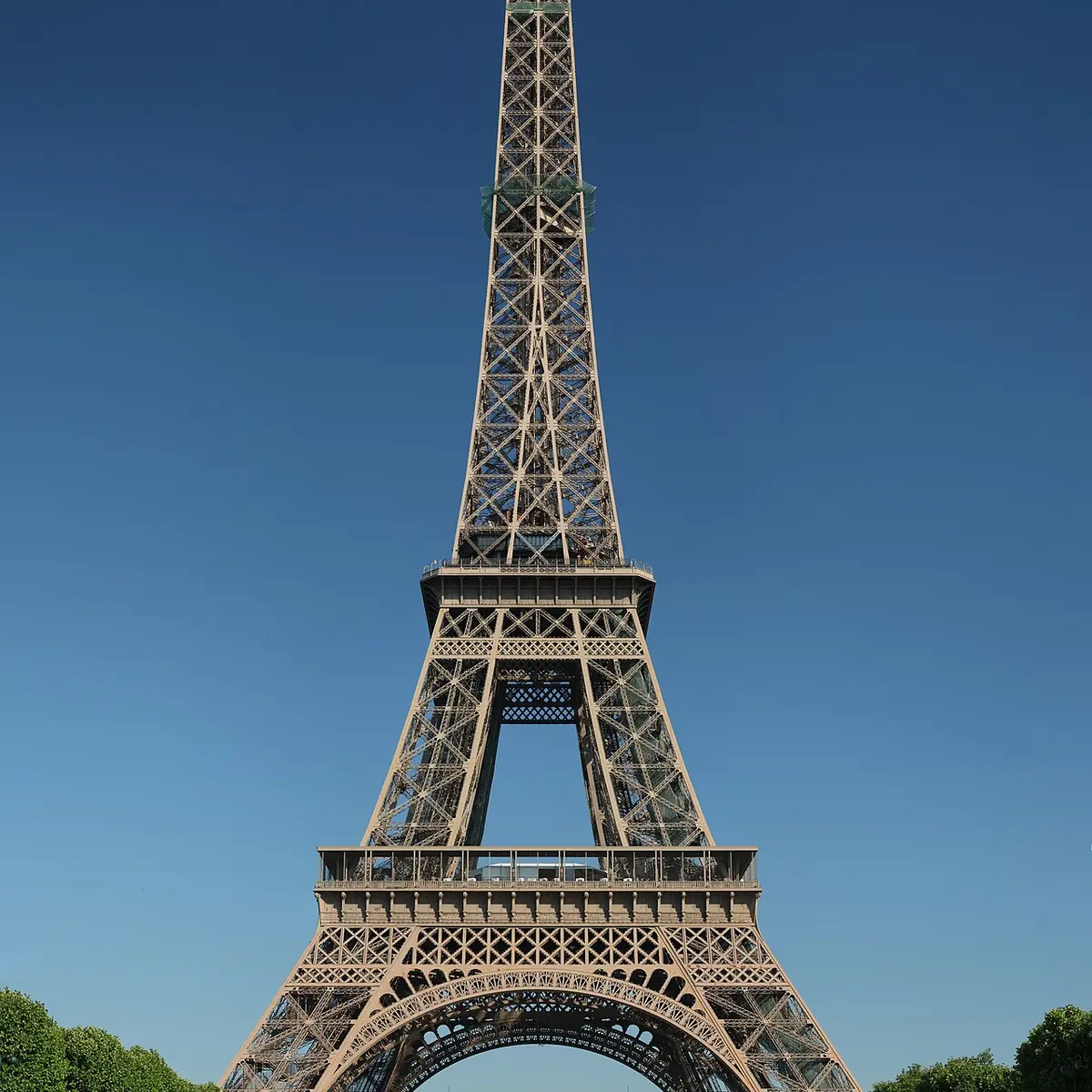
iBenh LIEU SONG (Public domain) Tour Eiffel
famous landmarks
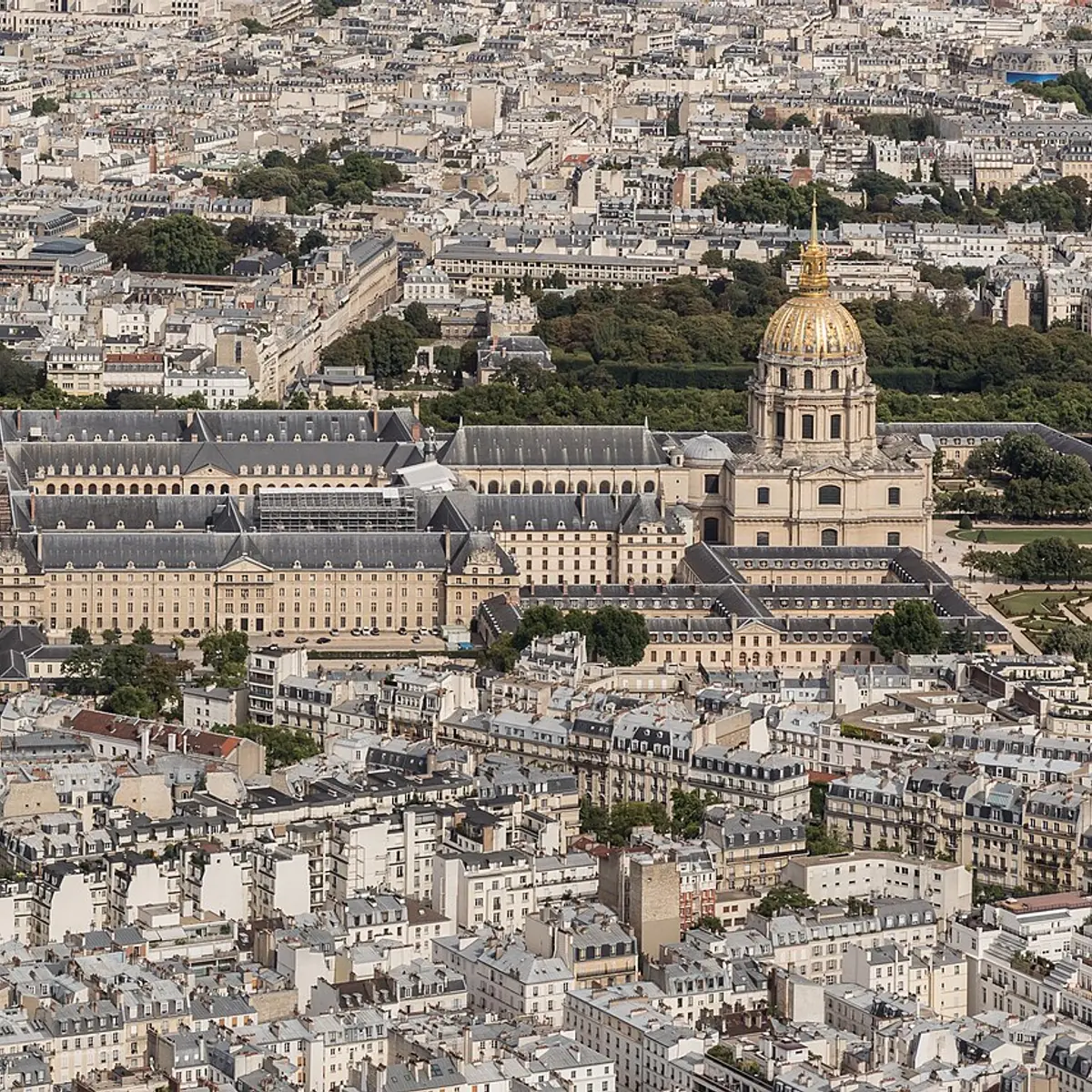
iAnother one of my pictures: This photograph was taken by Medium69 (William Crochot) and released under the license stated below. You are free to use it for any purpose as long as you credit the author (William Crochot), the Source (Wikimedia Commons) and the license (CC-BY-SA 4.0) in close relation to the image. Please do not upload an updated image here without consultation with the Author. The author would like to make corrections only at his own source RAW. This ensures that the changes are preserved.Please if you think that any changes should be required, please inform the author.Otherwise you can upload a new image with a new name. Please use one of the templates derivative or extract. (CC BY-SA 4.0) Hôtel des Invalides
history
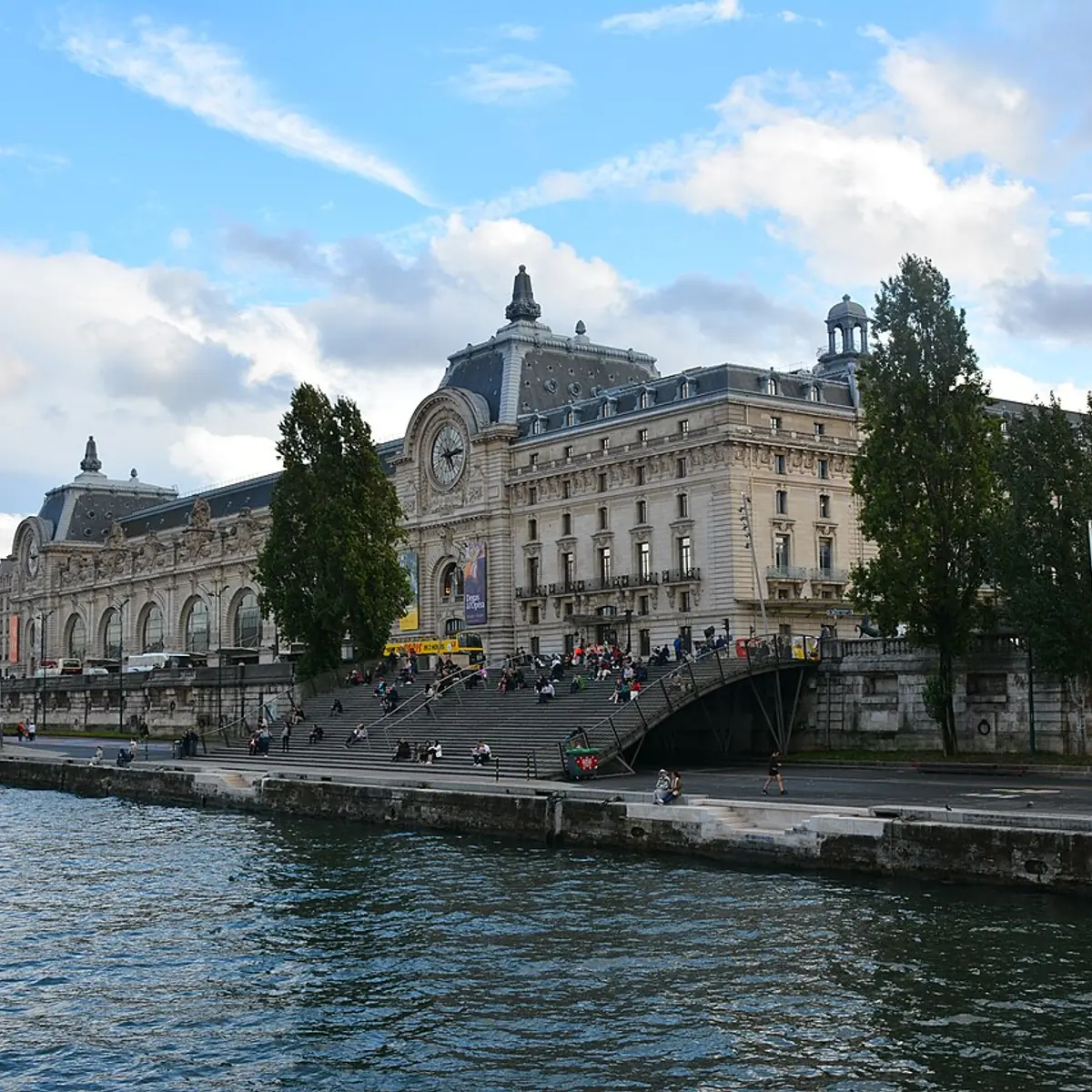
iCheng-en Cheng from Taichung City, Taiwan (CC BY-SA 2.0) Musée d'Orsay
culture
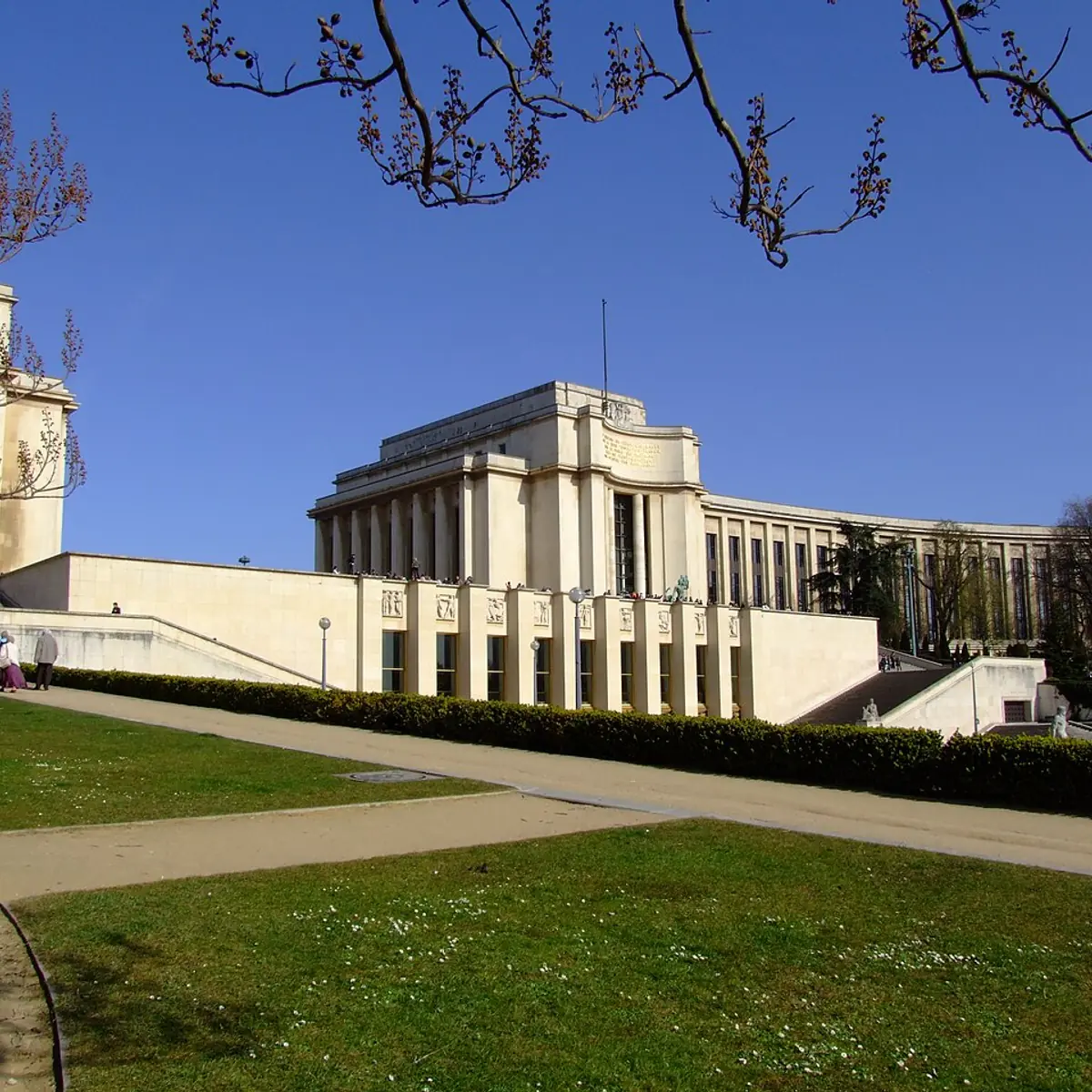
iAlfvanBeem (CC0) Palais de Chaillot
history