National Botanic Gardens, Dublin
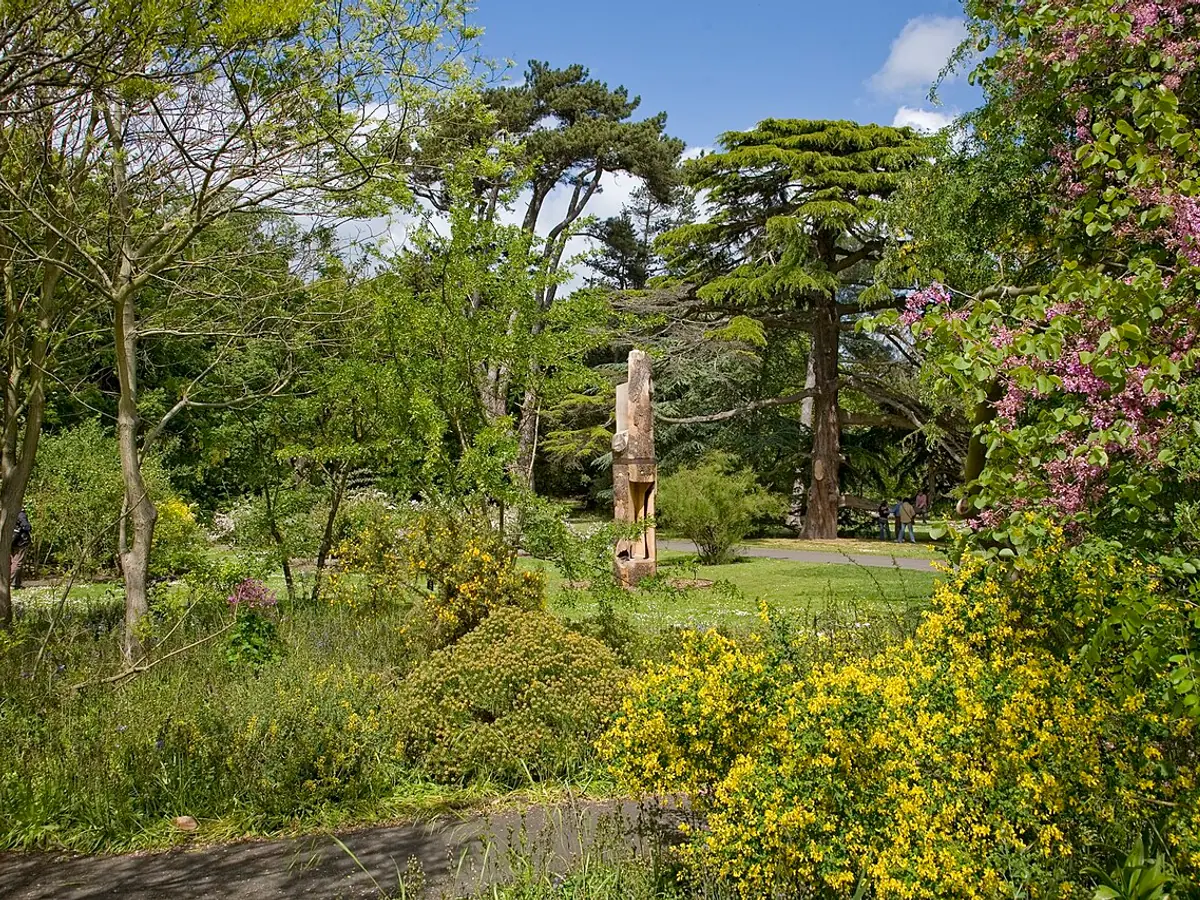
The National Botanic Gardens is a living collection and a place of plant research, spread across 19.5 hectares in Glasnevin between Glasnevin Cemetery and the River Tolka. Notice the elegant glasshouses: the Palm House and the Curvilinear Range are among the gardens’ architecturally important structures. The gardens began in 1795, established by the Dublin Society to develop knowledge of plants useful in farming, medicine and dyeing.
They now hold approximately 20,000 living plants, alongside many millions of dried specimens. The National Herbarium is here too, with a museum collection containing about 20,000 samples of plant products gathered across the gardens’ history. The Palm House carries an especially dramatic story.
Its earlier wooden structure was destroyed by heavy gales in 1883, after which a stronger iron building was constructed. During restoration, the entire house was taken apart into more than 7,000 labelled pieces, and it reopened in 2004 after replanting. Its tropical interior is a reminder that this is both a public garden and a working centre for conservation, horticultural research and training. In the winter of 1948 and 1949, Ludwig Wittgenstein regularly came to the Palm House to sit and write; a plaque marks the steps where he worked.