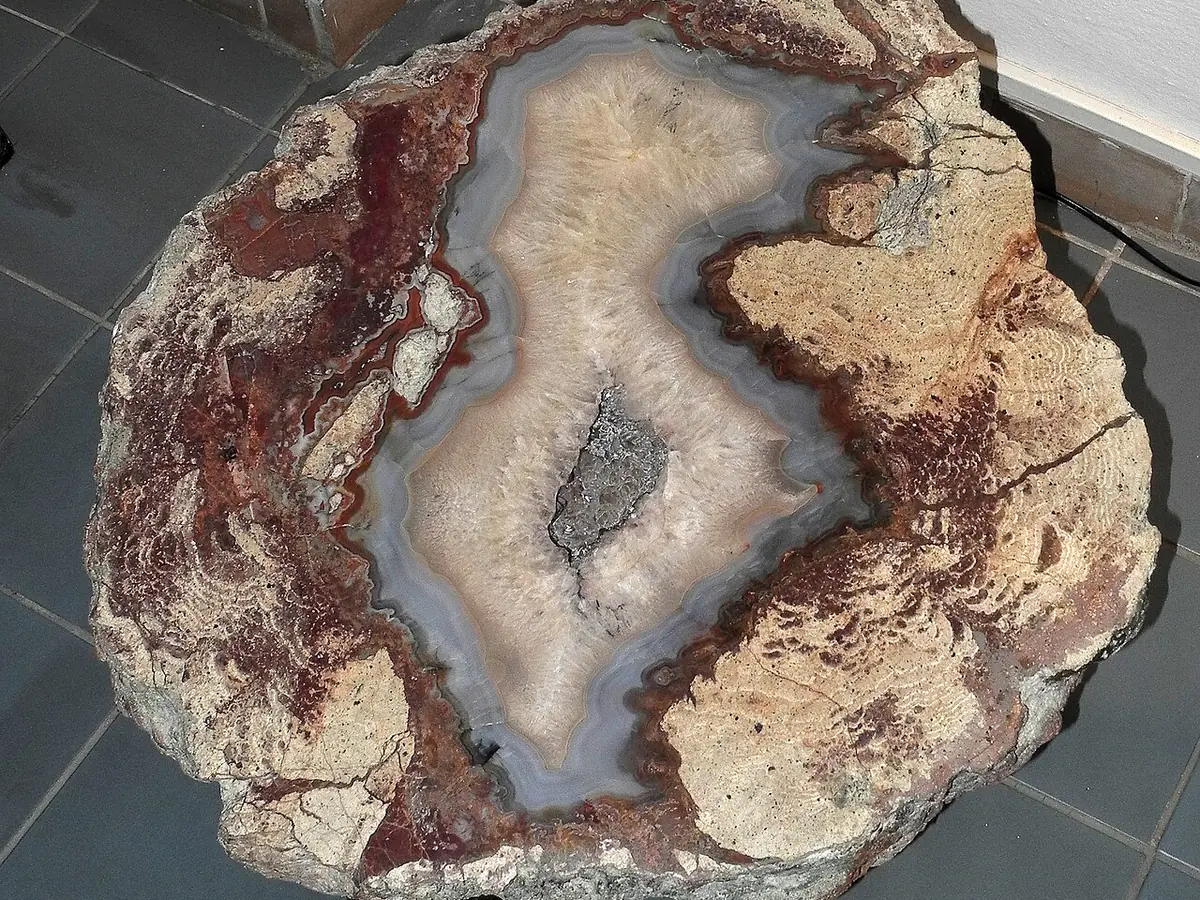
Muzeum Mineralogiczne, Wrocław
This is the Cybulskiego branch of Wrocław’s Mineralogical Museum, part of the University of Wrocław’s Institute of Geological Sciences. Its collection grows from a mineral cabinet created in eighteen twelve, then from the university museum that operated until the war’s end. Early on, the cabinet owned little itself: many specimens belonged to its successive directors and departed with them.
Ferdinand Roemer changed that, enlarging the permanent holdings and moving the department into a purpose-built home during the nineteenth century. The collection faced its most dramatic journey as the siege approached. Director Kurt Spangenberg arranged for much of it to leave the city and be concealed in churches at Świerzawa and Strzegom.
After the war, the museum recovered roughly twenty thousand objects; the gemstone collection was the notable loss, having been sent instead to Berlin. Public displays began here in nineteen fifty-two with a small selection of seven hundred specimens. Work led by Kazimierz Maślankiewicz made a fuller mineral display possible, and the museum opened in June nineteen sixty-six; it later took his name.
Today, its holdings exceed thirty thousand mineral specimens, including five holotypes, alongside a substantial rock collection. Think of this place as a cabinet of Earth’s raw ingredients: crystals, structures, and fragments gathered across generations.
Good for
Culture


More places in Wrocław
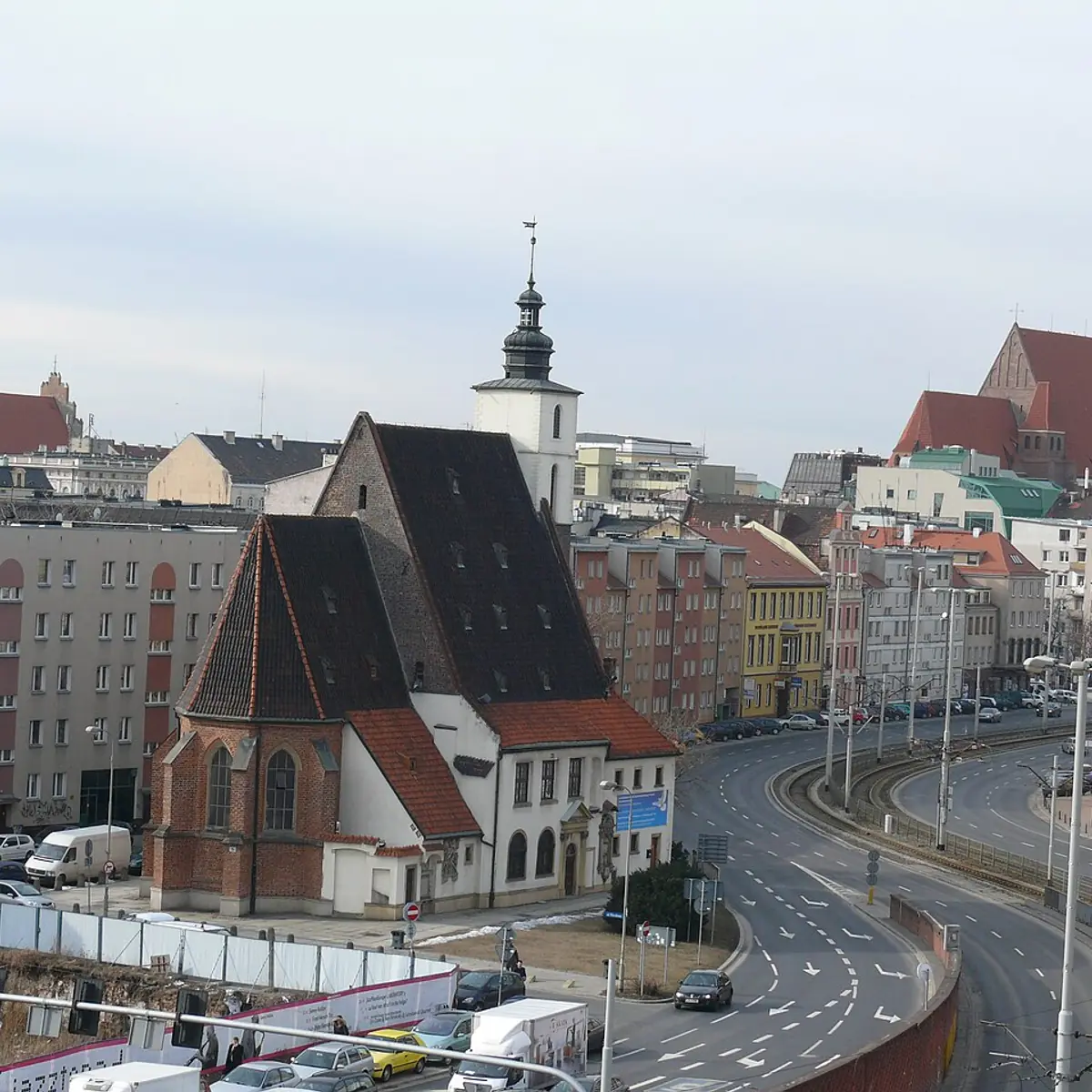
iBasik07 Barbara Wrzesińska (CC BY-SA 3.0 pl) Kościół Świętego Krzysztofa
history
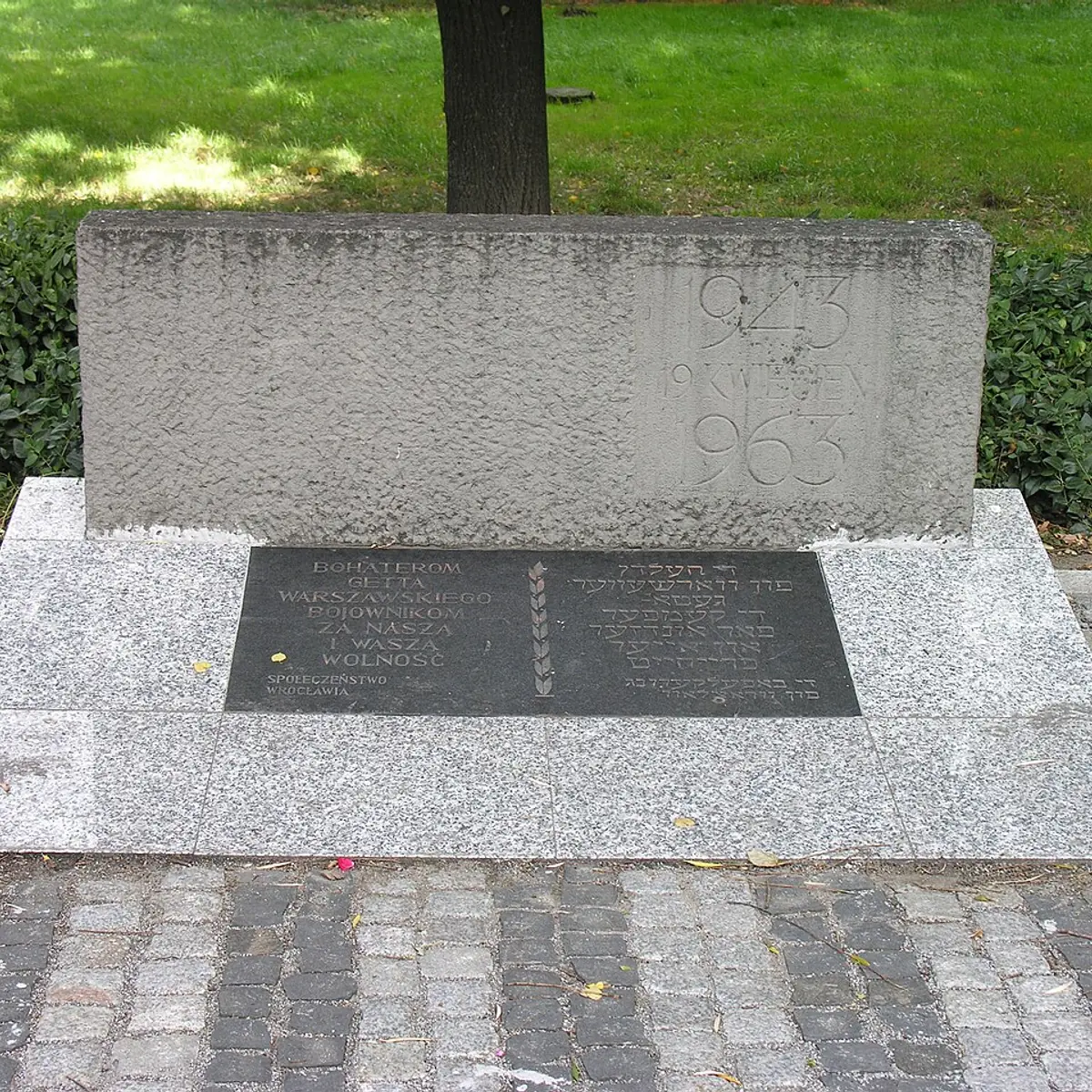
iBonio (CC BY-SA 3.0) Pomnik Bohaterów Getta Warszawskiego
history
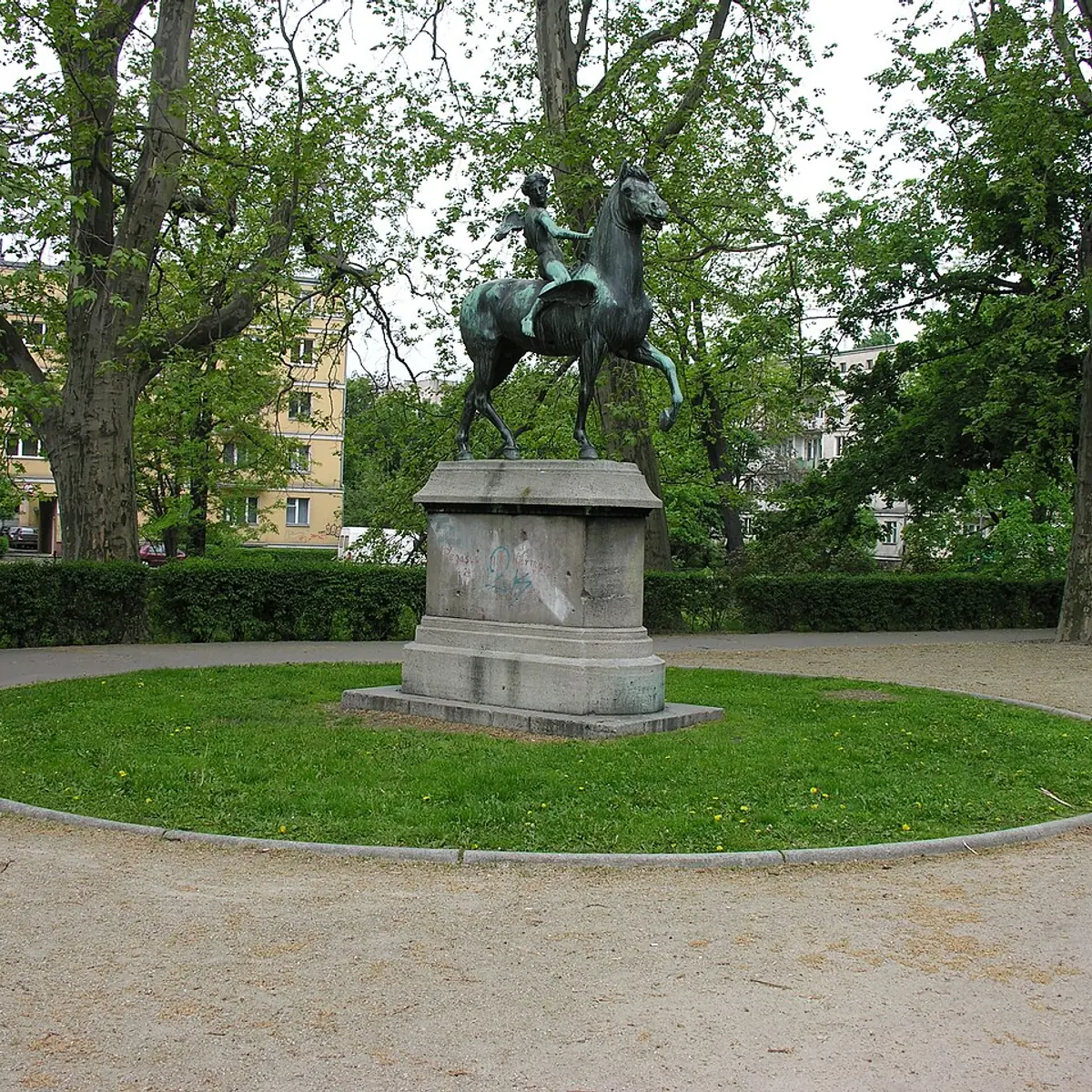
iTheodor von Gosen (CC BY-SA 3.0) Amor na Pegazie
history
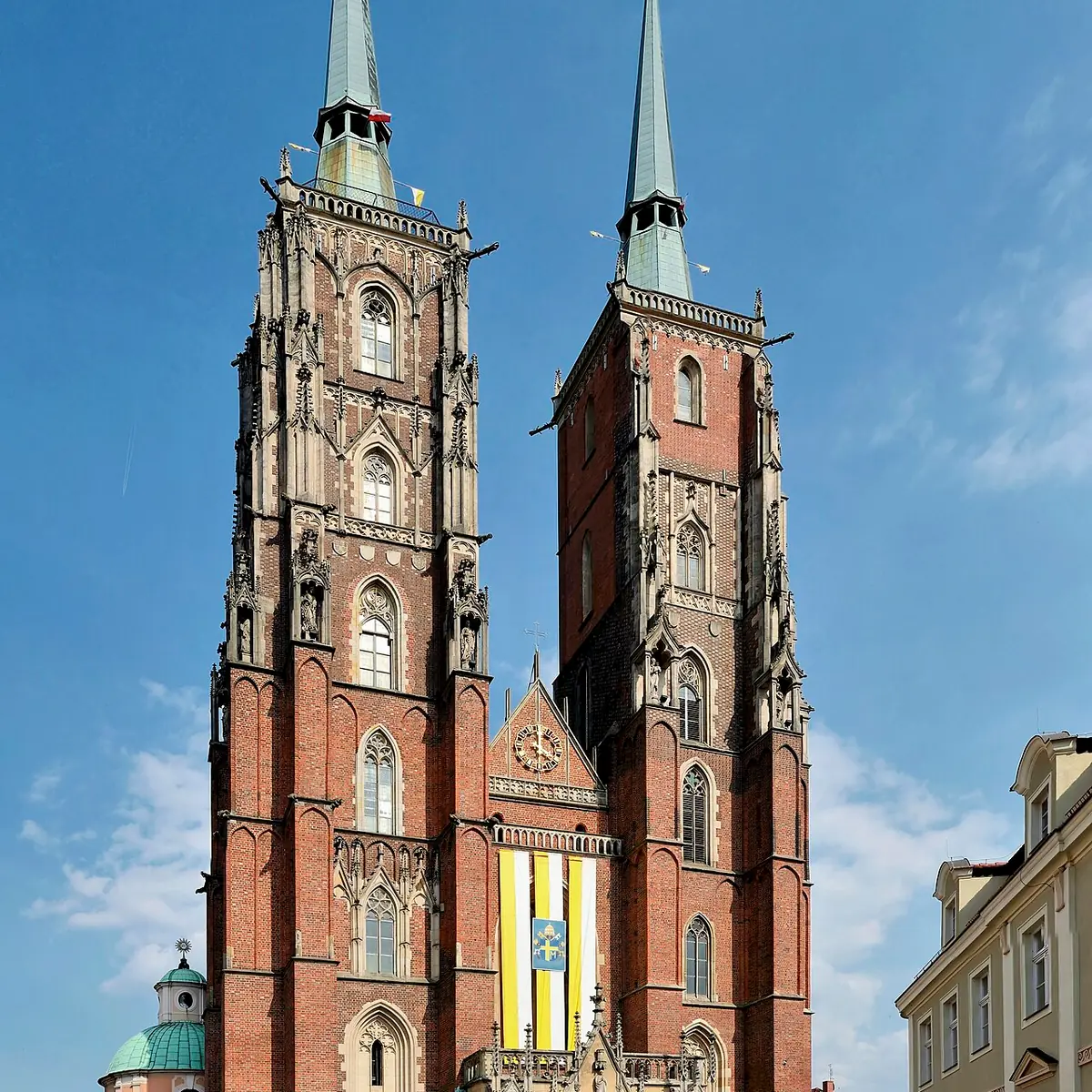
iWrocław - Archikatedra św. Jana Chrzciciela1.jpg derivative work: Hic et nuncTaxiarchos228 derivative work: Hic et nunc (FAL) Archikatedra Świętego Jana Chrzciciela
history