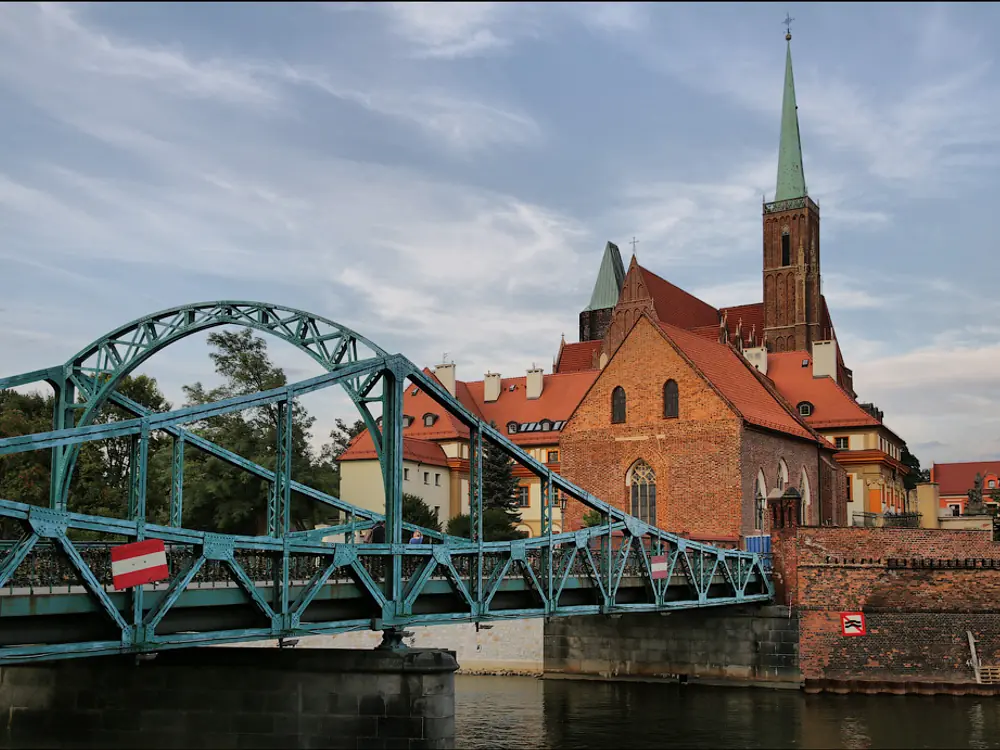
Ostrów Tumski, Wrocław
Ostrów Tumski unfolds beside the Oder as Wrocław’s oldest quarter, a place whose name recalls an island that river channels once enclosed. That island has since been joined to the city by the loss of an old river channel. As you walk along the lane, notice the gas lamps: each evening, a lamplighter still lights them, an uncommon survival in Europe.
Archaeology identifies the ground between St Martin’s Church and Holy Cross Church as the earliest settled stretch here. The Piast dynasty established a wooden stronghold during the tenth century, and St Martin’s Chapel, built at the start of the eleventh century, was the site’s earliest structure made of lasting material. The creation of Wrocław’s bishopric in the year one thousand brought a cathedral to replace a smaller church.
In thirteen fifteen, the whole island passed to church authority, becoming a refuge for people pursued under Wrocław’s secular law. Even rulers had to remove headwear at the boundary by Tumski Bridge. Nicolaus Copernicus served at Holy Cross here for decades, and Giacomo Casanova lodged on the island during his visit to Wrocław.
Good for
History, Architecture, Culture, Weird & unusual


More places in Wrocław
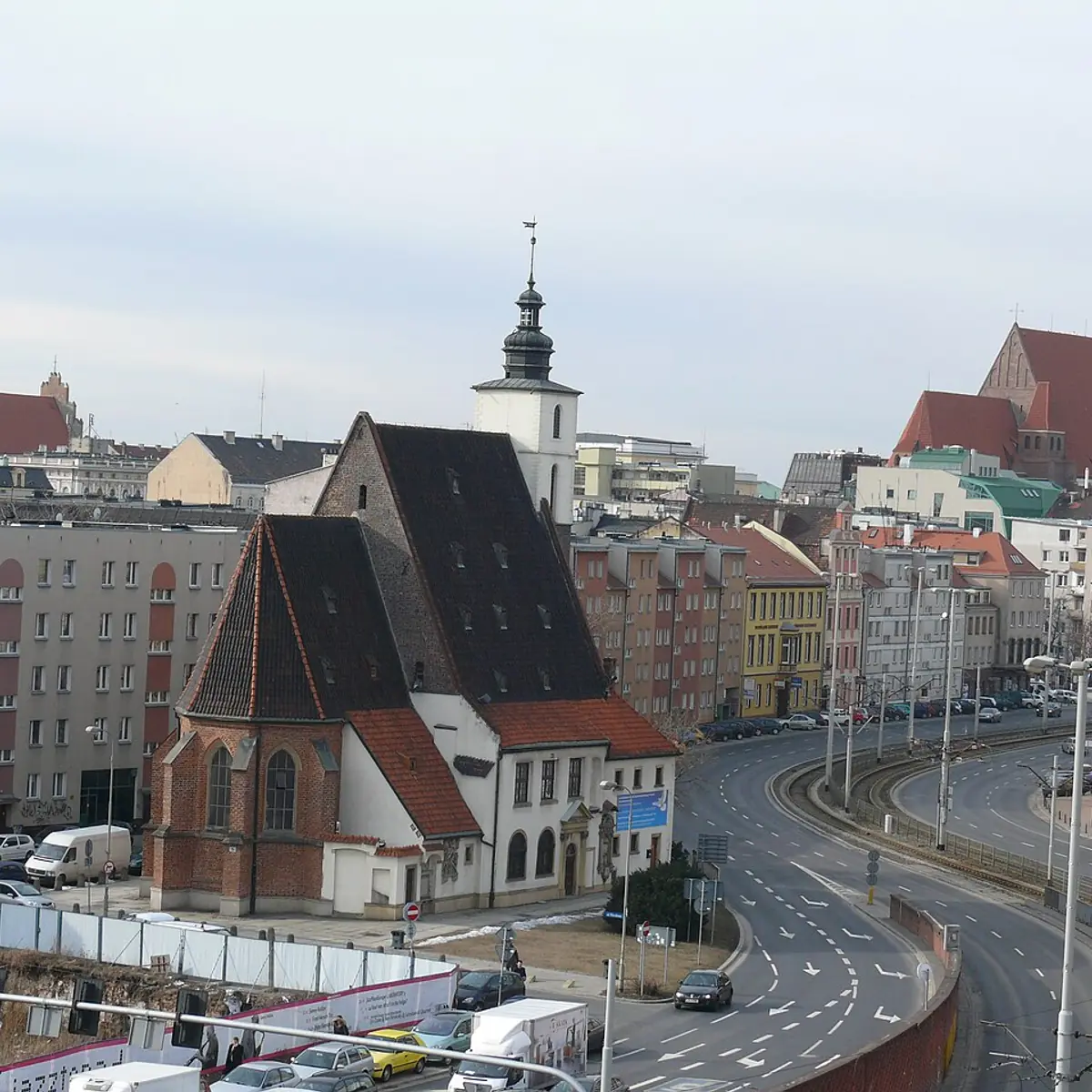
iBasik07 Barbara Wrzesińska (CC BY-SA 3.0 pl) Kościół Świętego Krzysztofa
history
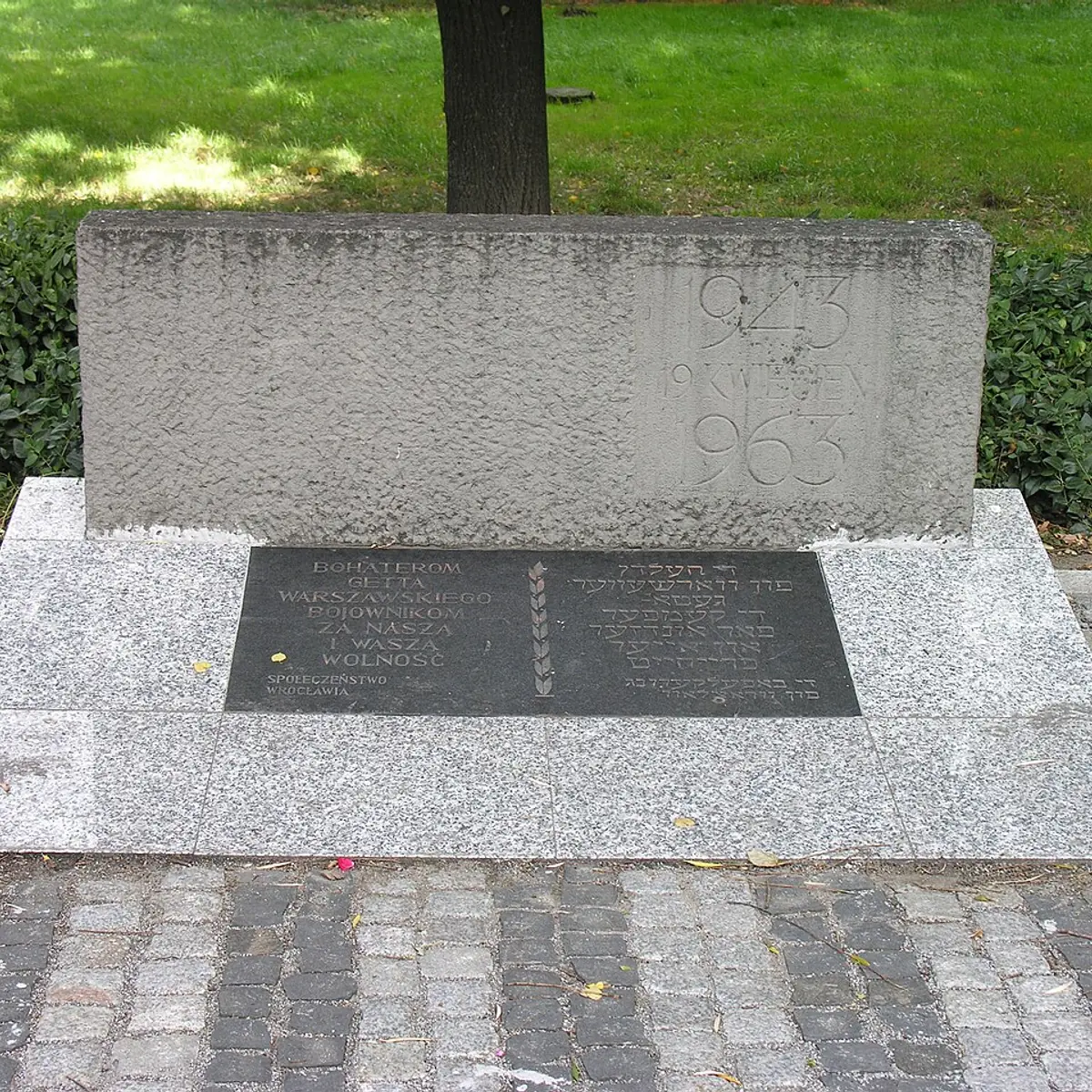
iBonio (CC BY-SA 3.0) Pomnik Bohaterów Getta Warszawskiego
history
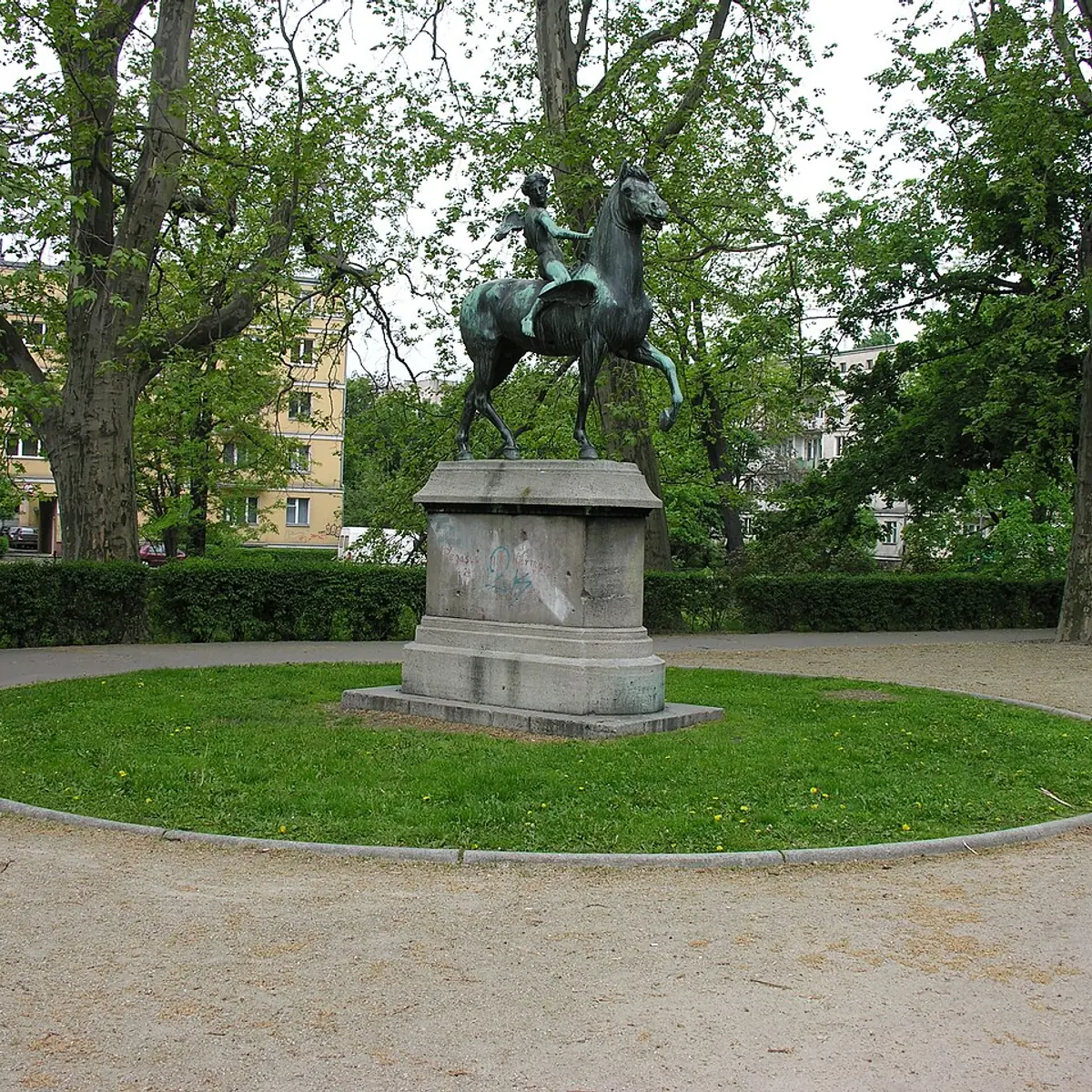
iTheodor von Gosen (CC BY-SA 3.0) Amor na Pegazie
history
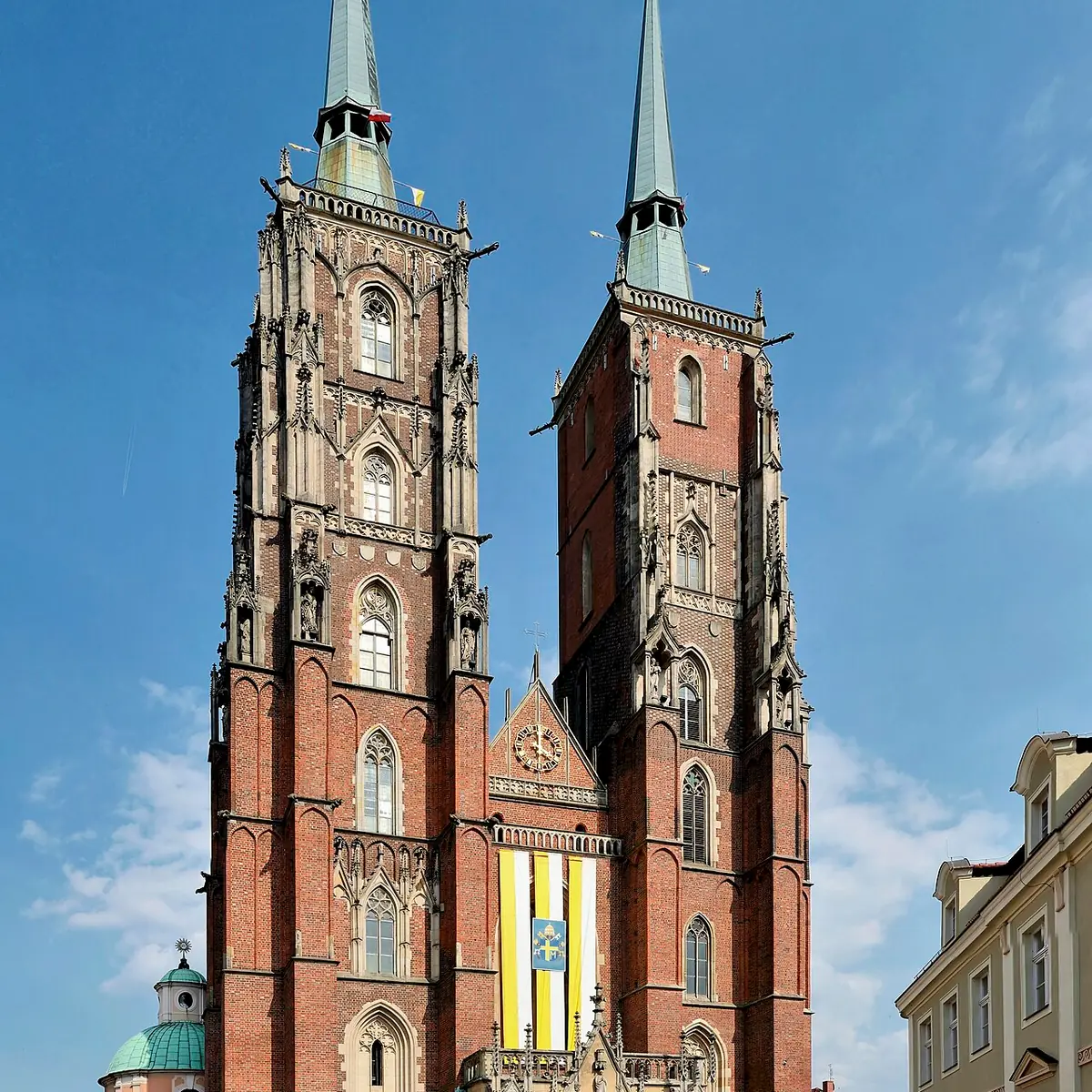
iWrocław - Archikatedra św. Jana Chrzciciela1.jpg derivative work: Hic et nuncTaxiarchos228 derivative work: Hic et nunc (FAL) Archikatedra Świętego Jana Chrzciciela
history