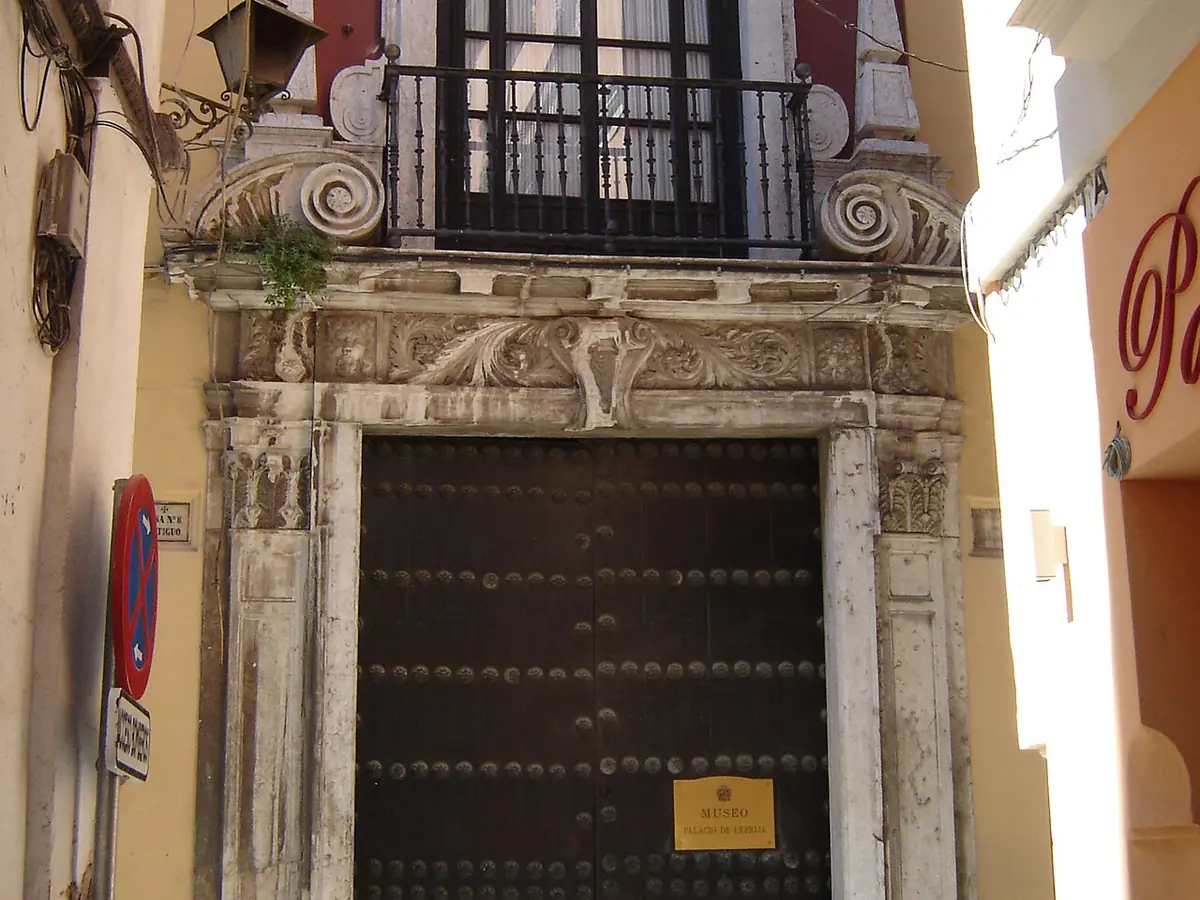
Museo Palacio de Lebrija, Seville
Museo Palacio de Lebrija is a house museum whose most startling feature lies underfoot: Roman mosaics cover nearly the entire ground floor. The palace began as a noble residence in the fifteenth century, and its façade took shape in the sixteenth; later owners remodelled and enlarged it across the eighteenth to twentieth centuries. In 1901, Regla Manjón Mergelina, Countess of Lebrija, acquired the property and reshaped it around her passion for archaeology.
She installed discoveries from her own excavations alongside antiquities obtained from other archaeologists. In the central courtyard, the mosaic of Pan shows the god playing his flute to Galatea. Around him are scenes linked to Zeus’s love stories, while the corners represent the four seasons.
The entrance hall has a patterned pavement made from multicoloured marble. As you move through the rooms, Moorish arches, richly worked tile, a coffered ceiling from a sixteenth-century palace and a Renaissance frieze share the same setting. The collection also includes Greco-Roman busts, works from the Moorish era, pieces from China and Persia, and paintings associated with Van Dyke, Brueghel the Elder and the school of Murillo.
Upstairs, the family rooms remain furnished, and the library holds over 4000 books and essays. The palace opened to the public as a museum in 1999.