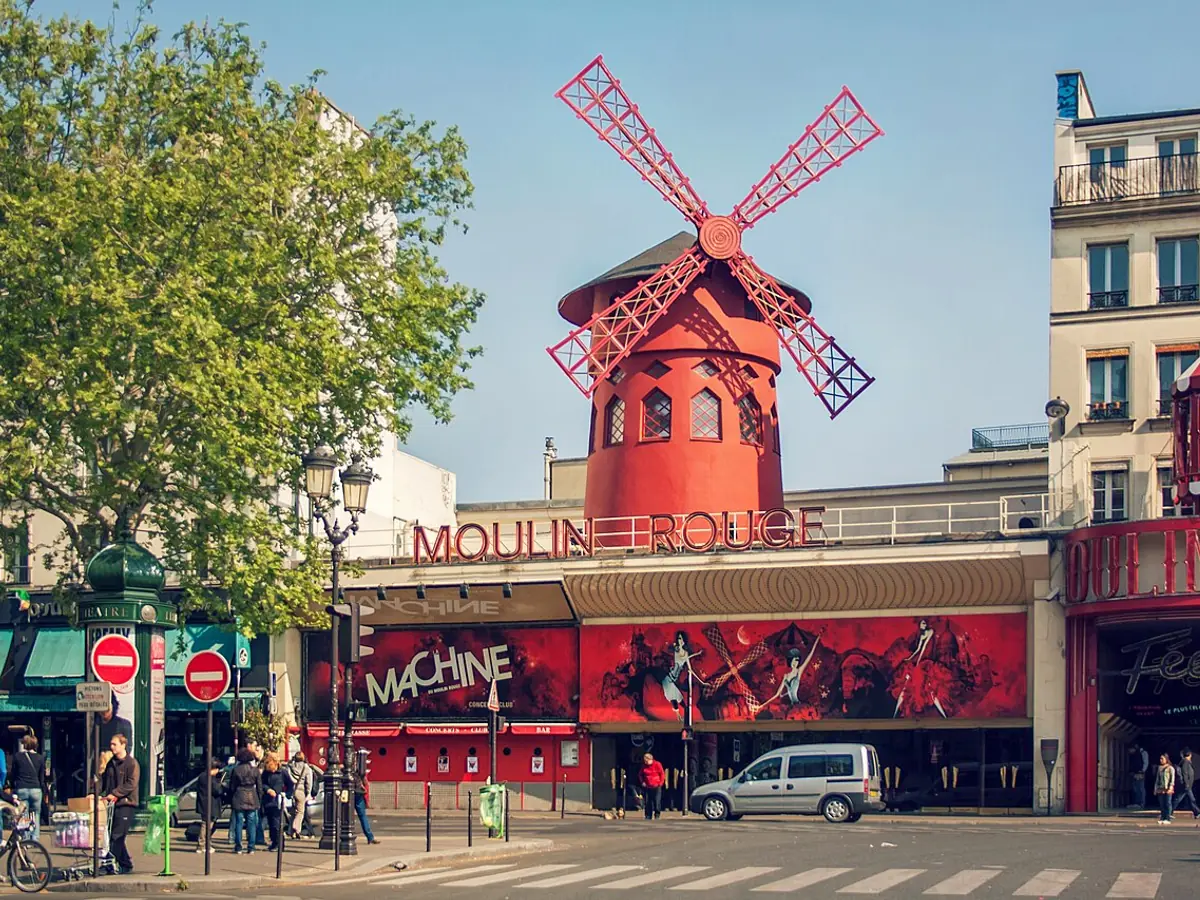

Moulin Rouge, Paris
The Moulin Rouge is the cabaret beneath this unmistakable windmill, whose glowing blades turn the building into a landmark at Place Blanche. It opened in 1889, created by Joseph Oller and Charles Zidler, entrepreneurs who also owned the Olympia. Its fame rests above all on the can-can: an energetic dance that grew from the performances of women working at the venue into a spectacle with a life of its own, inspiring cabarets across Europe.
The early Moulin Rouge welcomed an unusually mixed crowd, bringing workers, artists, fashionable visitors, business people, and tourists into the same festive setting. Its garden once included an enormous elephant made from stucco, while the programme mixed dancing with comic attractions and circus-like shows. Henri de Toulouse-Lautrec helped spread its image through posters and paintings, especially those featuring the dancer La Goulue.
The original building was lost to fire in 1915 and returned after rebuilding in 1925. The current experience still draws on the romance of Belle Époque France, with musical dance performances at the heart of the cabaret.
More places in Paris
See everything in Paris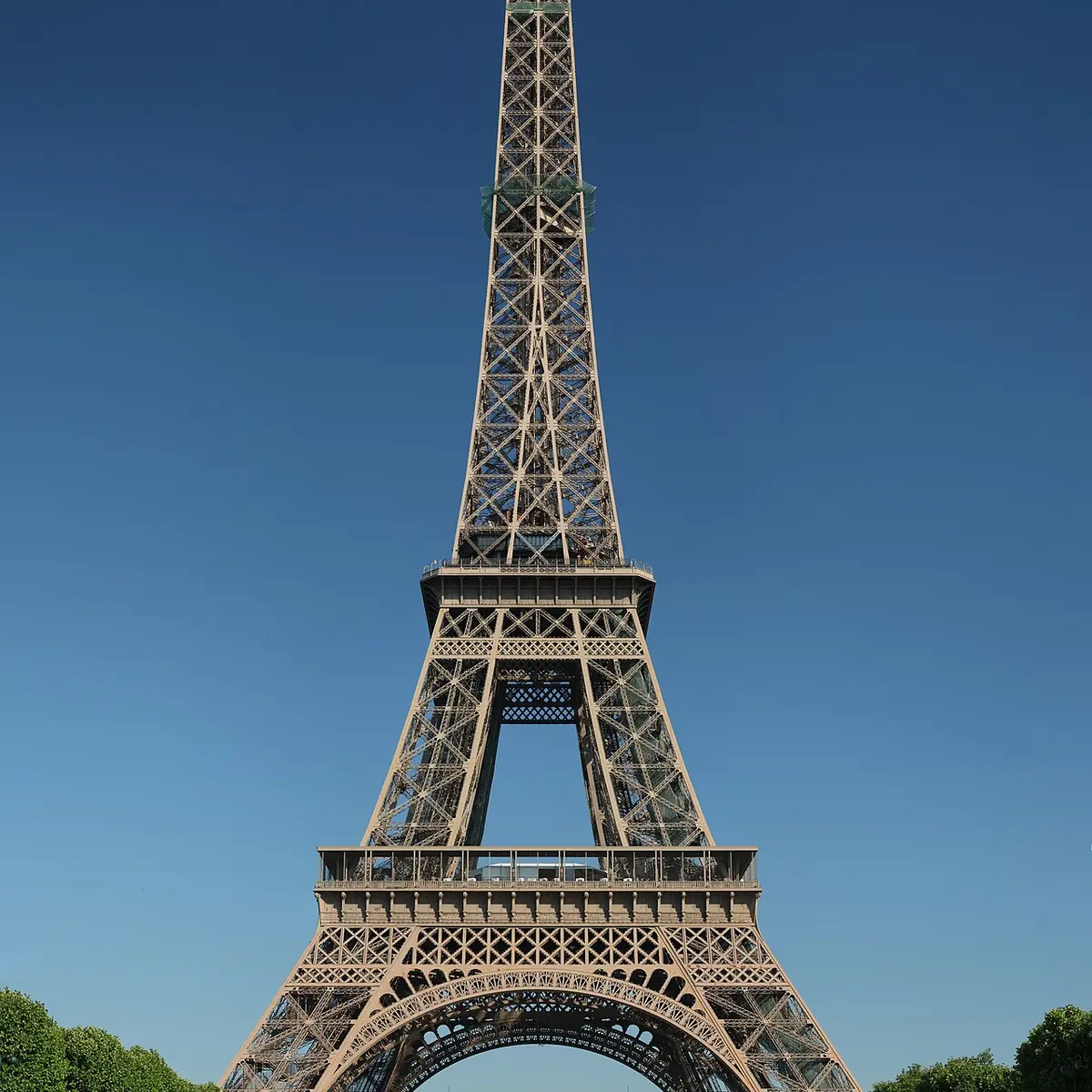
iBenh LIEU SONG (Public domain) Tour Eiffel
famous landmarks
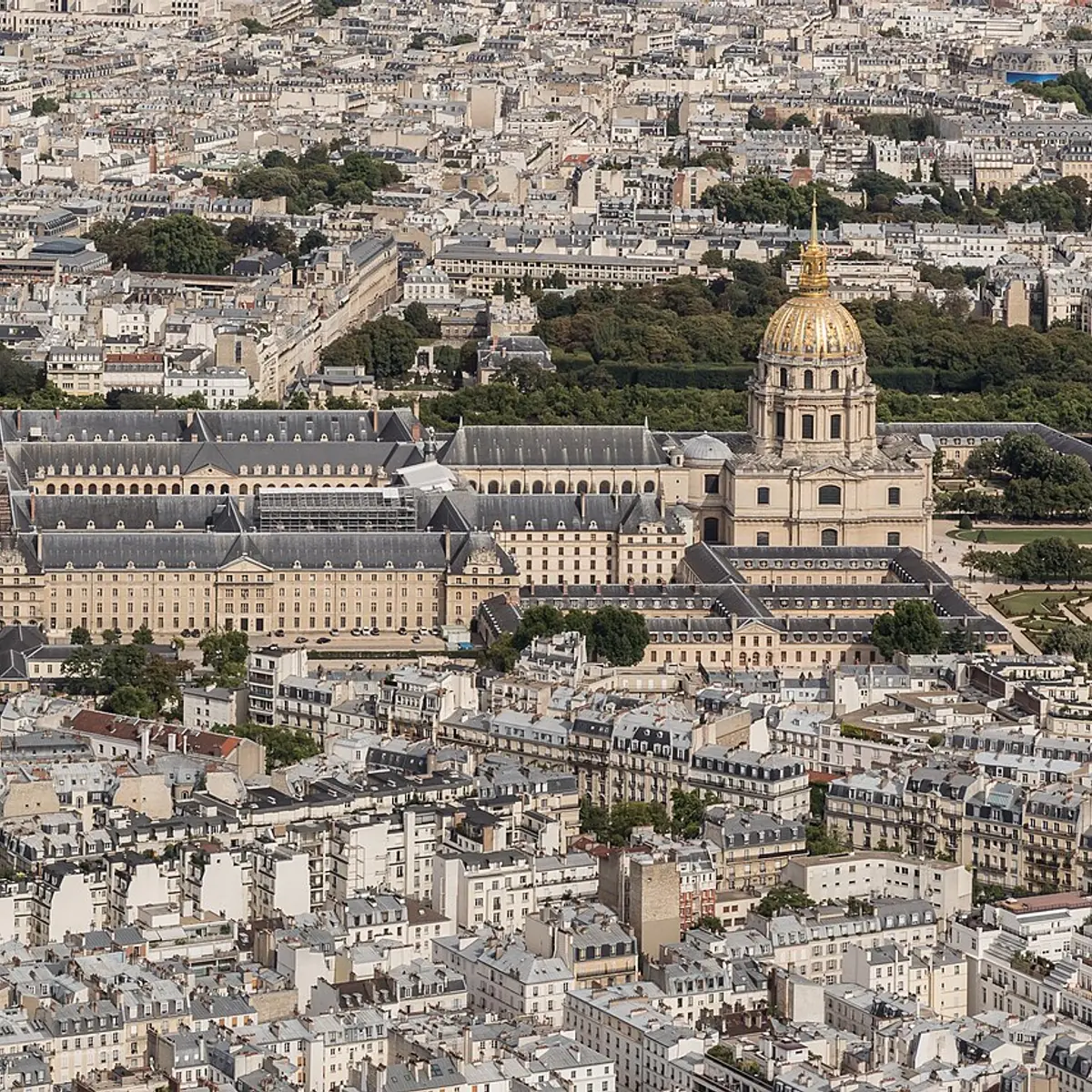
iAnother one of my pictures: This photograph was taken by Medium69 (William Crochot) and released under the license stated below. You are free to use it for any purpose as long as you credit the author (William Crochot), the Source (Wikimedia Commons) and the license (CC-BY-SA 4.0) in close relation to the image. Please do not upload an updated image here without consultation with the Author. The author would like to make corrections only at his own source RAW. This ensures that the changes are preserved.Please if you think that any changes should be required, please inform the author.Otherwise you can upload a new image with a new name. Please use one of the templates derivative or extract. (CC BY-SA 4.0) Hôtel des Invalides
history
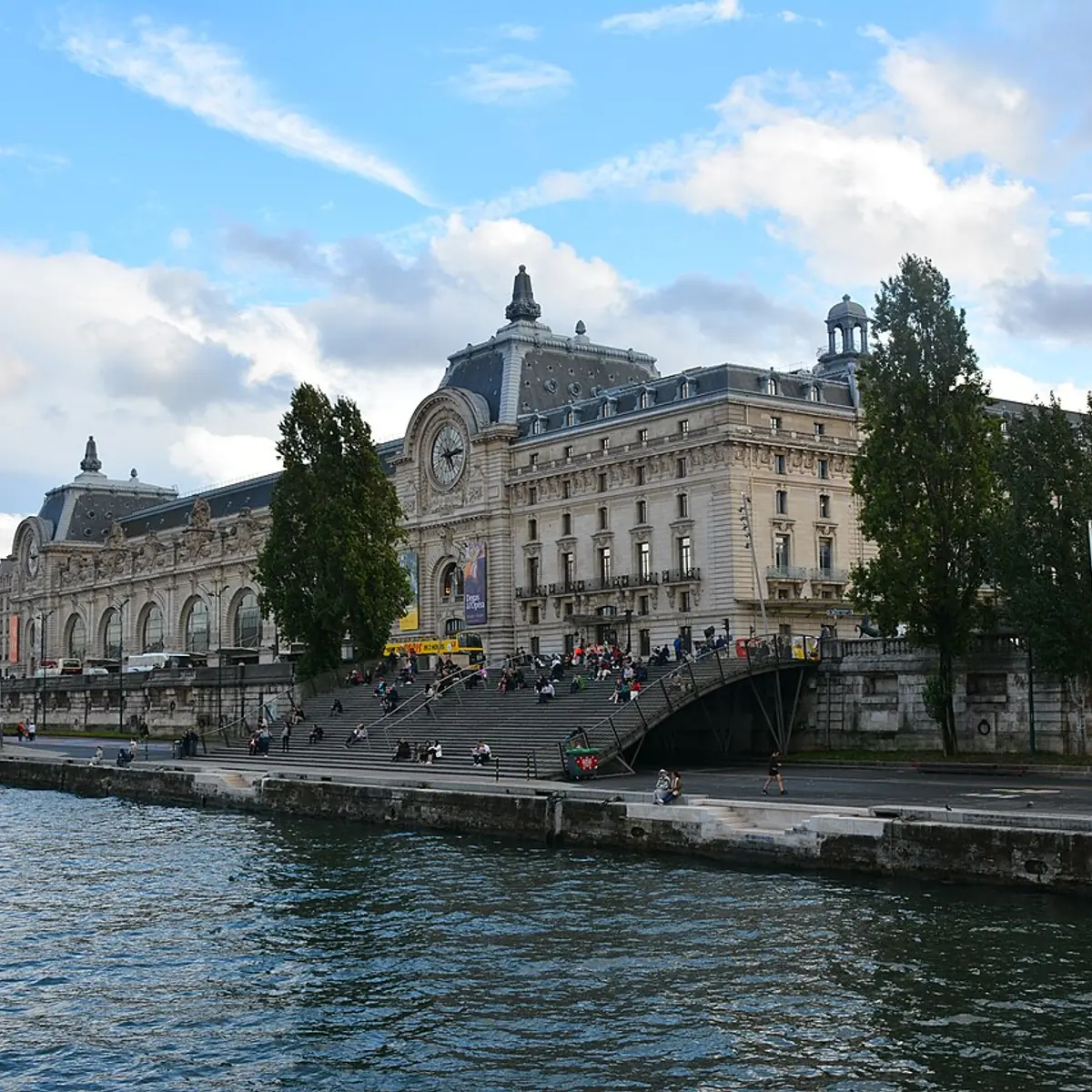
iCheng-en Cheng from Taichung City, Taiwan (CC BY-SA 2.0) Musée d'Orsay
culture
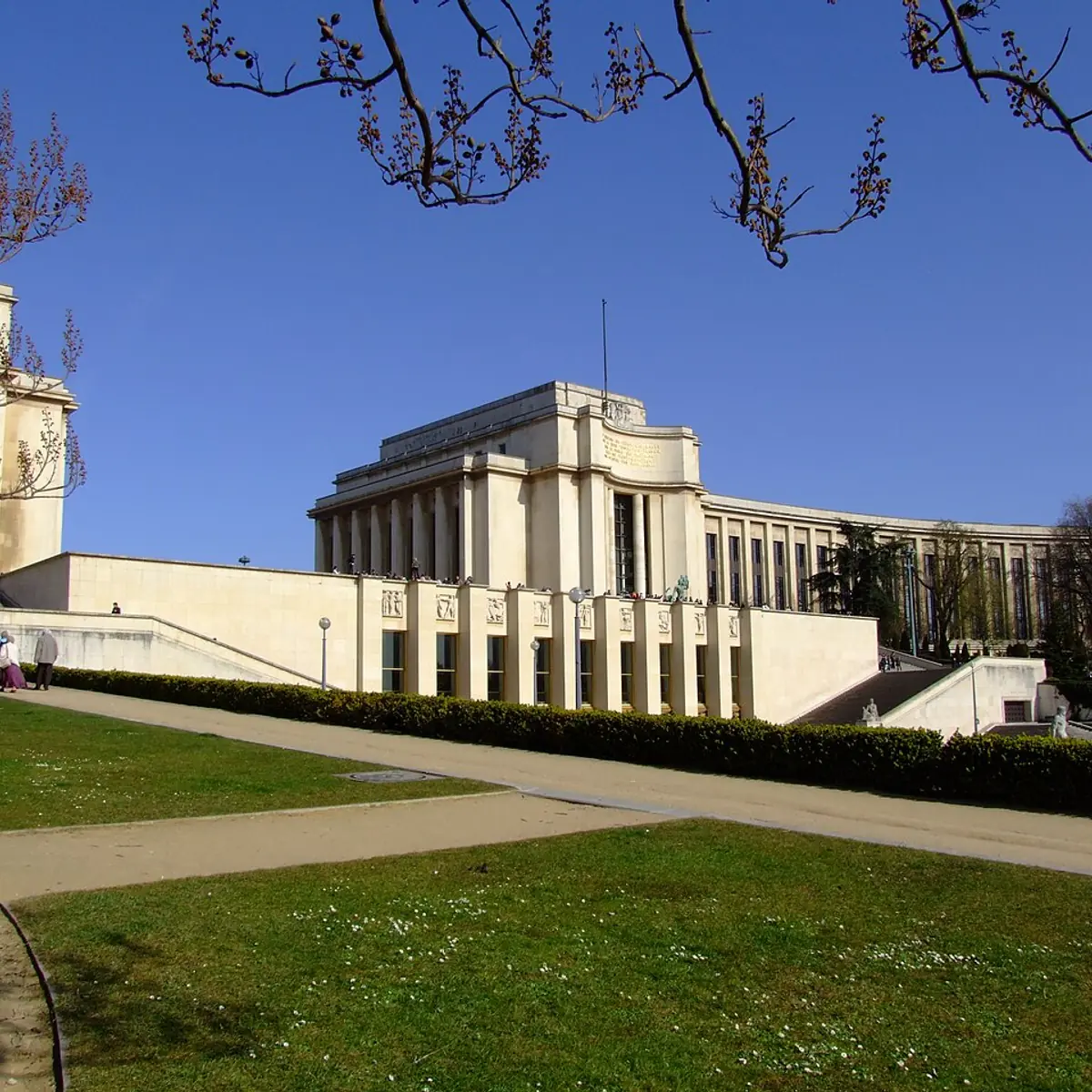
iAlfvanBeem (CC0) Palais de Chaillot
history