Budavári Labirintus, Budapest
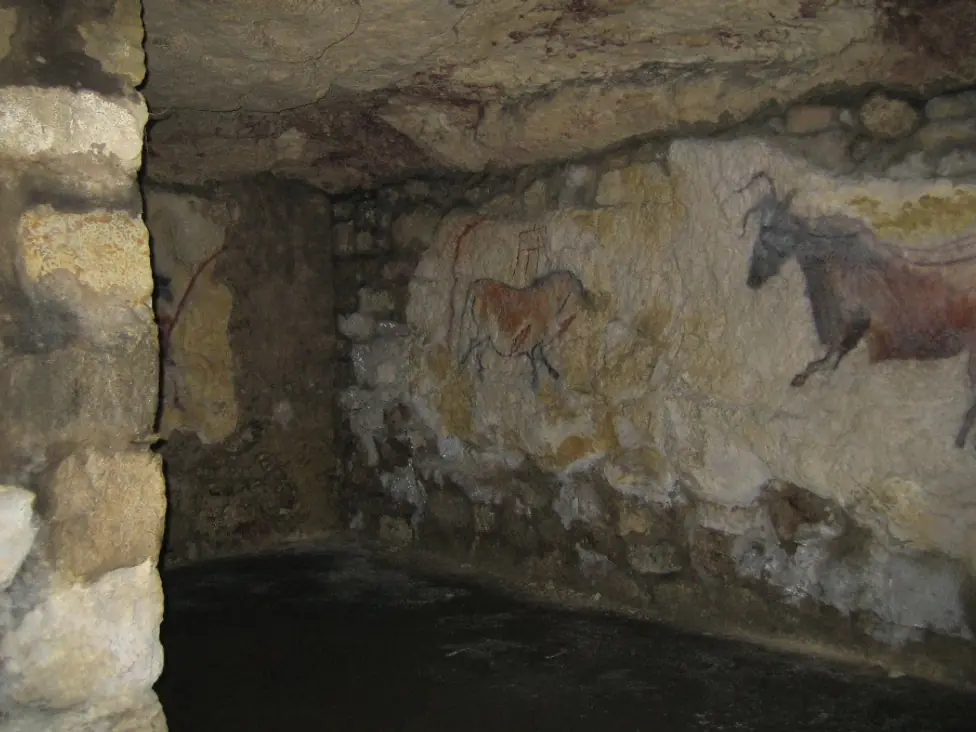
Budavári Labirintus takes you into a cave-and-cellar network within Budapest’s Castle Hill. Its natural chambers were carved by hot springs in the rock, and later joined to household cellars, wells, and purpose-built passages. The system runs about 12 metres below ground and extends 3.3 kilometres when its artificial sections are included.
The story reaches far back: material evidence shows that people used these cavities 350,000 years ago. By the 13th century, they served for storing water and as cellars. Military and economic needs later connected separate spaces, creating the maze beneath the hill.
Modern history here is just as striking. The chambers opened to visitors in 1935, and from 1939 a surgical emergency hospital was built inside them. It was designed for 300 people, yet during the siege as many as 650 to 700 wounded patients were crowded into the facility.
In 1949, typhus vaccine was produced here for export to Yugoslavia. The site was then classified as secret in the early 1950s, and its secrecy lasted until 2002. The visitor route is entered in groups with a Hungarian- or English-speaking guide, after advance ticket purchase through the Duna-Ipoly National Park website. What looks like a quiet underground passage is therefore also a natural formation, a medieval utility space, a wartime hospital, and a Cold War installation.