Berliner Medizinhistorisches Museum der Charité, Berlin
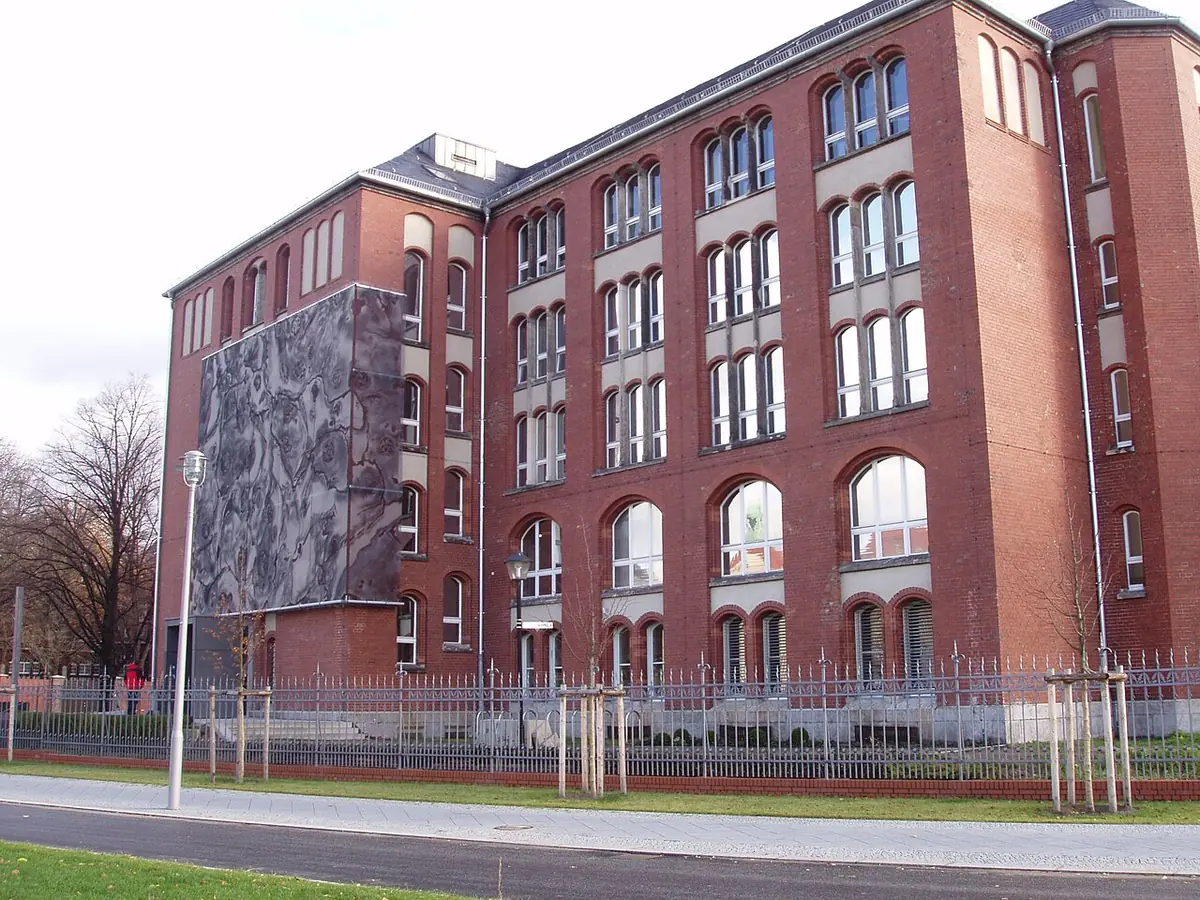
Berliner Medizinhistorisches Museum der Charité is a museum devoted to the history of medicine, best known for its collection of pathological-anatomical specimens preserved in fluid or dry form. Its roots reach back to Rudolf Virchow, who opened a pathology museum in 1899. At that time, the collection contained 23,066 specimens and displayed nearly every disease known to medicine then.
War left only about 1,800 specimens intact. The present museum opened in 1998, taking a broader historical approach rather than returning as a purely pathological museum. Its permanent exhibition covers anatomy, dissection, medical laboratories, the history of the Charité, and medicine under National Socialism. A reconstructed anatomical theatre from the eighteenth century begins the route, while the collection includes 40 surviving specimens from Johann Gottlieb Walter’s original 3,300.