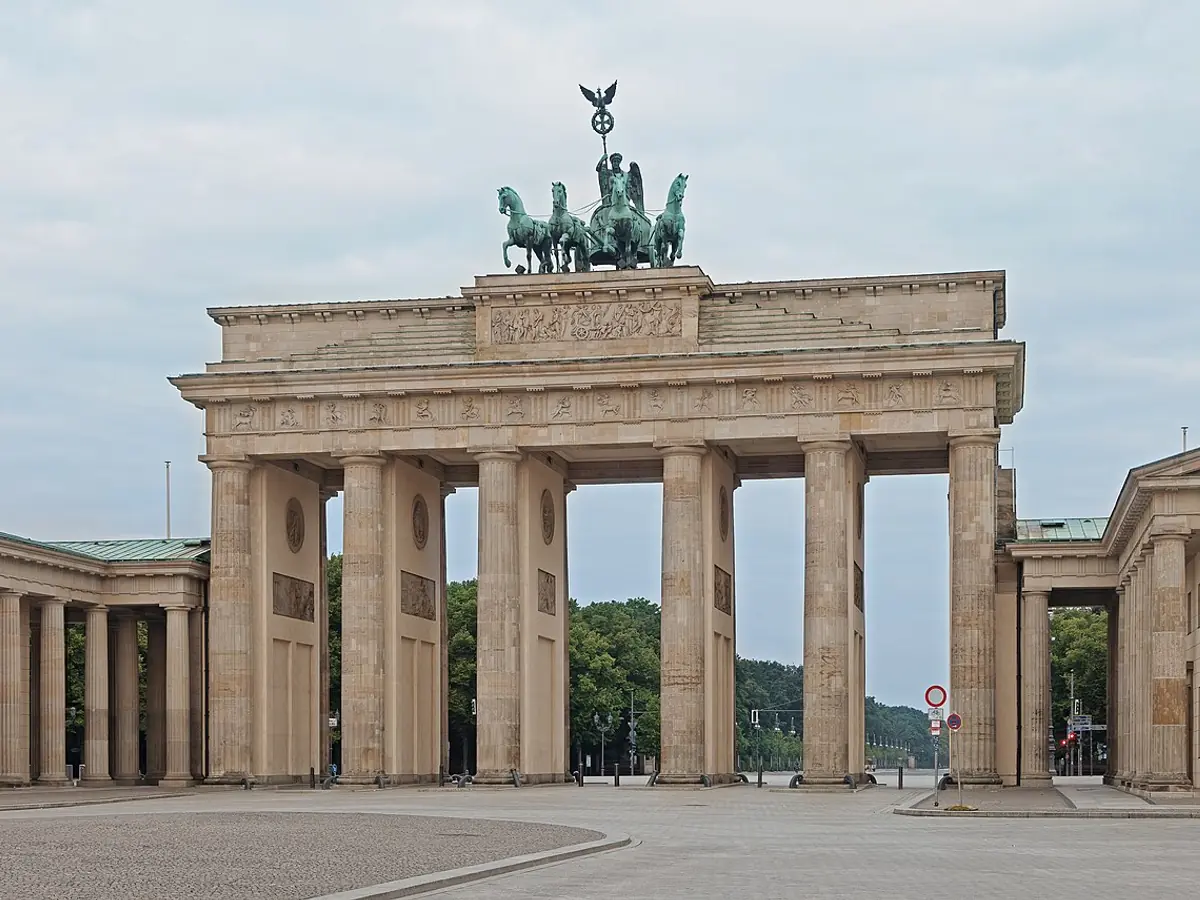
Brandenburger Tor, Berlin
The Brandenburg Gate is a triumphal gate whose most striking feature is the chariot group rising above its passageways. Carl Gotthard Langhans designed it for King Frederick William II of Prussia, and construction took place from 1789 to 1793. Its architectural language is Greek Revival, drawing on the entrance to the Acropolis in Athens.
Look at the repeated columns and the broad horizontal structure they support. The gate contains twelve fluted Doric columns arranged in six pairs, creating five passageways; the passage at the centre is wider than the others. Johann Gottfried Schadow designed the Quadriga that crowns the building: a goddess drives a chariot pulled by four horses.
This is not merely an elegant gateway. It is the only surviving example among Berlin’s eighteen former city gates. The road here once led toward Brandenburg an der Havel, which explains the gate’s name.
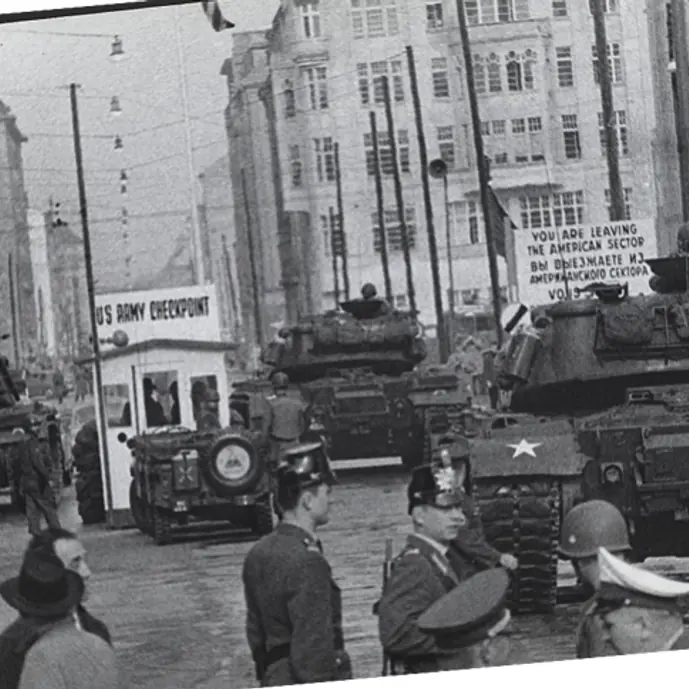
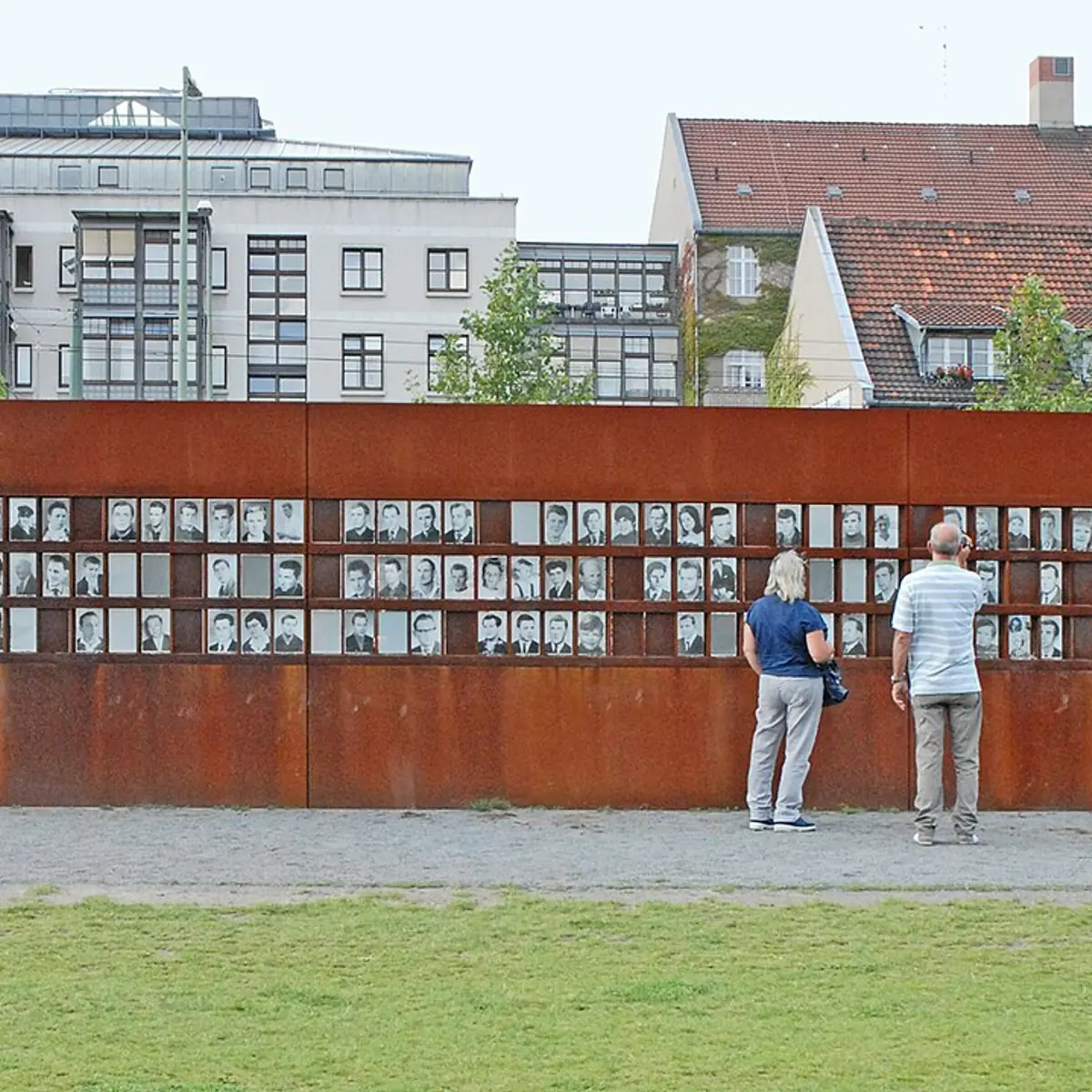
Its meaning changed dramatically over time: during the Cold War, the Berlin Wall blocked the passage, making this monument a sign of Germany’s division. Since reunification, it has represented the overcoming of that division and European unity. Damage from the Second World War was repaired by 1958, followed by major restoration completed in 2002.