
London
London — Where Did the Great Fire of London Start?
The Great Fire of London started in a bakery. A short time after midnight on Sunday, 2 September 1666, a fire broke out at Thomas Farriner's bakery in Pudding Lane. Over the following days it burned across the medieval City. Somewhere between 13,200 and 13,500 houses were destroyed, along with 86 or 87 parish churches and the old cathedral of St Paul's.
You can still find the place. It is marked by a stone column built to a height that measures the distance to the bakery. From there you can walk to the places the fire damaged, the cathedral built to replace its biggest loss, and the two places where it was stopped.
A column that measures the distance
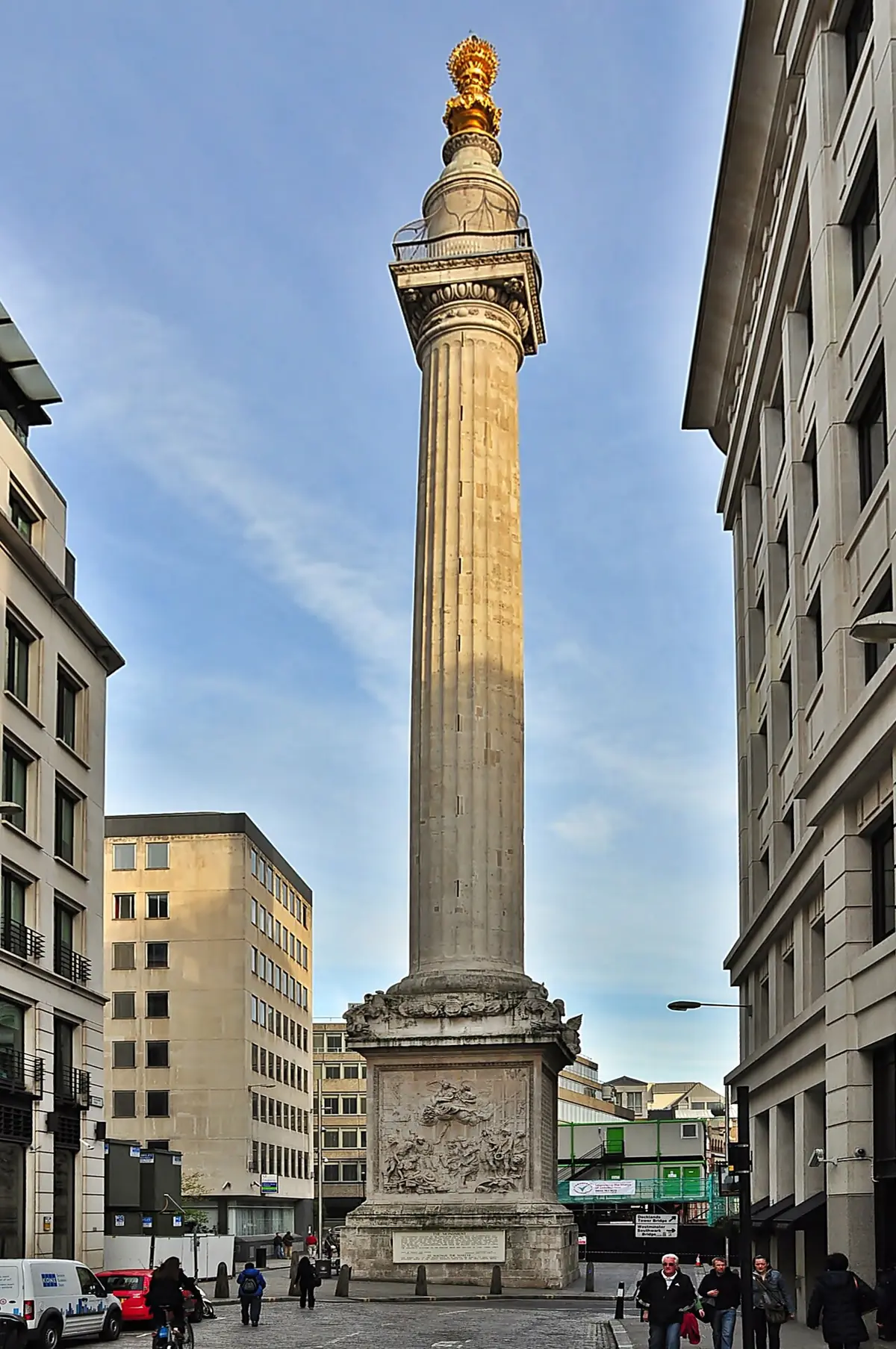
The Monument stands at the junction of Monument Street and Fish Street Hill. It is a fluted column of Portland stone, 202 feet tall, with a gilded urn of flames on top. It also stands 202 feet west of the site of the bakery in Pudding Lane. The match is deliberate: if you could tip the column over to the east, its top would land on the spot where the fire began.
The ground it stands on has its own place in the story. The Monument was built on the site of St Margaret, New Fish Street, the first church the fire destroyed.
Christopher Wren, as surveyor-general, was asked for a design, but it was developed by Robert Hooke, who worked as an architect for Wren; Hooke's drawings survive with Wren's signature on them, approving rather than authoring. Construction ran from 1671 to 1677. The two men intended it to work as a scientific instrument as well as a memorial. Its central shaft was meant for experiments with telescopes, gravity, pendulums and barometers, with a laboratory underground to observe them from.
Walk round to the west side of the base and look at the carved relief by Caius Gabriel Cibber. London appears as a woman in distress, held up by Time and Providence, while Charles II directs the rebuilding with allegorical figures around him. The Latin inscriptions on the base describe the fire, the response to it and the reconstruction.
One line used to say more. In 1681, during the Popish Plot panic, words were added blaming the fire on "Popish frenzy," meaning Catholics. They stayed on the Monument for nearly 150 years, and were chiselled off in 1830 with Catholic Emancipation.
You can still climb it. A narrow, winding staircase of 311 steps leads up to the viewing platform near the top, which has been enclosed in a mesh cage since the mid-nineteenth century as a safety measure. The column reopened in February 2009 after a refurbishment.
How many people died
The number usually given is strikingly small. The recorded deaths are in single figures, and eight is one figure sometimes given. Historians disagree about how far to trust it, and some argue that deaths which were never documented could have made the real number higher. What is not in doubt is the scale of the damage to property: the 13,000-plus houses lost were roughly 15 percent of the city's housing.
The church with a garden inside
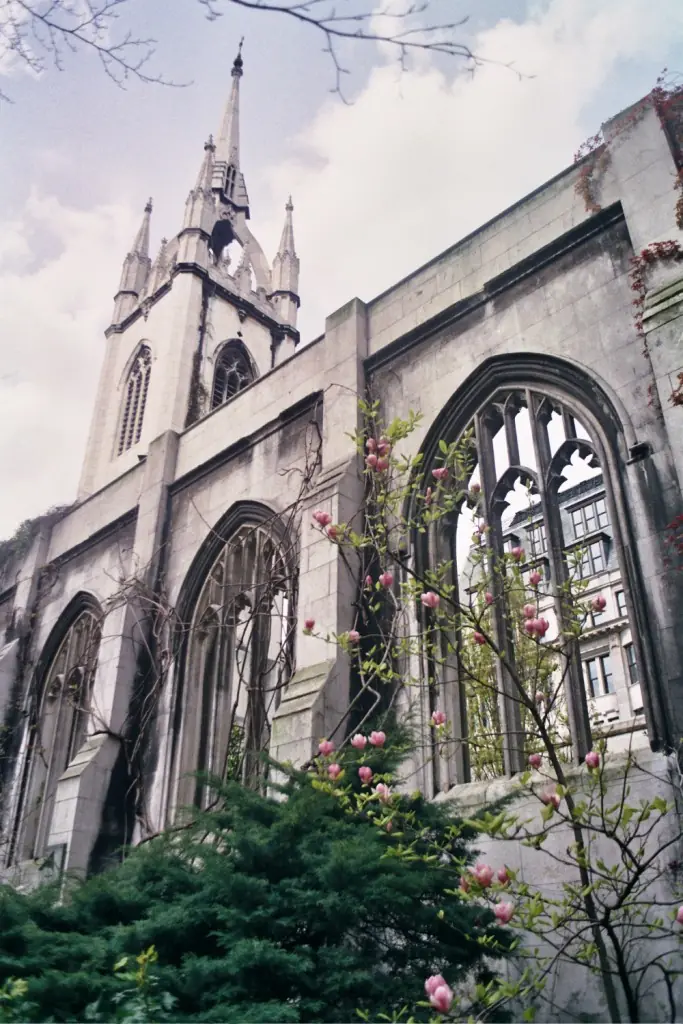
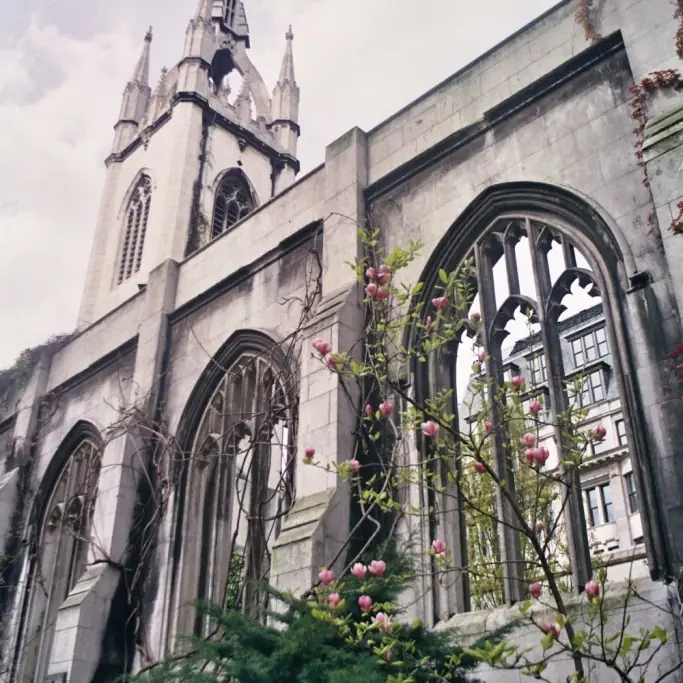
Not far from the Monument, St Dunstan in the East shows what happened after the fire in a single ruin. The church goes back to around 1100. It was severely damaged in the Great Fire of 1666, but rather than being rebuilt it was patched up between 1668 and 1671.
.jpg)
Wren's contribution came later. The steeple was added between 1695 and 1701 to his design, built in a Gothic style to match the older body of the church. More than a century after that, structural problems made the building unsafe, and it was rebuilt between 1817 and 1821 by David Laing, who kept Wren's tower.
Then came a second fire. In the Blitz of 1941 the church was severely damaged, and only the north and south walls survived, along with Wren's tower and steeple. It was not rebuilt. In 1967 the City decided to turn the ruins into a public garden, which opened in 1971. Today trees grow inside the walls, with a lawn and a low fountain in what was the nave, and the site is now Grade I listed.
The stone behind glass
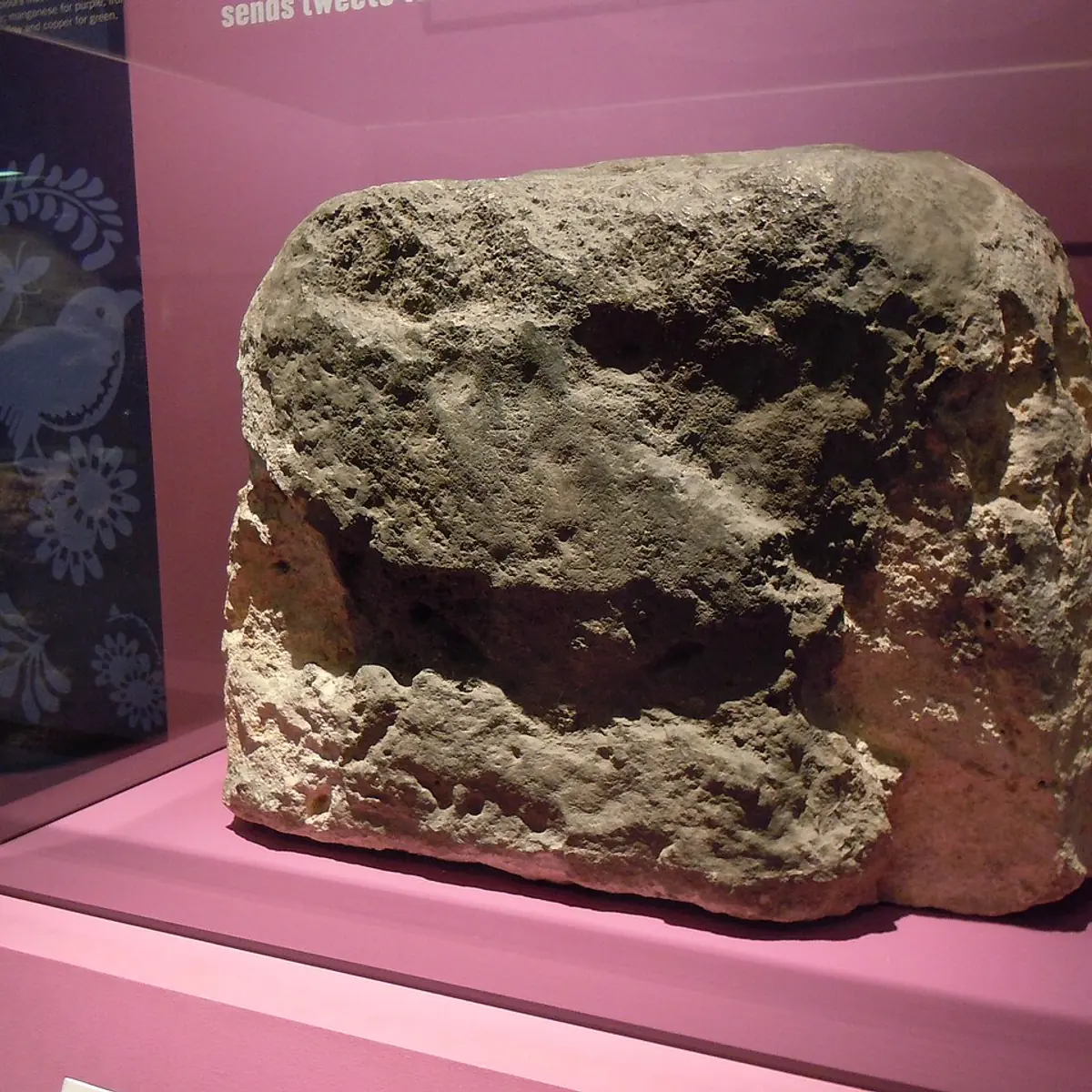
Head to 111 Cannon Street. Behind a glass panel is London Stone, a battered block of limestone. It is only the upper part of what was once a much larger stone, set deep in the ground beside the medieval street. It already had a long reputation before 1666: in 1450 the rebel Jack Cade struck it with his sword and claimed authority over the city.
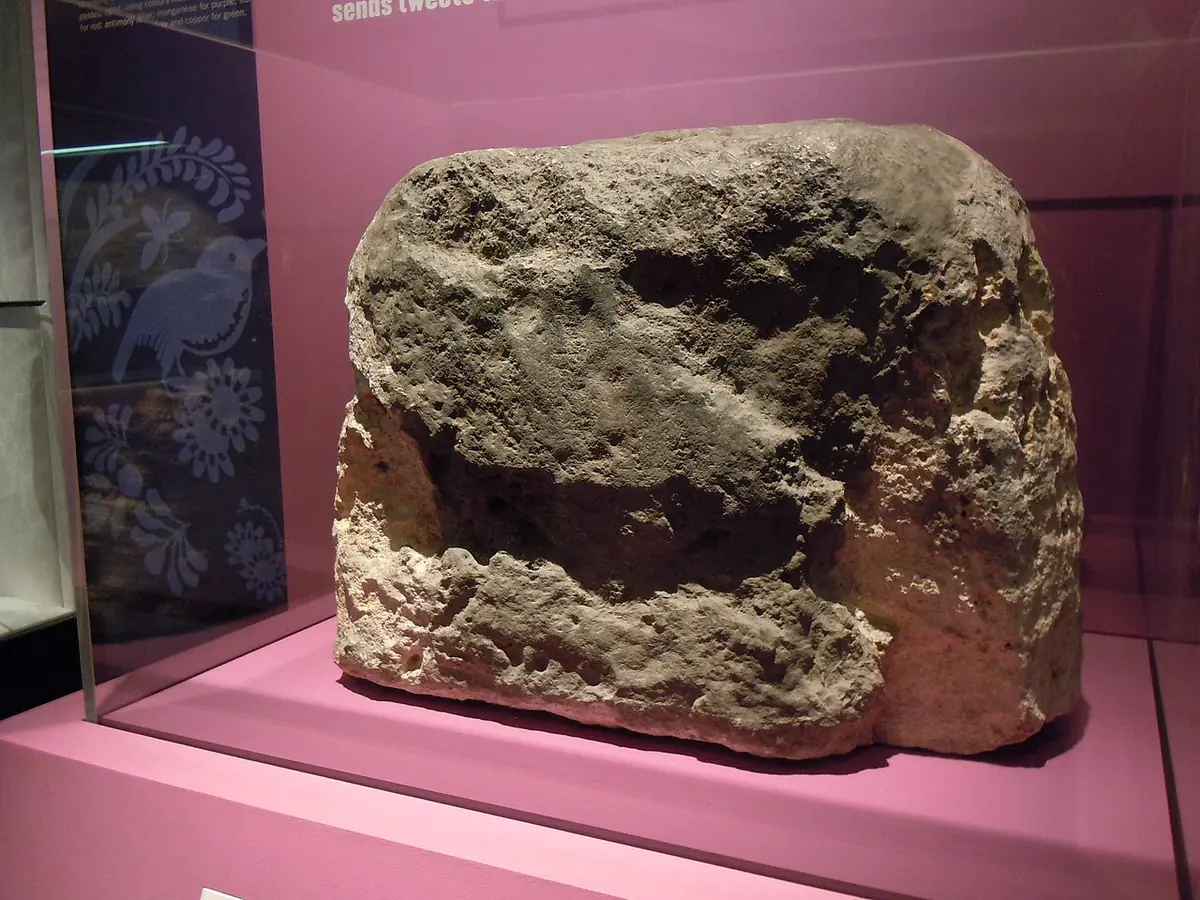

The fire came very close. It destroyed St Swithin's church and its neighbouring buildings, and a description written five years later refers to "the remayning parte of London Stone," which may mean the fire damaged it and reduced its size. Nobody can say for sure. Afterwards it was covered with a small stone cupola to protect it.
Its later history is just as unlucky with its surroundings. By 1742 growing traffic had made it an obstruction, so it was moved to the doorway of St Swithin's. Bombing destroyed that church in 1940, but the stone survived in its niche, was later built into an office block, and returned to this spot in October 2018. You may hear that London will prosper as long as the stone is safe. Historians have found no evidence for that legend.
The cathedral that burned
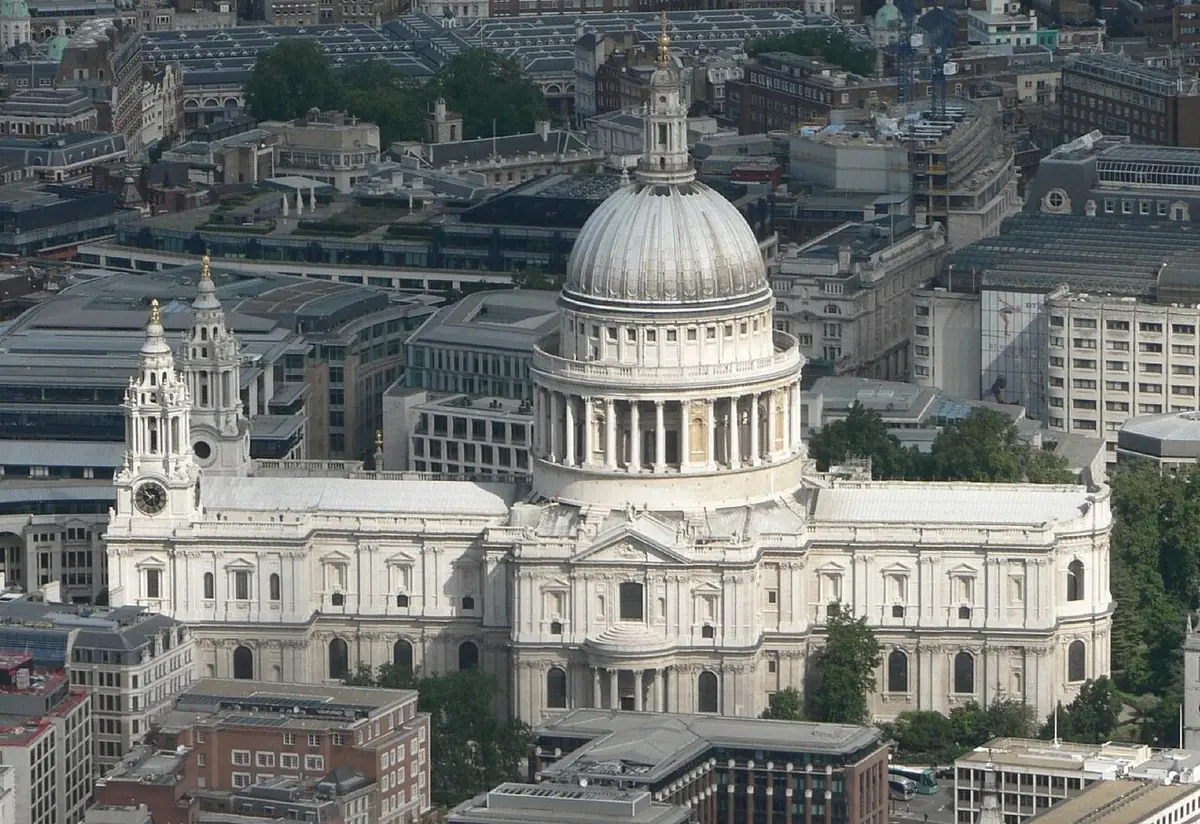
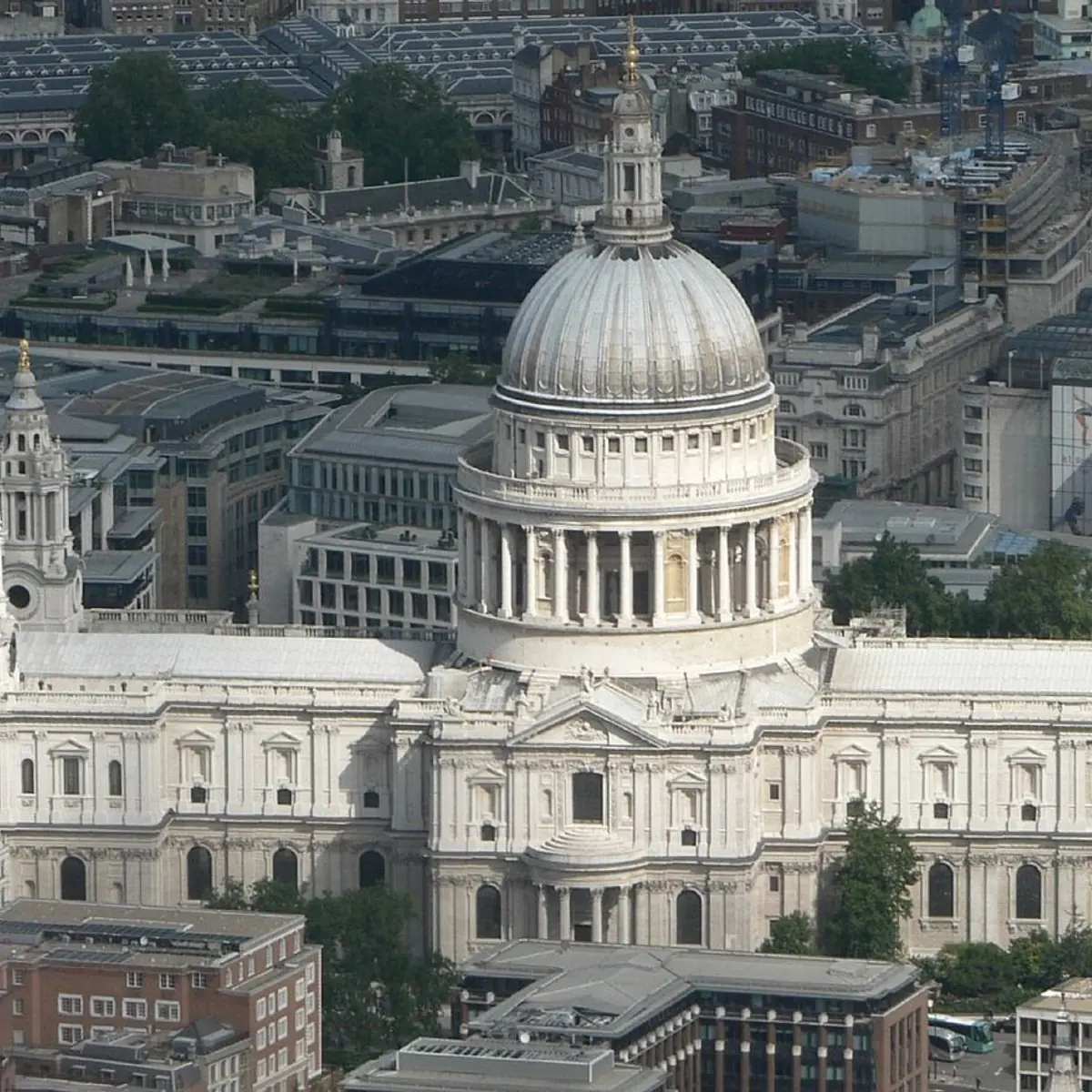
Old St Paul's was one of the fire's biggest losses. By the Tuesday night, the lead on its roof was melting. The cathedral that stands on the site today was built to replace it.
St Paul's Cathedral was designed by Christopher Wren in the English Baroque style and completed in 1710. Its dome rises to 365 feet, or 111 metres, and it is still a powerful presence on the City skyline. The dedication to Paul the Apostle is much older than the building: a church on this site has carried it since AD 604. It is not only a monument to the rebuilding. It remains a working church, with prayer offered every hour and services held each day, and it is a Grade I listed building.
.jpg)
St Paul's was not Wren's only job after the fire. He designed 51 new City churches to replace the ones that burned. The steeple at St Dunstan in the East, which was patched rather than rebuilt, was a separate job.
The eastern edge: the Tower
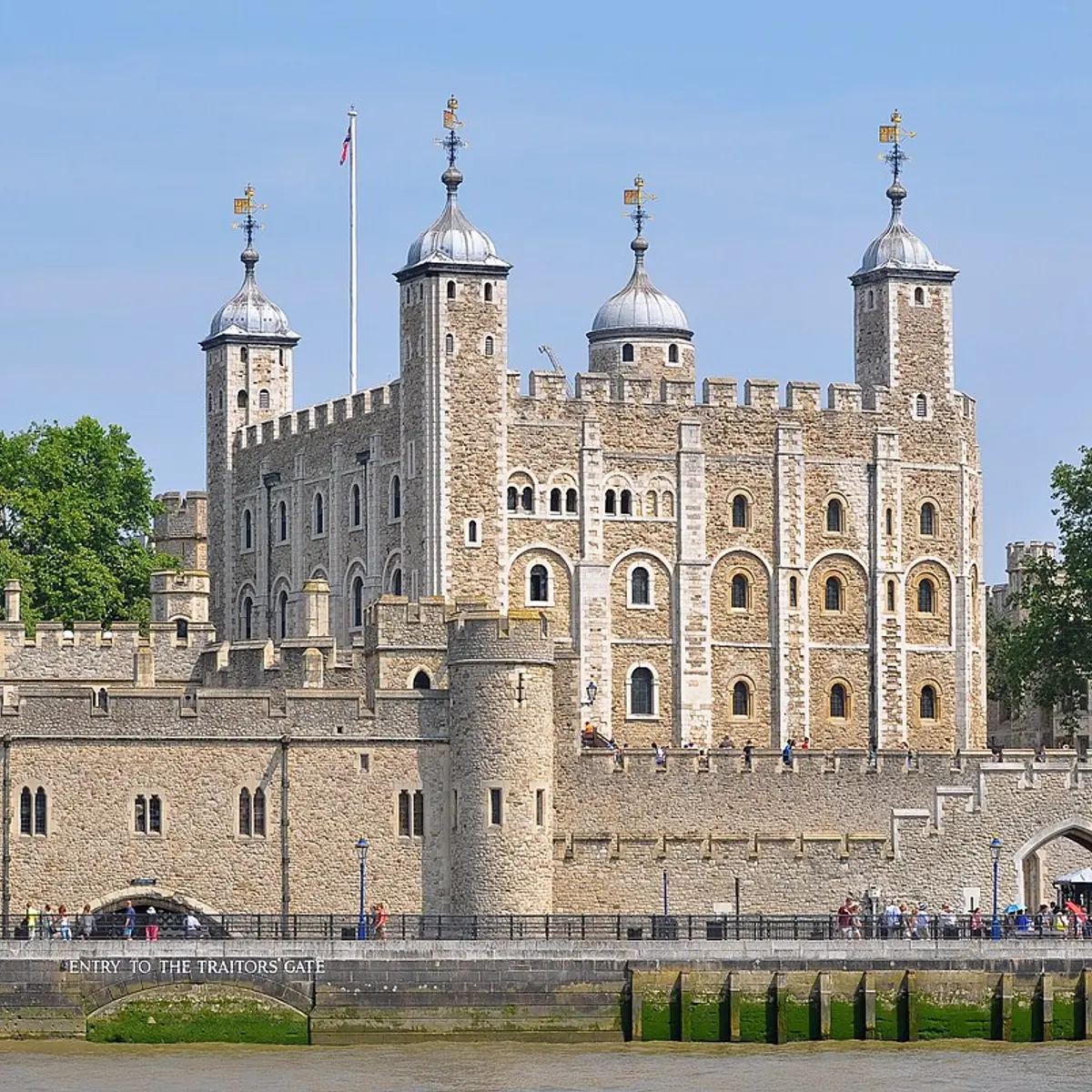
The fire did not reach everything. To the east it was stopped short of the Tower of London, whose garrison halted its spread by blowing up houses on a large scale.
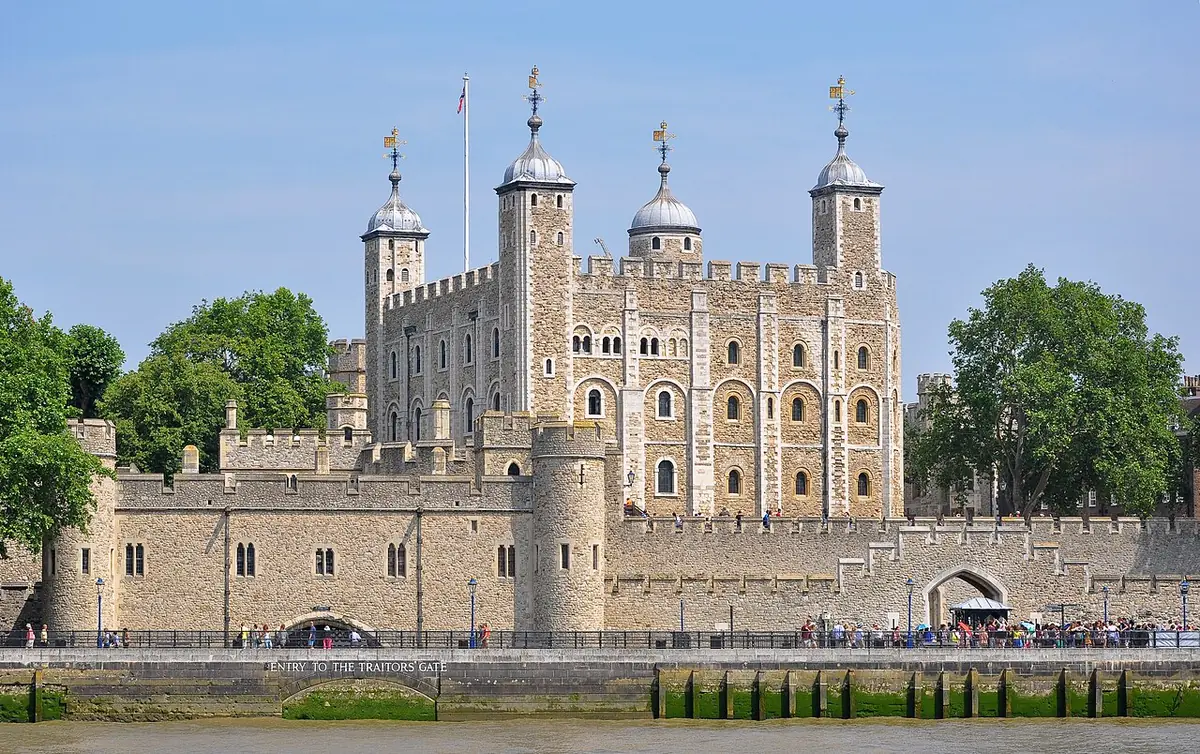

The Tower's own story begins with the Norman Conquest at the end of 1066. The White Tower, the central keep, was built for William the Conqueror in 1078, and it measures 36 by 32 metres at its base and rises to 27 metres at the southern battlements. Over the centuries the castle has been a royal residence, an armoury, a treasury, a menagerie, the Royal Mint, a public record office and the home of the Crown Jewels, as well as the prison that gave English the phrase "sent to the Tower." Elizabeth I and Sir Walter Raleigh were among the people held here. For all that reputation, only seven people were executed inside the castle before the twentieth-century world wars.
The western edge: Temple Church
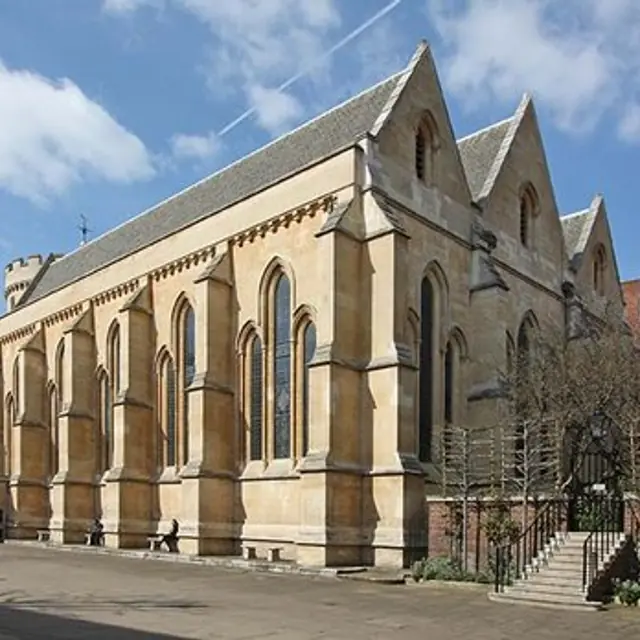
Westward, the fire was eventually brought under control near the Temple. Temple Church, built by the Knights Templar as their English headquarters, came through it without damage. It was consecrated on 10 February 1185 by Heraclius, Patriarch of Jerusalem, and during King John's reign it also served as the royal treasury, drawing on the Templars' role as international bankers. Today it belongs jointly to the Inner Temple and Middle Temple, two of the Inns of Court connected with London's legal profession.
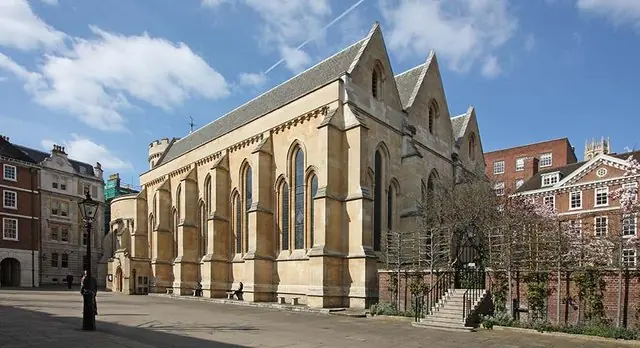

Wren still left his mark here. Although the fire spared the church, he refurbished it afterwards and made extensive changes to the interior, including a new altar screen and the church's first organ. The round nave you see today is 55 feet across and ringed with Purbeck Marble columns, and medieval stone effigies lie inside. Look at the point where it meets the rectangular chancel: the two were built in separate stages, the chancel about half a century after the round. Like St Dunstan, the church later suffered in a different fire: German bombing in the Second World War destroyed the organ and the wooden interior, and the church was restored again.
Walking the fire
Taken in order, these stops trace the fire from its starting point to its edges. The Monument and Pudding Lane are where it began. St Dunstan in the East and London Stone are places it damaged. St Paul's is what was built to replace the biggest loss. The Tower and Temple Church mark where it was stopped: in the east by soldiers blowing up houses, in the west near the Temple.
If you want to walk it yourself, Guided can build a route through these places around the time you have, and tells you each one's story by audio as you arrive.
Sources
- Guided Tours narration for the Monument, St Dunstan in the East, London Stone, St Paul's Cathedral, the Tower of London and Temple Church
- Great Fire of London, Wikipedia
- Monument to the Great Fire of London, Wikipedia
- St Dunstan-in-the-East, Wikipedia
- London Stone, Wikipedia
- Temple Church, Wikipedia
Places in this story
See everything in London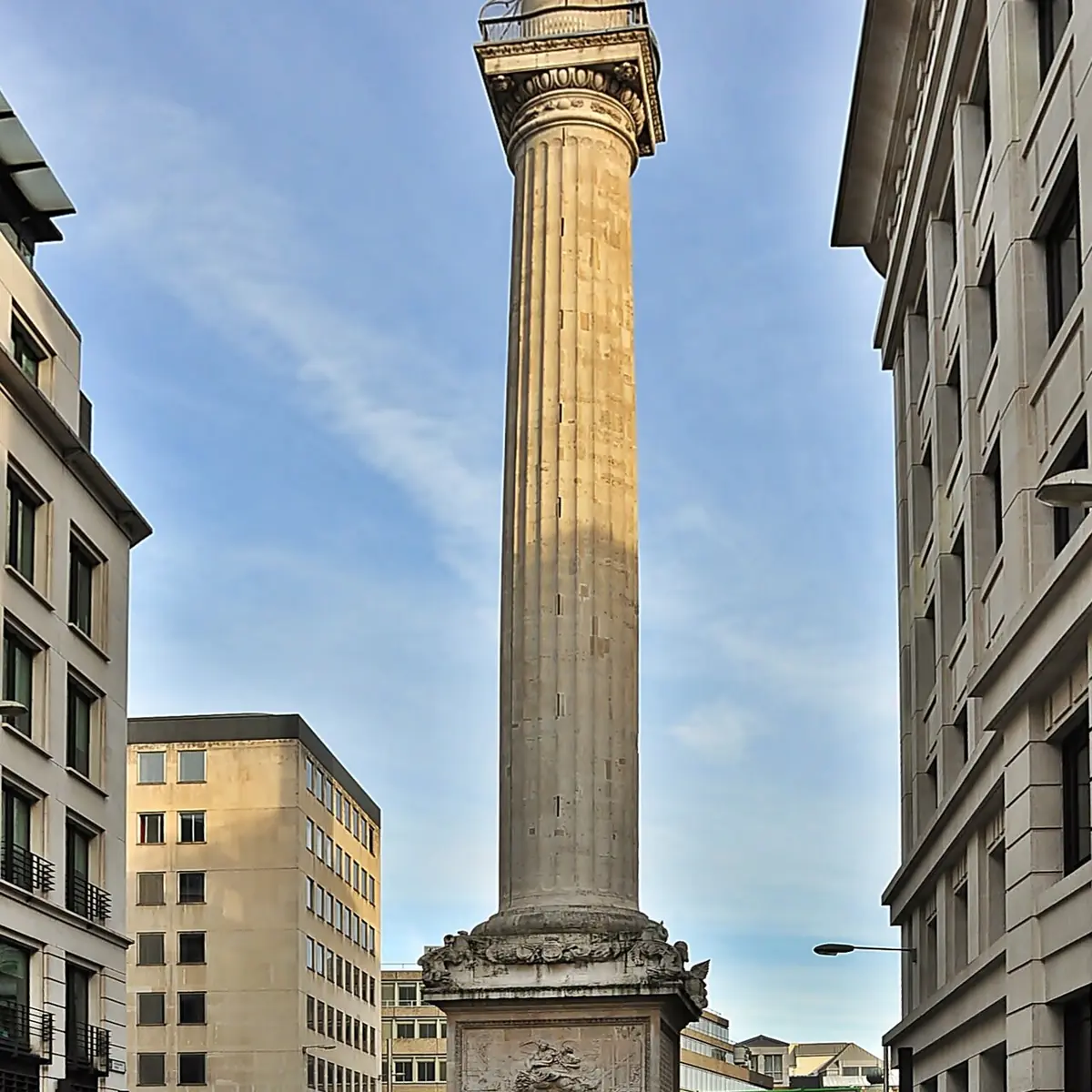
iEluveitie (CC BY-SA 3.0) The Monument to the Great Fire of London
history
iElisa.rolle (CC BY-SA 3.0) St Dunstan in the East
history
iLord Belbury (CC BY-SA 4.0) London Stone
weird & unusual
iMark Fosh (CC BY 2.0) St Paul's Cathedral
history
iBob Collowan (CC BY-SA 3.0) Tower of London
history
iJohn Salmon (CC BY-SA 2.0) Temple Church
history
Walk London with an audio guide in your pocket
Join the beta and this story becomes a route you can actually walk.