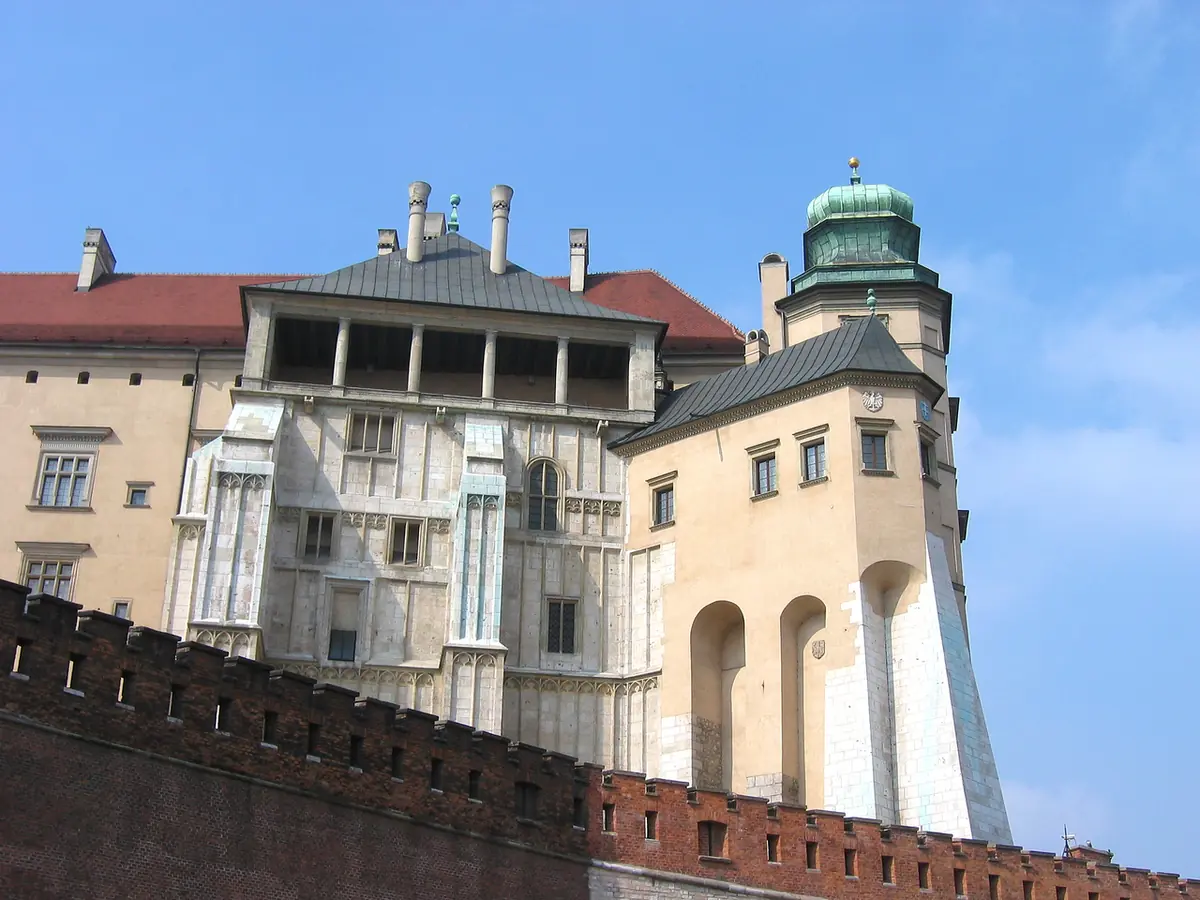
Wieża Duńska, Kraków
Updated
Listen to how the story begins
0:00 / 0:45
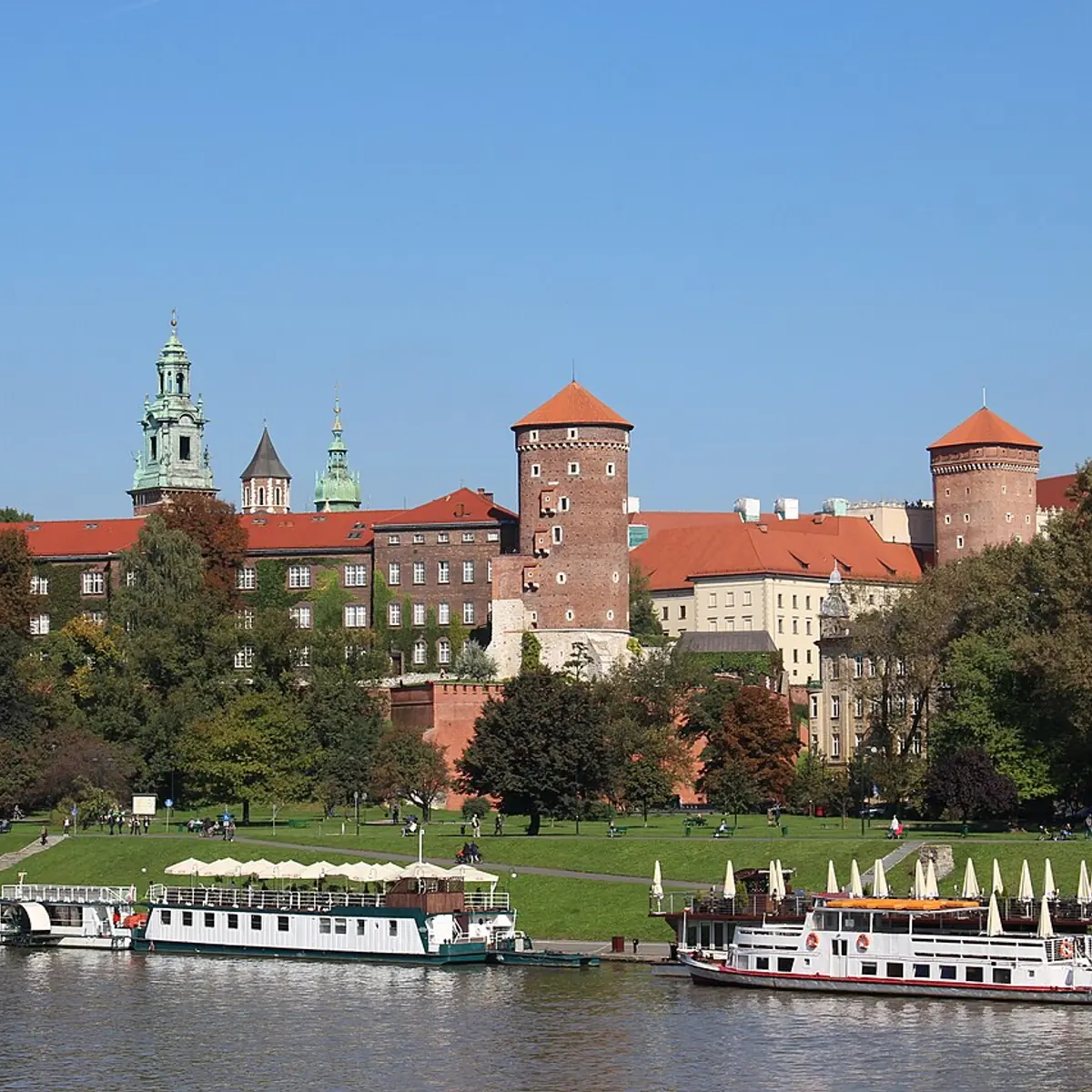
Wieża Duńska, the Danish Tower, rises beside the eastern wing of Wawel Royal Castle as one of its four residential towers. Its present form was commissioned by King Władysław Jagiełło between the late fourteenth century and 1424. The name recalls a remarkably specific guest: Erik of Pomerania, king of Denmark, lived here in 1424 when he came for the coronation of Sophia, Jagiełło’s fourth wife.
This was not a new site. An earlier tower from about 1315 stood here, itself reusing part of the south-west wall of a twelfth-century keep. The name Danish Tower first appears in Kraków officials’ accounts in 1525, the year its dressed-stone façade was made.
During the sixteenth century, it became part of the Renaissance castle, and an open Renaissance pavilion was added at the top between 1529 and 1531. After the fire of 1595 damaged the castle roofs and upper storey, King Sigismund III Vasa had that open pavilion enclosed to make extra royal rooms, and he also took over the tower’s first floor. The nineteenth century supplied imitation-Gothic alterations and battlements, later stripped away. The open, columned loggia at the summit dates from the restoration designed by Adolf Szyszko-Bohusz in the nineteen twenties.