Wawel Zaginiony, Kraków
Updated
Listen to how the story begins
0:00 / 0:45
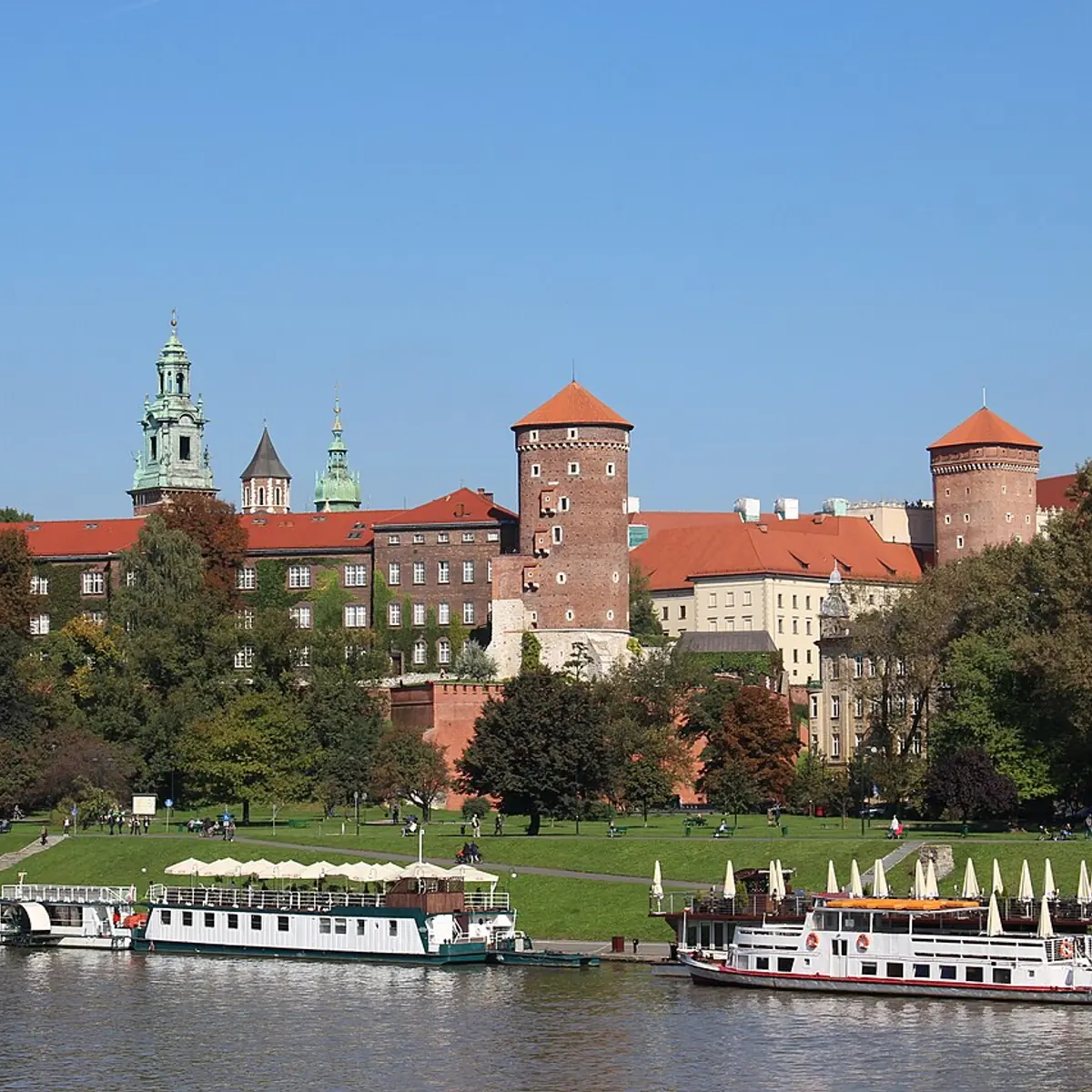
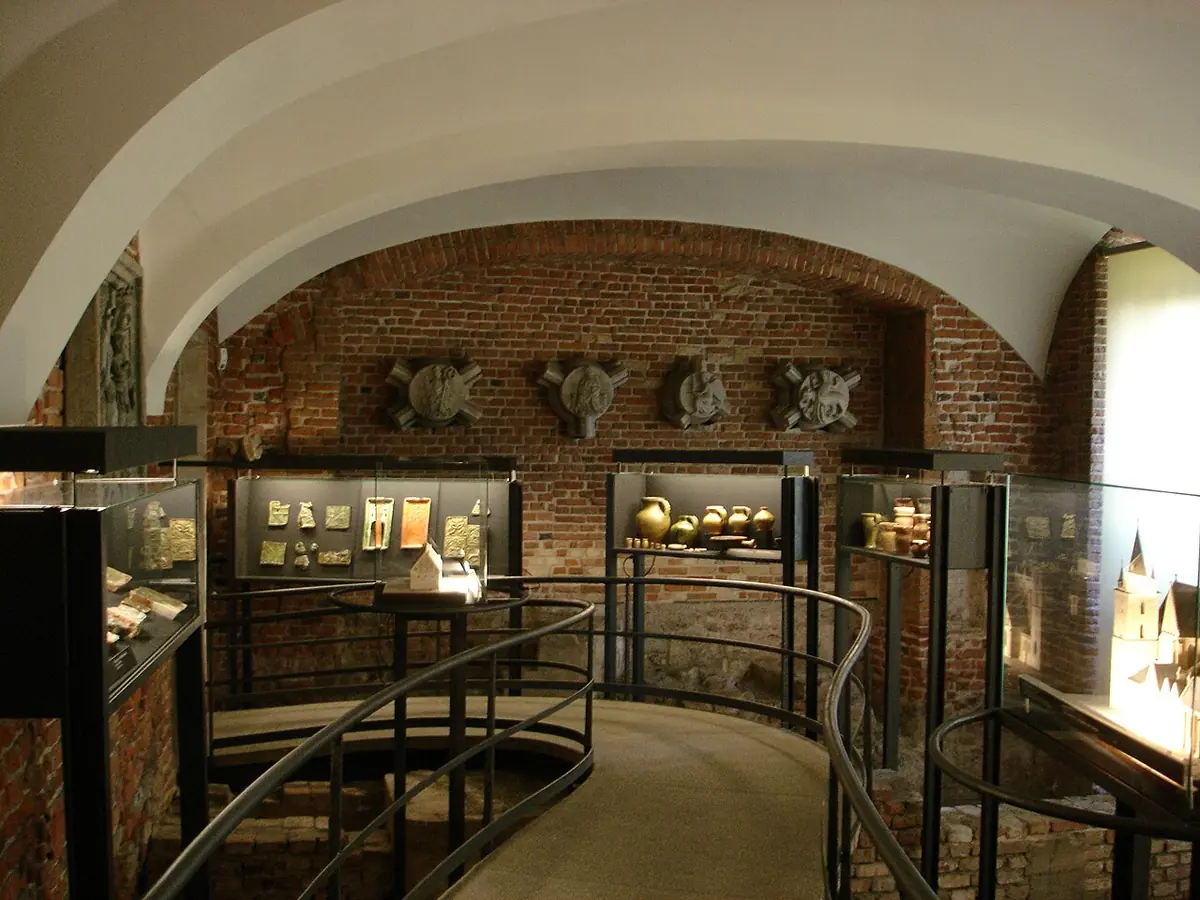
Wawel Zaginiony is an archaeological reserve and permanent exhibition devoted to the medieval history of Wawel Hill. It occupies a building from the nineteen-forties, erected where the royal kitchens once stood. Inside, the ground beneath the exhibition is part of the story: surviving walls and foundations reveal buildings that vanished long ago, while the cases hold finds recovered in Wawel excavations.
The central hall sets out a model of the hill as it appeared in the eighteenth century, when kitchens enclosed the castle on its western side and churches formed a small settlement nearby. One of the oldest remains is the rotunda of the Blessed Virgin Mary, built around the year one thousand. From the elevated walkway, you can see its original sandy floor, part of an oratory wall, and the wall of an earlier medieval burial mausoleum, still containing a skeleton.
The display then moves through royal carriage houses and the smaller kitchen. Among medieval discoveries are a tenth-century stone calf, glazed floor tiles from a thirteenth-century Romanesque cathedral, coins of Polish rulers, gaming pieces, rings, and pottery. In the royal kitchen, original brick paving, ovens, and hood-supporting pillars preserve the working side of a royal residence.