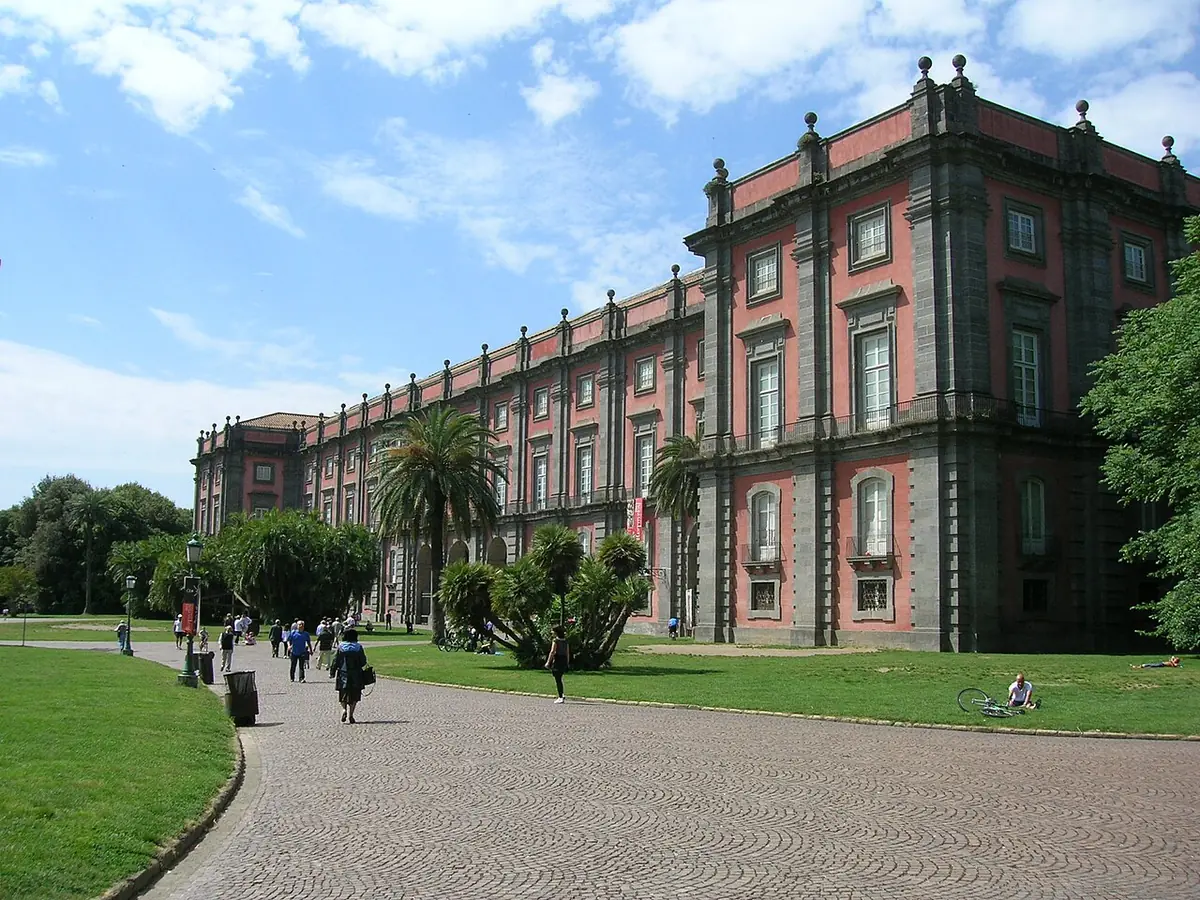
Reggia di Capodimonte, Naples
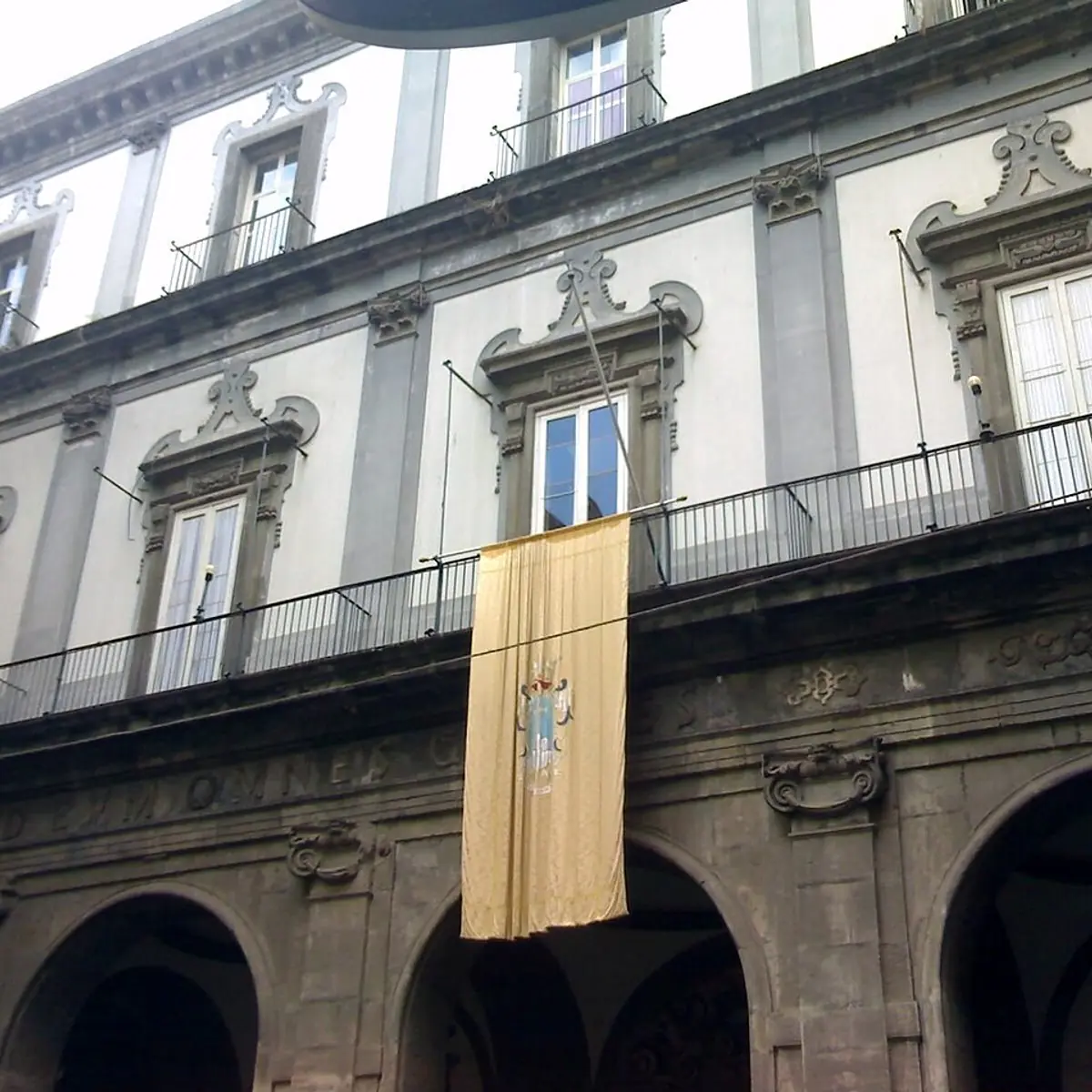
Reggia di Capodimonte is a royal palace set within a park, and its most remarkable transformation is still visible in its purpose: a residence created to shelter an exceptional art collection now houses Naples’s principal museum of paintings and other post-ancient art. The collection brings together a major body of Neapolitan painting with many works from the Farnese Collection. The building began in 1738, when Charles VII chose the hill for a hunting lodge, then expanded the plan into a grand palace.
The site was selected partly because his existing residence could not accommodate his court, and partly because the inherited Farnese works needed a home. Construction continued for more than a century, with Giovanni Antonio Medrano, Antonio Canevari, Ferdinando Fuga and Antonio Niccolini guiding its design and later development. The palace was completed in 1840.
As you look across the palace, imagine its changing royal occupants: Bourbon rulers, then Joseph Bonaparte and Joachim Murat, and later the House of Savoy. Its royal apartments preserve furnishings, porcelain and maiolica linked to the dynasties who lived here. The surrounding Bosco di Capodimonte began as a royal hunting preserve. Inside, the museum’s strength is the meeting of local Neapolitan art with the remarkable legacy of the Farnese family.