Pałac Mańkowskich, Kraków
Updated
Listen to how the story begins
0:00 / 0:45
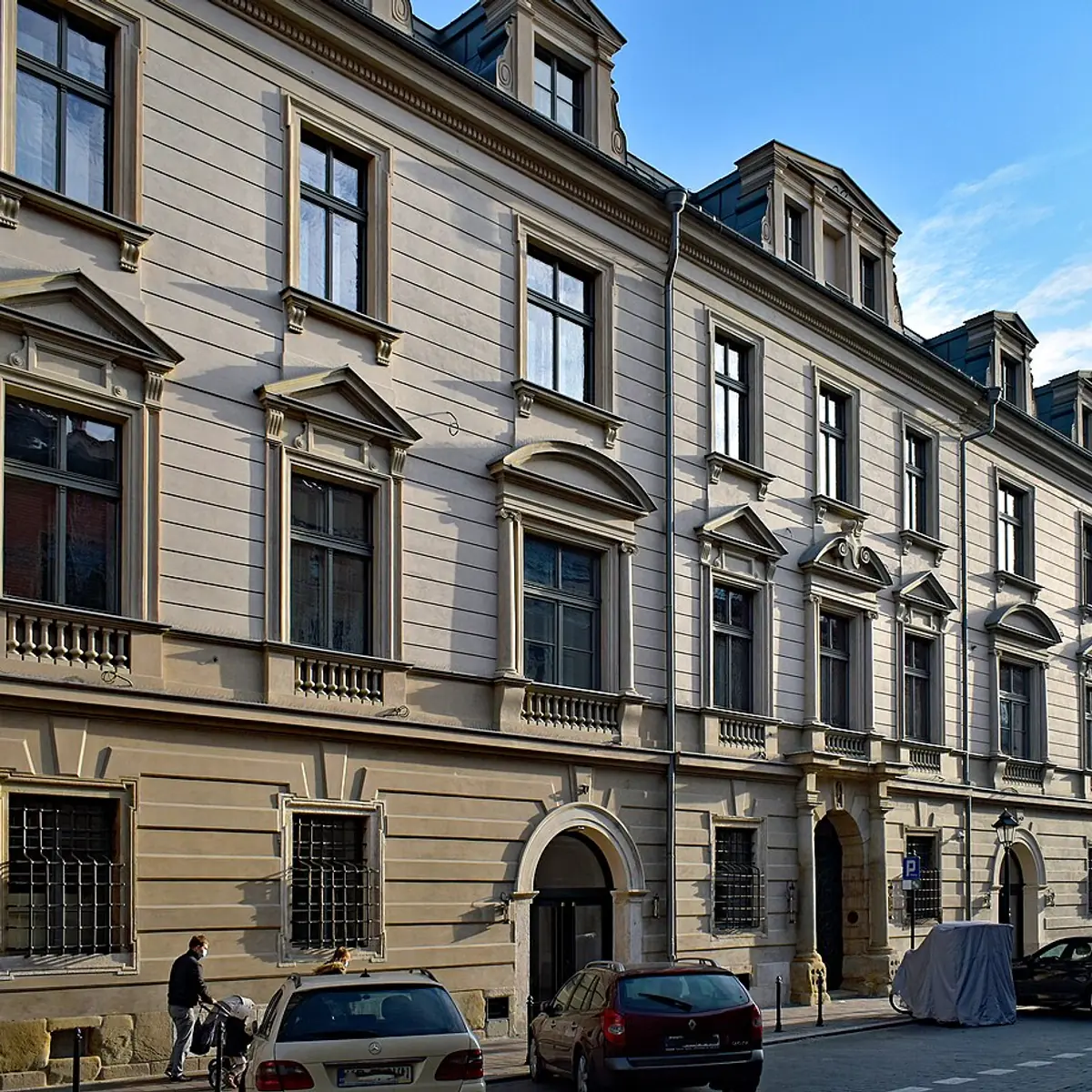
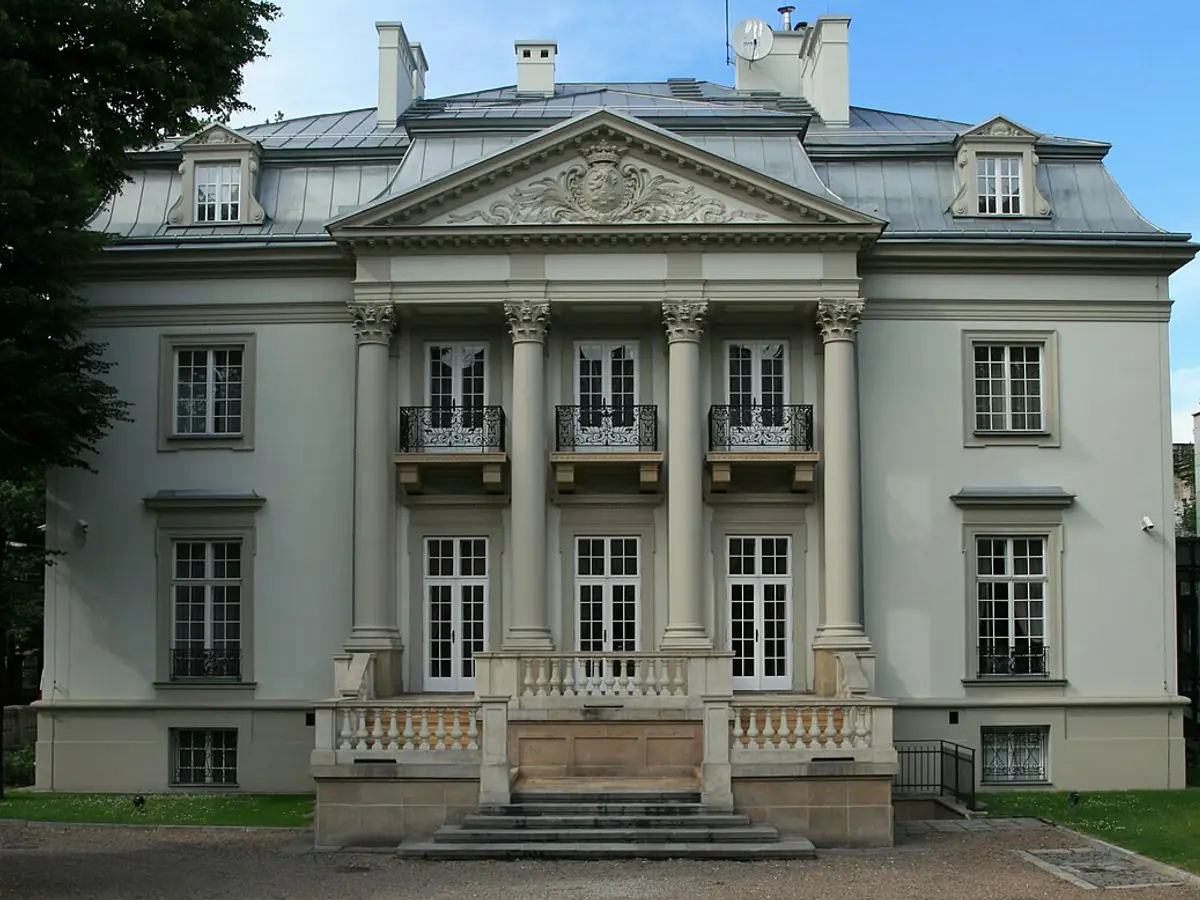
Pałac Mańkowskich is the dignified early-twentieth-century palace at number five Topolowa Street, in Kraków’s Wesoła neighbourhood. Its neoclassical design—an echo of the balanced forms and formal grandeur of ancient Greece and Rome—makes sense of the columned portico and the mansard roof before you. The palace was built from 1901 to 1903 for Leon Mańkowski, an Indologist and lecturer in Sanskrit.
Józef Sowiński and Władysław Kaczmarski designed it, with art historian Emanuel Świeykowski involved in the construction. Notice the triangular pediment on the southern side: it carries the Mańkowski family’s Prawdzic coat of arms. The building’s story then takes a sharp political turn.
After the Second World War it served the Kraków voivodes, and between 1950 and 1990 it housed the Lenin Museum. Conversion into museum galleries destroyed the original plaster ornament, painted decoration, and marble fireplaces; a monumental portico was also added to the northern elevation. The Lenin Museum closed in 1990, the palace returned to its owner the following year, and it now houses the Provincial Administrative Court. It has been protected as a historic monument since 1968.