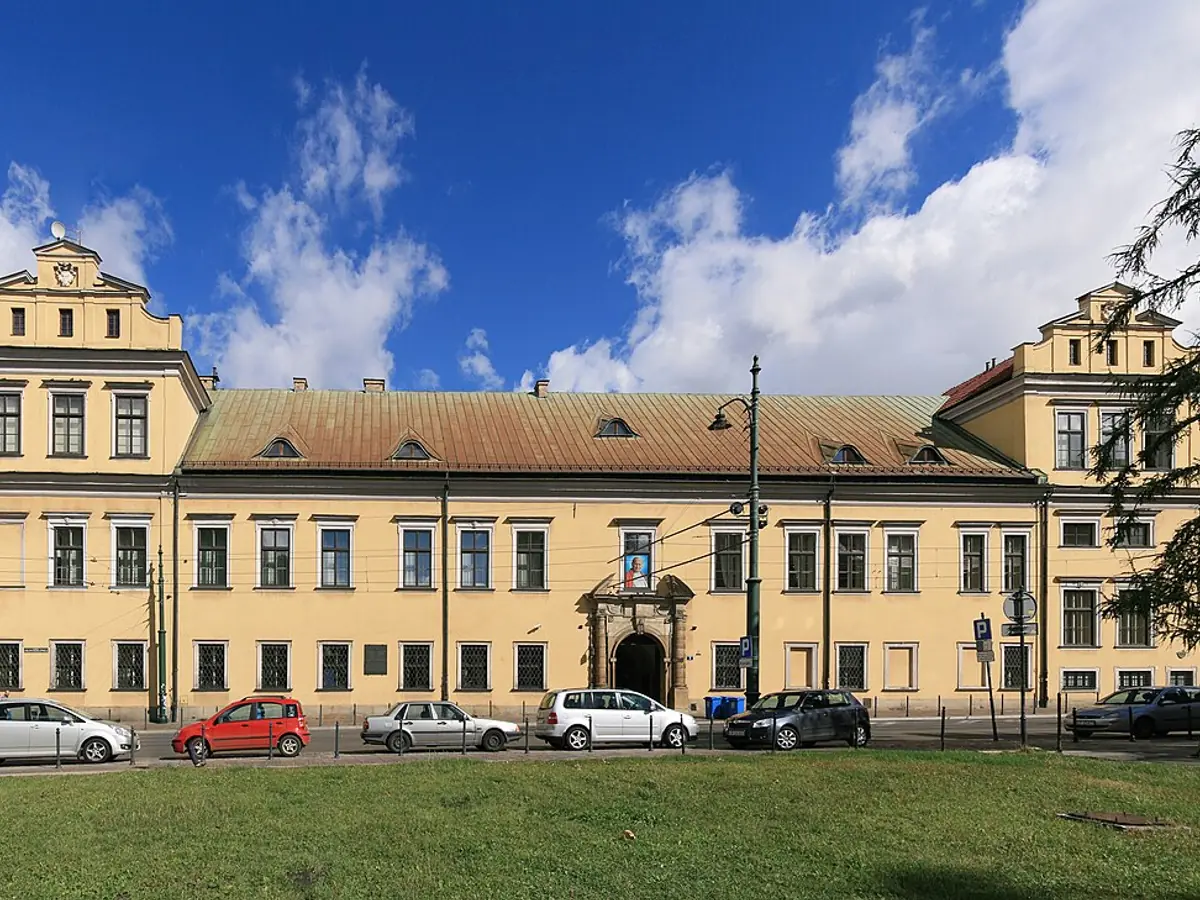
Pałac Biskupi, Kraków
Updated
Listen to how the story begins
0:00 / 0:45
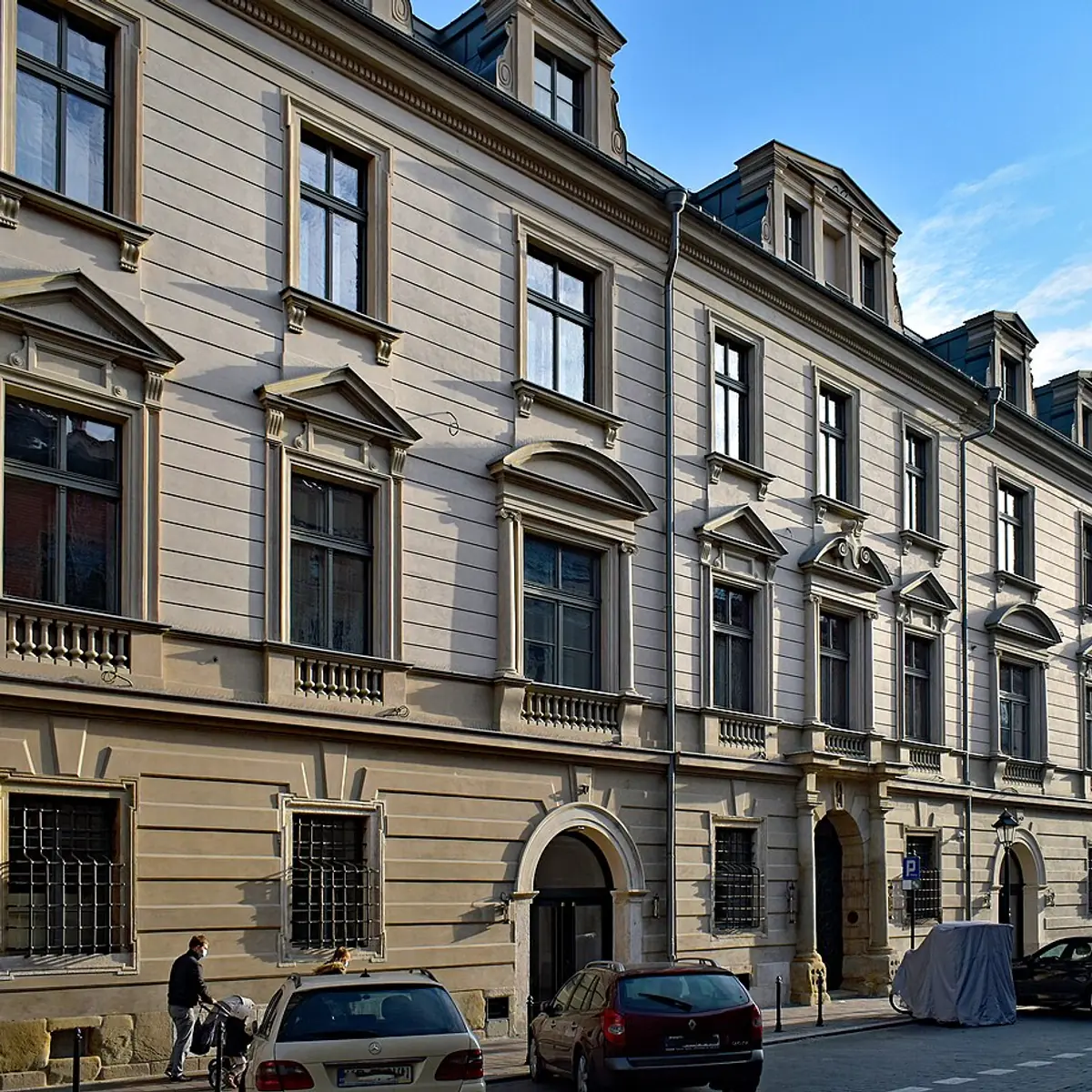
Pałac Biskupi, the Bishop’s Palace, is the long-standing home of Kraków’s bishops and the seat of the metropolitan Curia. It is Kraków’s largest palace after Wawel. Above the main entrance is the celebrated papal window, where John Paul the Second greeted and blessed people gathered below during his visits to the city.
Karol Wojtyła lived here as cardinal from 1958 until his election as pope in 1978, becoming the first Slavic pope in history. His connection with this address began much earlier: during the Nazi occupation, he studied in the clandestine archdiocesan seminary, and after escaping the German roundup of the sixth of August 1944, he and the other seminarians were housed here until the Germans left Kraków. The palace has survived repeated destruction without losing its central role.
A fire consumed it in 1462; Kraków’s great fire of 1850 devastated much of its furnishings and national memorabilia. Its nineteenth-century form still preserves Renaissance and Baroque decoration, including an arcaded loggia in the courtyard. The building’s public significance became especially vivid after John Paul the Second died in 2005, when about forty thousand people kept a night vigil outside.