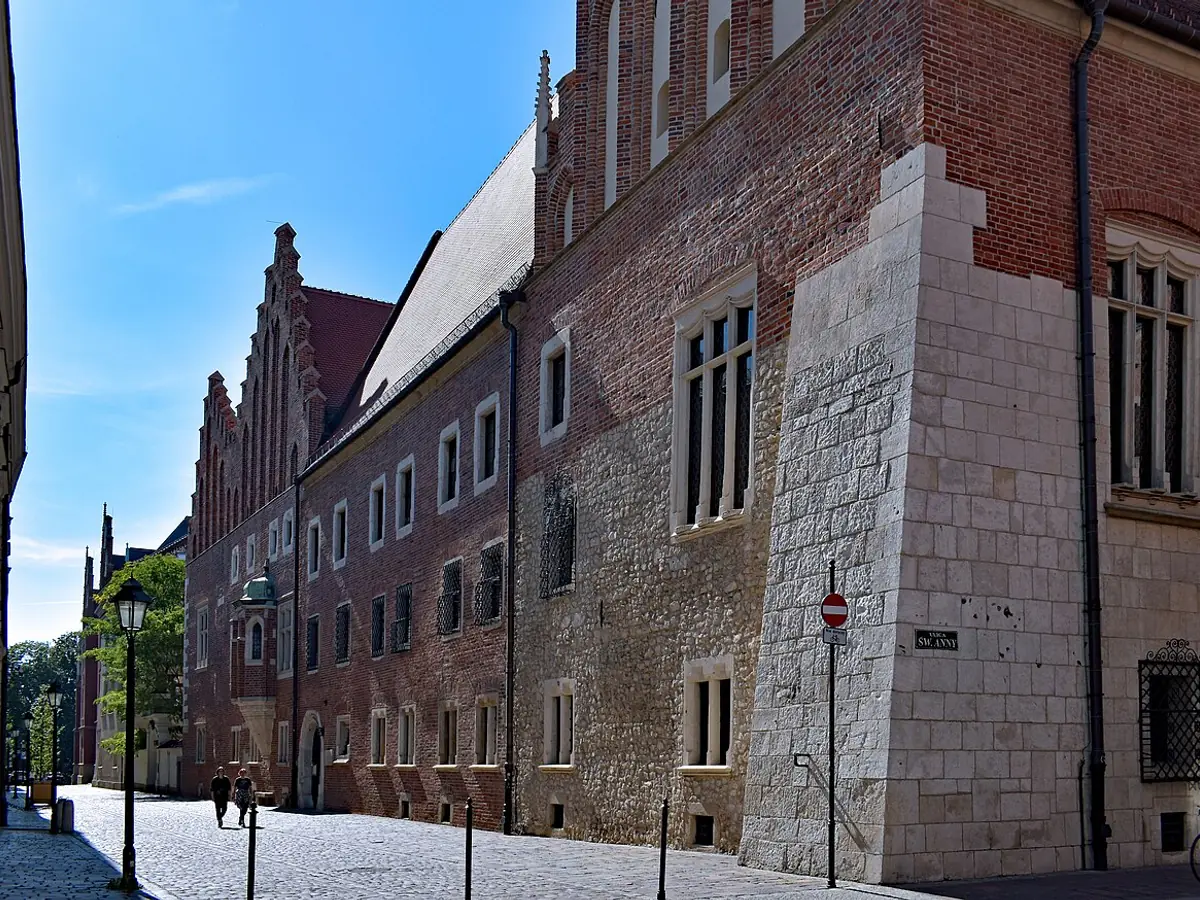
Muzeum Uniwersytetu Jagiellońskiego, Kraków
Updated
Listen to how the story begins
0:00 / 0:45
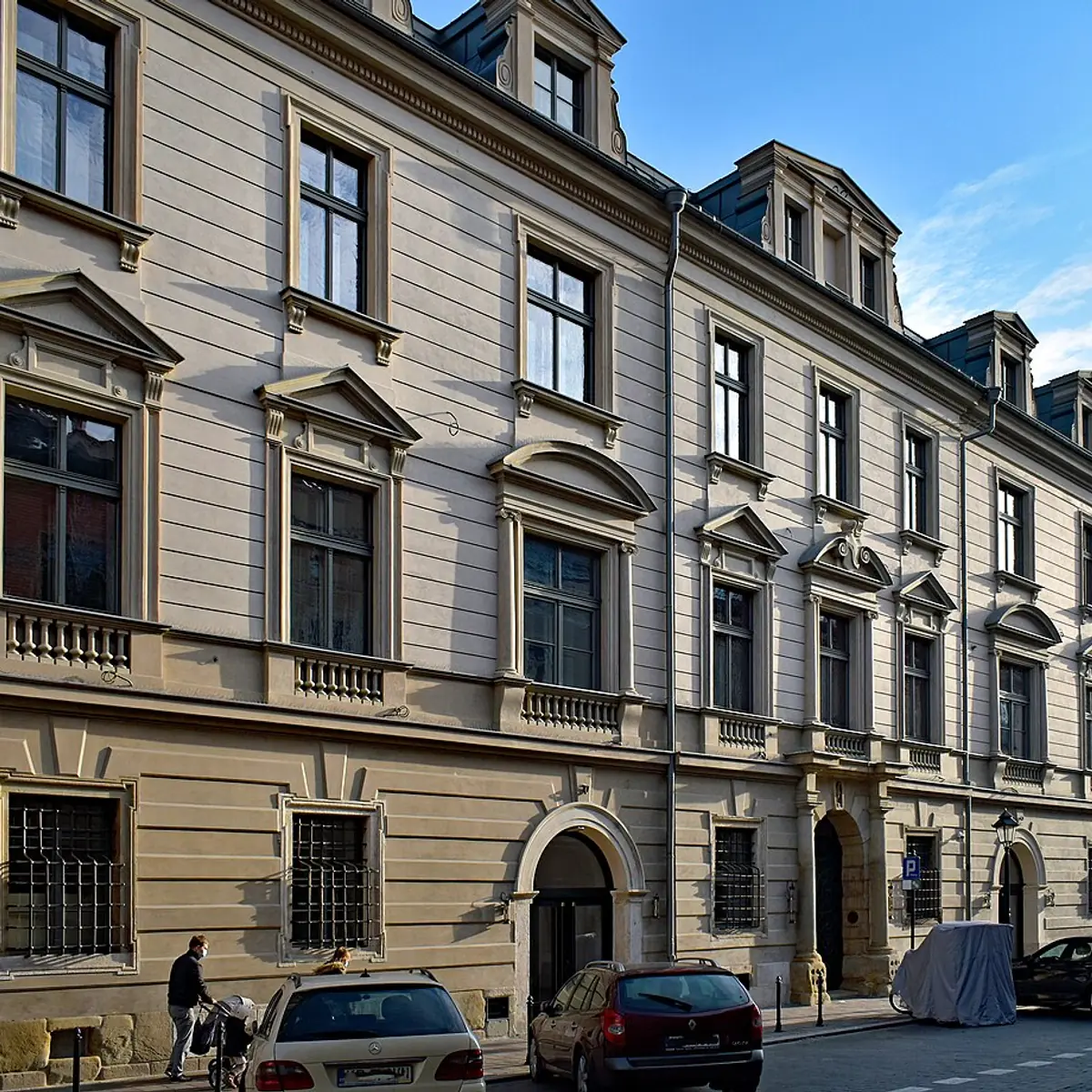
The Jagiellonian University Museum fills Collegium Maius, at the corner of Saint Anne and Jagiellońska Streets. Its story begins with an archaeological cabinet founded in eighteen sixty-seven by Professor Józef Łepkowski; under Austrian rule, the university was not permitted to call such a collection a museum. The holdings grew through gifts of valuable objects, and visitors already came to see them in the nineteenth century.
During the German occupation, the entire collection was removed to the cellars of what is now the University of Science and Technology. German officials stole many historic objects, treating the confiscated works as war booty intended for leading Nazis. After the war, Karol Estreicher drove a major restoration of Collegium Maius between nineteen forty-nine and nineteen sixty-four, stripping away its nineteenth-century Gothic-revival exterior treatment to recover the building’s pre-eighteen-forty appearance.
The museum then received the university’s historic artworks, mementoes, and scientific instruments. Inside, its scientific collection includes an Arabic astrolabe made in ten fifty-four, globes including the Jagiellonian Globe, and a gas-liquefaction apparatus designed by Karol Olszewski in eighteen eighty-four. The museum’s permanent display tells the long history of the university itself.