Muzeum Farmacji UJ, Kraków
Updated
Listen to how the story begins
0:00 / 0:45
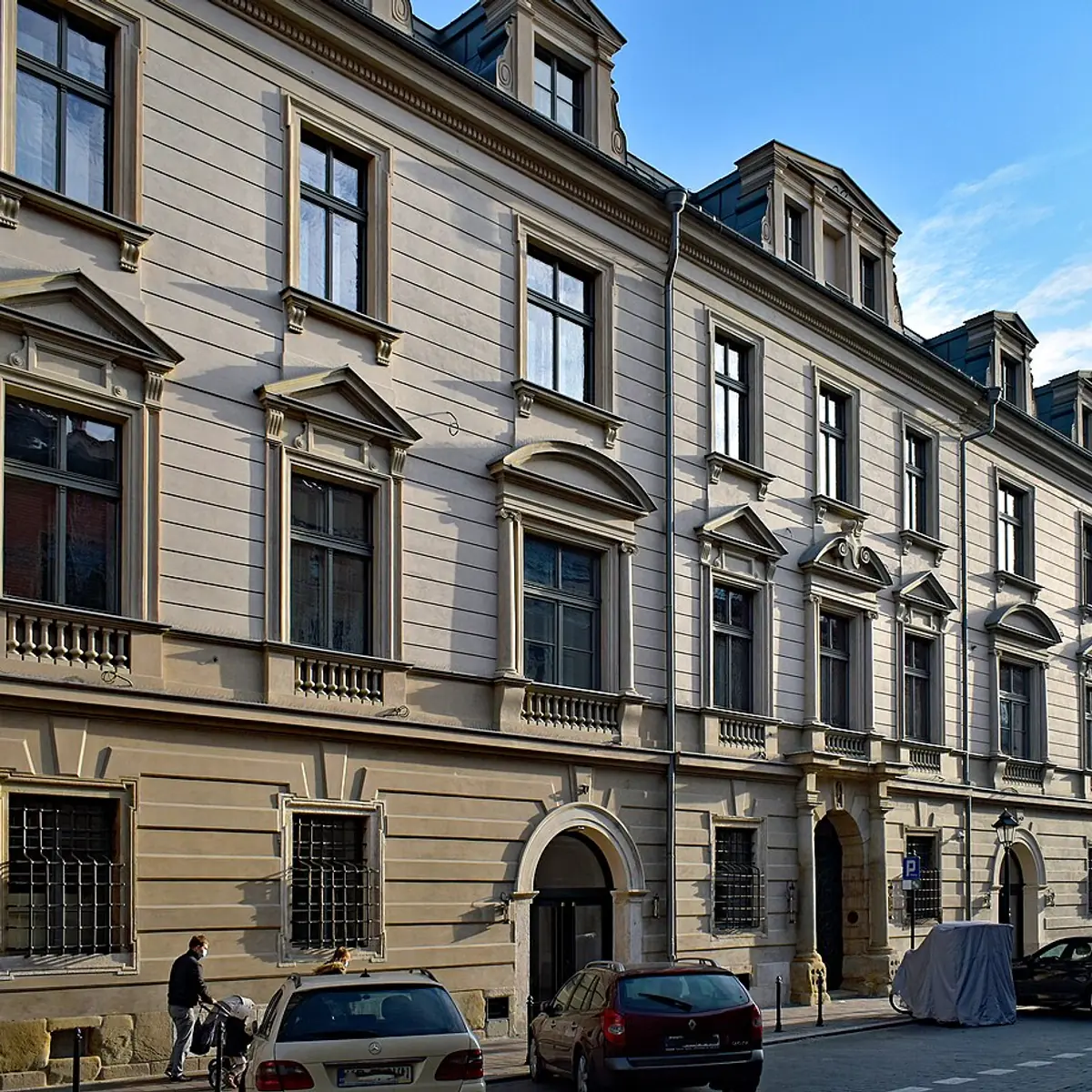
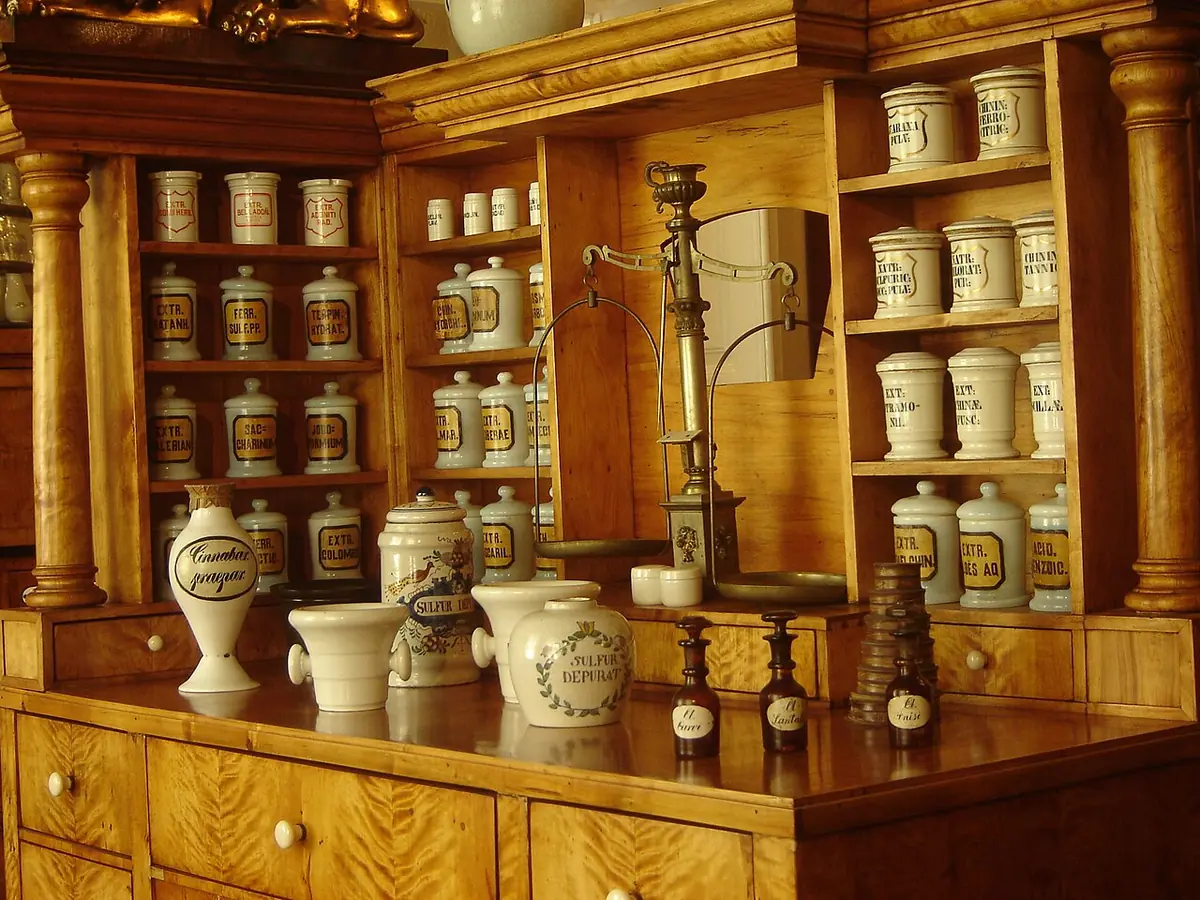
Muzeum Farmacji UJ, on Floriańska Street, takes you into the history of medicines and the tools used to prepare them. Founded in nineteen forty-six by Stanisław Proń, it is Poland’s oldest and largest pharmacy museum, as well as one of the world’s major collections of its kind. The collection fills the whole house: five levels, from cellar to attic, arranged around the practical life of an old pharmacy.
Down in the cellar, pharmacists once kept supplies according to what light, dryness, or dampness would preserve; the broad, dry attic served for drying and storing medicinal herbs. One room is devoted to Ignacy Łukasiewicz, the pharmacist who pioneered crude-oil distillation and created the kerosene lamp. Its holdings include an early lamp prototype and his own labelled home medicine chest.
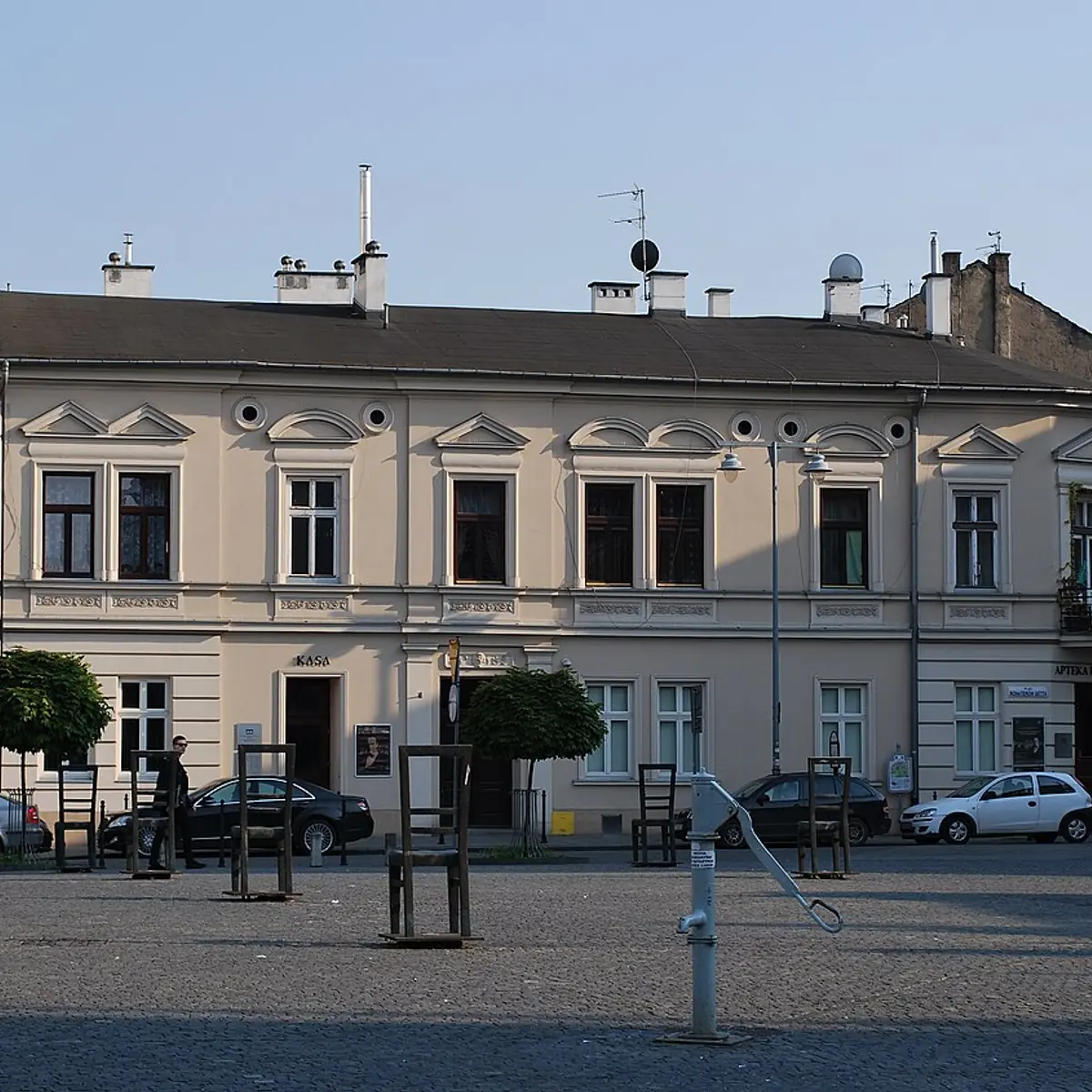
Another room remembers Tadeusz Pankiewicz, who kept the Under the Eagle pharmacy operating inside the Kraków Ghetto during the Nazi occupation and later received the Righteous Among the Nations medal. The small objects here can carry large ideas: Marian Zahradnik’s sub-gram weights identify their own value by shape, a design adopted first across the Austro-Hungarian lands and then more widely in Europe. There is even an electric apparatus made to disinfect prescriptions, protecting pharmacists from germs carried on the paper.