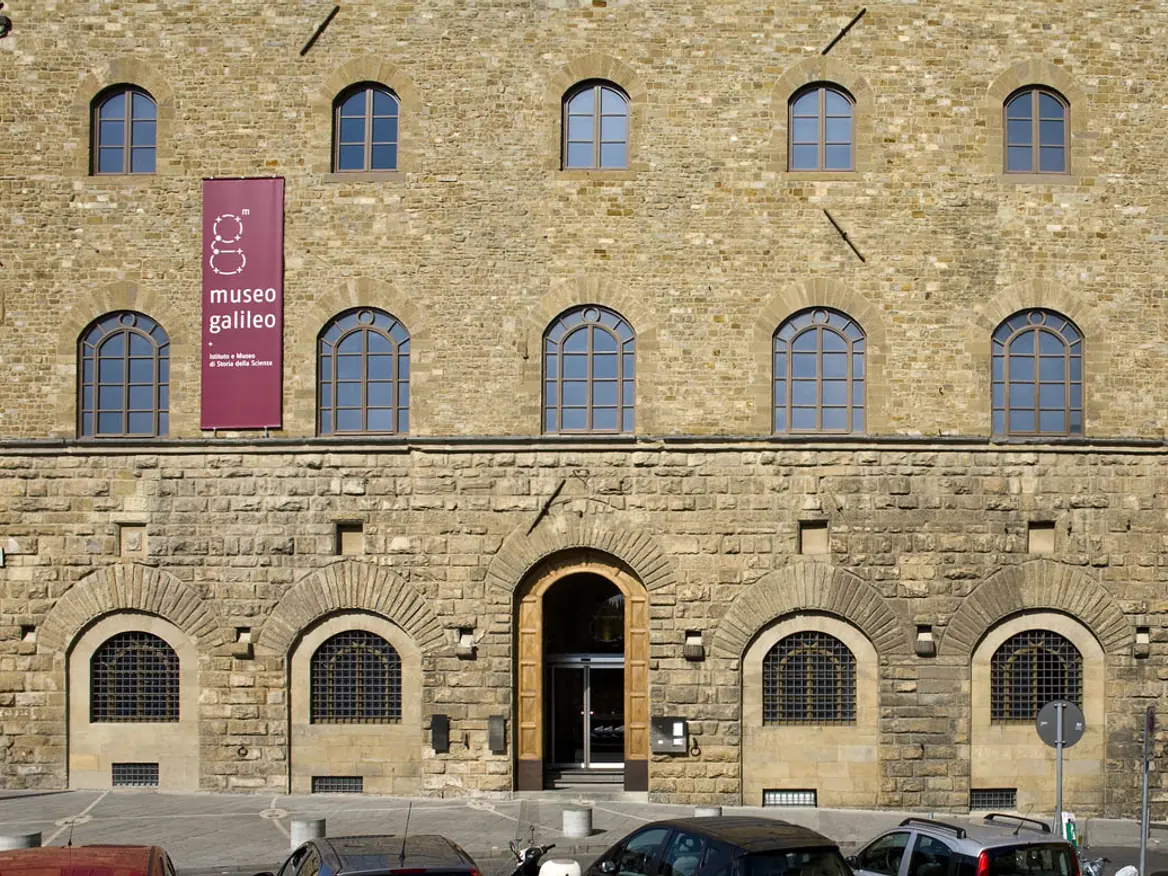
Museo Galileo - Istituto e Museo di Storia della Scienza, Florence
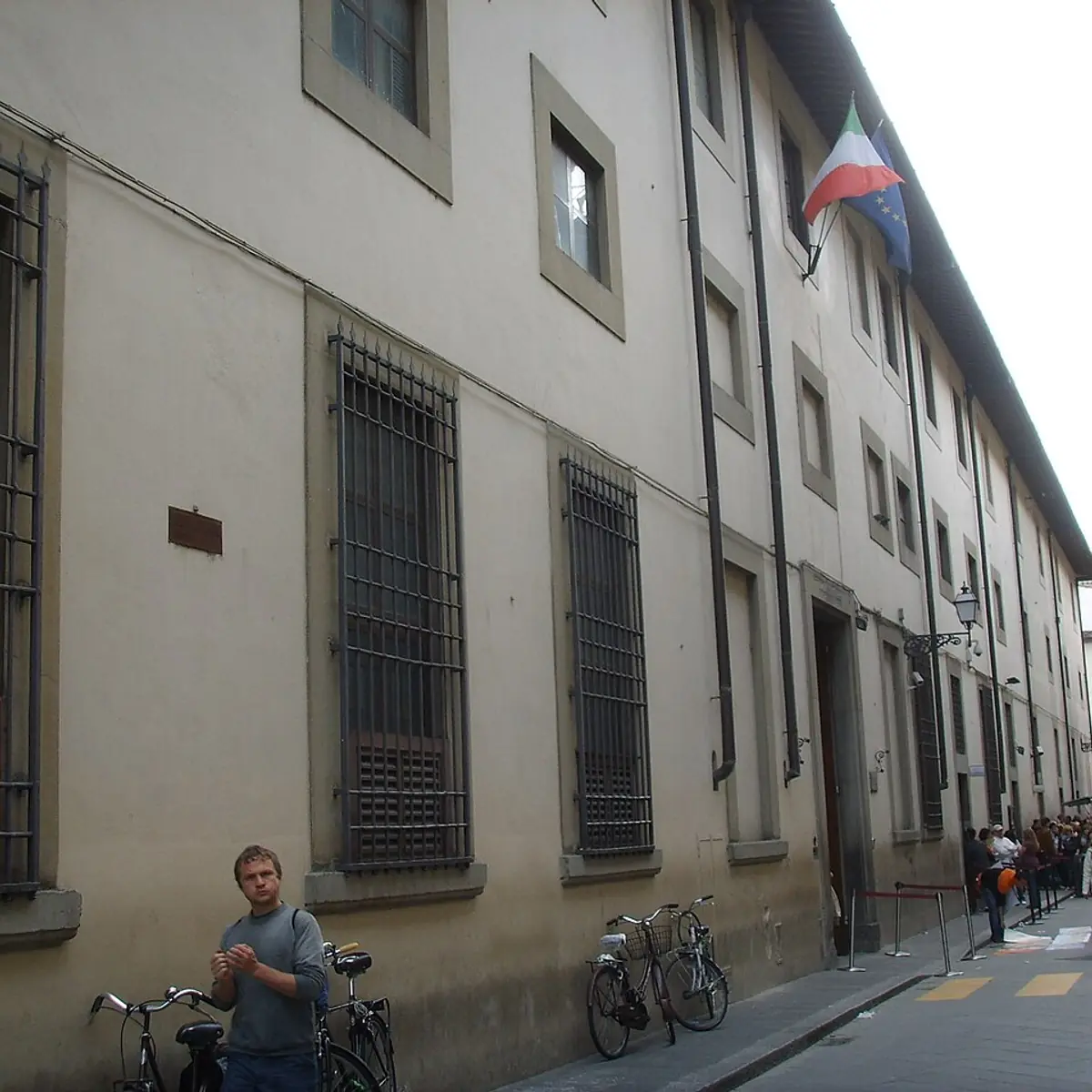
Museo Galileo is the museum housed in Palazzo Castellani, the historic building before you in Piazza dei Giudici. It is dedicated to Galileo Galilei and stands beside the Arno, near the Uffizi Gallery. The building dates from the 11th century and was once known as Castello d'Altafronte.
Inside, you find one of the world’s major collections of scientific instruments, assembled through the Medici and Lorraine dynasties’ long support of scientific work. The collection includes Galileo’s only two surviving telescopes, along with the lens from the telescope through which he identified Jupiter’s moons. The Medici rooms also contain thermometers connected with the Accademia del Cimento and an exceptional group of globes, including a large armillary sphere made by Antonio Santucci.
The Lorraine galleries present instruments and experimental devices linked to electricity, electromagnetism, and chemistry, as well as obstetrical wax models and Peter Leopold’s chemistry cabinet. The museum began in 1930, and after renovation it reopened under its present name in June 2010, marking 400 years since Galileo published Sidereus Nuncius. Look at the building’s substantial stone frontage, then let the museum’s central idea come into focus: here, scientific discovery survives through the instruments that made it possible.