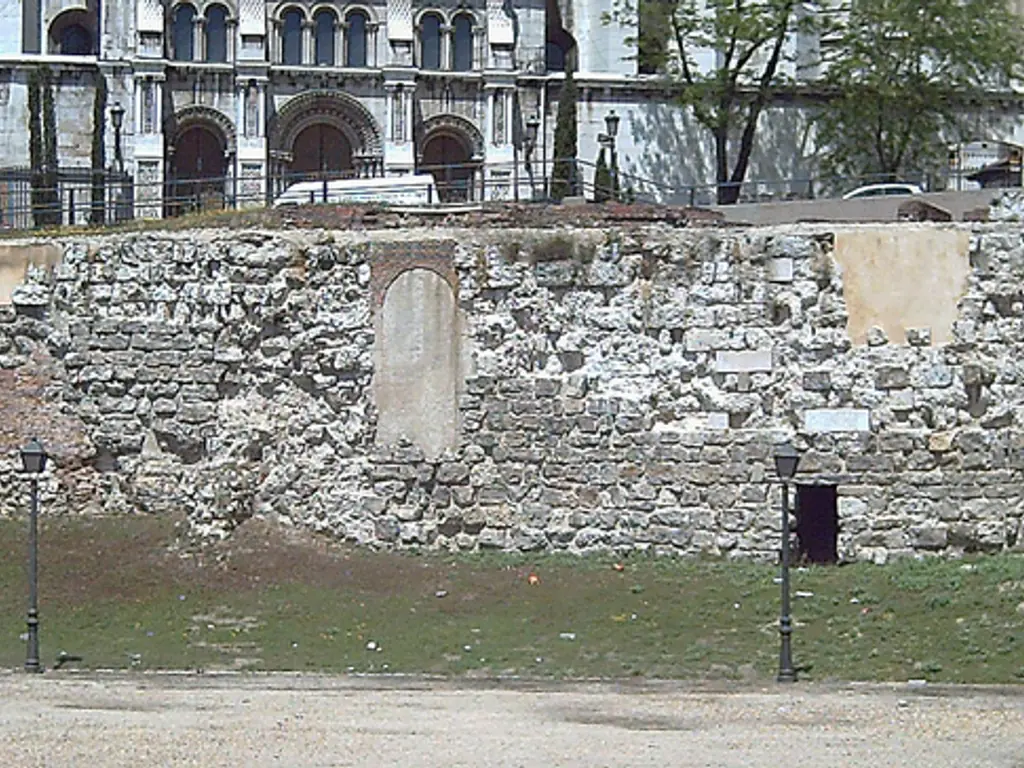
Muralla Musulmana, Madrid
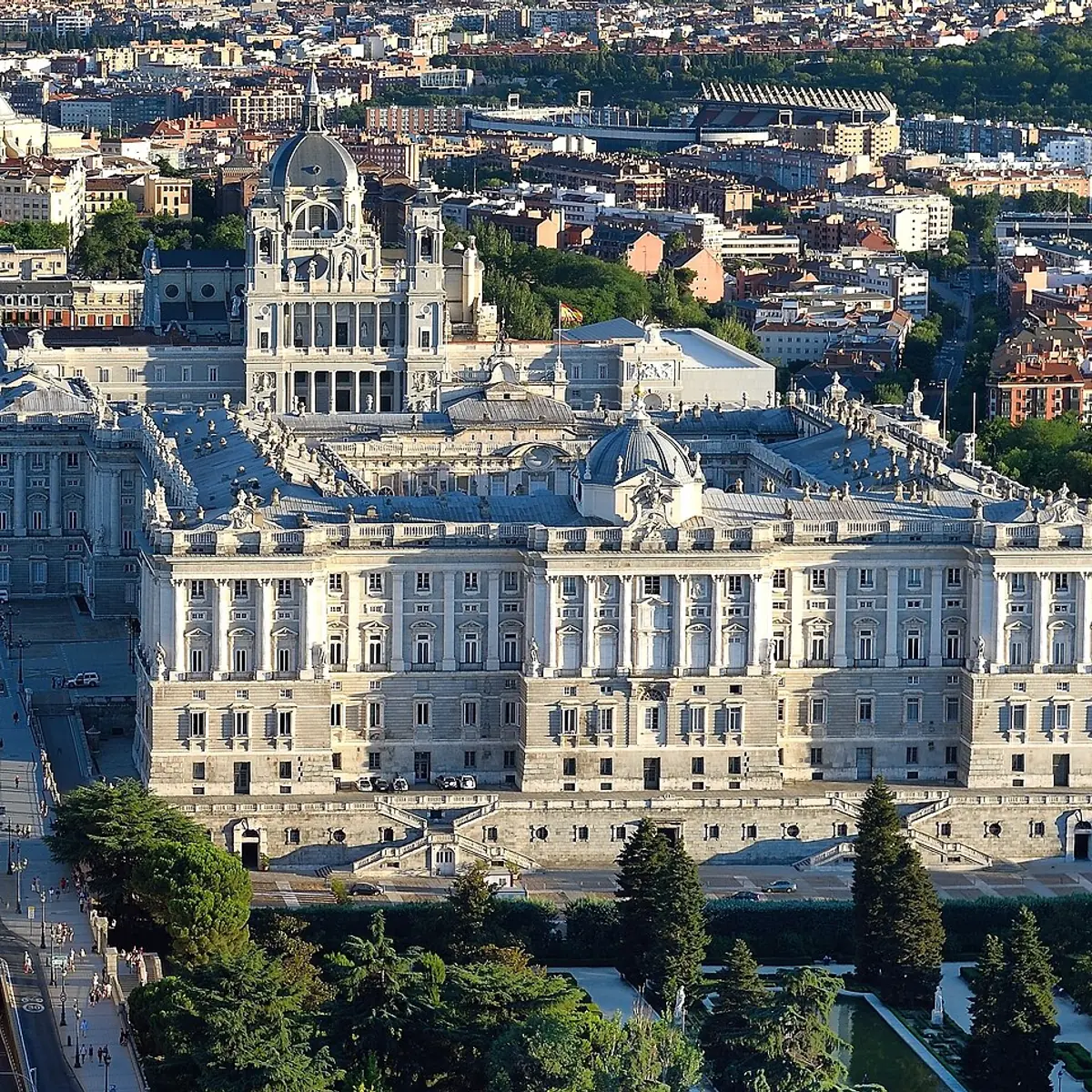
The Muslim Walls are the surviving fragments of Madrid’s earliest known construction, raised in the ninth century beside the Manzanares as part of a fortress that gathered the city around it. Their story begins with Muhammad I of Córdoba, who ordered them built between 860 and 880 to defend Mayrit, the Muslim citadel occupying the site of today’s Royal Palace. The enclosure protected an alcázar, a mosque, and the governor’s residence, extending about 980 metres around roughly 4 hectares.
Its three gates controlled movement through the fortified settlement and helped separate the medina from the neighbourhoods beyond the walls. The wall also guarded the route along the Manzanares, linking the mountain passes with Toledo. What remains is only a fragment of that defensive system, but its scale explains why these stones matter: they belong to the fortress around which Madrid developed.
A section uncovered beneath the Plaza de la Armería measures about 70 metres and may mark the Puerta de la Sagra, one of the enclosure’s entrances. The ruins of the Tower of Narigües survive at Calle Mayor 83; this detached lookout was connected to the main wall by a smaller wall.