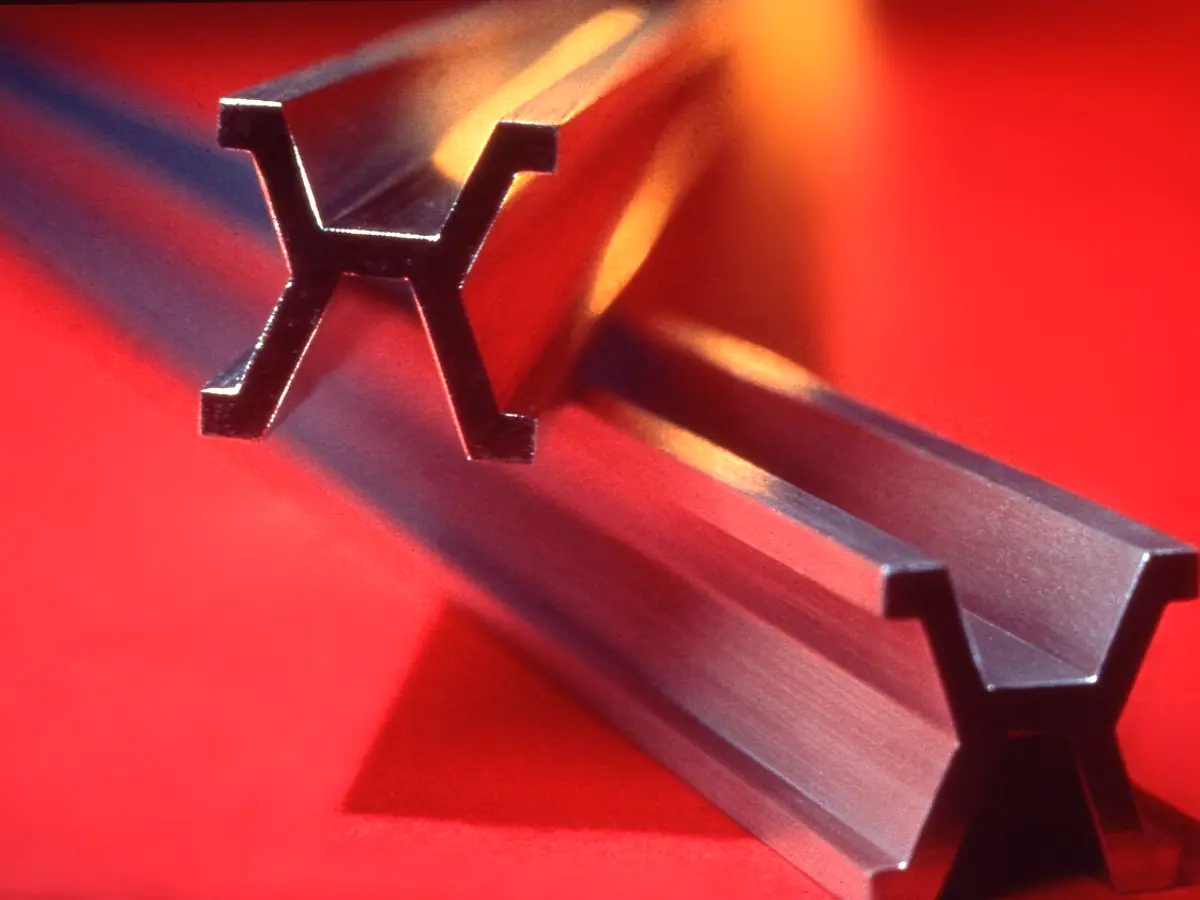

Mètre étalon, Paris
Mètre étalon is a marble plaque set into the wall at 36 rue de Vaugirard, carrying a precisely measured line. This is a surviving piece of the campaign that introduced the metre to Paris: revolutionary authorities installed sixteen public standards during the 1790s, allowing people to compare their measuring rods with the new decimal unit. This plaque remains at its original site, making it an unusually direct encounter with the birth of a universal measure.
Look at the incised line across the stone: its modest scale was deliberate. The architect Jean-François Chalgrin, later responsible for the Arc de Triomphe, designed these small public monuments to attract curiosity rather than dominate their surroundings. The unit itself began with an immense ambition: in 1795, the metre was defined as one ten-millionth of the meridian distance between the North Pole and the equator.
The surveying was still under way when a provisional value was adopted on 1 August 1793. Today, the metre is a basic unit of the International System of Units, but here it survives as a physical measure embedded in the city’s fabric.
More places in Paris
See everything in Paris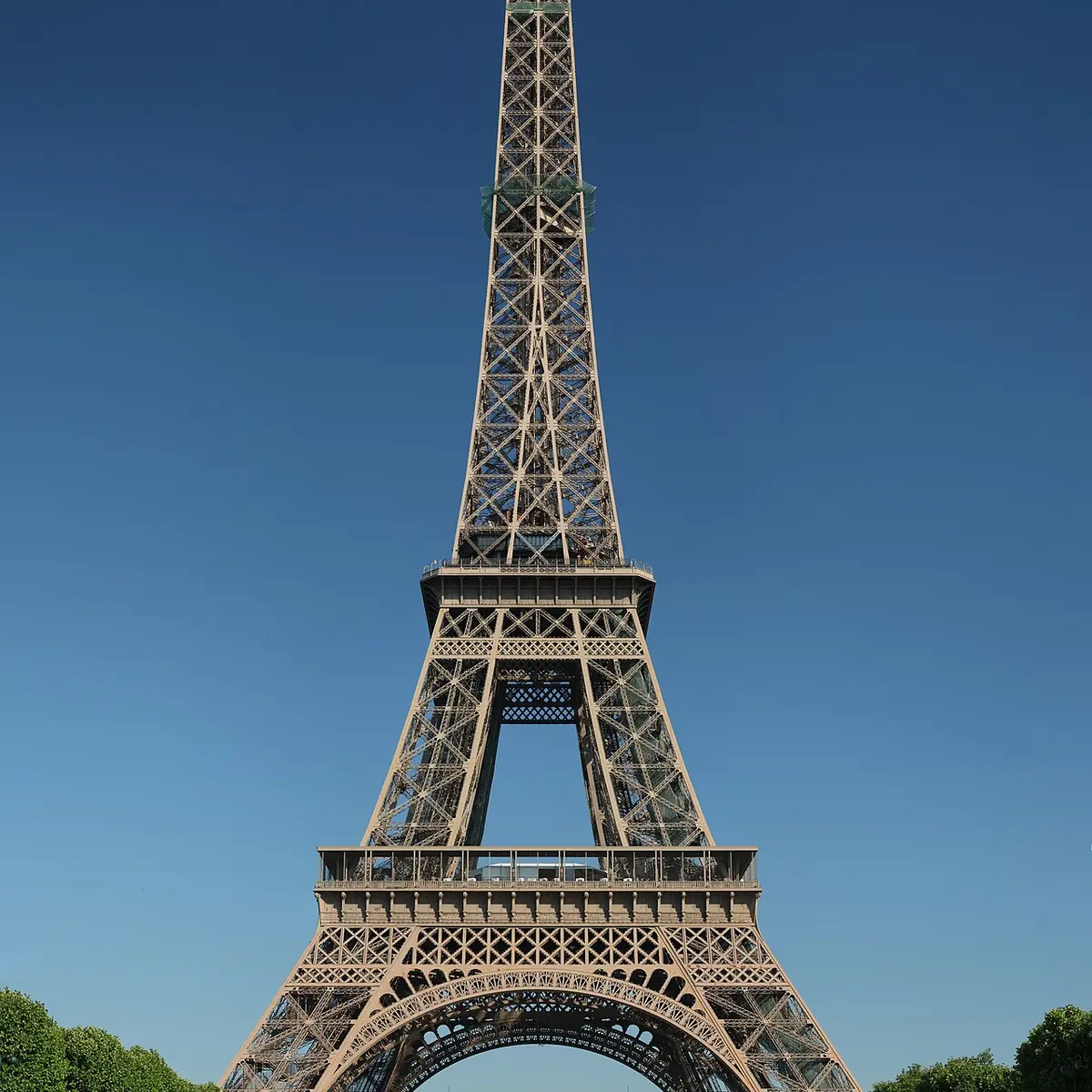
iBenh LIEU SONG (Public domain) Tour Eiffel
famous landmarks
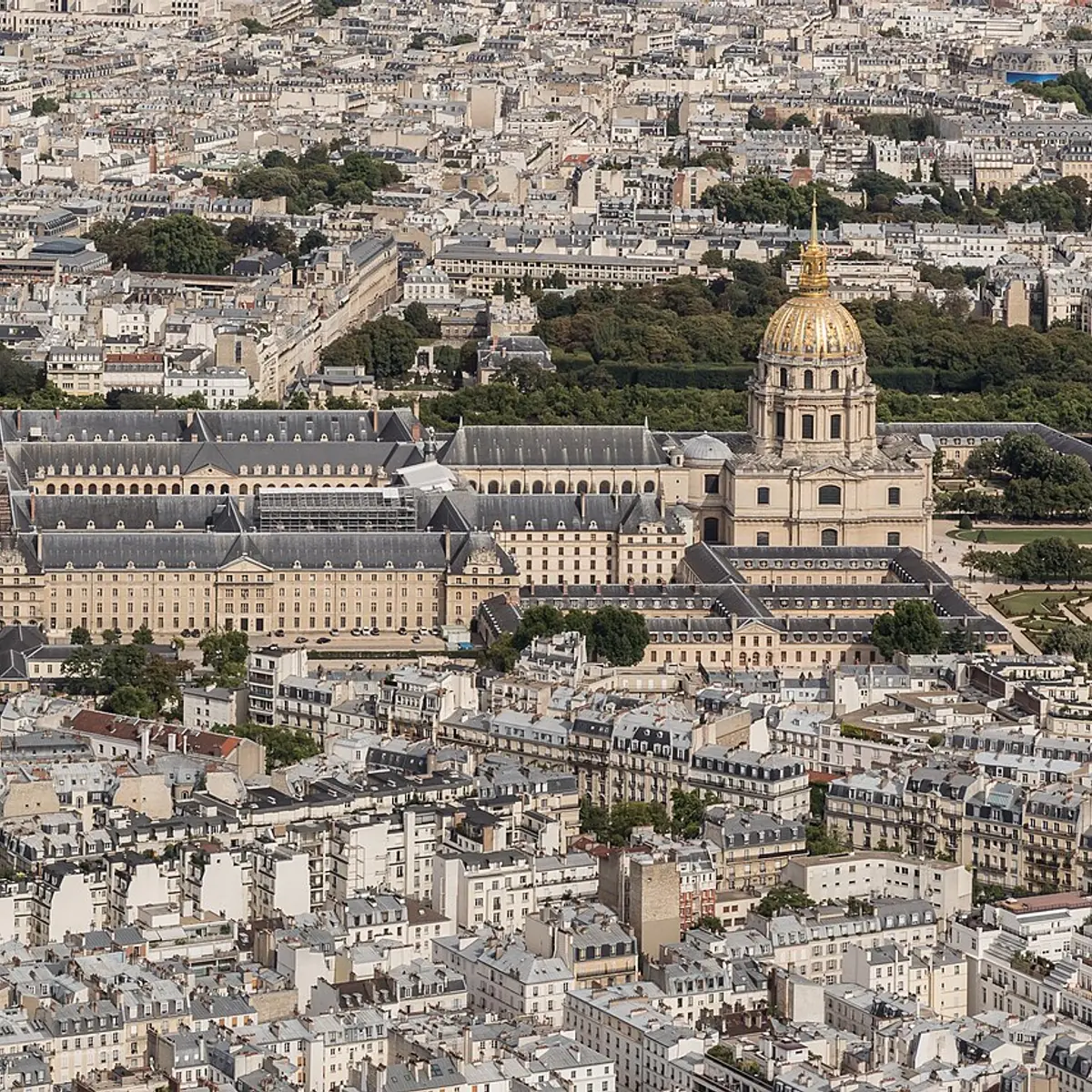
iAnother one of my pictures: This photograph was taken by Medium69 (William Crochot) and released under the license stated below. You are free to use it for any purpose as long as you credit the author (William Crochot), the Source (Wikimedia Commons) and the license (CC-BY-SA 4.0) in close relation to the image. Please do not upload an updated image here without consultation with the Author. The author would like to make corrections only at his own source RAW. This ensures that the changes are preserved.Please if you think that any changes should be required, please inform the author.Otherwise you can upload a new image with a new name. Please use one of the templates derivative or extract. (CC BY-SA 4.0) Hôtel des Invalides
history
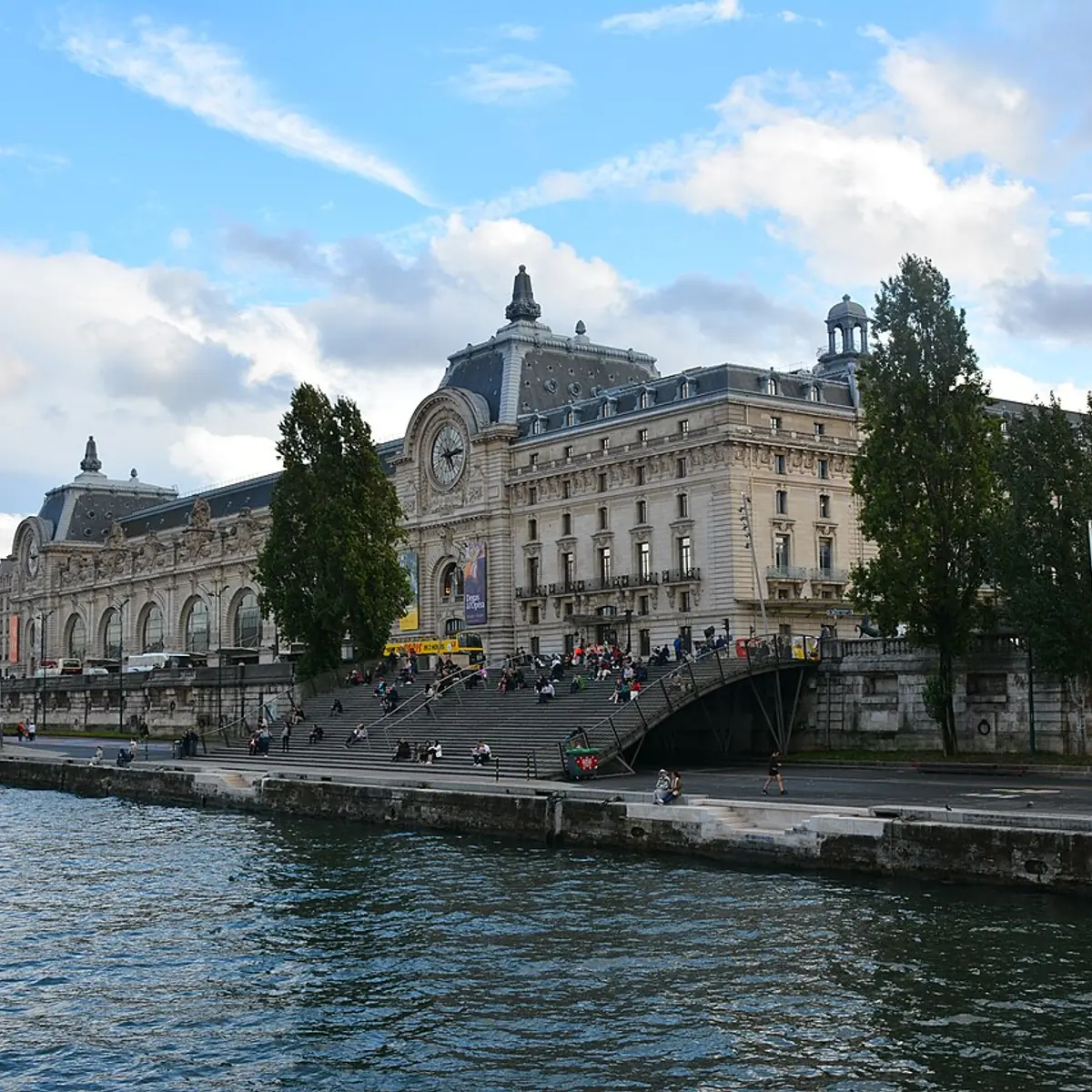
iCheng-en Cheng from Taichung City, Taiwan (CC BY-SA 2.0) Musée d'Orsay
culture
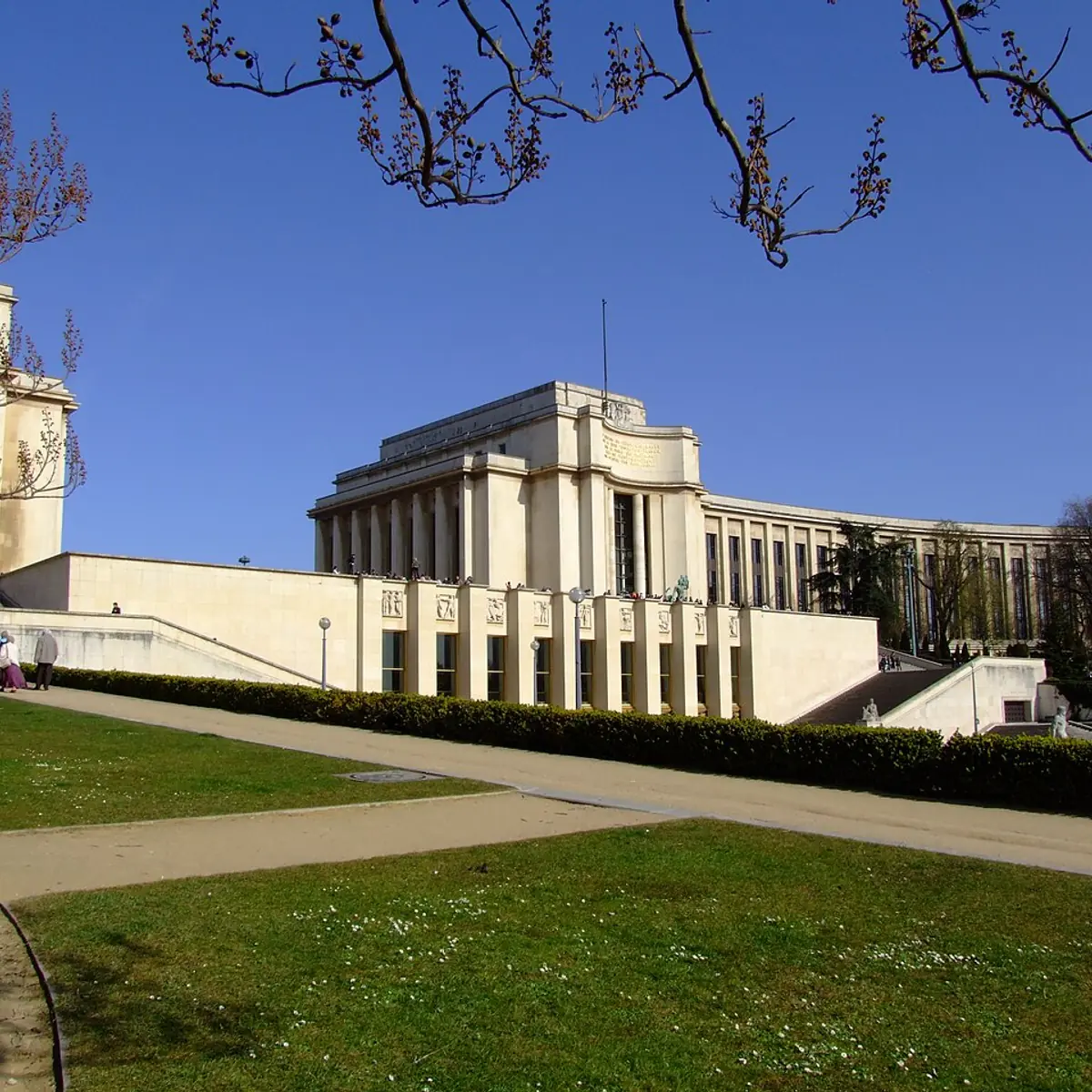
iAlfvanBeem (CC0) Palais de Chaillot
history