
Łazienki Królewskie, Warsaw
Łazienki Królewskie is Warsaw’s largest park, a palace-and-garden landscape that covers seventy-six hectares in the city’s Downtown district. Its name grew from an elaborate bathing pavilion made for Stanisław Herakliusz Lubomirski in the seventeenth century. King Stanisław August Poniatowski acquired the estate in seventeen sixty-four and reshaped the former bathhouse into the Palace on the Isle over the decades that followed.
Notice the Palace on the Isle: the original Baroque baths still survive within its walls. The king made this a summer refuge, welcoming diplomats, scholars, and writers; the palace also hosted his celebrated Thursday Lunches. The grounds brought together formal garden planning with more natural-looking landscape scenes, ponds, pavilions, and an outdoor amphitheatre.
During the German occupation, the park was closed to Polish residents, and the palace was burned near the war’s end. It survived, was restored, and the complex became a museum in nineteen sixty. Peafowl and red squirrels now share this royal landscape with more than nine thousand five hundred trees.
Good for
History, Architecture, Culture, Nature


.jpg)
More places in Warsaw
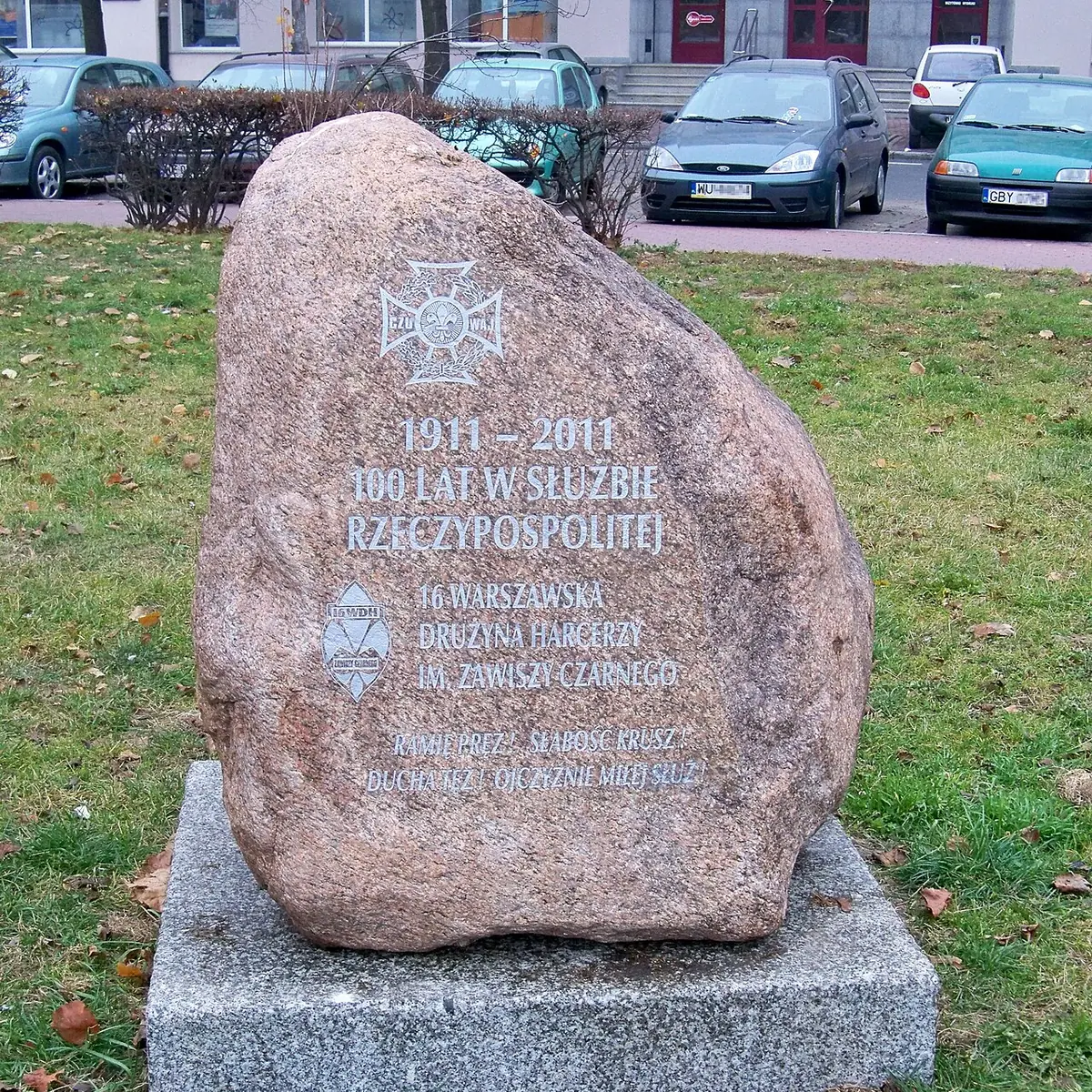
iPanek (CC BY-SA 4.0) 100 lat 16 Warszawskiej Drużyny Harcerzy
history
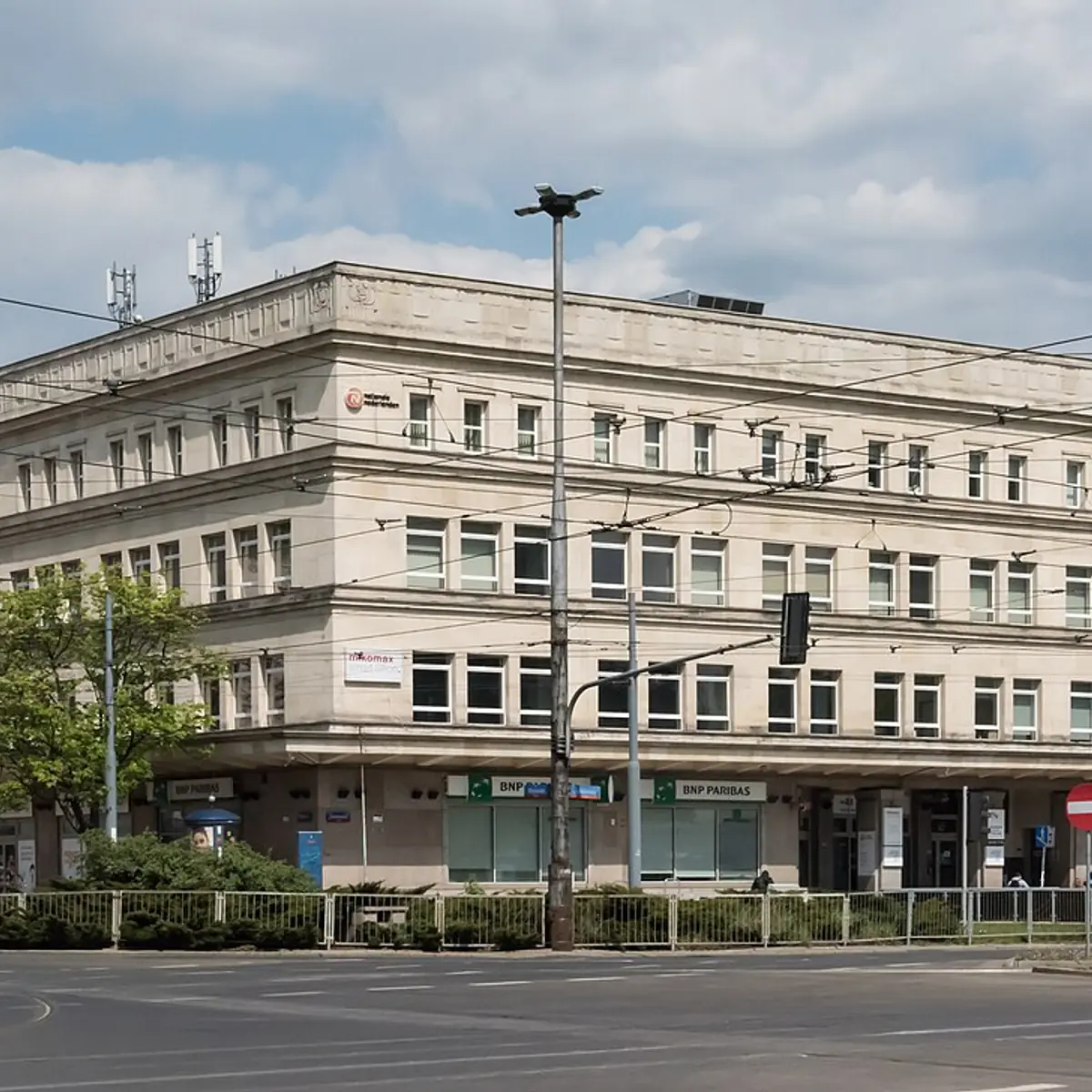
iAdrian Grycuk (CC BY-SA 3.0 pl) Adgar PDT Wola
history
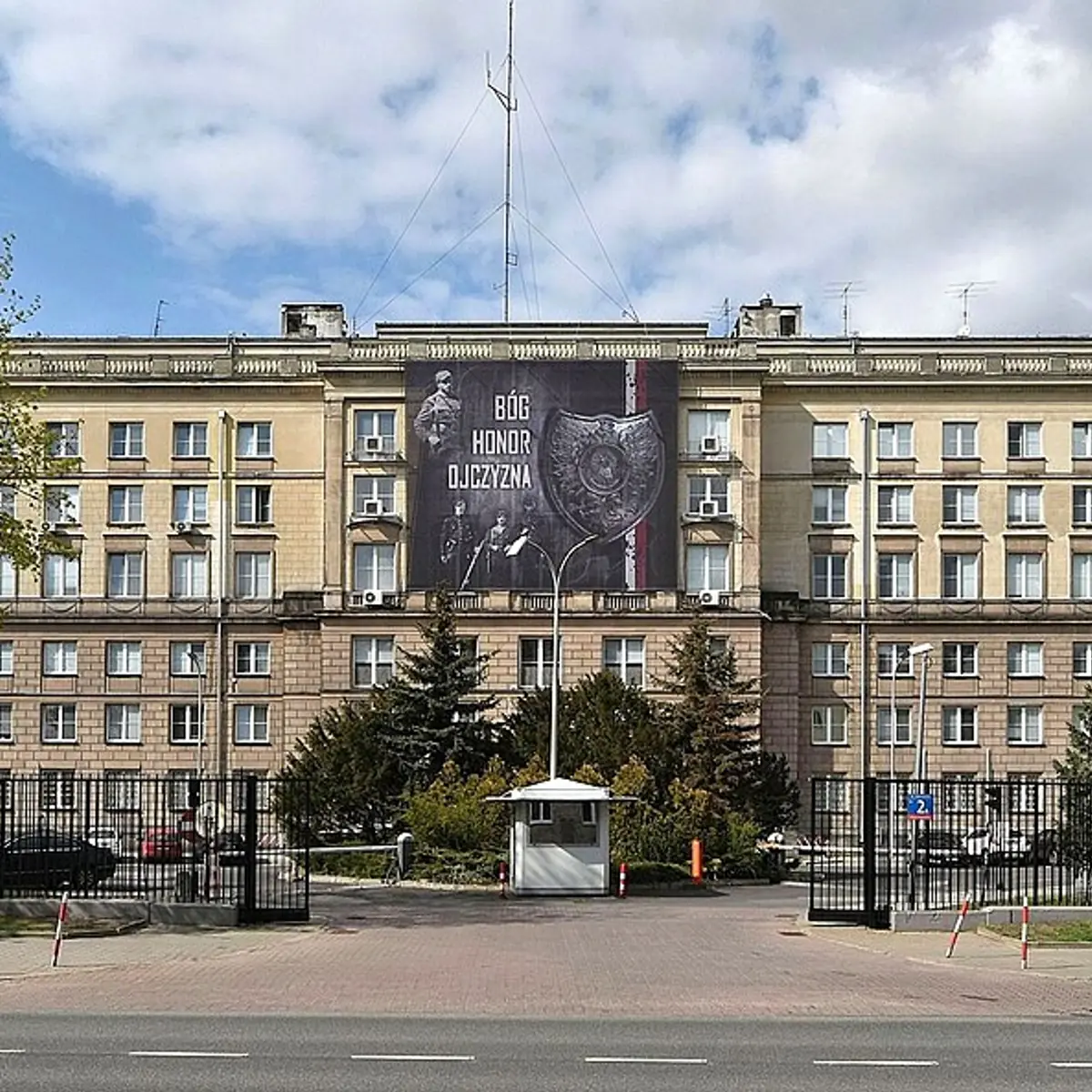
iAdrian Grycuk (CC BY-SA 3.0 pl) Agencja Bezpieczeństwa Wewnętrznego
history

iAdrian Grycuk (CC BY-SA 3.0 pl) Agnieszka Osiecka
culture