La Specola, Florence
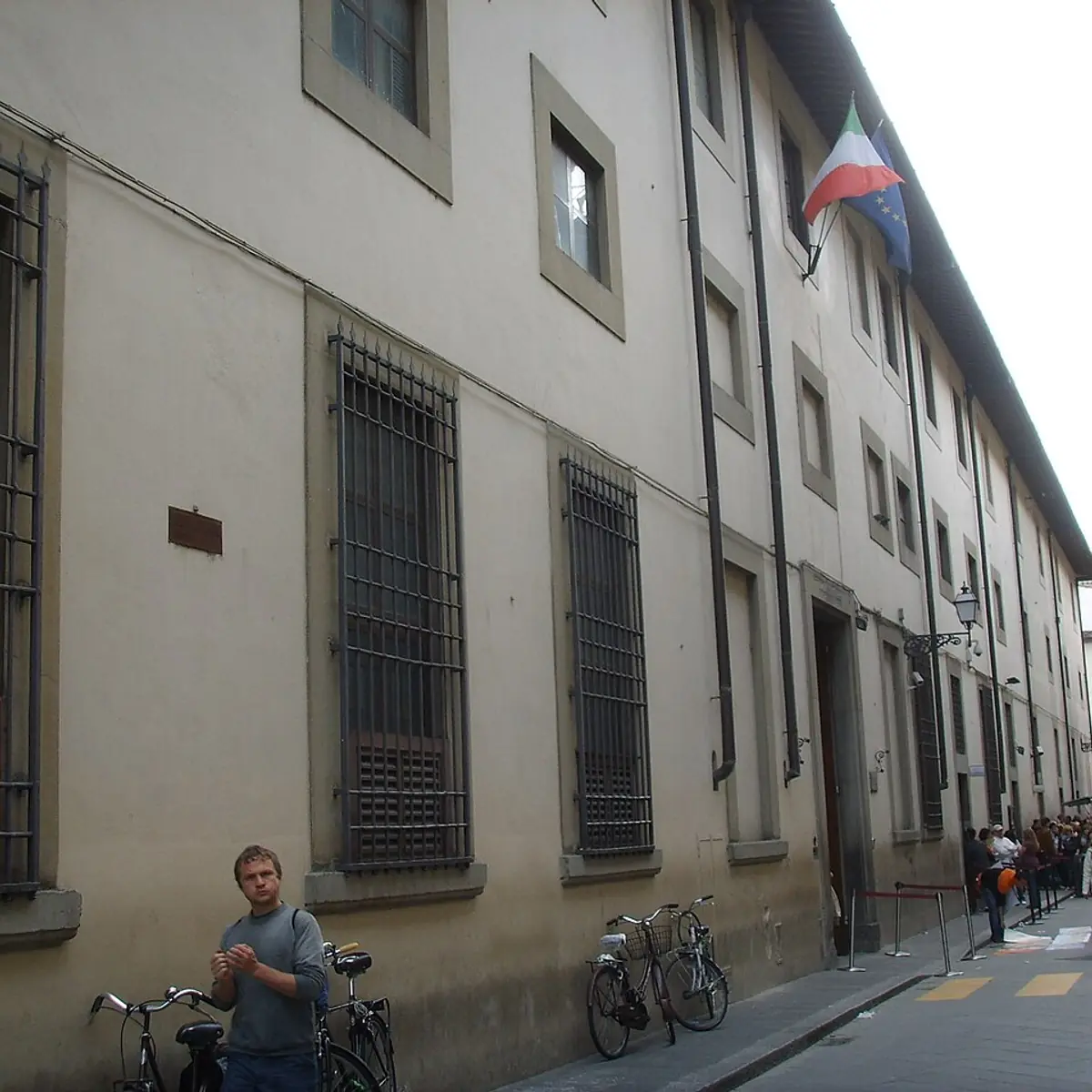
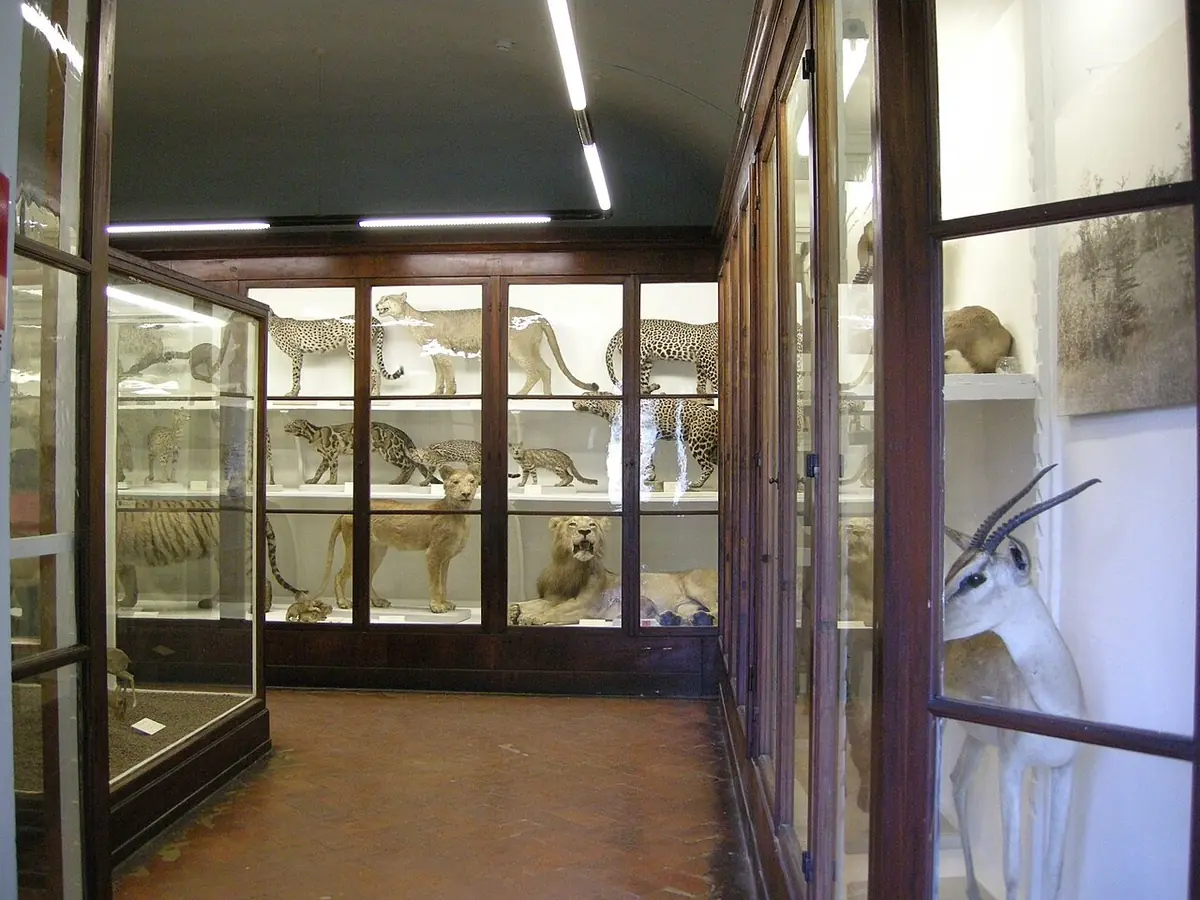
La Specola is a natural history museum beside the Pitti Palace, and its most famous treasures are remarkably lifelike wax studies of human anatomy. The museum opened to the public in 1775, making it the oldest scientific museum in Europe. Its collections grew from natural curiosities gathered by generations of the Medici family, and today the displays include animals, minerals, scientific instruments, and botanical and anatomical models.
Look at the wax figures as works of instruction rather than portraits. The collection was created to teach anatomy in three dimensions, reducing the need to rely constantly on dissecting corpses. Among its most striking figures is a flayed body, shown with muscles, blood vessels, and even tiny capillaries formed with silk threads.
The models were built from corpses, first shaped in clay, then cast in plaster moulds before wax, resin, and pigments were poured in. Clemente Susini and artists from his Florentine workshop made many of them. The museum also preserves a stuffed hippopotamus that once lived in the Boboli Gardens, and a collection of small macabre scenes showing the effects of plague, made by Gaetano Giulio Zumbo. The name La Specola refers to an observatory established here in 1790, linking this unsettling gallery of bodies and animals with the study of the heavens.