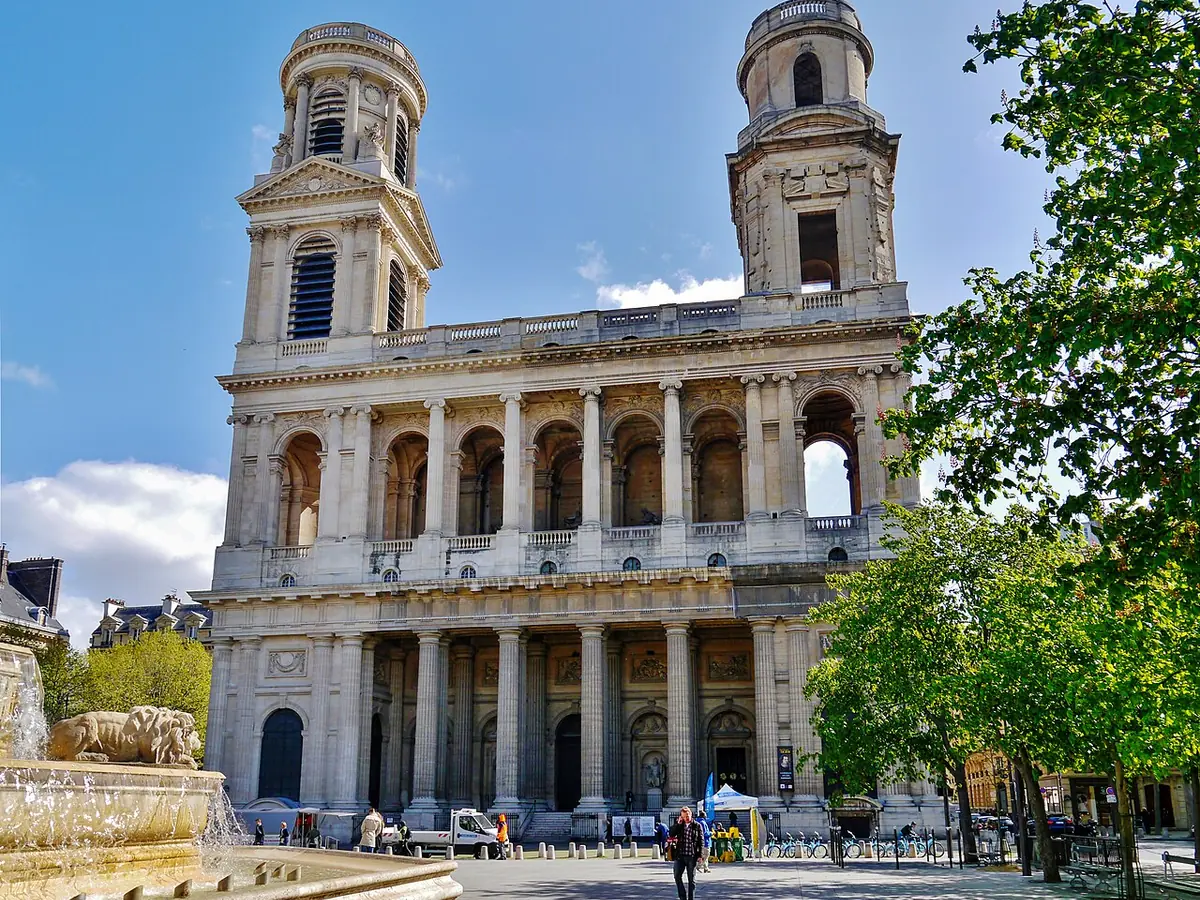

Église Saint-Sulpice, Paris
Église Saint-Sulpice is a Catholic parish church whose name honours Sulpice the Pious. Its construction began in 1646, and several architects shaped the building, including Louis Le Vau, Daniel Gittard, Gilles-Marie Oppenord, and Giovanni Niccolò Servandoni. The church belongs to the baroque tradition and is protected as a historic monument.
The most unexpected feature is the astronomical instrument inside. A narrow brass strip crosses the transept floor, continues up a white marble obelisk, and receives a sunbeam entering through a small opening in a high window. This is a gnomon: the bright spot shifts with the seasons, reaching the obelisk during winter.
Jean-Baptiste Languet de Gergy commissioned it in the eighteenth century to help establish the date of Easter. Pierre Charles Le Monnier later used the line for long-term solar observations, measuring the gradual change in Earth’s axial tilt. Despite a famous fictional claim, this line is not Paris’s meridian; that passes a few hundred metres east through the Observatory.
The church also contains murals by Eugène Delacroix. Look for the inlaid line crossing the floor and meeting the obelisk: here, sunlight turns the church into a precision instrument.
More places in Paris
See everything in Paris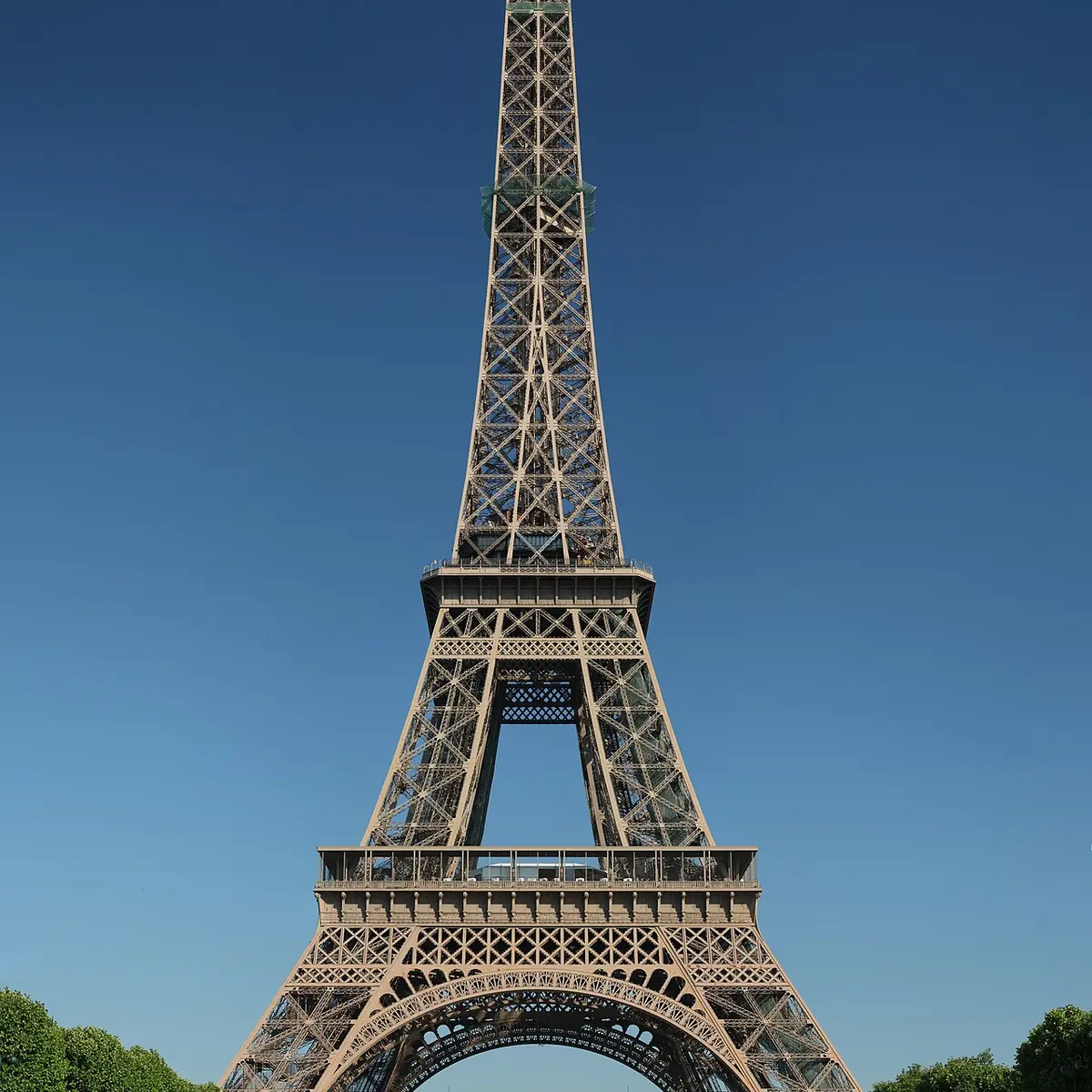
iBenh LIEU SONG (Public domain) Tour Eiffel
famous landmarks
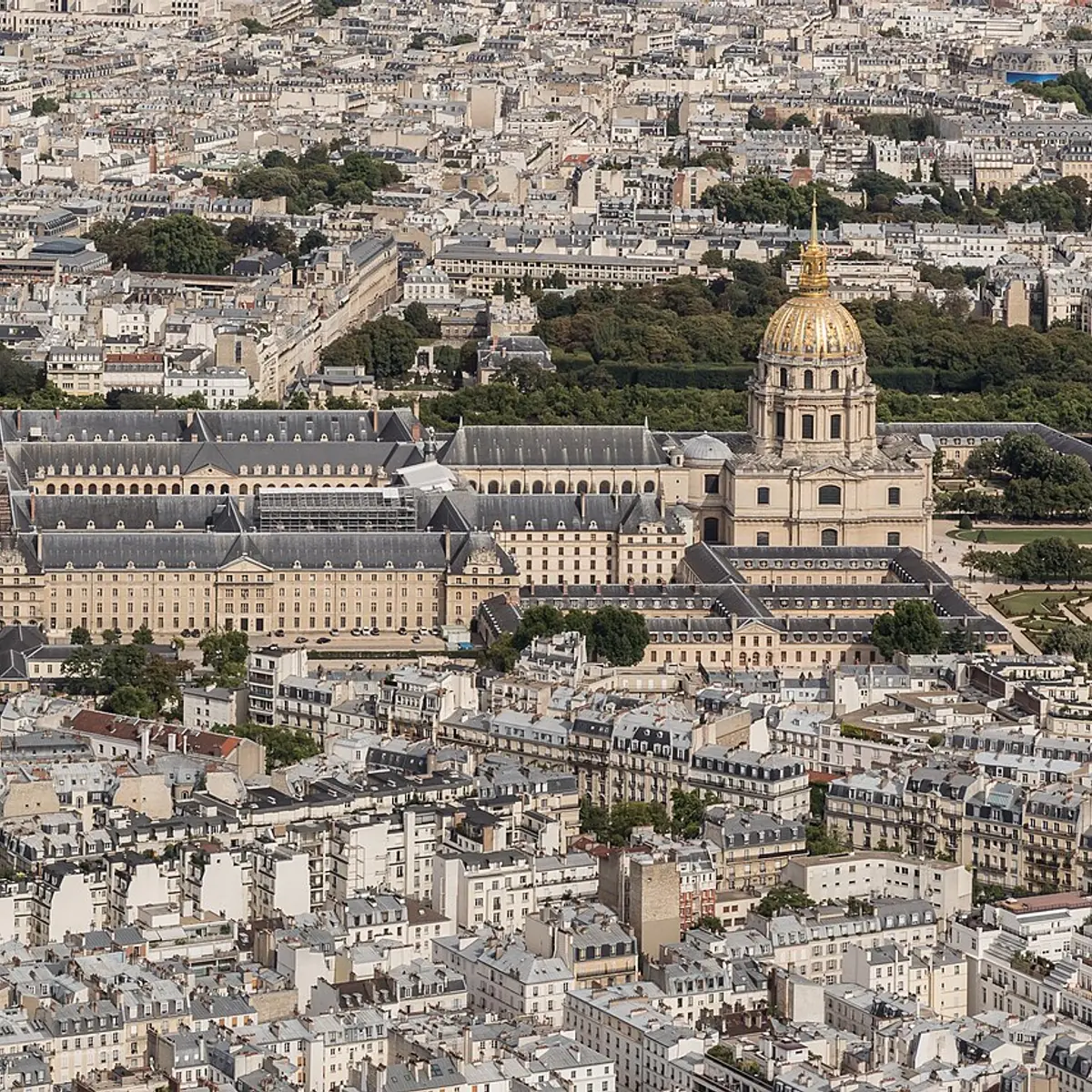
iAnother one of my pictures: This photograph was taken by Medium69 (William Crochot) and released under the license stated below. You are free to use it for any purpose as long as you credit the author (William Crochot), the Source (Wikimedia Commons) and the license (CC-BY-SA 4.0) in close relation to the image. Please do not upload an updated image here without consultation with the Author. The author would like to make corrections only at his own source RAW. This ensures that the changes are preserved.Please if you think that any changes should be required, please inform the author.Otherwise you can upload a new image with a new name. Please use one of the templates derivative or extract. (CC BY-SA 4.0) Hôtel des Invalides
history
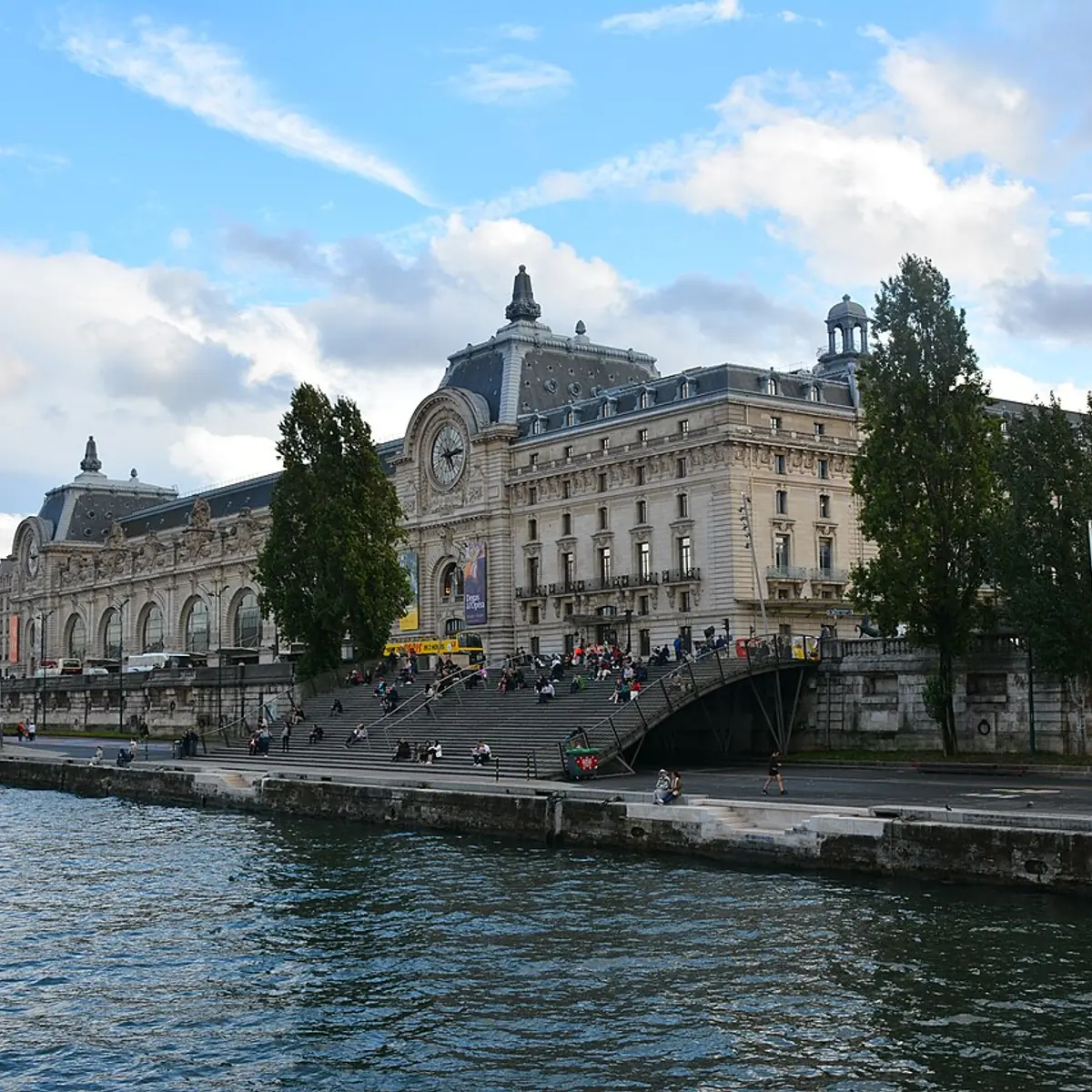
iCheng-en Cheng from Taichung City, Taiwan (CC BY-SA 2.0) Musée d'Orsay
culture
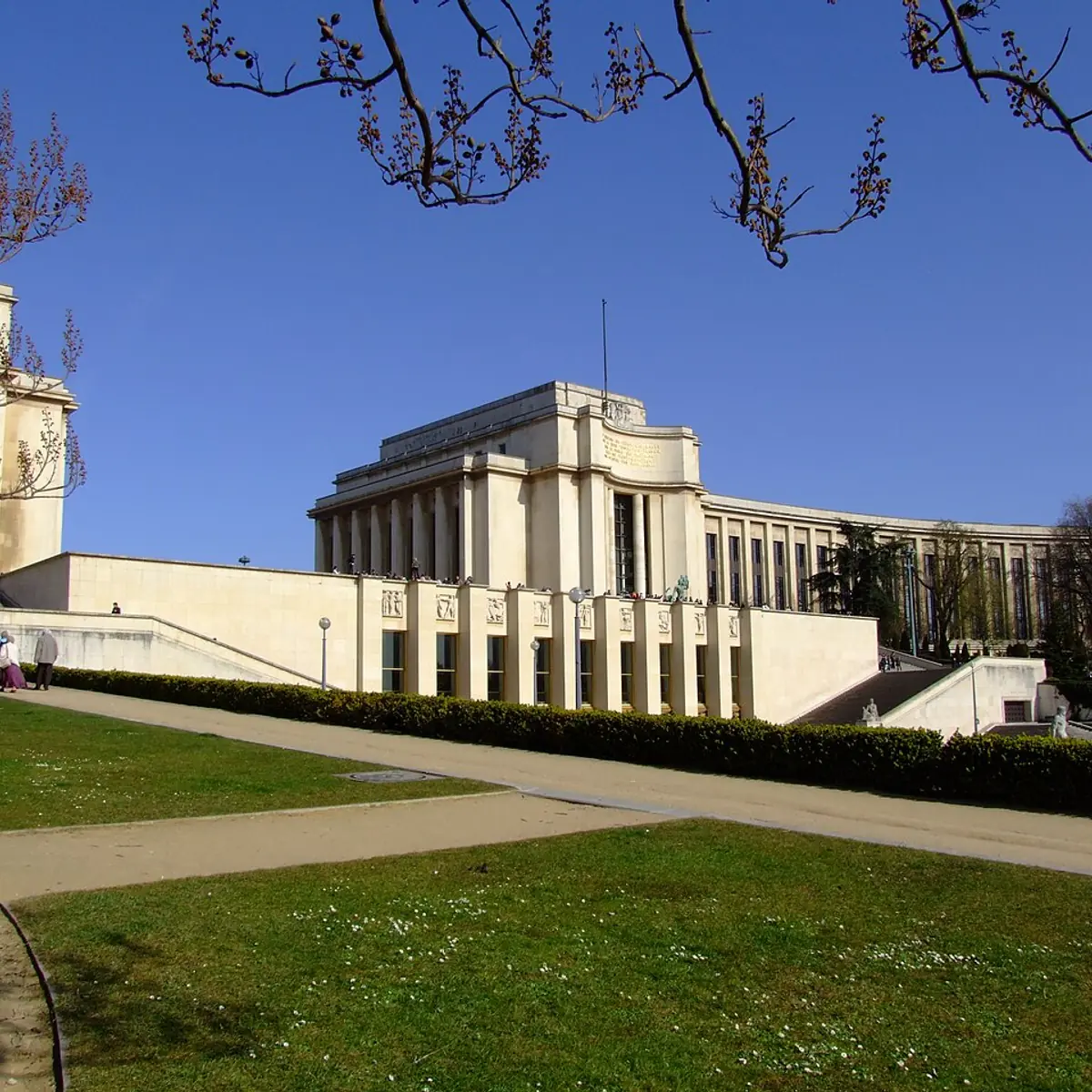
iAlfvanBeem (CC0) Palais de Chaillot
history