Rome
Rome Travel Tips: Getting Around, Money and Tourist Traps
Last checked
Rome's historic centre rewards walking more than any other way of getting around it, which makes the practical side of a visit mostly about picking the right transport from the airport, validating an ATAC ticket, and knowing which famous piazzas carry an extra layer of ticket touts and bracelet sellers.
Arriving
From Fiumicino (FCO), the non-stop Leonardo Express train reaches Roma Termini in about 32 minutes, running roughly every 15 minutes; regional FL1 trains link the airport to other Rome stations too. The airport's own railway station sits right by the arrivals and departure terminals. At Fiumicino, official taxis are white, with a "TAXI" roof sign, the municipality's symbol on the doors, and a repeated licence number — any other vehicle waiting in Arrivals may lack a proper licence, and fixed fares apply to the historic centre within the Aurelian Walls.
From Ciampino (CIA), coach operators including SIT, Terravision and RomeAirportBus run to Roma Termini, and ATAC buses 720 and 520 reach the Laurentina and Cinecittà Metro stations; Ciampino's own taxi rank works the same white, roof-signed, fixed-fare system as Fiumicino's.
Roma Termini, where Metro lines A and B cross, is the main station — Wikivoyage notes it's locked overnight. Use only an officially licensed taxi with a roof sign and the company's name and number on the side, called ahead, booked through an app, or taken from an official rank; Wikivoyage warns about fake taxis and "limo" touts inside terminals and stations.
Getting around
As Wikivoyage puts it, "once you're in the centre, you are best off on foot" — the old streets are cobbled, and crossing busy roads takes care, since traffic can be chaotic and cars sometimes turn across a green signal.
ATAC runs the buses, trams and Metro on one ticket system: the standard BIT ticket covers 100 minutes, with 24-, 48- and 72-hour passes and a 7-day CIS counted from first validation, or you can tap a contactless card directly on surface vehicles and at Metro turnstiles. Validate a paper ticket immediately and keep it for the trip — an unvalidated ticket, or one validated twice on the Metro, counts as no ticket, and the Foreign Office notes officials patrol and fine on the spot. Paper tickets come from tabacchi (the "T" sign), newsstands and Metro machines, per Wikivoyage, and can't be bought on board a bus.
The camera-enforced ZTL zones covering the historic centre carry a fine if you drive in without a pass — as Wikivoyage puts it, "don't do it." Ride-hailing and taxi apps both operate across the city, though most taxis still work from ranks, so make sure the meter is running from the start.
Money and tipping
Italy has used the euro since 2002. ATMs are everywhere and take major international cards, and bank-owned machines tend not to charge foreign cards an extra fee. If you're offered the choice between paying in euros or your home currency at a terminal or ATM, euros is almost always the cheaper option.
Tips aren't expected in Rome; leaving small change for good service is enough, and since tips can't be added to a card payment, keep some cash for it. Lazio's own regional law bans restaurants from charging a "coperto" (cover charge) — though bread or a service charge can still legitimately appear on the bill if it's clearly stated before you order; an undisclosed charge can be contested. Keep an eye on your bill — Wikivoyage warns some waiters bring pricier items than ordered — and read every sign at a currency exchange office before you commit, since fees near the Vatican are reportedly high.
Tourist traps
The only official channel for Vatican Museums tickets is the museum's own website — it specifically warns about scam sites using domains similar to its own that charge well above the real price, and it has introduced named, identity-checked tickets to fight resale.
Since early February 2026, the Trevi Fountain has required a ticket to enter the area nearest the water — per the city's tourism board, sold at fontanaditrevi.roma.it, Civic Museums, Tourist Infopoints, or by card at the entrance, with residents, under-5s and people with disabilities and their carers exempt. The same municipal regulation bans bathing or climbing in the city's historic fountains, including Trevi, plus costumed "centurions," queue-jump sellers and unlicensed street vendors.
The Spanish Steps are a frequent example of a broader rule: the Foreign Office notes that Italian cities fine people for sitting on monument steps, and for eating or drinking right next to major churches and monuments.
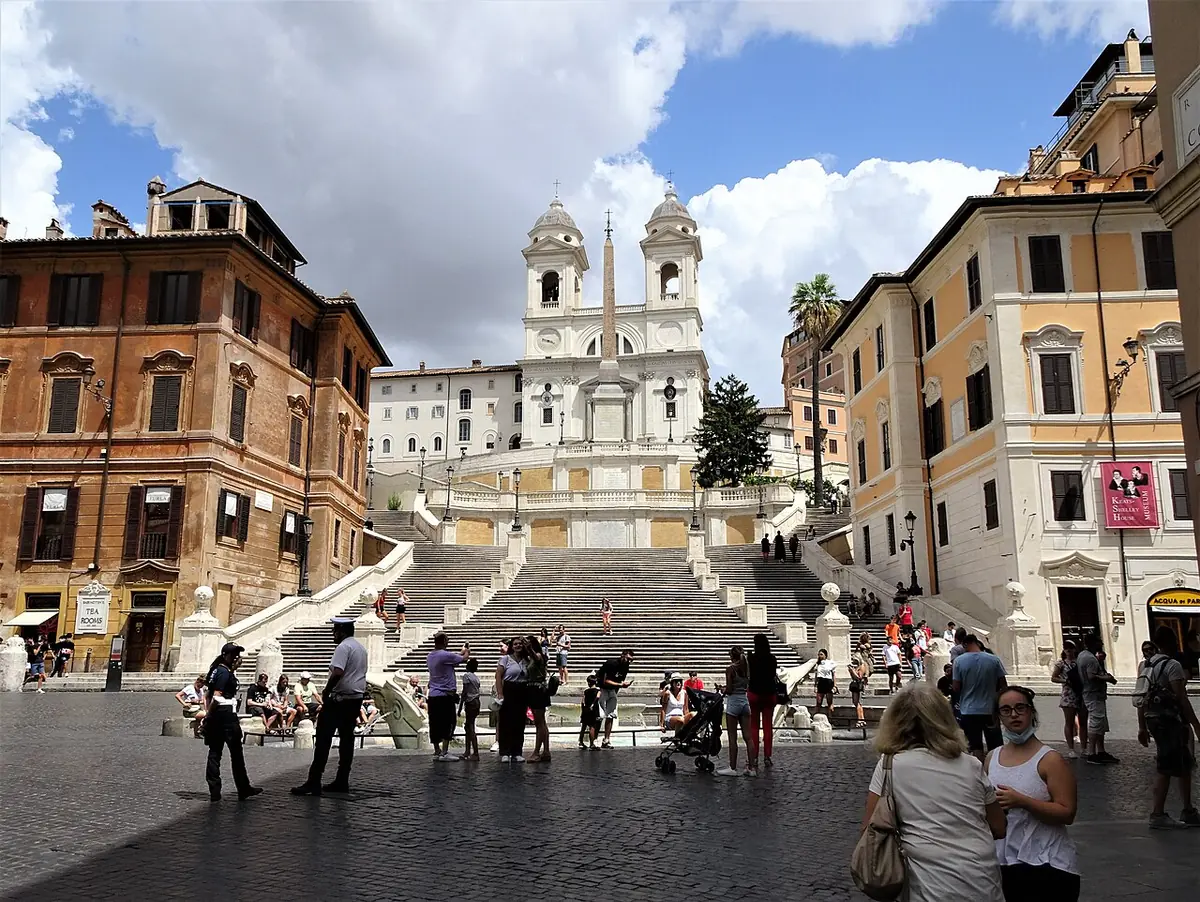

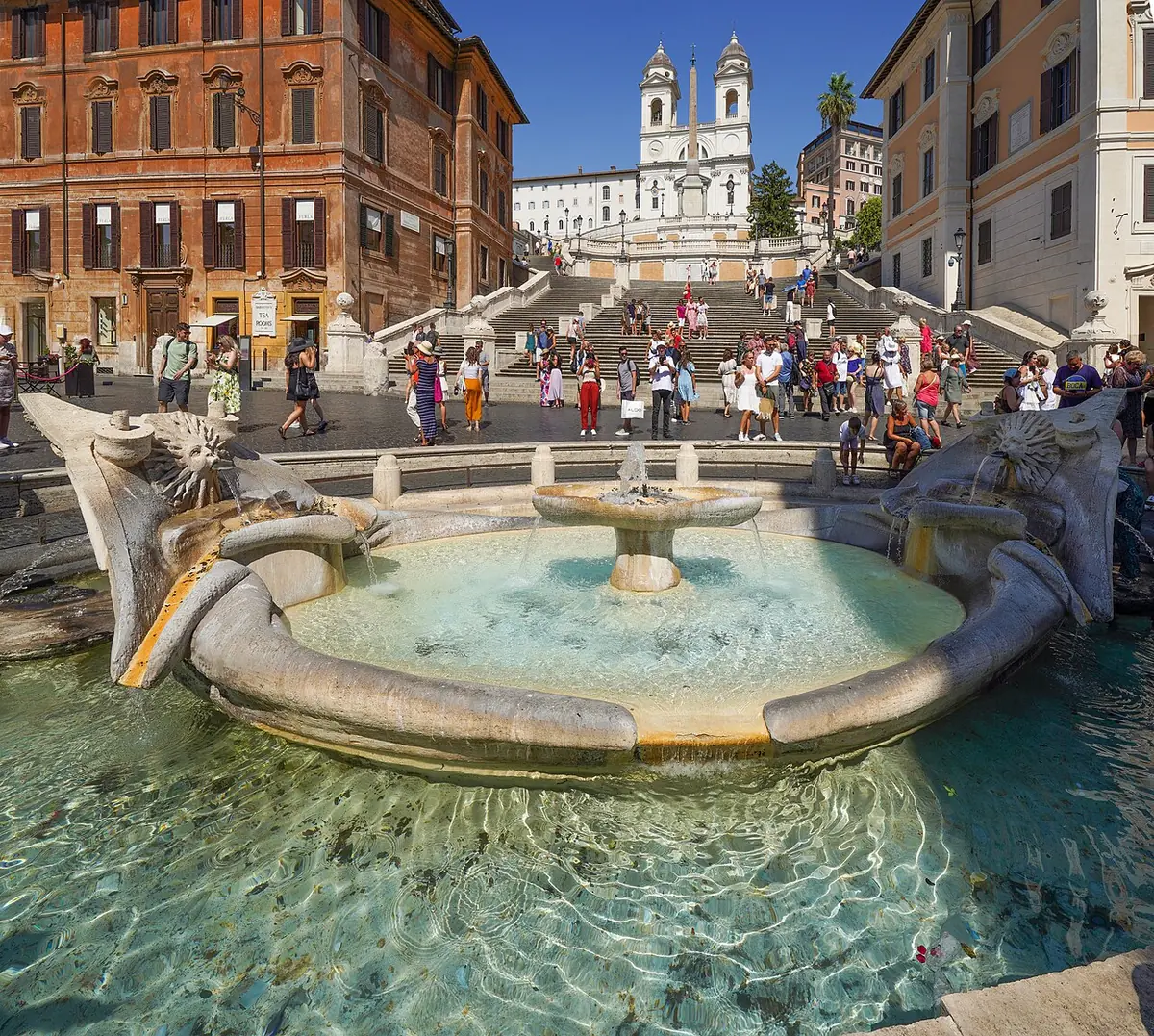

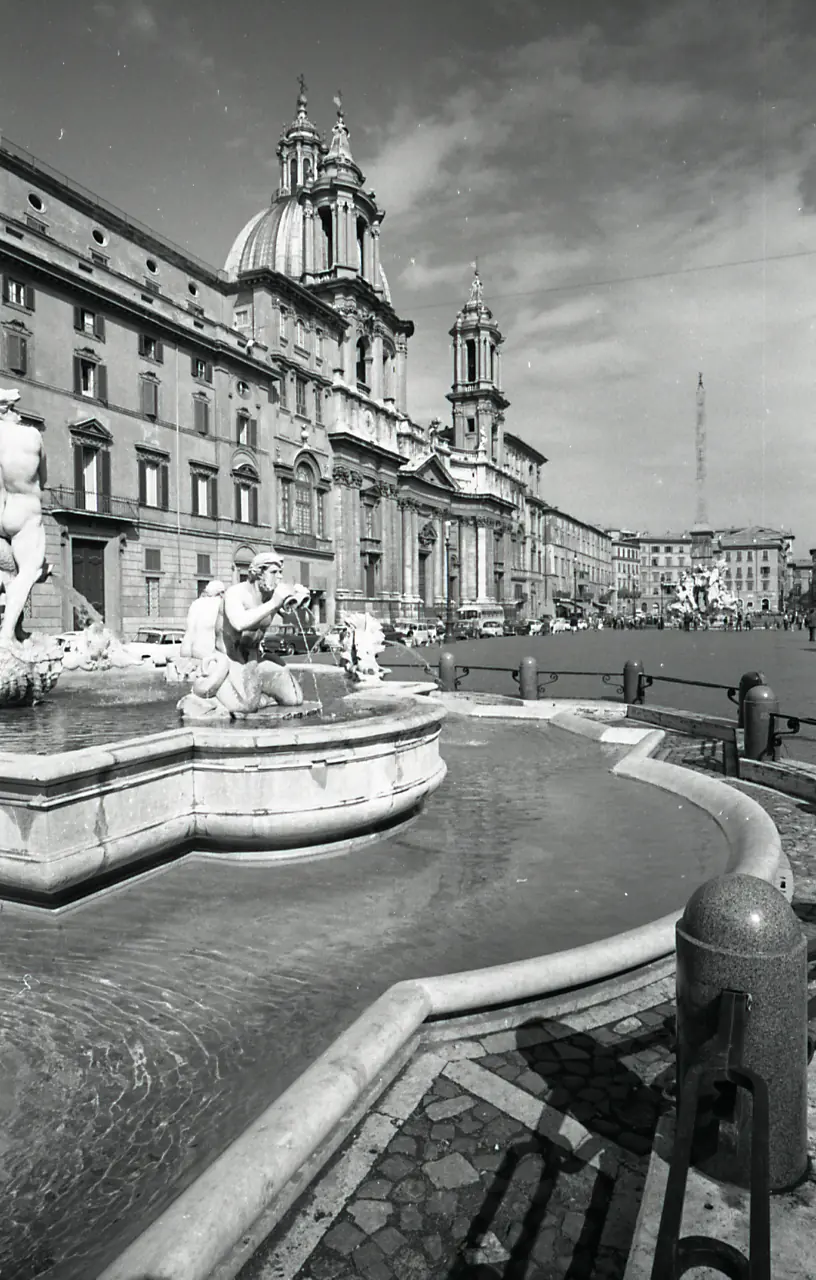
Wikivoyage warns that around the Spanish Steps, Piazza Navona and the Colosseum, men tying "friendship" bracelets onto your wrist, or sellers pushing roses and "gifts," expect payment once the item is already on you — and also warns about people posing as plain-clothes police asking to check your wallet for "drug money"; ask for ID either way. It's illegal to buy from unlicensed street traders, and Wikivoyage recommends the Roma Pass from an official tourist office rather than a pricier street booth.
_-_BEIC_6329173.jpg)
Staying safe
Crime levels in Italy are generally low, though petty theft — bag-snatching, pickpocketing — is more common in city centres and at major attractions, with the Foreign Office flagging public transport and the main stations especially. Wikivoyage names the same hotspots: Termini, Esquilino, bus line 64 to St Peter's, the Trevi Fountain and the Metro itself, where thieves sometimes work in groups who "help" by pressing the door button for you.
Don't accept drinks from strangers or leave your own unattended, and carry ID, since police can check it any time. For an emergency: police 112, ambulance 118, fire 115; the 112 Where Are U app also works. Rome's more than 3,000 public drinking fountains — including over 200 of the distinctive nasoni in the historic centre — run around the clock, maintained by Acea; Wikivoyage's tip is to plug the spout's base and let the water rise through the small hole on top.
Sources
- Wikivoyage — Rome
- Wikivoyage — Italy
- Aeroporti di Roma — Fiumicino, by train
- Aeroporti di Roma — Fiumicino, taxi
- Aeroporti di Roma — Ciampino, bus
- Aeroporti di Roma — Ciampino, taxi
- ATAC — Tickets and passes
- European Commission — Italy and the euro
- EU, Your Europe — Paying in another currency
- Altroconsumo — Coperto at restaurants
- Comune di Roma — Urban police regulation on fountains and street conduct
- Turismo Roma — Trevi Fountain, new entry fee
- Fontana di Trevi — official ticket site
- Musei Vaticani — Tariffe e biglietti
- Musei Vaticani — New entry rules against secondary ticketing
- FCDO — Italy travel advice, safety and security
- FCDO — Italy travel advice, getting help
- Acea — Nasoni drinking fountains
Travel information adapted from Wikivoyage, licensed under CC BY-SA 4.0.
Walk Rome with an audio guide in your pocket
Join the beta and these tips become a route you can actually walk.