Porto
Porto Travel Tips: Getting Around, Money and Tourist Traps
Last checked
Porto's centre runs along steep hills down to the Douro, which makes getting around mostly a matter of choosing the right incline — and knowing which few spots, from Livraria Lello's ticket desk to the kantors near the station, are worth a second thought.
Arriving
Porto Airport (OPO, Francisco Sá Carneiro) sits about 15 km from the centre. Metro line E (violet) runs straight into town, reaching Trindade — Porto's central transfer hub — in about 25-30 minutes. Only the validators marked with the contactless symbol accept a tap of your bank card on this line, at Aeroporto, Senhora da Hora, Casa da Música, Trindade and five other central stations; otherwise, buy an Andante card first.
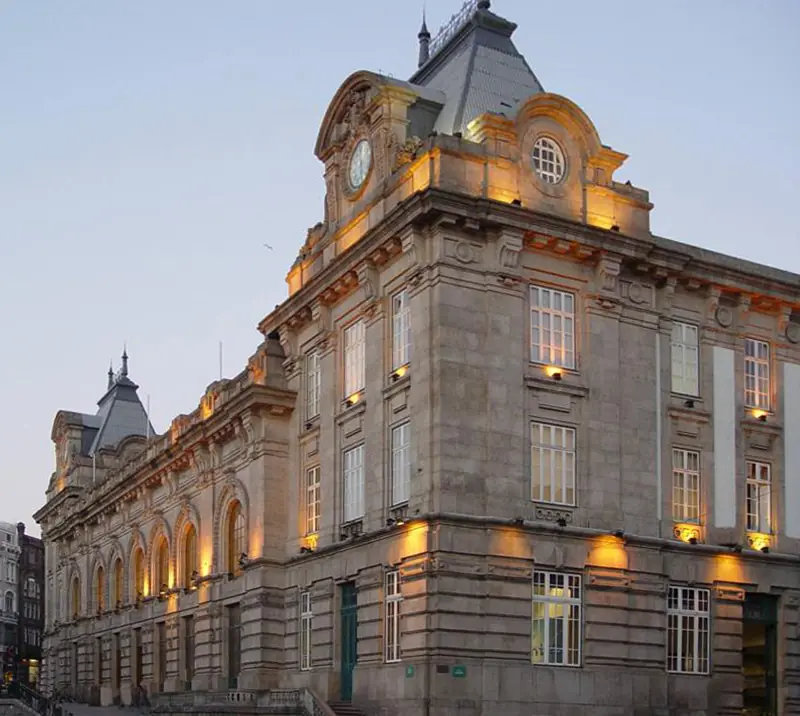
STCP's airport buses, lines 601 and 602, run between Cordoaria and the airport, with a night line as well. Wikivoyage notes that taxis from the airport are metered but add a separate luggage charge per bag; Uber and Bolt also serve the airport. Once you're off the train, São Bento station, in the centre, handles the city's urban and regional services, while Campanhã, a few kilometres east, is where trains from Lisbon arrive — a ticket to or from Campanhã lets you continue on to São Bento at no extra cost.

Getting around
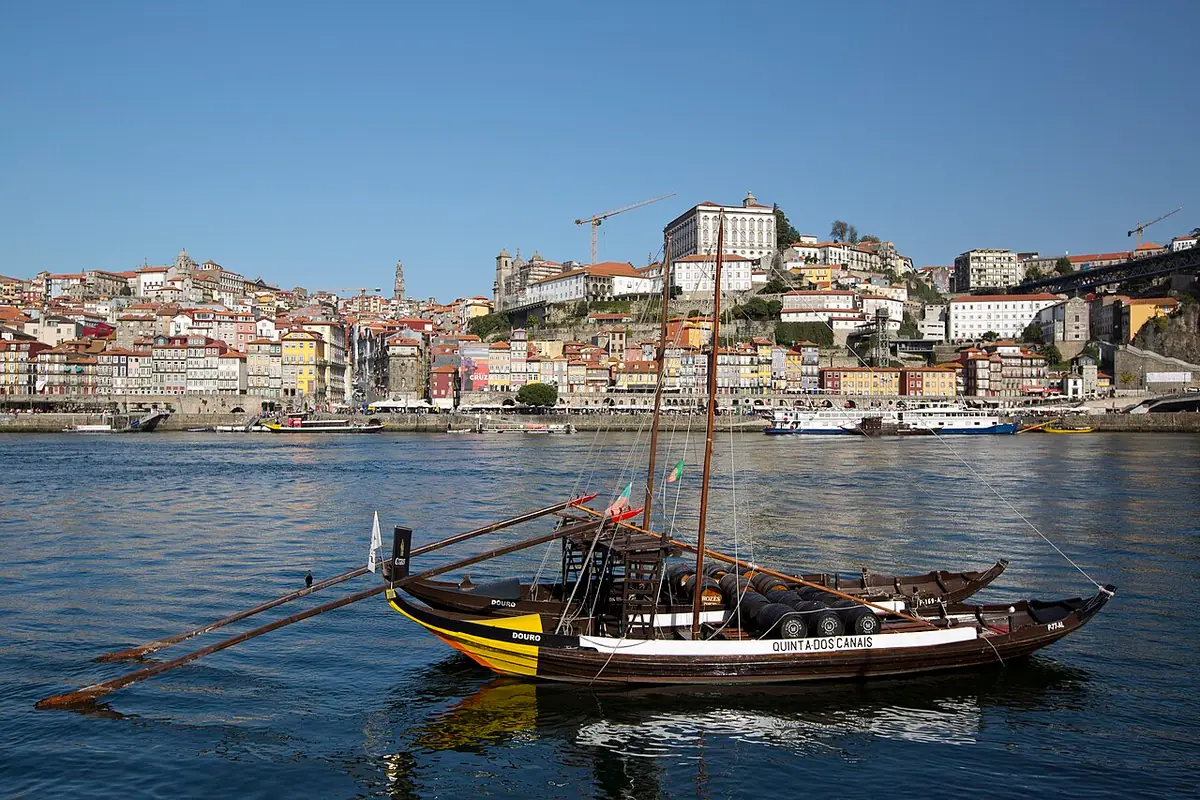
Walking is the best way to see Ribeira and Baixa, despite the hills between them — the Guindais funicular, climbing from Ribeira up to Batalha, is worth using on the steepest stretch; it takes its own fare, separate from the pay-as-you-go Andante card.
.jpg)
Validate Andante every time you board and every time you change — hold the card still against the black circle until the light turns green, per STCP's own rules. The metro itself has no gates, but inspectors check on board, and historic trams on lines 1, 18 and 22 take their own separate tickets rather than Andante. Buying a single ticket from the driver on an STCP bus is also an option if you're paying cash or by contactless card.
Uber and Bolt both operate across the city if you'd rather skip tickets altogether.
Money and tipping
Everything is priced in euros — Portugal has used the currency since 2002. Multibanco ATMs, run by Portuguese banks, mostly charge no extra fee; avoid the blue-and-yellow Euronet machines, which charge high fees and offer worse exchange rates. If a card terminal or ATM offers to charge you in your home currency instead, decline it — paying in euros is almost always the better deal.
Tipping isn't expected. Around 8-10% is usual for genuinely good restaurant service; coffee and bars don't expect anything. If the table arrives with bread, olives or other starters (the couvert) you didn't ask for, you're free to send it back — local reporting citing DECO, the consumer-rights association, says Portuguese law only lets a restaurant charge for a couvert item you asked for or actually used, so eating it means paying for it, and the price should be listed per person on the menu.
Tourist traps
Livraria Lello charges an entry voucher even if you only plan to browse — but that voucher's value comes off a book you buy inside, and timed tickets are sold only through the bookshop's own official ticket page, not through resellers. Wikivoyage warns it can get crowded and claustrophobic inside, so expect to queue.
Nearby, the Torre dos Clérigos sells its own tickets through its official site — check there directly rather than through a street vendor.
Along the Ribeira waterfront, Wikivoyage's advice is that the cafés right on the river charge for the view as much as the food — the pastelarias and bakeries a block or two back are cheaper and just as good. Wikivoyage also flags occasional overcharging mistakes toward tourists in restaurants and shops around the centre, so keep an eye on your bill.
Staying safe
Wikivoyage's own assessment is that Porto is generally a safe place to visit if you take normal precautions. The US State Department's Overseas Security Advisory Council notes that theft is common at popular tourist destinations, Porto included, with pickpockets working crowds boarding and leaving public transport and around stations — avoid lingering near the doors. The UK Foreign Office adds the same caution about crowded stops.
Buy your own drinks in bars and keep them with you — the Foreign Office notes that drinks in Portuguese bars can run stronger than you might expect at home. Police can ask to see photo ID at any time, so carry some. For anything urgent, 112 is the number to call, and SNS 24 (808 24 24 24, press 9 for English) covers health advice.
On tap water, Porto's utility, Águas e Energia do Porto, monitors the supply under an ERSAR-approved control programme, and national press coverage quoting the water regulator has said mainland Portugal's tap water meets safety standards with confidence.
Sources
- Wikivoyage — Porto
- Wikivoyage — Portugal
- Metro do Porto
- Andante — Contactless bank-card fares
- STCP — Airport connection
- STCP — Tariff and validation
- Livraria Lello — FAQs
- Torre dos Clérigos — official site
- European Commission — Portugal and the euro
- BEUC — An end in sight to currency conversion scams
- Notícias ao Minuto — Restaurant charges and the couvert, citing DECO
- OSAC — Portugal crime and safety report
- FCDO — Portugal travel advice, safety and security
- FCDO — Portugal travel advice, health
- Diário de Notícias — Tap water quote from ERSAR
- Águas e Energia do Porto — Water quality
Travel information adapted from Wikivoyage, licensed under CC BY-SA 4.0.
Walk Porto with an audio guide in your pocket
Join the beta and these tips become a route you can actually walk.