Lisbon
Lisbon Travel Tips: Getting Around, Money and Tourist Traps
Last checked
Lisbon rewards walking more than almost any European capital, but its hills are real, several of its famous funiculars have been closed since a fatal 2025 accident, and the ticket-validation rule on its transport is stricter than it looks — all worth knowing before you set off.
Arriving
Humberto Delgado Airport (LIS) has its own Metro station directly beneath Terminal 1, on the red line. The red line reaches Saldanha in about 16 minutes and, with one change, Baixa-Chiado in under 25 — it doesn't run directly to the historic centre. You can pay at the gates with a navegante card or by tapping a contactless bank card straight on the validator, with no separate card purchase needed.
Carris buses also serve the airport — lines 22, 44, 83, 705, 708, 744 and 745, plus night line 208 — though large luggage isn't allowed on them; bus 44 reaches Oriente station in about 10 minutes.
For a taxi, use only an officially marked car and confirm the driver's identity and plate before getting in — baggage fees and toll charges are sometimes added on top of the metered fare, so insist on the meter and a receipt. Uber and Bolt both operate from the airport's designated TVDE pick-up area, with cars booked through the app.
Lisbon has two main stations: Santa Apolónia, on the riverside close to the centre, and Gare do Oriente, further out, where every high-speed Alfa Pendular train calls (only some stop at Santa Apolónia too).
Getting around
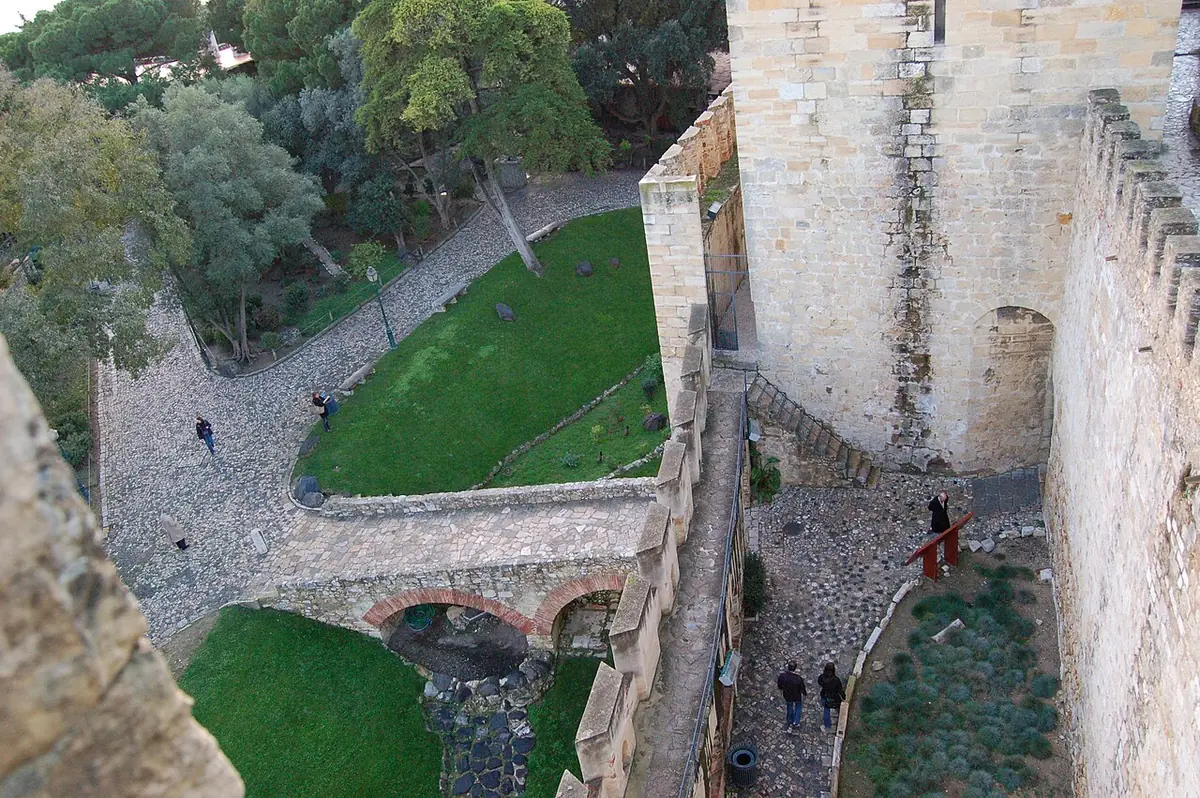
The centre is, as Wikivoyage puts it, very hilly and largely cobbled — slippery when wet — though many sights, including the Castelo, Alfama and Bairro Alto, sit within easy walking distance of Baixa.
.jpg)
A navegante card can be loaded with single trips, "zapping" credit, or a 24-hour Carris/Metro pass — there's also a 24-hour pass that covers the CP trains out to Sintra and Cascais. Buy and top up through metrolisboa.pt. You must hold a ticket validated when you cross a station's access gates — travelling without one, or without validating it, is a serious offence, with the fine halved if you pay it within 15 working days.
Tram 28E crosses the old town from Campo de Ourique through Estrela, Bairro Alto, Chiado, Baixa and Alfama up to Graça, ending at Martim Moniz. It's often packed with tourists, and Wikivoyage's own warning is blunt: "Beware of pickpockets!"
The Santa Justa lift and the historic Glória, Bica and Lavra funiculars have all been closed since the Glória funicular derailed on 3 September 2025, in an accident that killed 16 people. A news report marking the one-year anniversary found that, as of 2 September 2026, the Glória, Bica and Lavra funiculars and the Santa Justa lift all remain closed — Glória is expected back with new equipment only in the first half of 2029, and Bica, Lavra and Santa Justa have no announced reopening date. Only the Graça funicular has reopened, on 30 April 2026. Check Carris's own service-changes page before you plan around any of them. There's no Metro line to Belém either — take tram 15E, a bus, or the train from Cais do Sodré.
Money and tipping
Portugal has used the euro since 1 January 1999. If a card terminal or ATM offers to charge you in your home currency, decline — the European consumer body BEUC says travellers who accept that offer "almost always end up losing out." Multibanco ATMs are everywhere and mostly free of extra fees; Wikivoyage warns that Euronet machines charge high fees and poor exchange rates, so look for a Multibanco sign instead.
Tipping is generally not expected in Lisbon. Around 8–10% is usual for exemplary restaurant service, and for taxis, rounding up by a euro or two is enough. It's common to be charged a couvert (bread and other starters put on the table) per person — refuse it outright if you don't want it, and check your bill afterwards, since Wikivoyage notes that untouched couvert shouldn't be charged in the first place.
Tourist traps
Restaurants with laminated menus and set meal deals cluster in Baixa; for better local food, Wikivoyage points instead to Castelo, Bairro Alto and Chiado. Never take a restaurant tip from a taxi driver — Wikivoyage warns they commonly earn a commission for steering you to overpriced places.
Around Rua Augusta, people sometimes offer "hash" or "chocolate" on the street — walk away, since a common follow-up scam has a second person pose as a police officer and demand a "fine" for it.
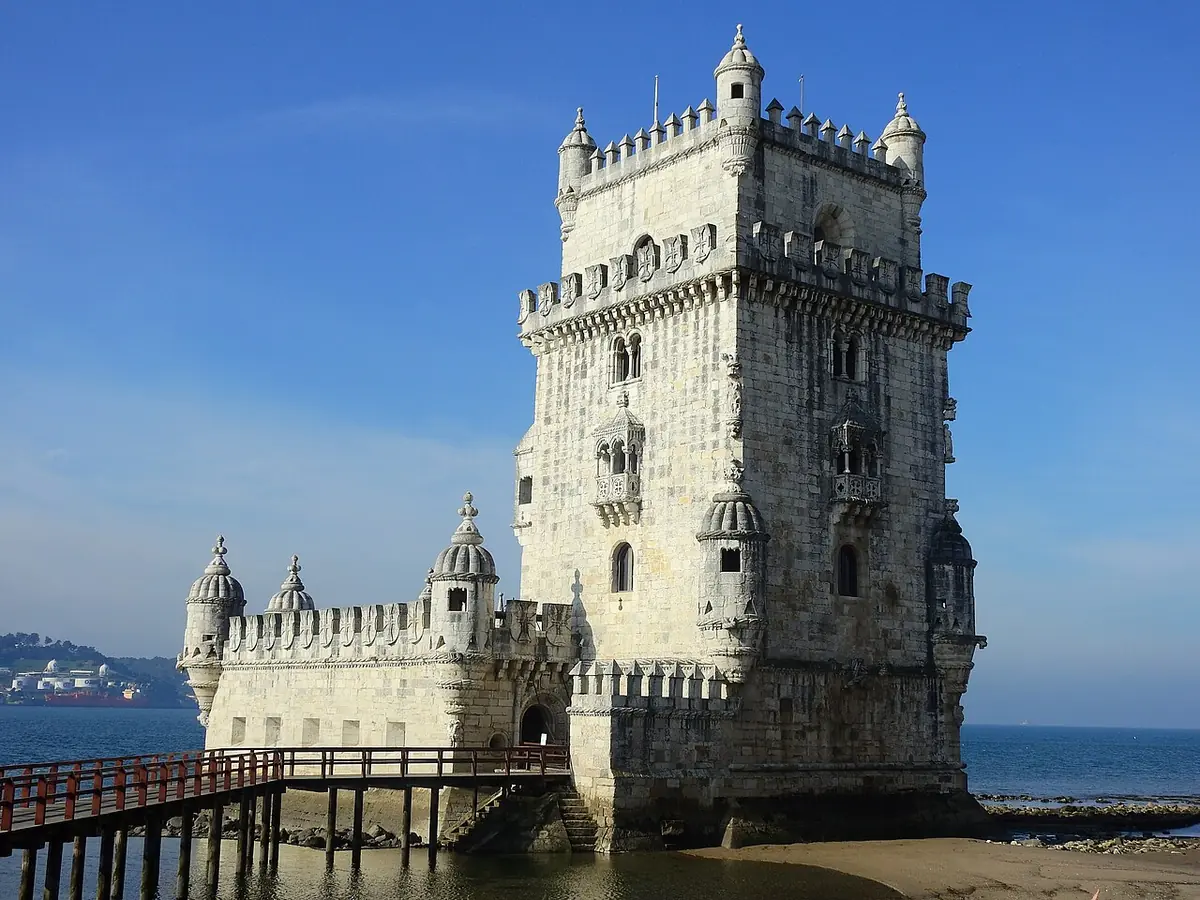
For Belém Tower and the Jerónimos Monastery, book through their shared official site, mosteirojeronimos.torrebelem.gov.pt — both are open Tuesday to Sunday, 09:30 to 17:30, and closed Mondays.
.jpg)
For the Castelo de São Jorge, book directly through castelodesaojorge.pt, the site run by its operator, EGEAC.
If you're driving, be wary of "arrumadores" — informal attendants who wave you into a free parking space and then demand money for it. Park in a paid car park instead.
Staying safe
Pickpocketing and bag-snatching are common in Lisbon, and thieves target tourists at miradouros (viewpoints), on trams, buses and trains, at stations and airports, in hotel lobbies, at outdoor restaurant tables and on beaches. Canadian travel advice is specific: "In Lisbon, be extra cautious on trams 15, 25 and 28."
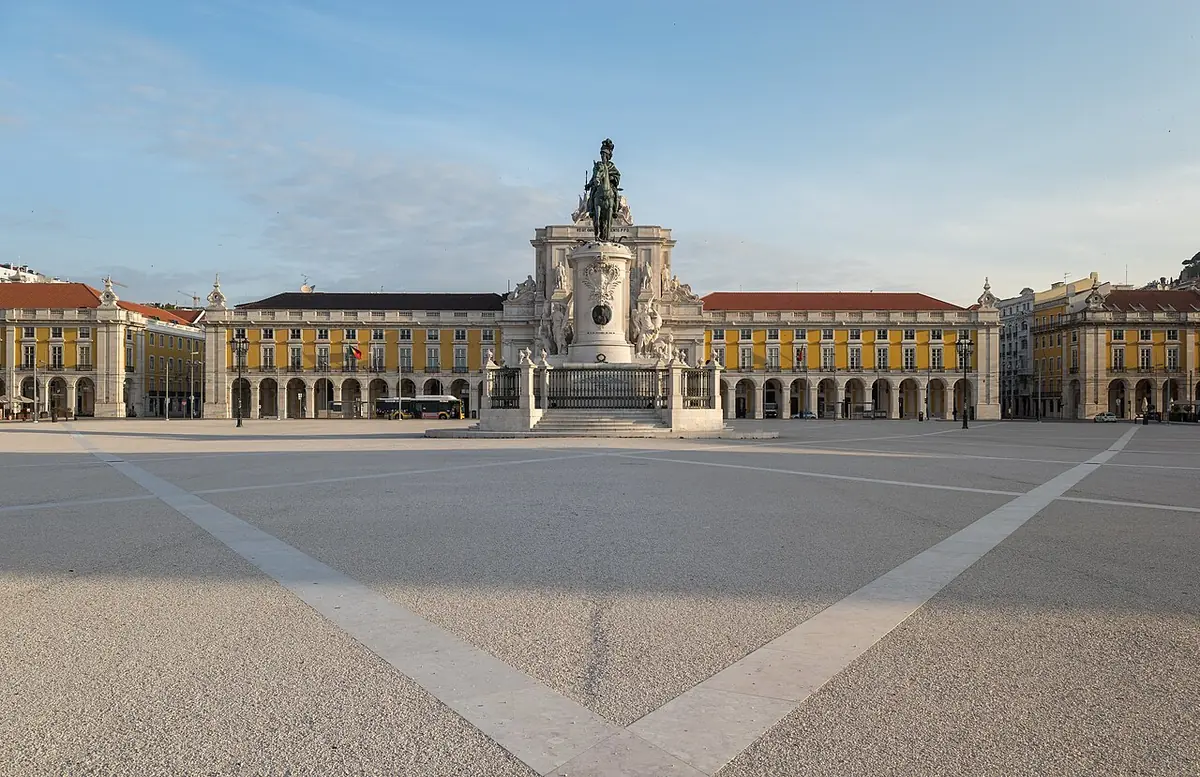
Praça do Comércio, the grand riverside square at the foot of Baixa, is a natural gathering point and worth the same everyday vigilance as any crowded landmark.

Reports describe robberies at night around Bairro Alto, Santos and Cais do Sodré, and in Intendente and Martim Moniz after dark. If you need to report a crime, Lisbon has dedicated tourist police stations. The emergency number is 112.
Lisbon's water utility, EPAL, operates under a national drinking-water decree, keeping a residual chlorine level in the network and publishing quarterly lab results — Wikivoyage adds that Portugal's water sources are generally considered safe to drink.
Sources
- Wikivoyage — Lisbon
- Wikivoyage — Portugal
- Metro de Lisboa
- Metro de Lisboa — Legal information and fines
- Carris
- Carris — Customer-care FAQ
- Carris — Service changes
- Jerónimos Monastery and Belém Tower — Official site
- Castelo de São Jorge — Tickets
- Government of Canada — Portugal travel advice
- FCDO — Portugal travel advice, safety and security
- European Commission — Portugal and the euro
- BEUC — Dynamic currency conversion
- EPAL — Our water, FAQ
- RFM — Glória, Bica, Lavra and Santa Justa, one year after the accident
Travel information adapted from Wikivoyage, licensed under CC BY-SA 4.0.
Walk Lisbon with an audio guide in your pocket
Join the beta and these tips become a route you can actually walk.