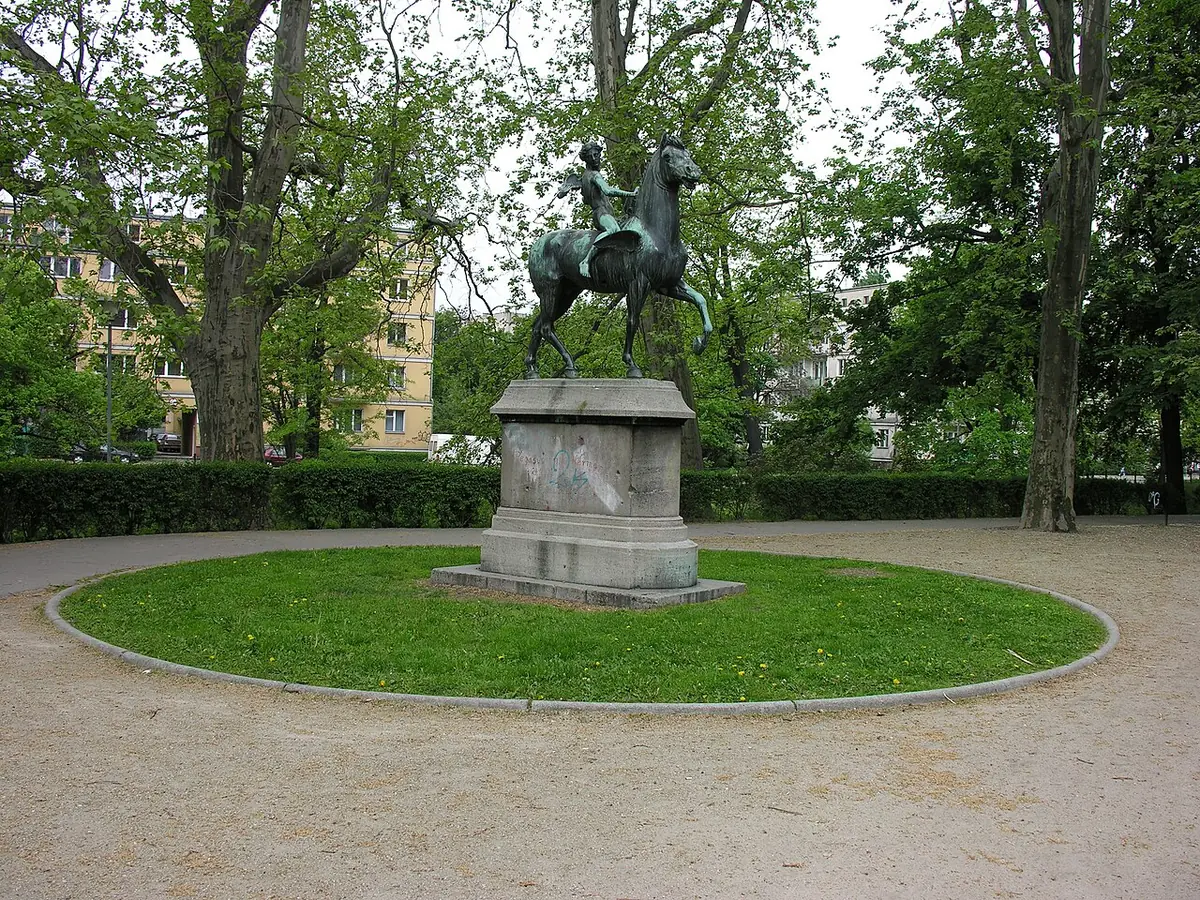
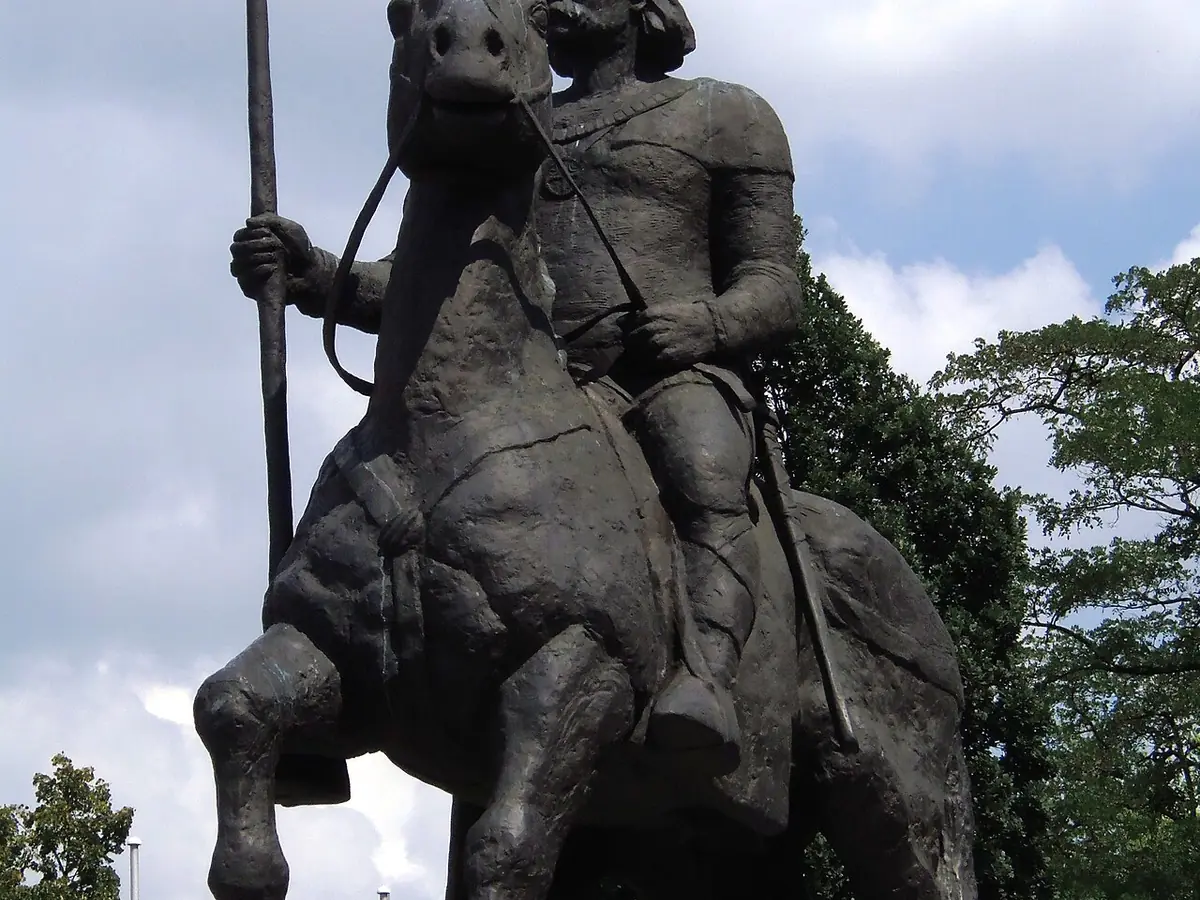
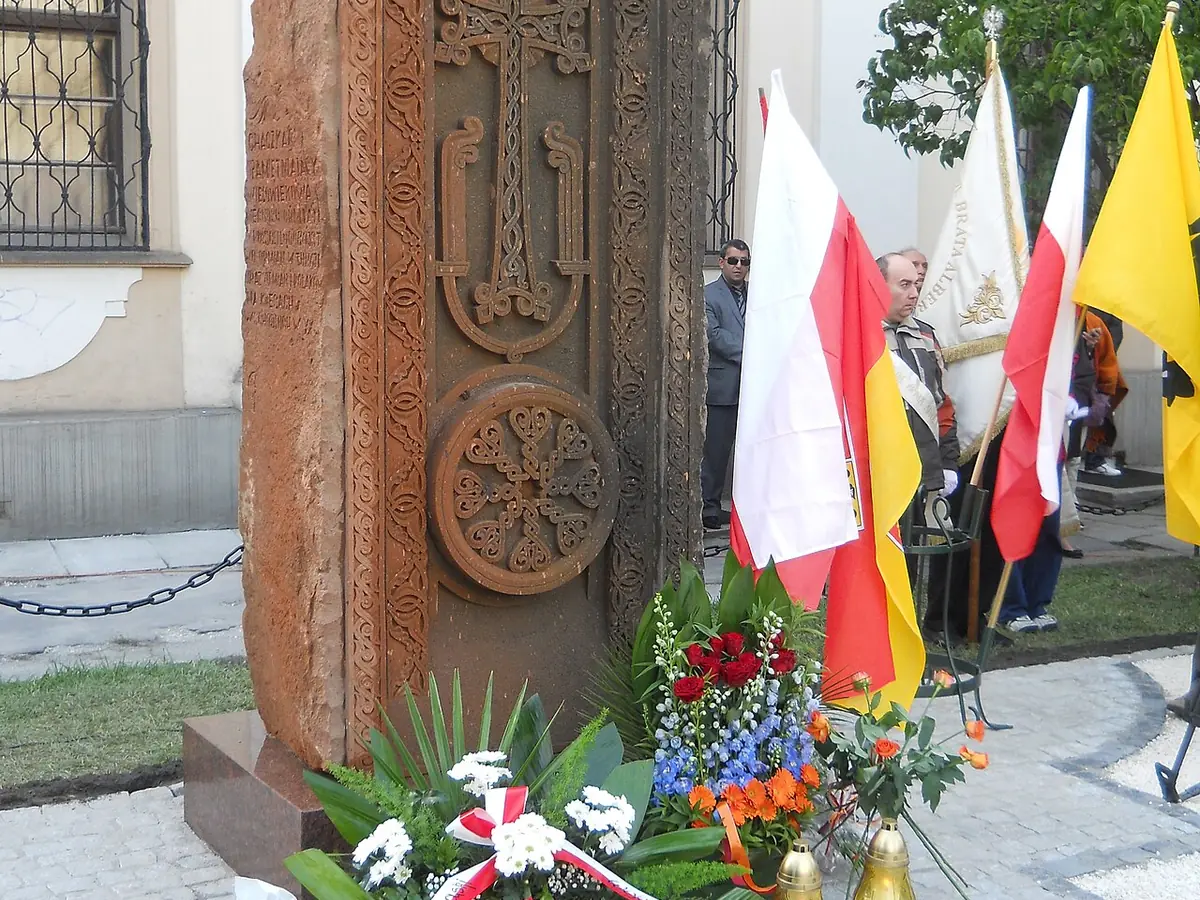
Leśnica begins with a ducal death: Bolesław I the Tall died in its castle in 1201. The settlement first appears in writing that same year, although Piast dukes had established a stronghold and castle here in the twelfth century. As you continue along the pavement at an easy pace, you are passing through a place whose history predates its place within the modern city by many centuries.
In 1261, Leśnica received town rights, only to lose that status sometime before 1700. A Latin document issued in Wrocław in 1266 calls the village Lesnitz. Its German name was Lissa; to distinguish it from Leszno, it was called Deutsch Lissa rather than Polnisch Lissa.
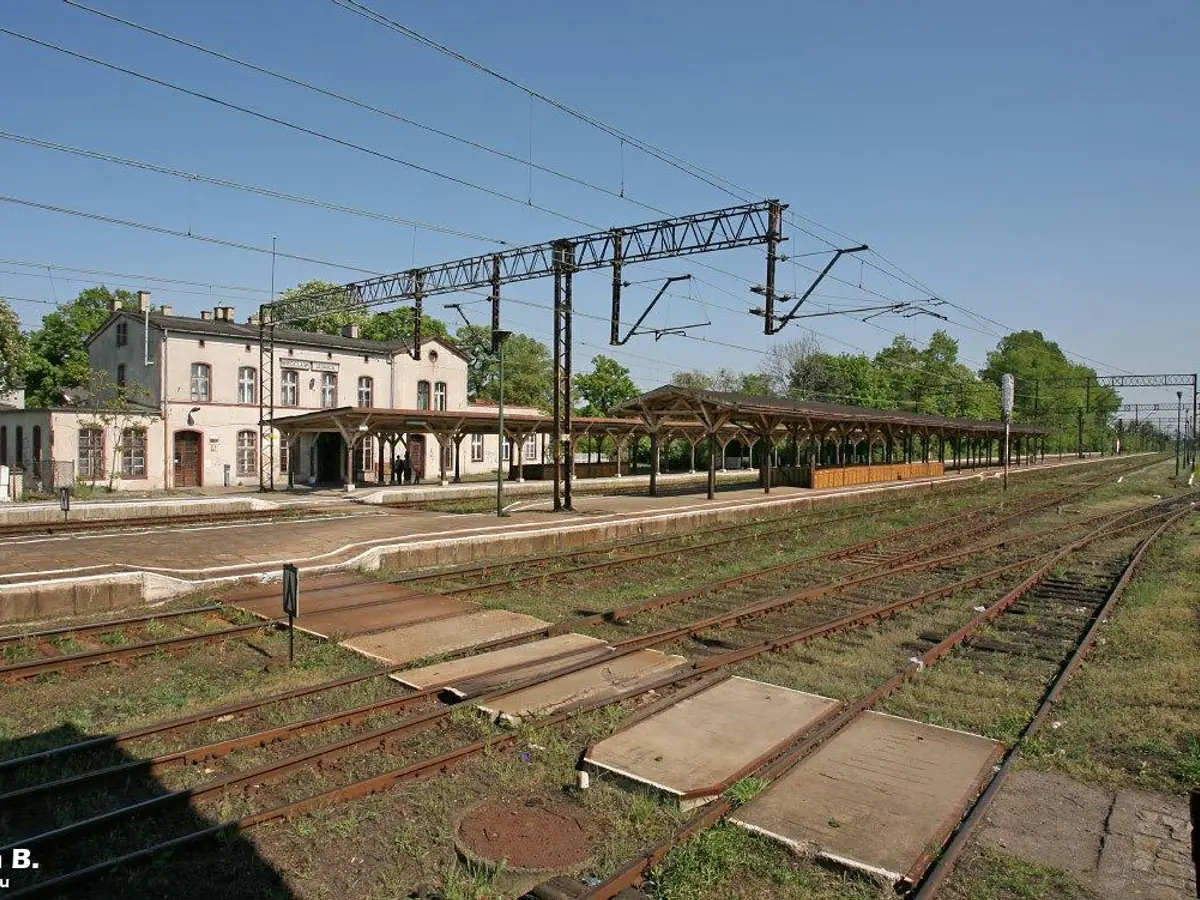
Leśnica became part of Breslau in 1928. During the Second World War, a Gross-Rosen subcamp here imprisoned mainly Poles as well as prisoners from several other nations. In January 1945, the surviving prisoners were forced on a death march to the main camp. Since the 1991 reorganisation of Wrocław, Leśnica has been one of the city’s 48 districts, on its western side.
.jpg)