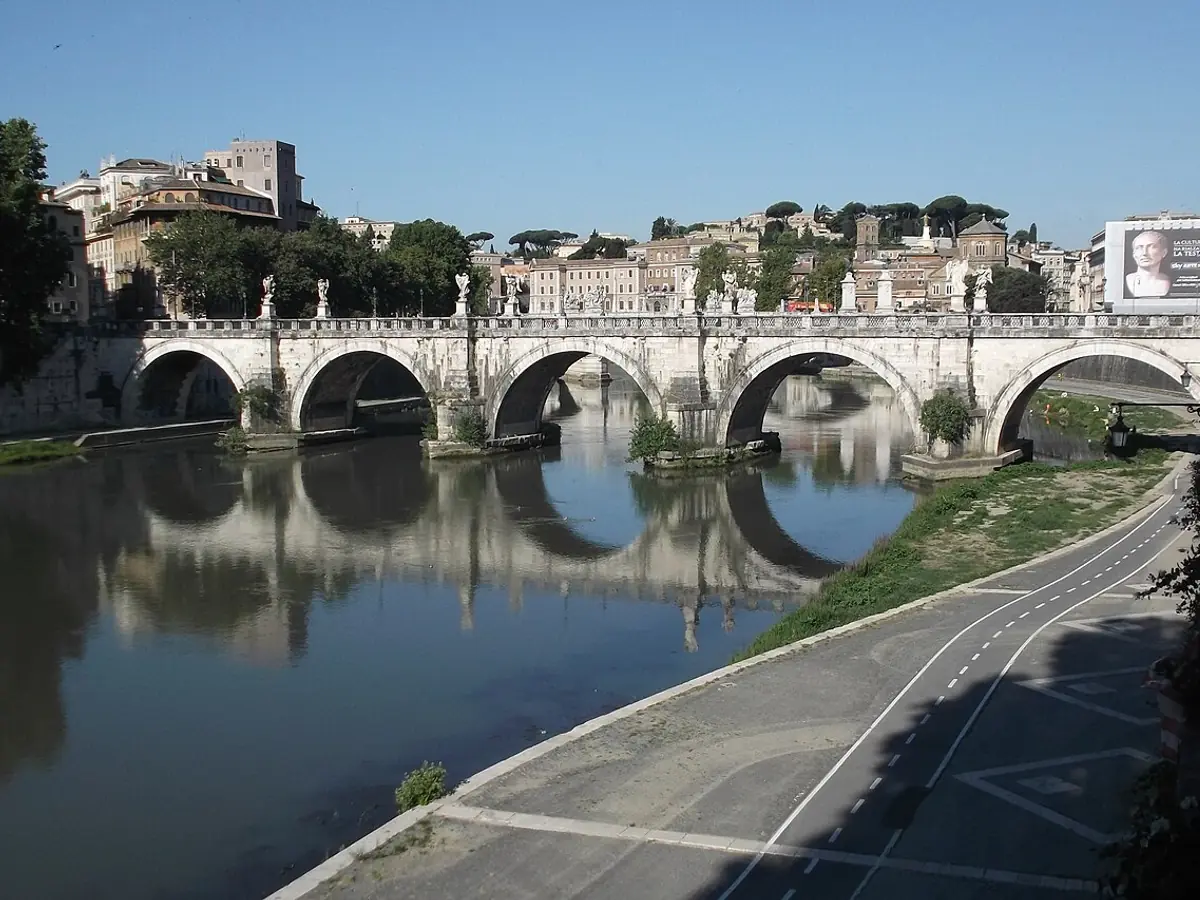
Ponte Sant'Angelo, Rome
Ponte Sant’Angelo is the Roman pedestrian bridge across the Tiber that leads toward Castel Sant’Angelo, Hadrian’s mausoleum. Completed in AD 134, it gave the emperor a route from the city to his newly built tomb. Decriano was its architect.
Its earlier name, Pons Aelius, preserved Hadrian’s family name. Notice the travertine cladding along the bridge and the rhythm of its arches over the river. It has five arches, including three from the Roman period.
In medieval Rome, pilgrims bound for Saint Peter’s relied on this crossing after Nero’s bridge fell into ruin. The pressure of a jubilee crowd brought down the balustrades in 1450, killing 172 people in the Tiber; buildings near the bridge approach were then removed to make the passage broader. The sculptural procession gives the bridge its great drama.
In sixteen sixty nine, Pope Clement the Ninth commissioned ten angels carrying the objects associated with Christ’s Passion, made by Bernini’s pupils under his direction. Bernini himself completed the angel with the thorn crown and the angel with the INRI inscription, but the pope retained them; their originals are kept at Sant’Andrea delle Fratte.
Good for
History, Architecture, Photography, Famous landmarks


More places in Rome
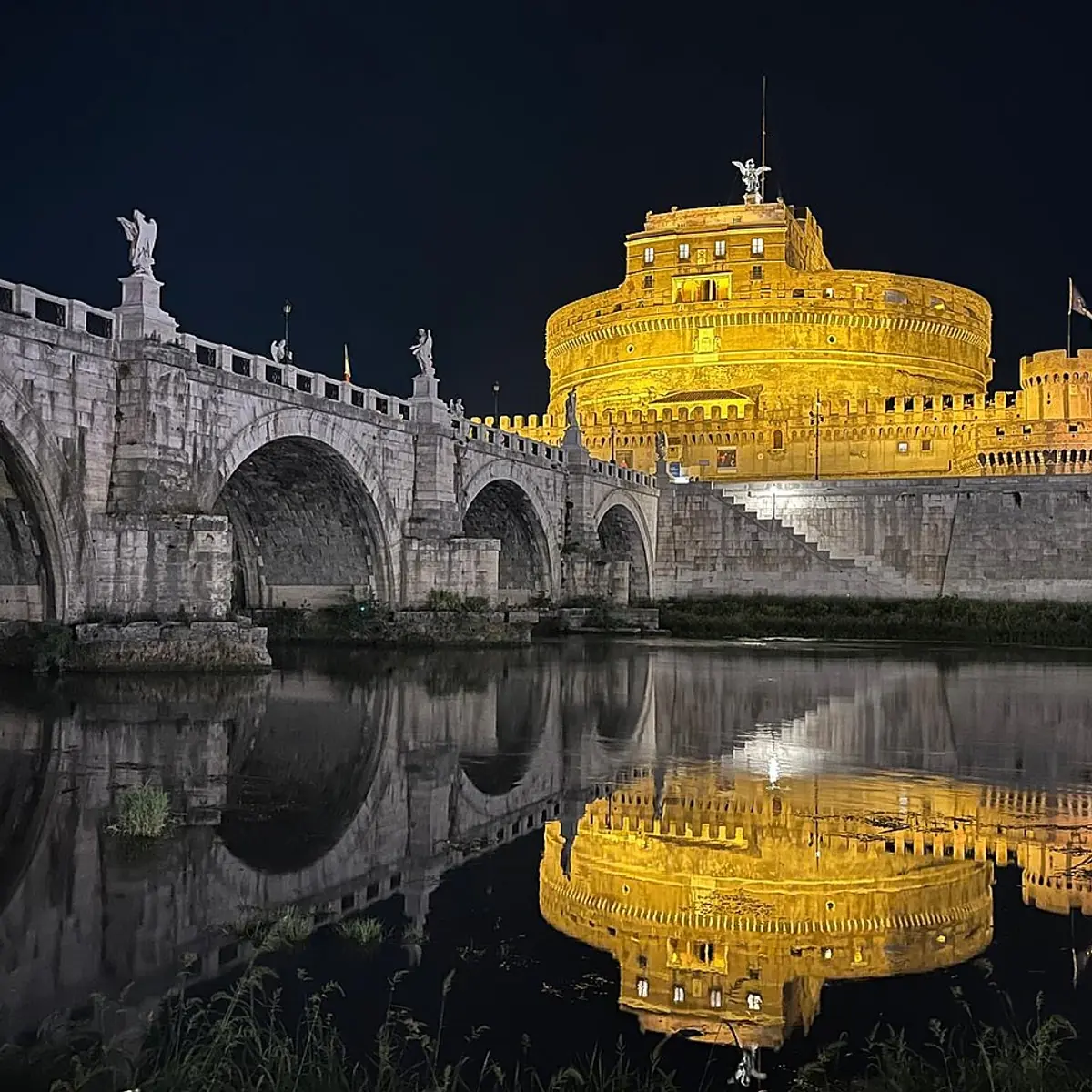
iTanne2 (CC BY-SA 4.0) Castel Sant’Angelo
history
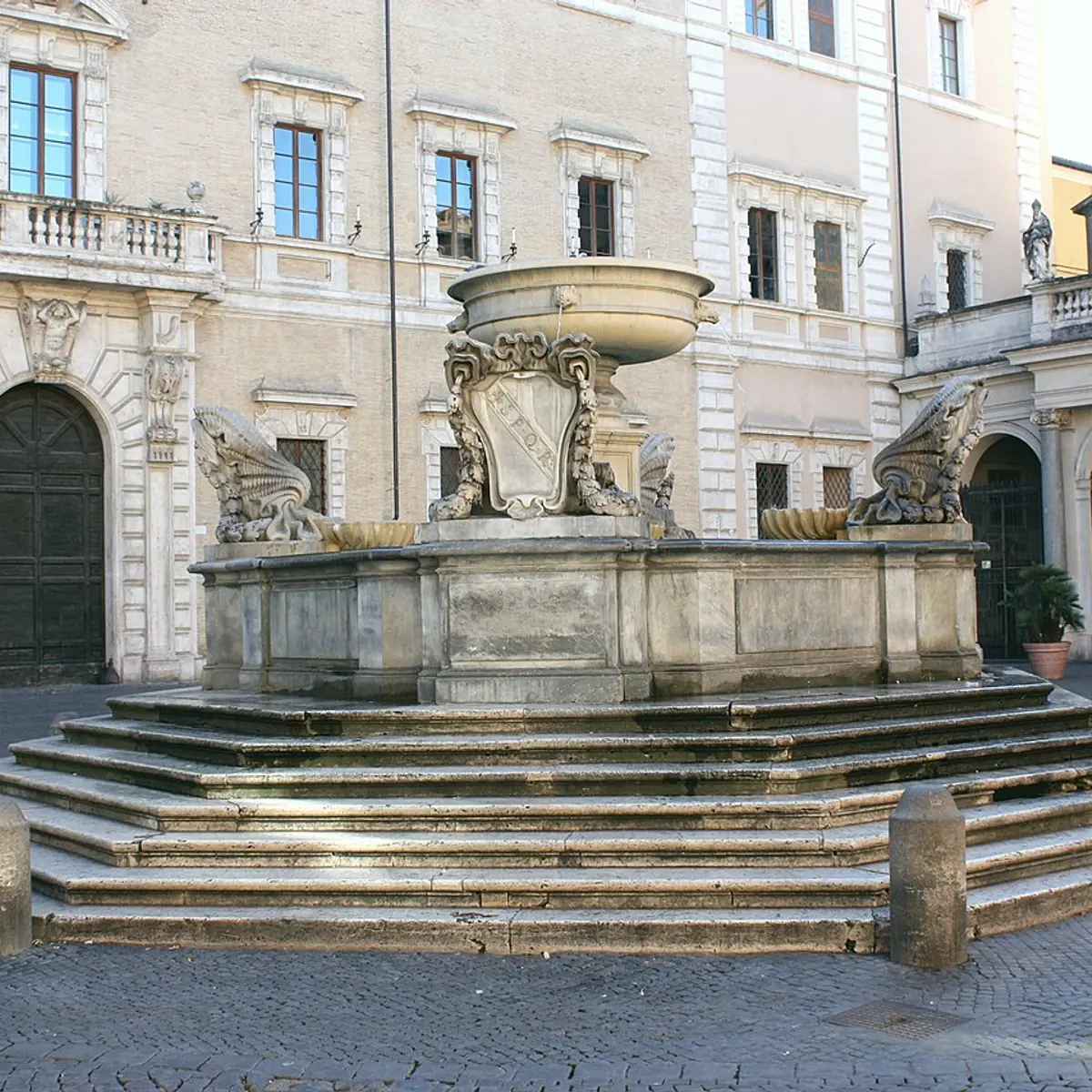
iDguendel (CC BY 3.0) Fontana di Piazza Santa Maria in Trastevere
history
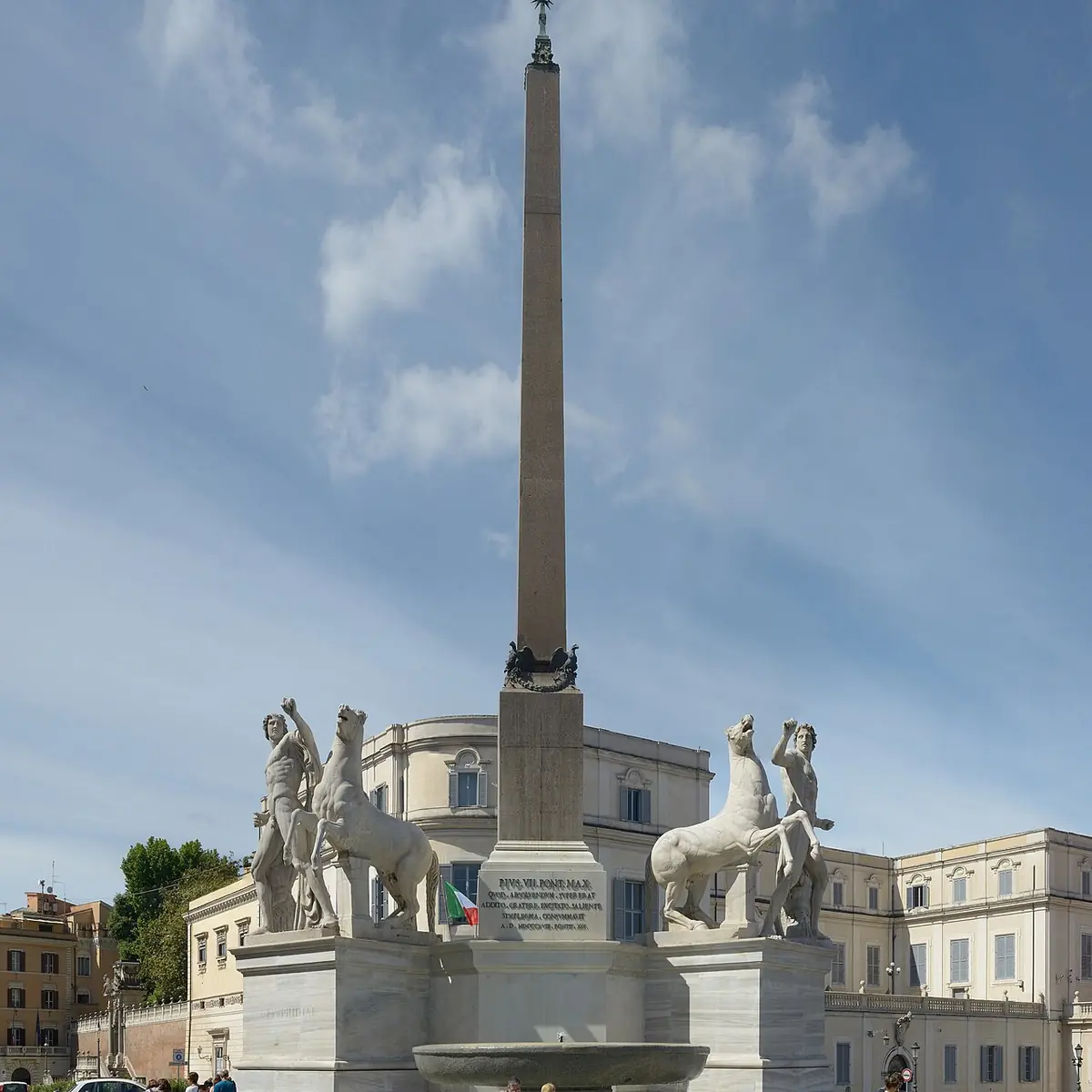
iThis Photo was taken by Wolfgang Moroder. Feel free to use my photos, but please mention me as the author and send me a message. This image is not in the public domain. Please respect the copyright protection. It may only be used according to the rules mentioned here. This specifically excludes use in social media, if applicable terms of the licenses listed here not appropriate. Please do not upload an updated image here without consultation with the Author. The author would like to make corrections only at his own source. This ensures that the changes are preserved.Please if you think that any changes should be required, please inform the author.Otherwise you can upload a new image with a new name. Please use one of the templates derivative or extract. (CC BY-SA 3.0) Obelisco del Quirinale
history
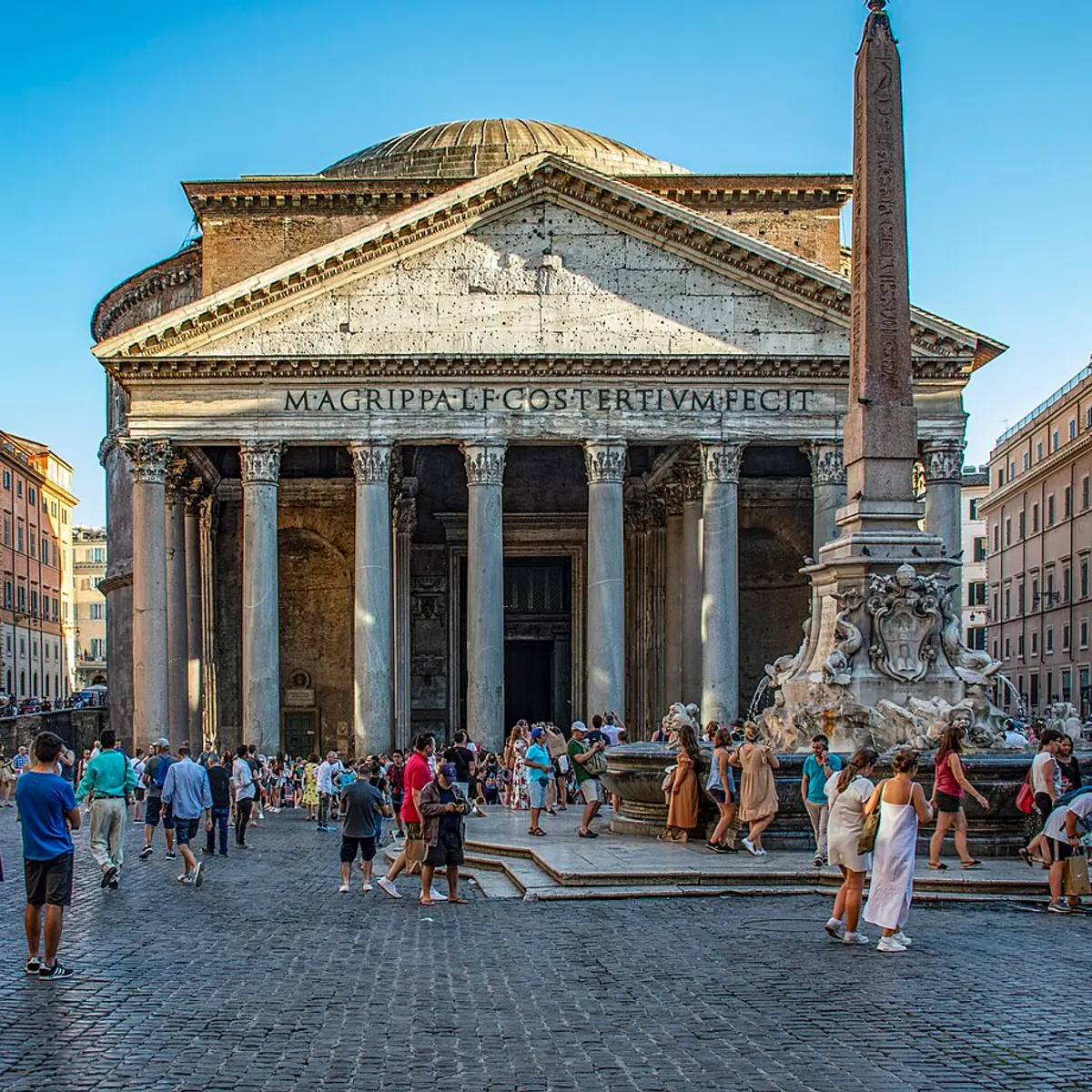
iASaber91 (CC BY-SA 4.0) Piazza della Rotonda
history