Muzeum Archidiecezji Warszawskiej, Warsaw
Updated
Listen to how the story begins
0:00 / 0:45
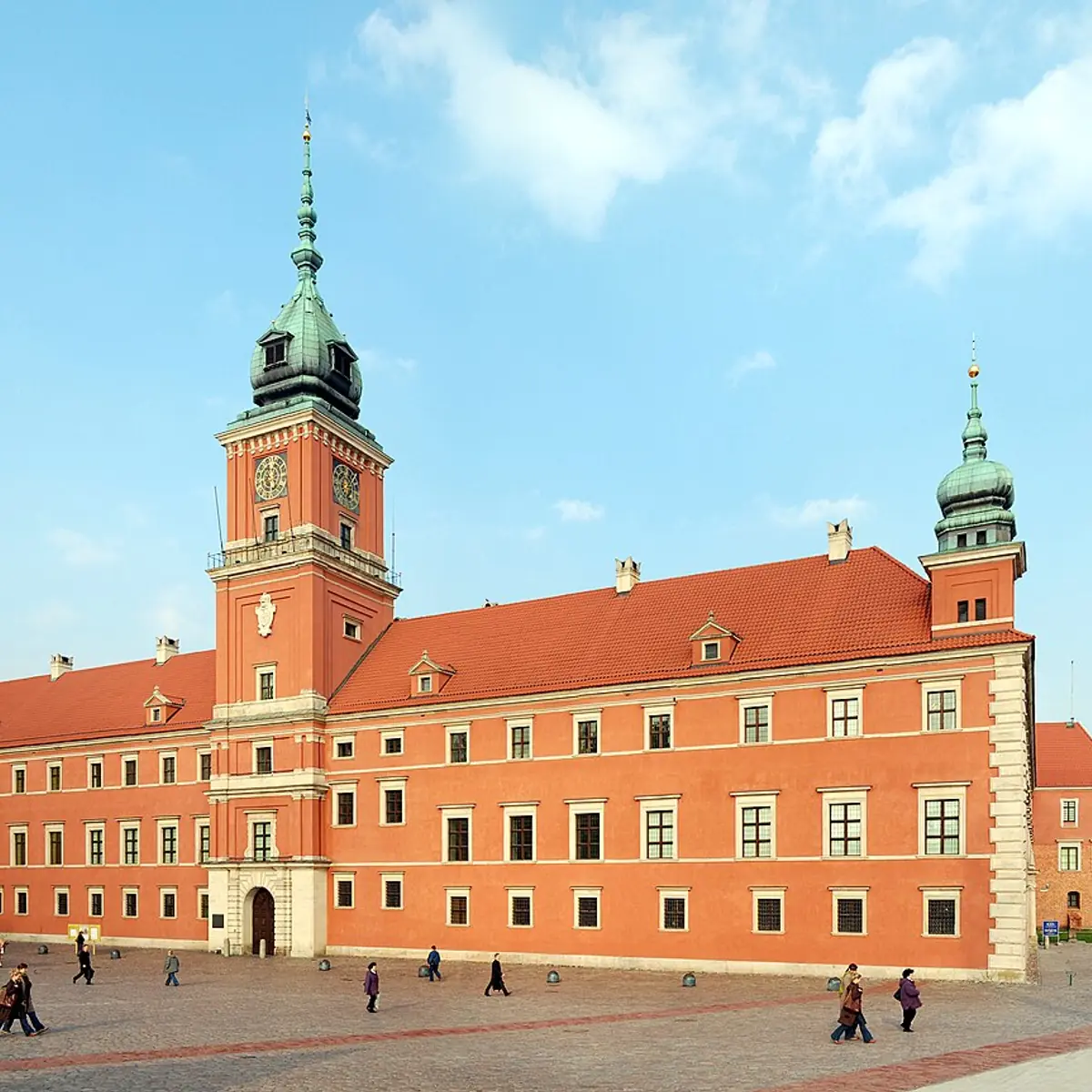
The Muzeum Archidiecezji Warszawskiej is Warsaw’s Archdiocesan Museum, bringing together sacred art, historic works, and Polish art from modern times. Notice the masonry and the framed windows of the building that now shelters these collections. The museum began in nineteen thirty-eight.
Its earliest home was a group of small houses on Kanonia Street, but the collection was lost amid the Warsaw Uprising. Primate Stefan Wyszyński revived the institution in nineteen seventy-eight. During the era of martial law, its rooms became a venue for meetings and cultural events defending freedom of expression.
The museum moved into the restored and enlarged Dean’s Palace beside St John the Baptist’s Archcathedral in January twenty sixteen. More than twenty thousand objects have arrived solely as gifts or deposits: paintings, prints, sculpture, textiles, coins, medals, and goldsmiths’ work. The permanent displays include Albrecht Dürer woodcuts created from fourteen ninety-eight to fifteen eleven, a Francesco Bassano Nativity of fifteen seventy-five, and Polish paintings by Jan Matejko, Stanisław Wyspiański, Jacek Malczewski, and Wlastimil Hofman. Art made independently during the nineteen eighties, including work by émigré artists, gives this museum a particularly resonant Warsaw voice.