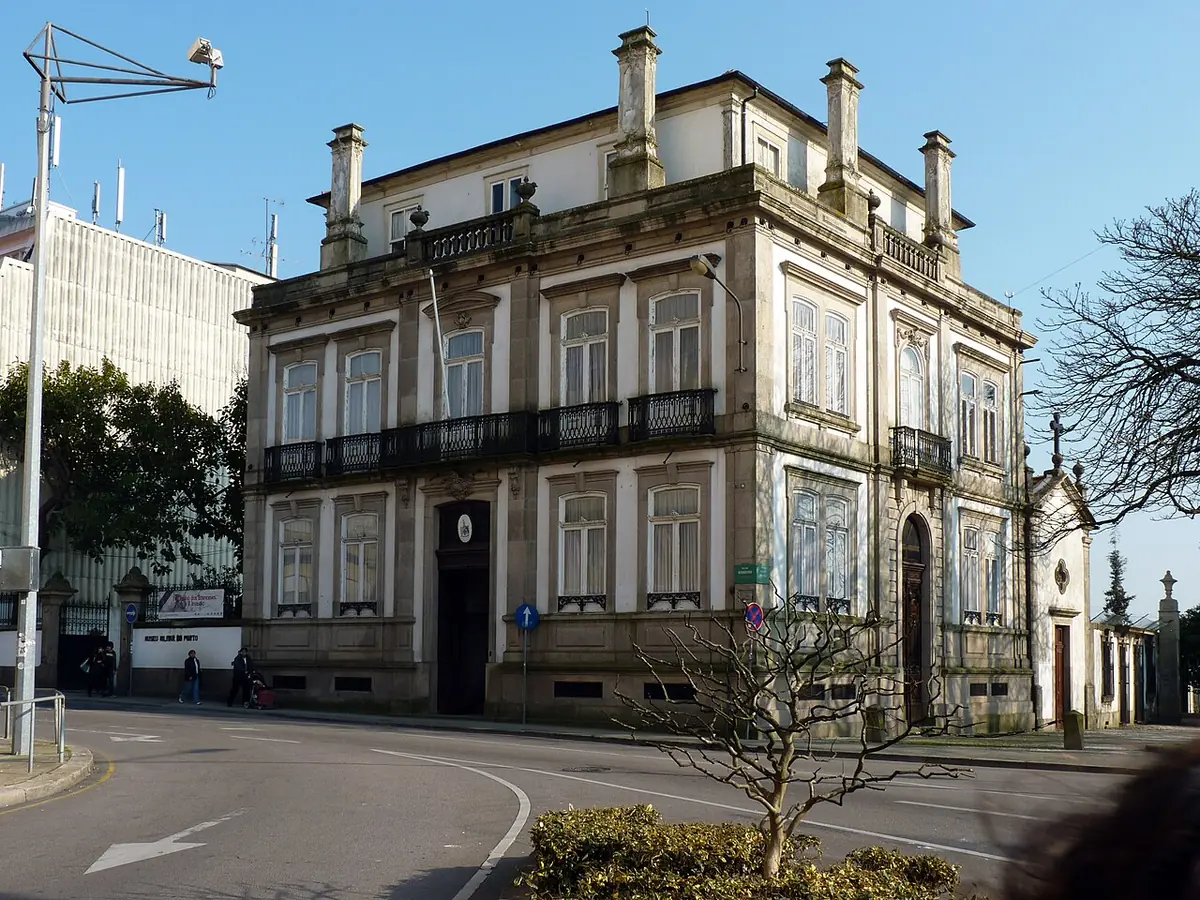
Museu Militar do Porto, Porto
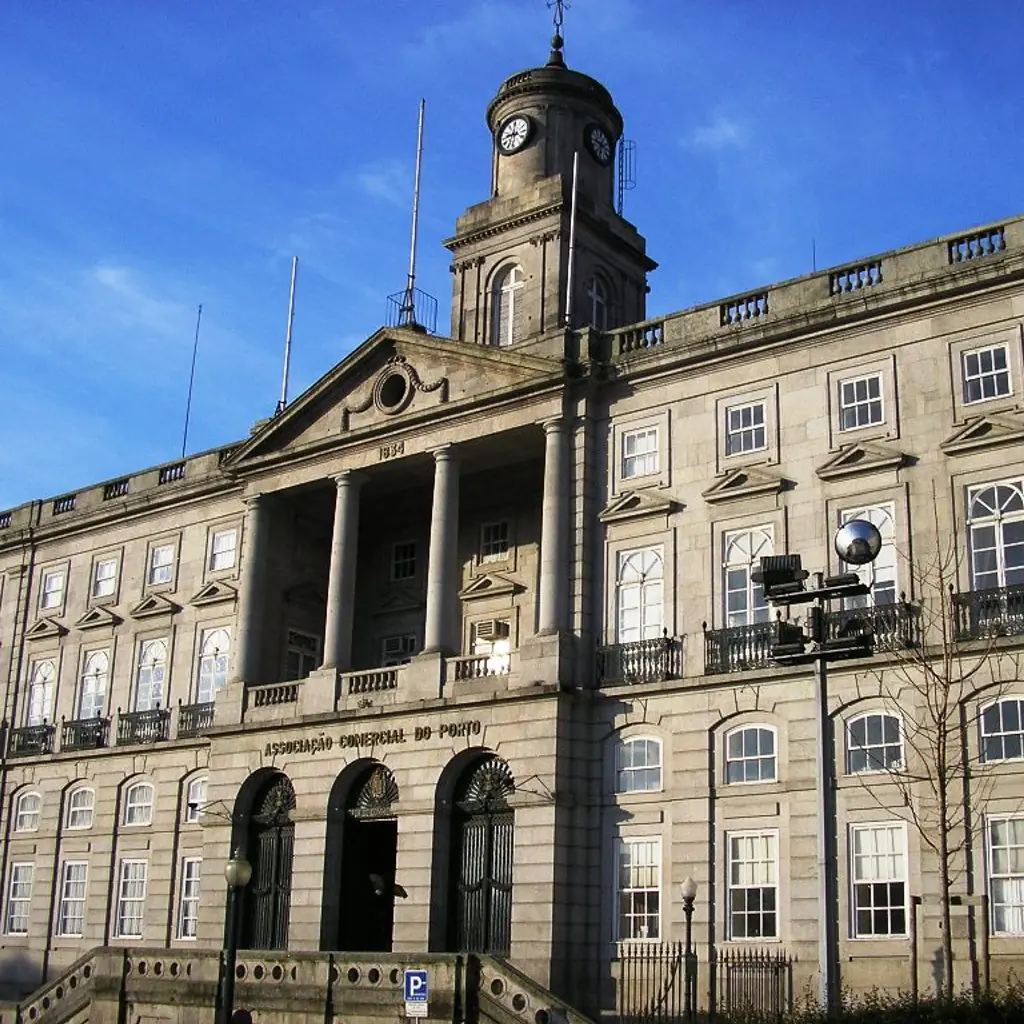
Behind the neoclassical front of Museu Militar do Porto stands a building with a sharply divided past: it began as a private home at the end of the nineteenth century, then housed Spanish nuns during the Spanish Civil War. By 1948, the Portuguese state had bought it for Porto’s PIDE secret-police delegation, which operated here until 1974. The military museum was created in 1977 after the Carnation Revolution, and President Ramalho Eanes formally opened it on the twenty-first of March 1980.
Inside, the Portuguese Army preserves and studies military history through objects from private donors and retired Army equipment. Its signature collection is remarkably vast: about sixteen thousand miniature figures trace soldiers from prehistory to the present day. There is also a room devoted to Porto’s uprising of the thirty-first of January 1891, Portugal’s first attempt to establish a republic.
Heavy artillery and military vehicles span the fifteenth through twentieth centuries, while the weapons pavilion follows the development of edged weapons and firearms. This is a museum of armies, certainly, but the building itself also carries the memory of dictatorship and the democratic break that followed.