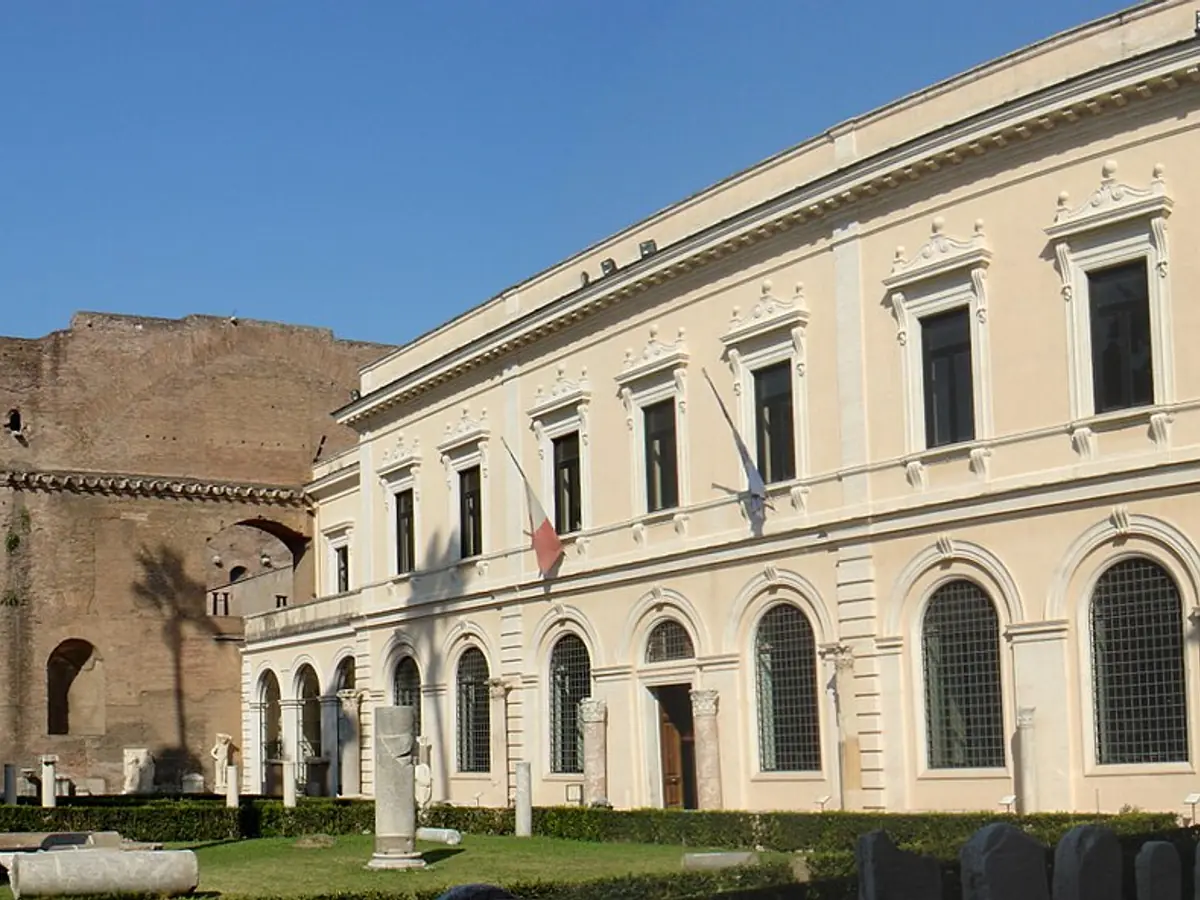
Museo Nazionale Romano - Terme di Diocleziano, Rome
Museo Nazionale Romano – Terme di Diocleziano occupies surviving halls of an ancient bathing complex, and the museum has been based here since the Italian state established it in the baths and former charterhouse in eighteen eighty-nine. These baths were built between the year two hundred and ninety-eight and the year three hundred and six, bearing the name of Emperor Diocletian. Maximian initiated the undertaking after returning to Rome from Africa, and construction continued under Constantius after both emperors stepped down.
This was the grandest imperial bath complex in ancient Rome. Let the immense masonry suggest a public building on an extraordinary scale: the enclosure covered thirteen hectares, while the bathing block itself extended along a carefully arranged sequence of cold, warm, and hot rooms. Water arrived through the Aqua Marcia, whose supply Diocletian enlarged for this vast demand.
The baths ceased to function when the Ostrogoths severed Rome’s aqueducts during the siege of the city in five hundred and thirty-seven. Centuries later, Michelangelo adapted parts of the cold and warm bathing halls for Santa Maria degli Angeli e dei Martiri, making these ruins part of Rome’s continuing life.
Good for
History, Architecture, Culture, Famous landmarks


More places in Rome
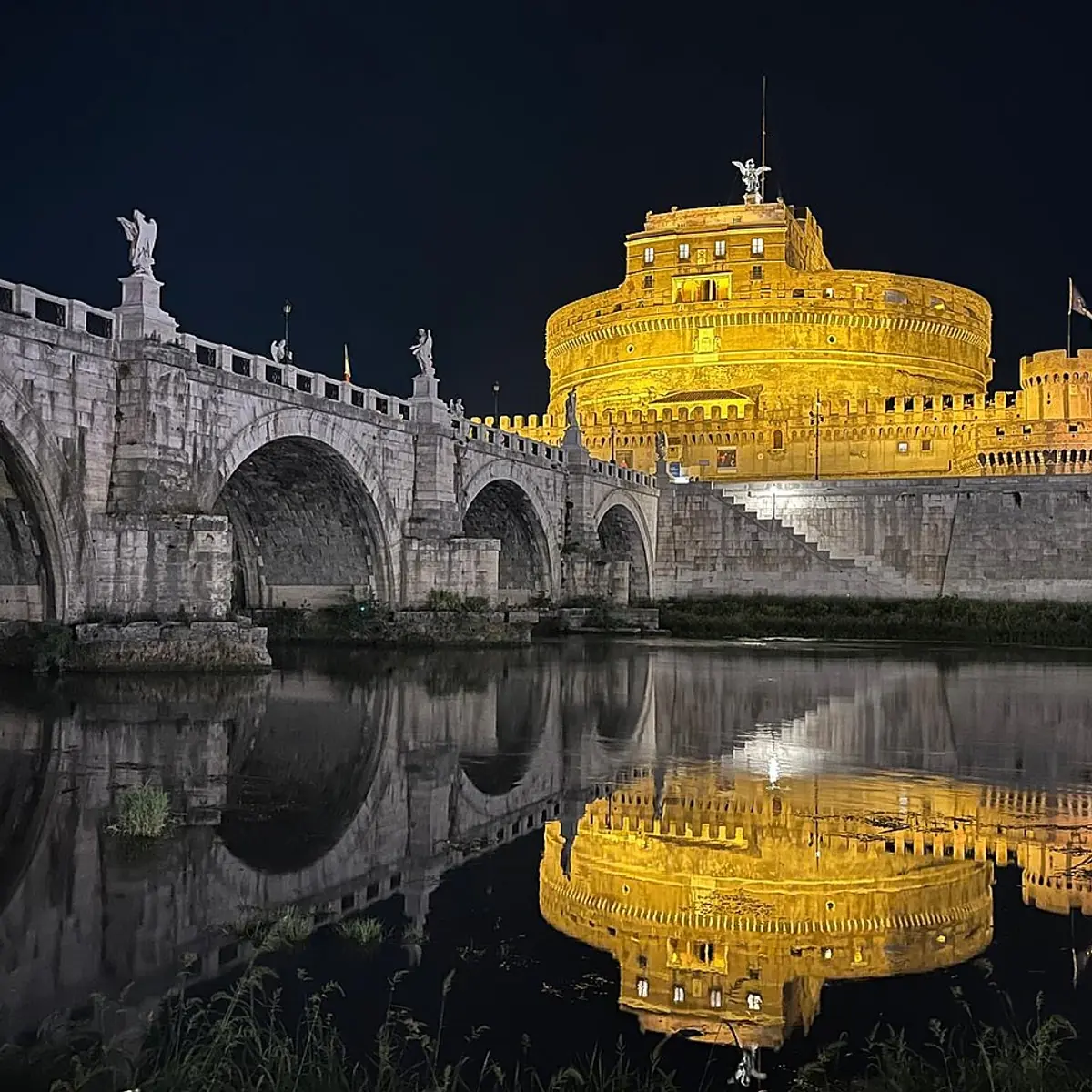
iTanne2 (CC BY-SA 4.0) Castel Sant’Angelo
history
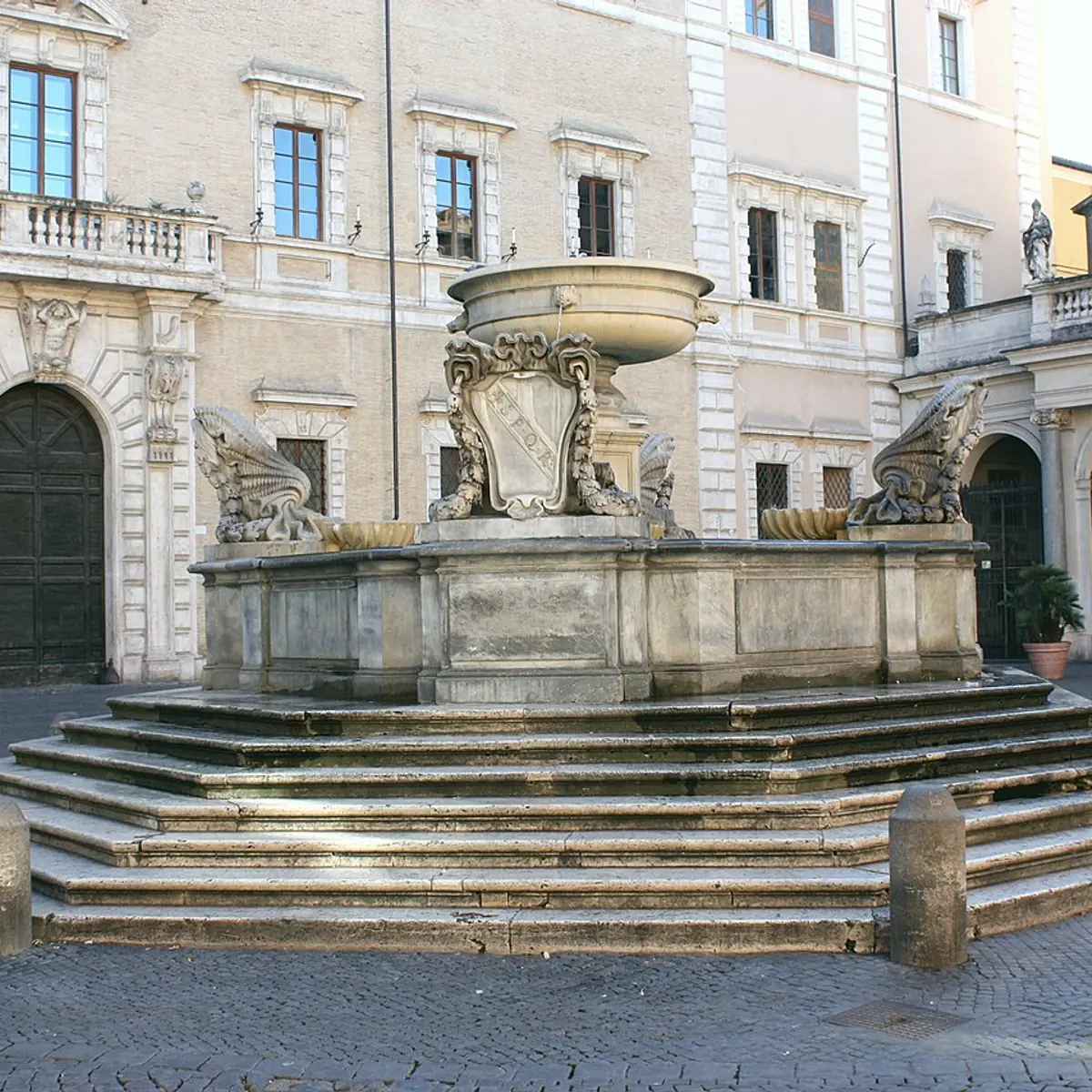
iDguendel (CC BY 3.0) Fontana di Piazza Santa Maria in Trastevere
history
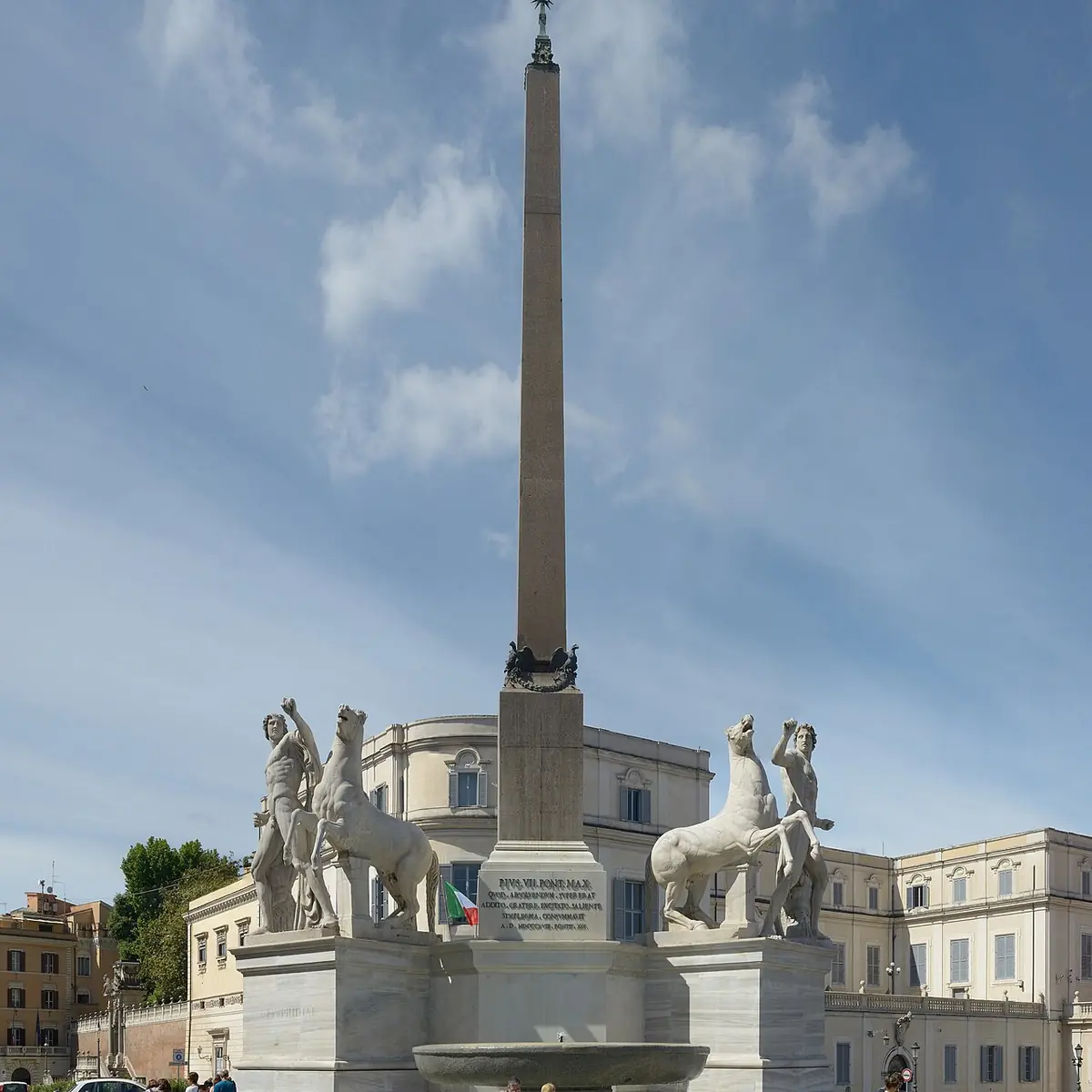
iThis Photo was taken by Wolfgang Moroder. Feel free to use my photos, but please mention me as the author and send me a message. This image is not in the public domain. Please respect the copyright protection. It may only be used according to the rules mentioned here. This specifically excludes use in social media, if applicable terms of the licenses listed here not appropriate. Please do not upload an updated image here without consultation with the Author. The author would like to make corrections only at his own source. This ensures that the changes are preserved.Please if you think that any changes should be required, please inform the author.Otherwise you can upload a new image with a new name. Please use one of the templates derivative or extract. (CC BY-SA 3.0) Obelisco del Quirinale
history
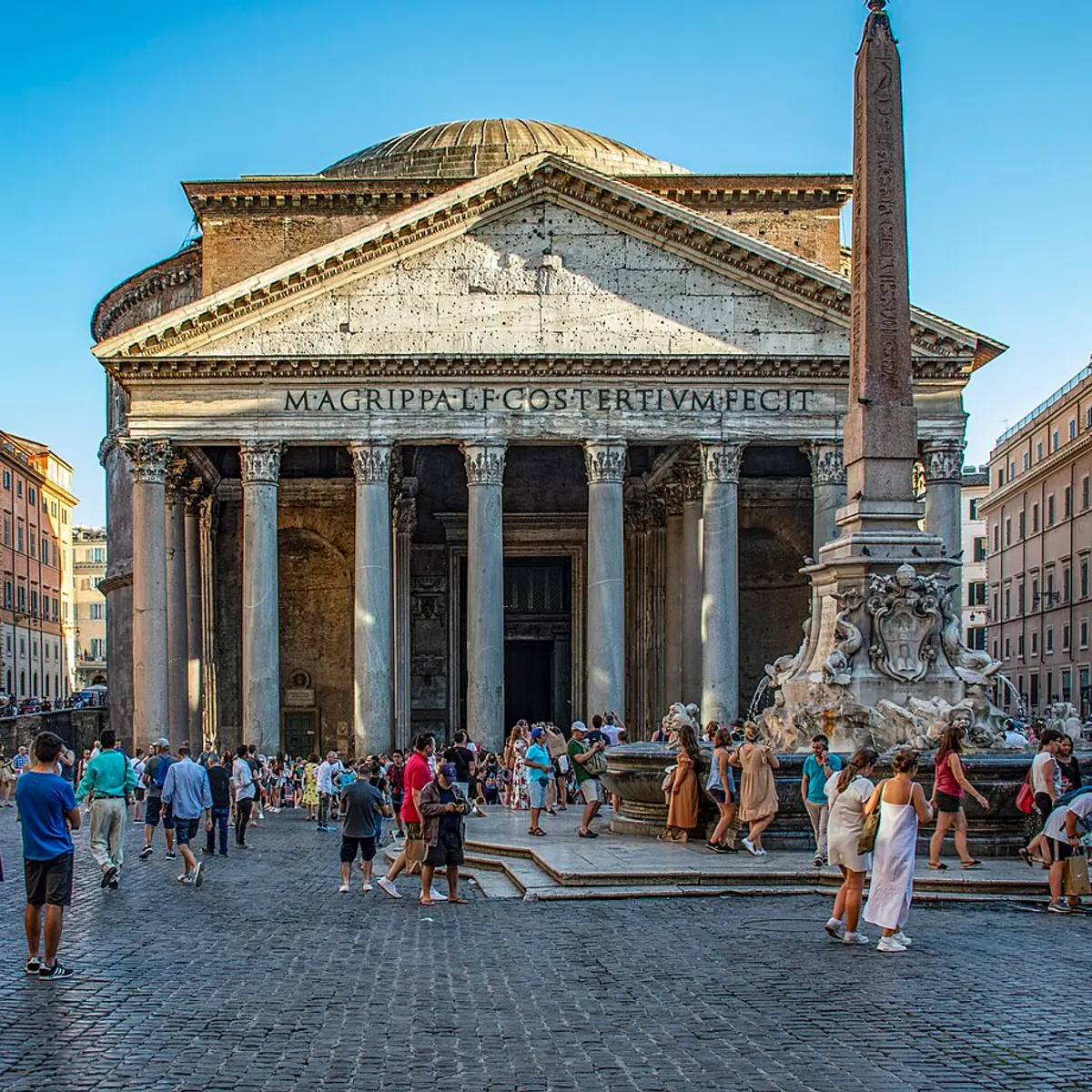
iASaber91 (CC BY-SA 4.0) Piazza della Rotonda
history