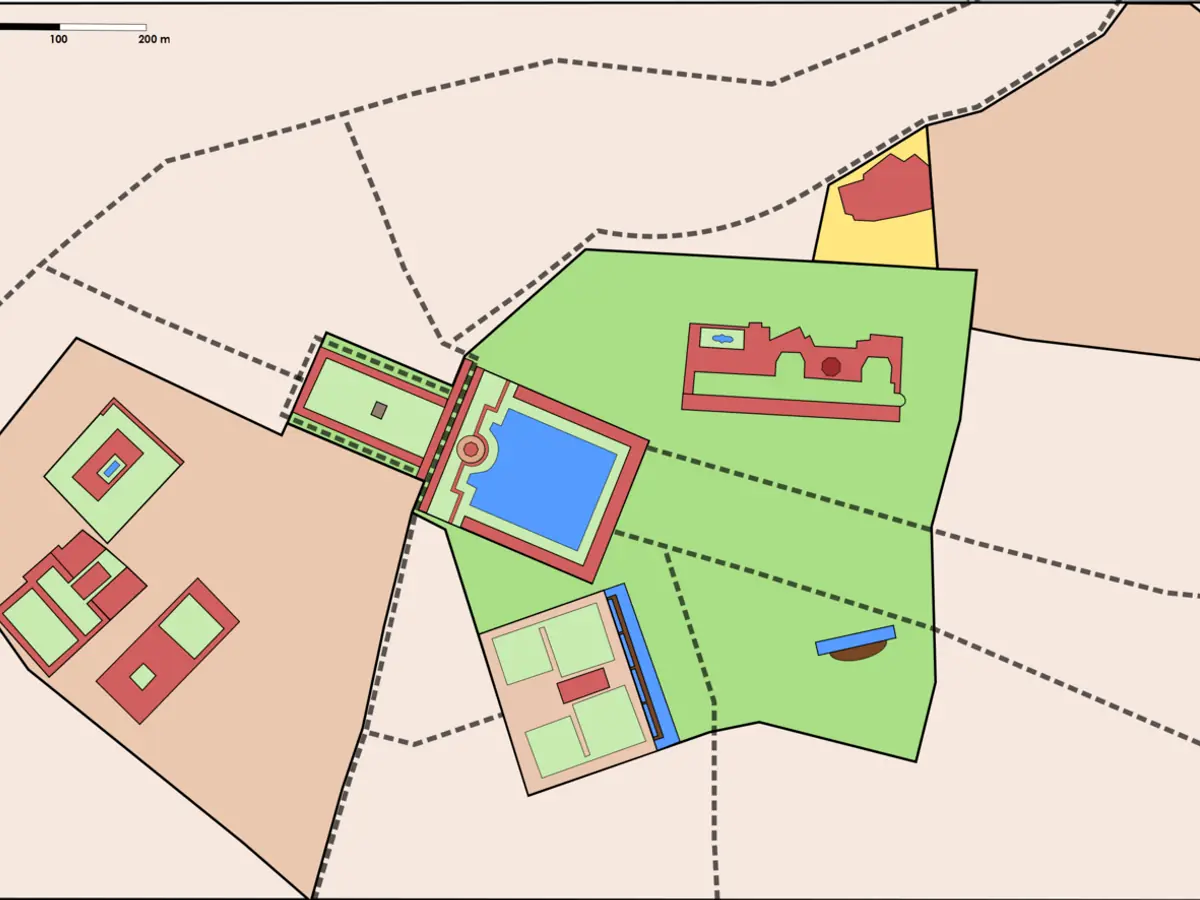
Domus Aurea, Rome
Domus Aurea is Nero’s Roman palace, created after the fire of sixty-four devastated much of Rome. What survives belongs to a vast landscaped imperial estate on Oppian Hill, replacing Nero’s earlier Domus Transitoria. Its name, the “Golden House,” reflects the precious metal used lavishly in its decoration.
Nero took a personal interest in the scheme and directed its architect-engineers, Celer and Severus. Gardens, vineyards, groves, and pasture once made this palace feel like countryside inserted into the city; an artificial lake lay within the grounds, on the site later occupied by the Flavian Amphitheatre. After Nero died, later emperors returned the land to public use.
They removed marble, jewels, and ivory, then buried much of the complex beneath new building works. That destruction preserved the painted decoration: earth sealed it away from damaging damp. At the close of the fifteenth century, a young Roman fell into these underground rooms and found painted figures all around him.
Renaissance artists soon descended to study them, and the newly encountered ornament transformed decorative painting far beyond Rome. The surviving archaeological complex contains more than one hundred fifty rooms, a remarkable fragment of an imperial fantasy turned subterranean ruin.
Good for
History, Architecture, Culture, Famous landmarks


More places in Rome
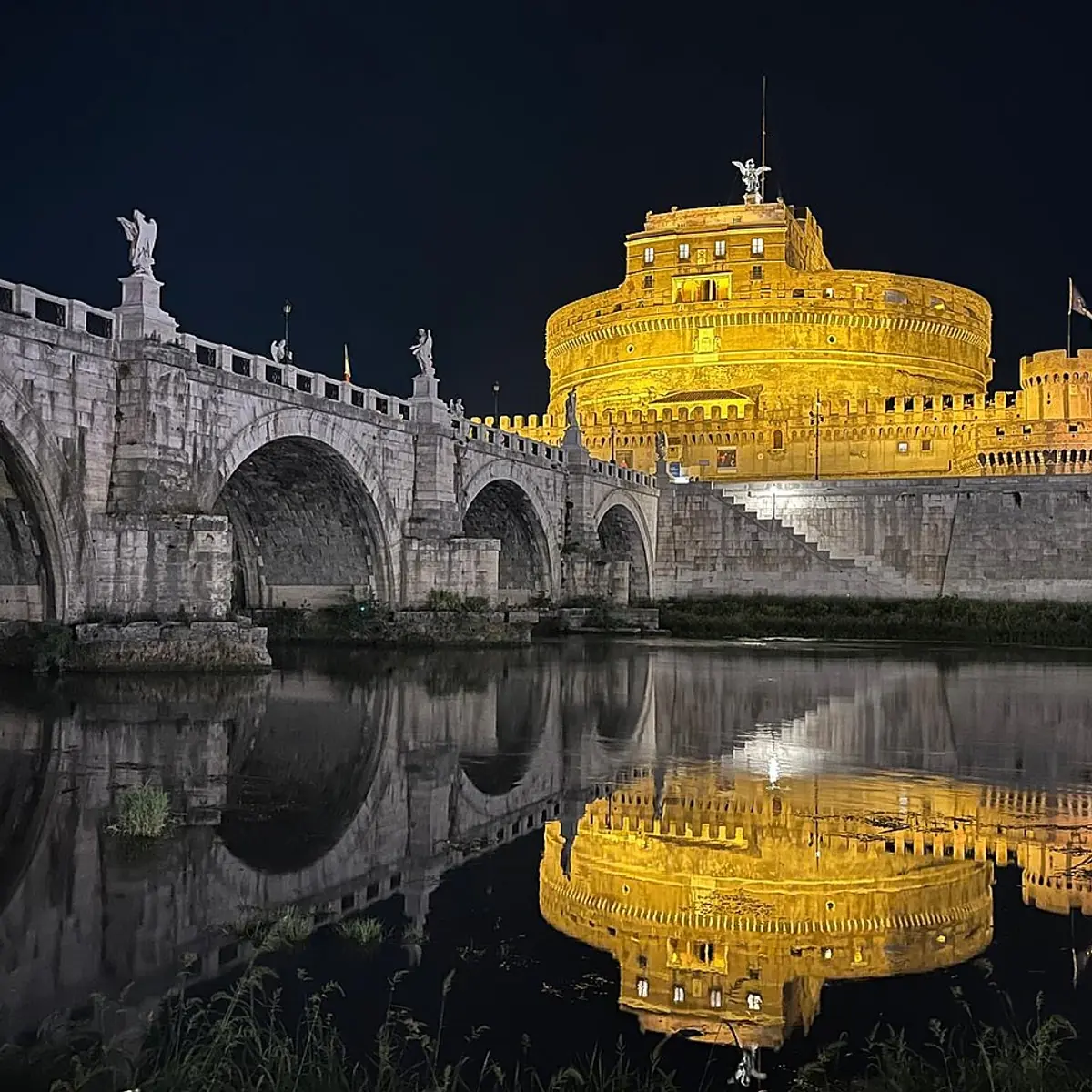
iTanne2 (CC BY-SA 4.0) Castel Sant’Angelo
history
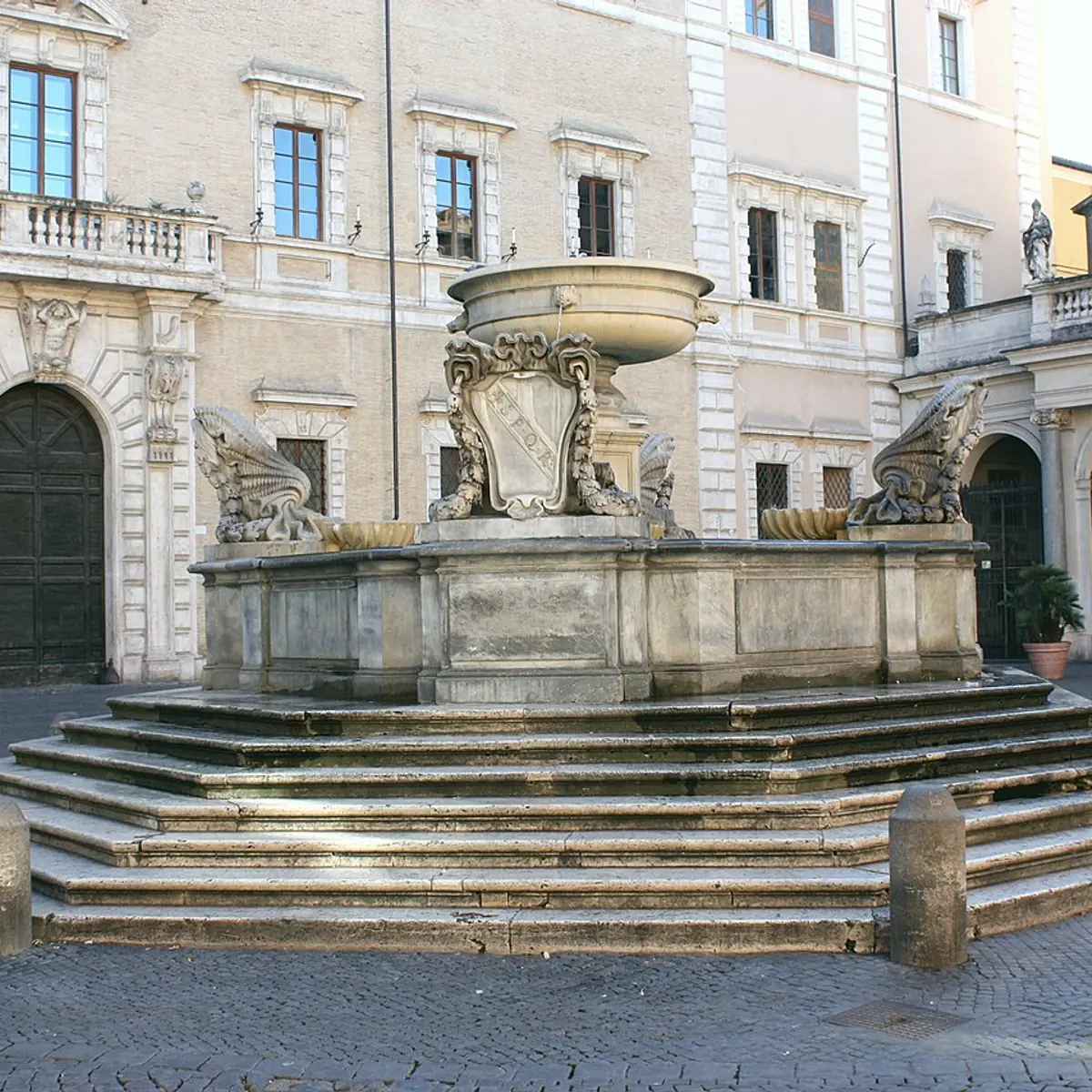
iDguendel (CC BY 3.0) Fontana di Piazza Santa Maria in Trastevere
history
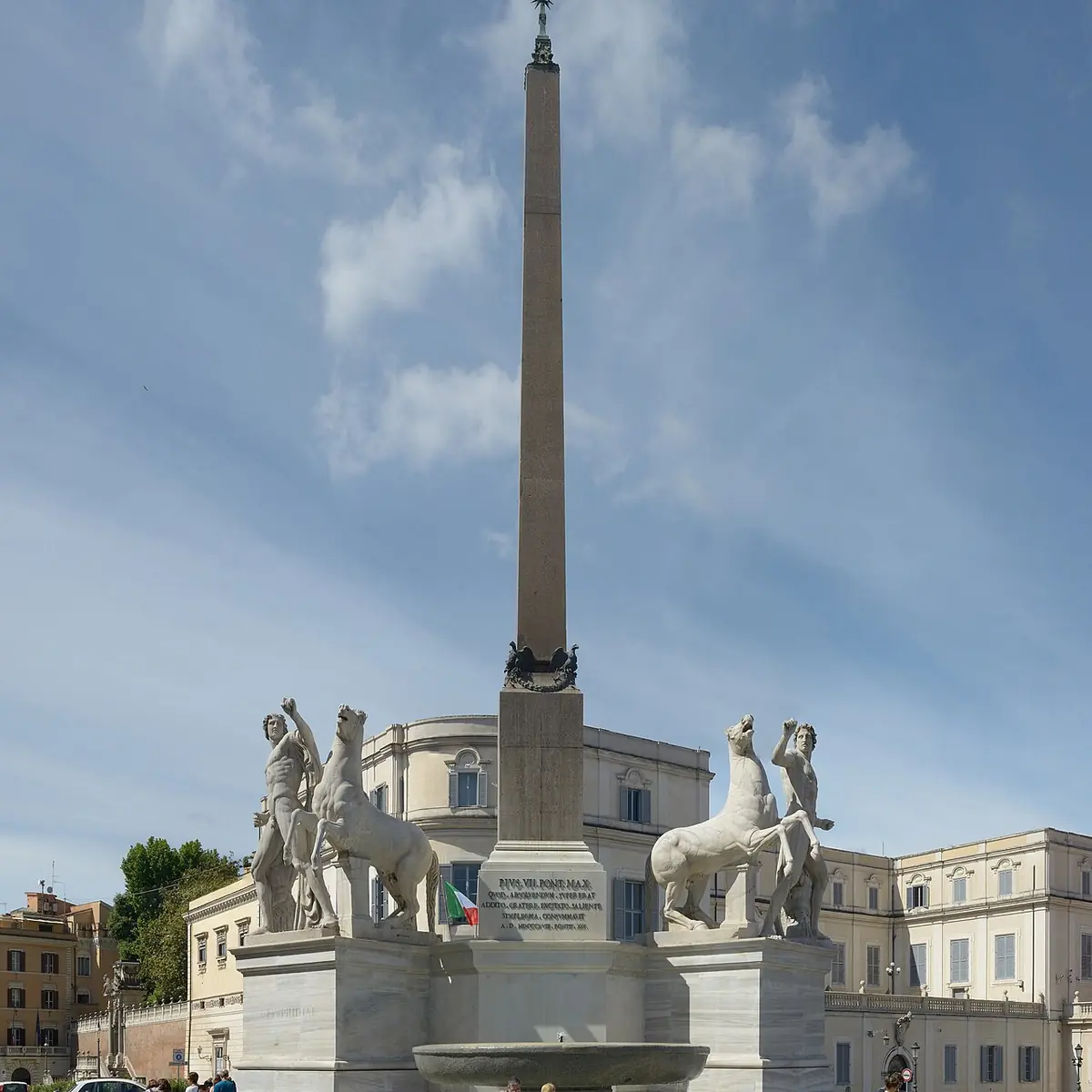
iThis Photo was taken by Wolfgang Moroder. Feel free to use my photos, but please mention me as the author and send me a message. This image is not in the public domain. Please respect the copyright protection. It may only be used according to the rules mentioned here. This specifically excludes use in social media, if applicable terms of the licenses listed here not appropriate. Please do not upload an updated image here without consultation with the Author. The author would like to make corrections only at his own source. This ensures that the changes are preserved.Please if you think that any changes should be required, please inform the author.Otherwise you can upload a new image with a new name. Please use one of the templates derivative or extract. (CC BY-SA 3.0) Obelisco del Quirinale
history
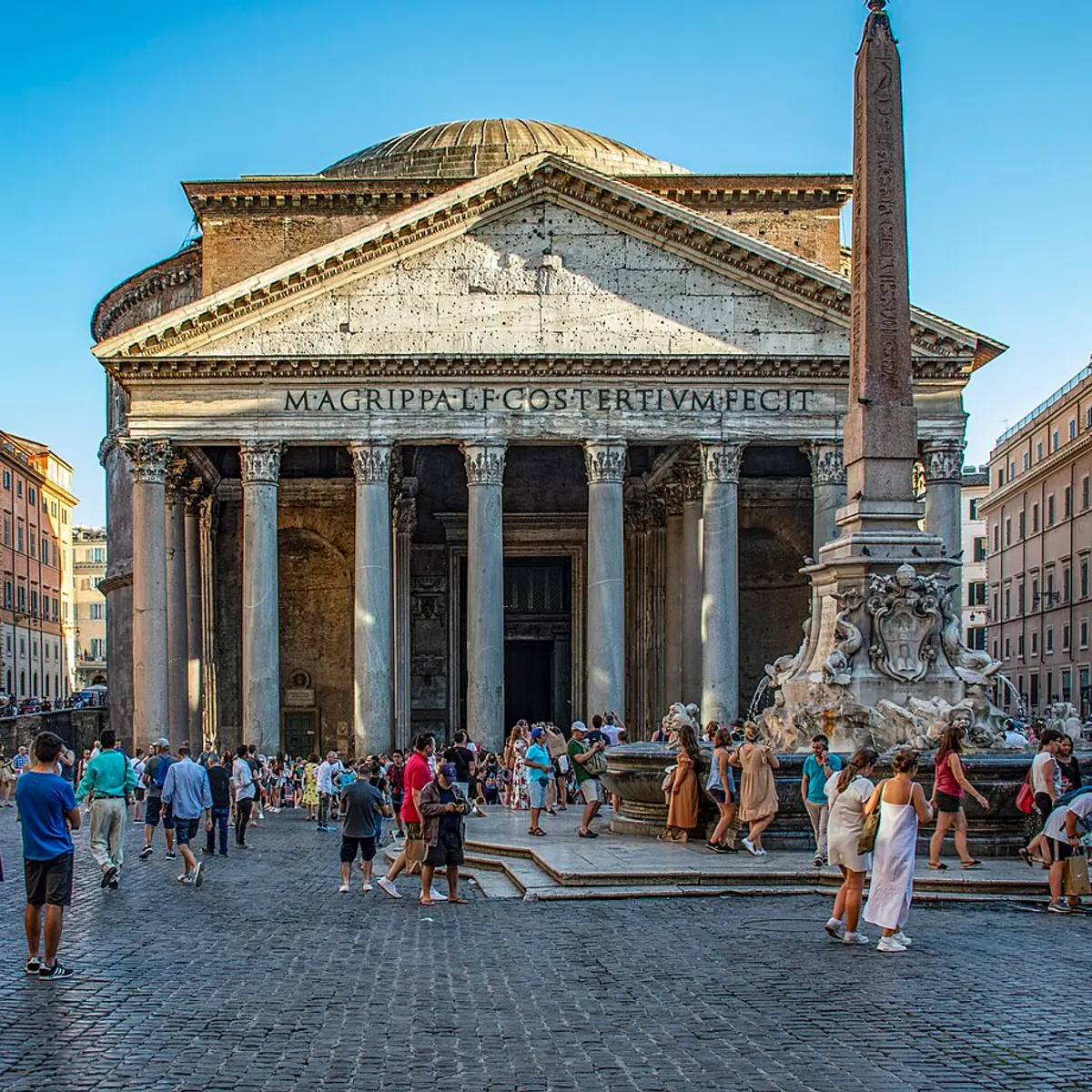
iASaber91 (CC BY-SA 4.0) Piazza della Rotonda
history