Dublin
Dublin Travel Tips: Getting Around, Money and Tourist Traps
Last checked
Dublin's centre is compact enough to see mostly on foot, but a visit runs more smoothly once you know there's no train link from the airport, how the Leap card system works, and which well-known attractions sell tickets only through their own site.
Arriving
Dublin Airport (DUB) sits about 10 km north of the centre, and, as Wikivoyage notes, there's no rail or metro link between the airport and the city. Aircoach routes 700 and 700X leave from outside both terminals, running 24/7 and departing as often as every 15 minutes; route 700 stops at Drumcondra, O'Connell Street, Kildare Street and Leeson Street Lower, with the trip taking 20 to 40 minutes depending on traffic. Dublin Express runs even more frequently, reaching the city in as little as 14 minutes and serving more than 15 stops including Temple Bar, Trinity College and Heuston Station.
TFI public buses, run by Dublin Bus, Go-Ahead Ireland and Bus Eireann, also connect the airport to the city; Leap Visitor Cards are sold at the airport itself, at the T1 Convenience Store and WHSmith, and at SPAR in T2 Arrivals. Taxis wait outside both terminals at all times, fares are metered, and you'll get a taximeter receipt.
Every licensed taxi must display the driver's ID card and Passenger Information Card in clear view, and since September 2022 all taxis must accept both cash and card, with no card surcharge — the TFI Driver Check app lets you confirm a driver's licence on the spot. Wikivoyage warns that touts sometimes try to pick up passengers at the Aircoach stop, which they're forbidden to do, so use the official rank instead.
A compact core straddles the River Liffey: the General Post Office and the Spire of Dublin mark the north side's O'Connell Street, the Ha'penny Bridge is the classic crossing back over the river, and Dublin Castle sits on the south side.


Getting around
You can see much of the city on foot — buses are the main form of transport beyond that, since rail is limited to the DART, commuter trains and the Luas tram. The Leap Visitor Card gives unlimited travel for 1, 3 or 7 days on Dublin Bus, Go-Ahead buses, the Luas, DART and commuter rail within Dublin city zone 1; the period starts the first time you use it, and it isn't valid on hop-on-hop-off tours or Bus Eireann services. An ordinary TFI Leap Card instead gives a 90-minute fare.
Contactless bank cards don't work on Dublin's public transport yet — the Irish Times reports that new validators are due from 2027, with contactless payment following from 2028 on Dublin Bus, Luas and rail, a timeline Wikivoyage also gives. On the Luas and trains, tag your Leap card on at the platform validator before boarding and tag off at the end; on buses, tap the reader by the driver, since there's no tag-off there. If you're paying cash on the bus, it's coins only, exact fare, with no change given.
Money and tipping
Ireland has used the euro since 1 January 1999, one of the first adopters. Mastercard, Maestro and Visa are accepted everywhere, Amex fairly widely, and ATMs are common and usually fee-free. Keep some coins handy for the bus if you don't have a Leap Card. As with any card terminal or ATM abroad, decline an offer to charge you in your home currency and pay in euros instead — the European consumer body BEUC gives the same advice everywhere.
Tipping 10-15% is standard in Dublin's restaurants; it isn't expected in bars or pubs, and taxi fares are usually just rounded up to the next euro.
Tourist traps
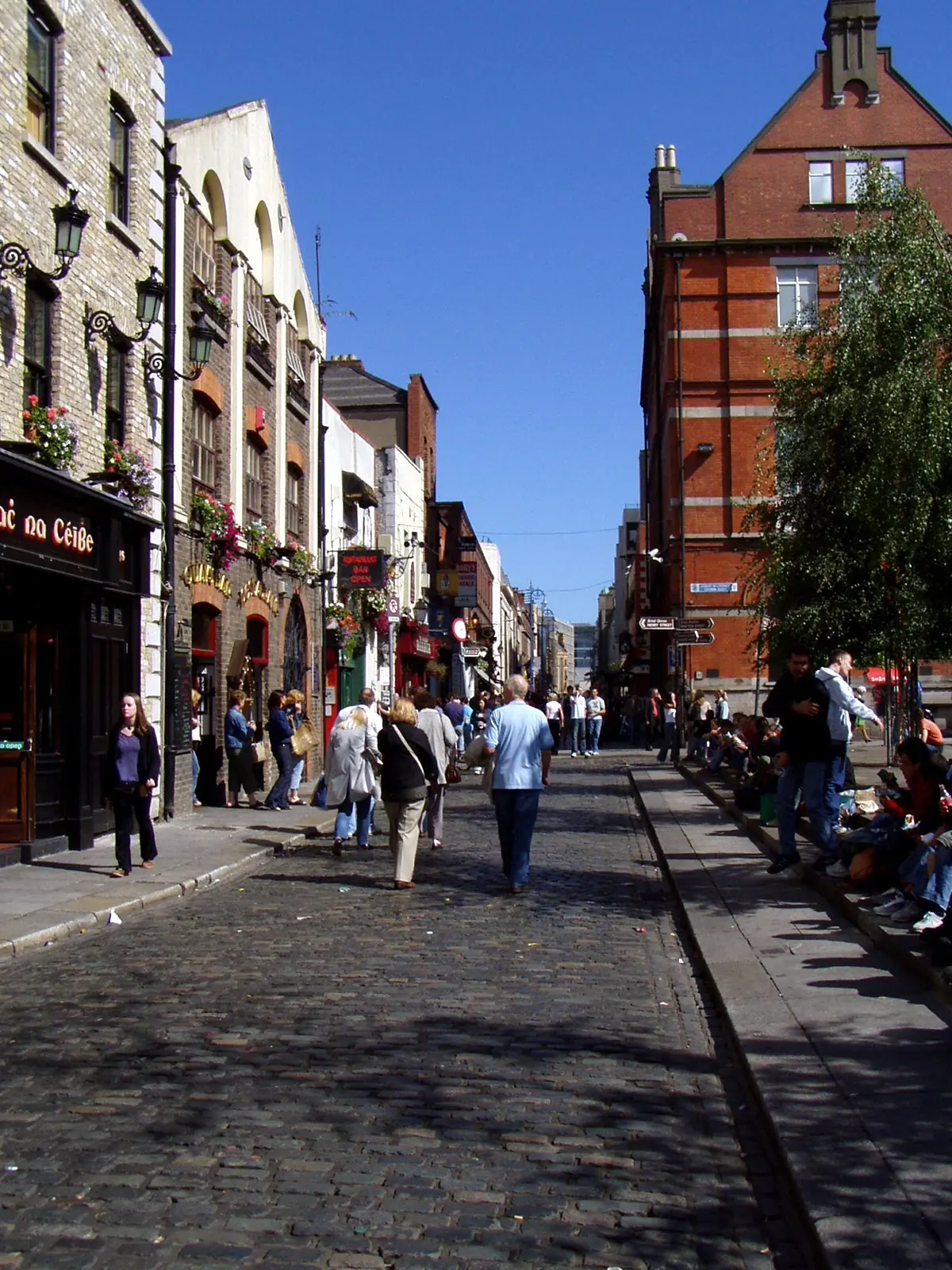
Temple Bar is, in Wikivoyage's words, a tourist strip of cobbled alleys and drinking places where a round costs more than elsewhere in the city, and it's especially popular with stag and hen parties.

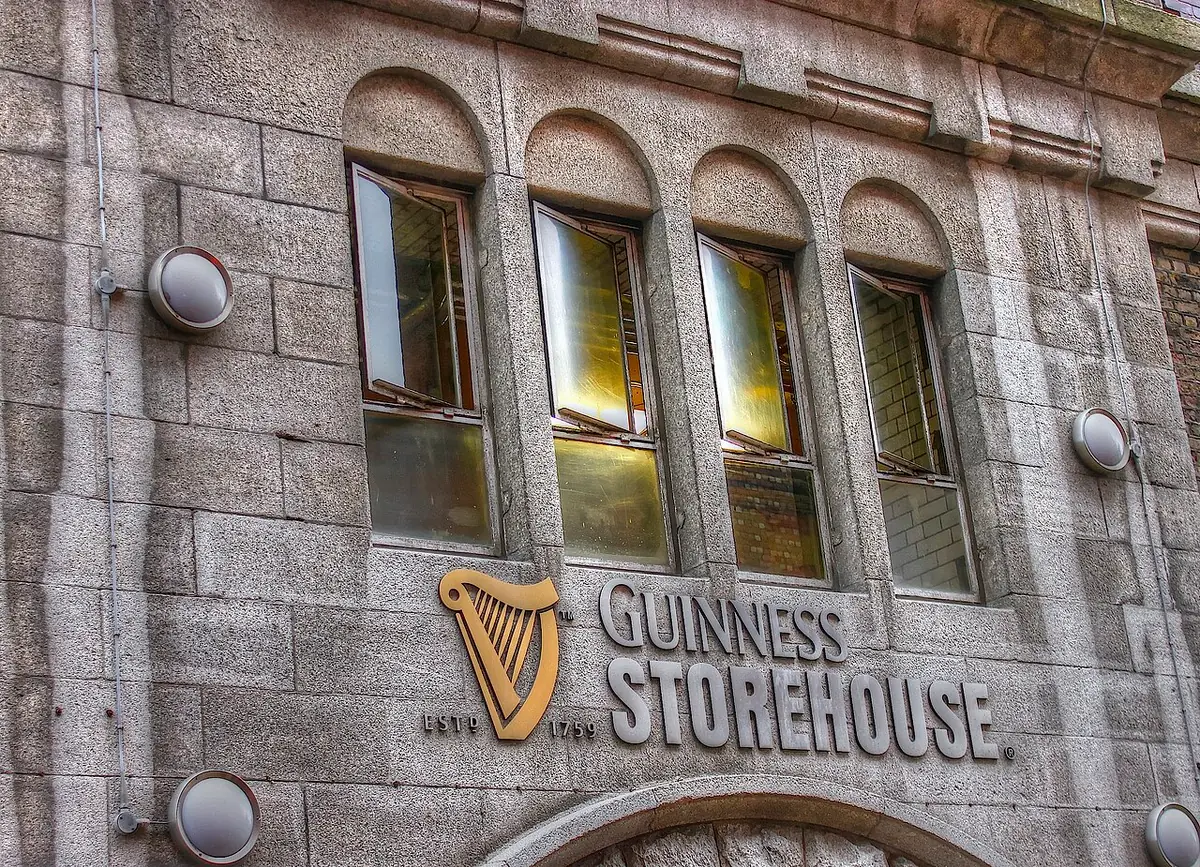
For the Book of Kells Experience at Trinity College, book the timed slot directly through Trinity's own ticketing site rather than a third party. The Guinness Storehouse also sells tickets directly through its own official site.
.jpg)
Stick to taxis with a roof sign and the driver's ID displayed, or check one with the TFI Driver Check app, rather than an unlicensed car.
Staying safe
The UK Foreign Office advises taking precautions against bag-snatching or pickpocketing, avoiding carrying valuables or large amounts of cash, and notes that most incidents happen in the larger cities. Possession of even small quantities of drugs, including cannabis, carries severe penalties.
Wikivoyage notes that drivers can be inattentive to pedestrian-crossing lights, so look both ways before crossing, and remember that traffic drives on the left. For any emergency, dial 999 or 112.
Ireland's tap water is safe, according to the national regulator, the EPA, which reported in 2026 that 99.8% of microbiological tests and 99.7% of chemical tests met the required standard in 2025 — though it also noted that boil-water notices affected roughly 189,000 people nationally that year, so it's worth checking for any local notice.
Sources
- Wikivoyage — Dublin
- Wikivoyage — Ireland
- Dublin Airport — Buses to the city
- Dublin Airport — Taxi
- Aircoach — Dublin routes
- Dublin Express
- Leap Visitor Card
- Transport for Ireland — Taxi passenger information
- Transport for Ireland — Fare evasion on TFI services
- The Irish Times — New contactless payment system for public transport
- Visit Trinity — Book now, tickets
- Guinness Storehouse
- UK FCDO — Ireland travel advice, safety and security
- UK FCDO — Ireland travel advice, health
- An Garda Siochana — Crime prevention
- European Commission — Ireland and the euro
- BEUC — Paying abroad may be costing you more than it should
- Environmental Protection Agency — Drinking water is safe (2026)
Travel information adapted from Wikivoyage, licensed under CC BY-SA 4.0.
Walk Dublin with an audio guide in your pocket
Join the beta and these tips become a route you can actually walk.