Amsterdam
Amsterdam Travel Tips: Getting Around, Money and Tourist Traps
Last checked
Amsterdam's old centre is flat, compact and built almost entirely for walking, which makes the practical side of a visit — getting in from Schiphol, tapping in and out on transit, knowing which museums need a timed ticket — more about a few local habits than anything complicated.
Arriving
Schiphol sits about 15 km southwest of the centre. NS runs a train to Amsterdam Centraal in about 15-20 minutes; buy a ticket at the yellow machines or check in with a contactless card or phone at the yellow card readers.
Bus 397, the Amsterdam Airport Express, runs direct to Museumplein and the Rijksmuseum and on to Leidseplein every 10 minutes during the day, with the Niteliner N97 covering the route hourly overnight; the driver takes cards only.
For a taxi, use the official rank — look for a car with blue licence plates and an official roof sign, since official Amsterdam taxis must take the shortest route and ranks are set up at Schiphol, the train stations and squares including Dam, Leidseplein and Museumplein. Uber and Bolt both have a designated pick-up point at the airport; don't take rides from drivers soliciting inside the terminal.
Getting around
The centre is compact and flat, with most sights within about half an hour's walk of Centraal station. On GVB trams, metros and buses, pay with OVpay: check in and check out with the same contactless card, phone or smartwatch every time, and if you change between operators — say, from an NS train to a GVB tram — check out and check in again. Some virtual bank cards, including digital Revolut cards, are blocked from OVpay, so carry a physical one as a backup.
GVB day and multi-day tickets aren't valid on NS trains or on the Connexxion and EBS buses that run further out. Most trams still carry a conductor who sells single and day tickets on board, payable by card only.
Cycling has its own etiquette: ride in the marked bike lane on the right, never on footpaths, signal before turning, and switch your lights on after dark. Lock the bike to something immovable — an unlocked one can be removed to the Bicycle Depot. As a pedestrian, watch for bike lanes along the canals, often paved in red or purple tiles, and don't walk in them.
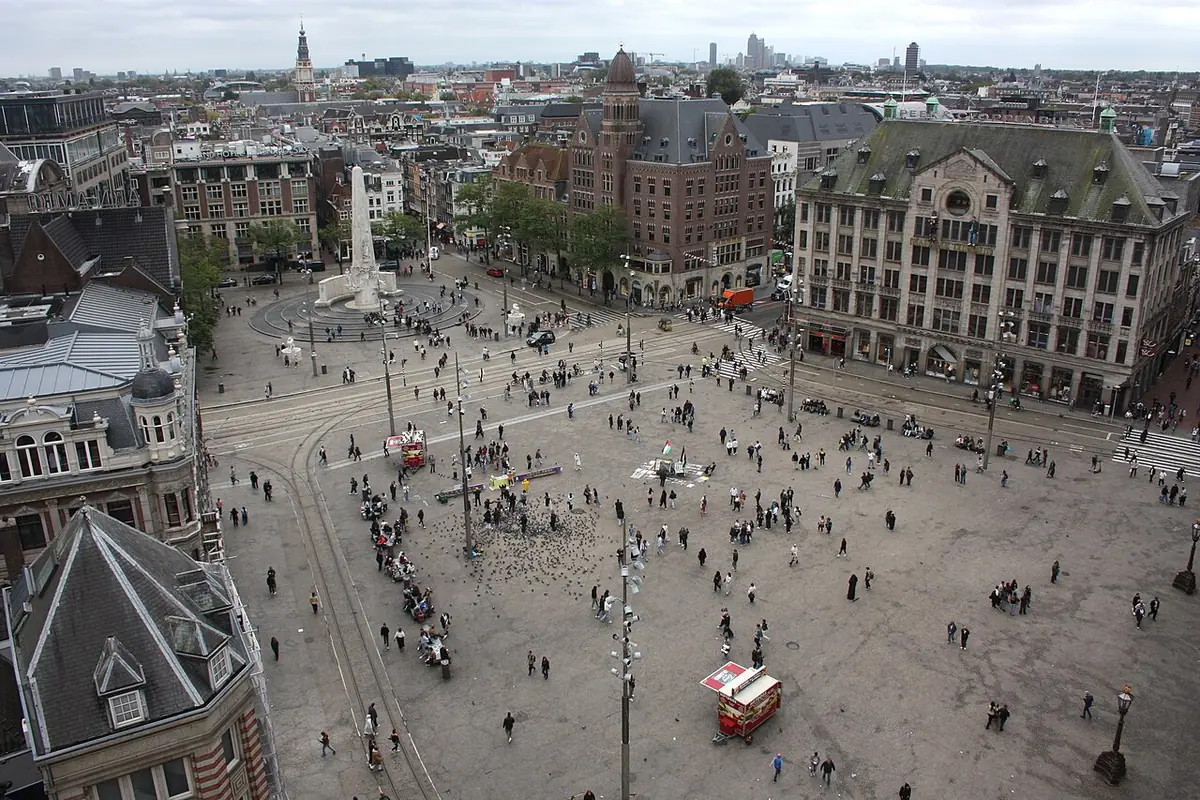
Dam square sits at the heart of these routes and is one of the fixed taxi-rank points above.
.jpg)
Money and tipping
The Netherlands uses the euro, one of the first adopters on 1 January 1999. About 5% of Dutch shops are card-only, marked "Hier alleen pinnen" (pin only), and cards are the only way to pay on board buses and trams. Some shops refuse the largest banknotes and supermarkets round cash totals to the nearest 5 cents.
If a card terminal or ATM offers to charge you in your home currency, decline it and pay in euros — the European consumer body BEUC advises travellers to always pay in the local currency, since the conversion on offer is rarely in your favour.
Tipping isn't required: service is already included by law, so a tip is a bonus rather than an expectation. 5-10% counts as generous for good service in a restaurant.
Tourist traps
The Anne Frank House sells tickets only online — none are sold at the door. New tickets release every Tuesday at 10:00 CEST for visits six weeks later, and each one is non-transferable.
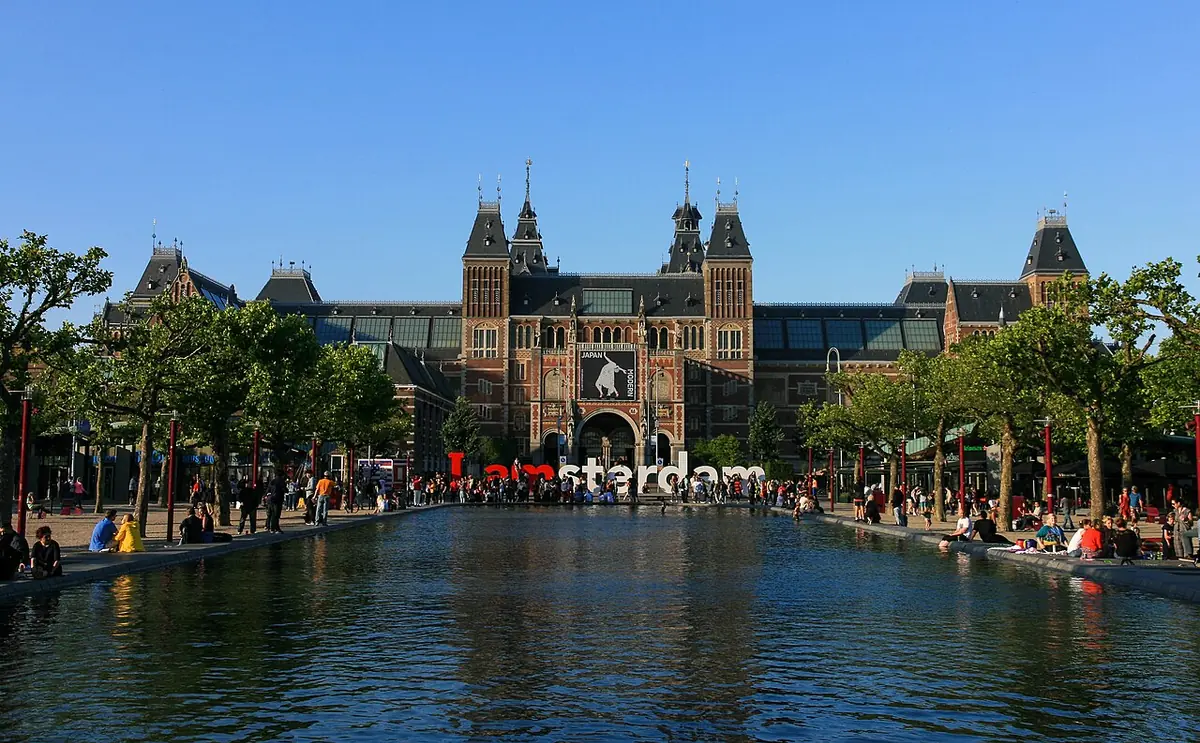
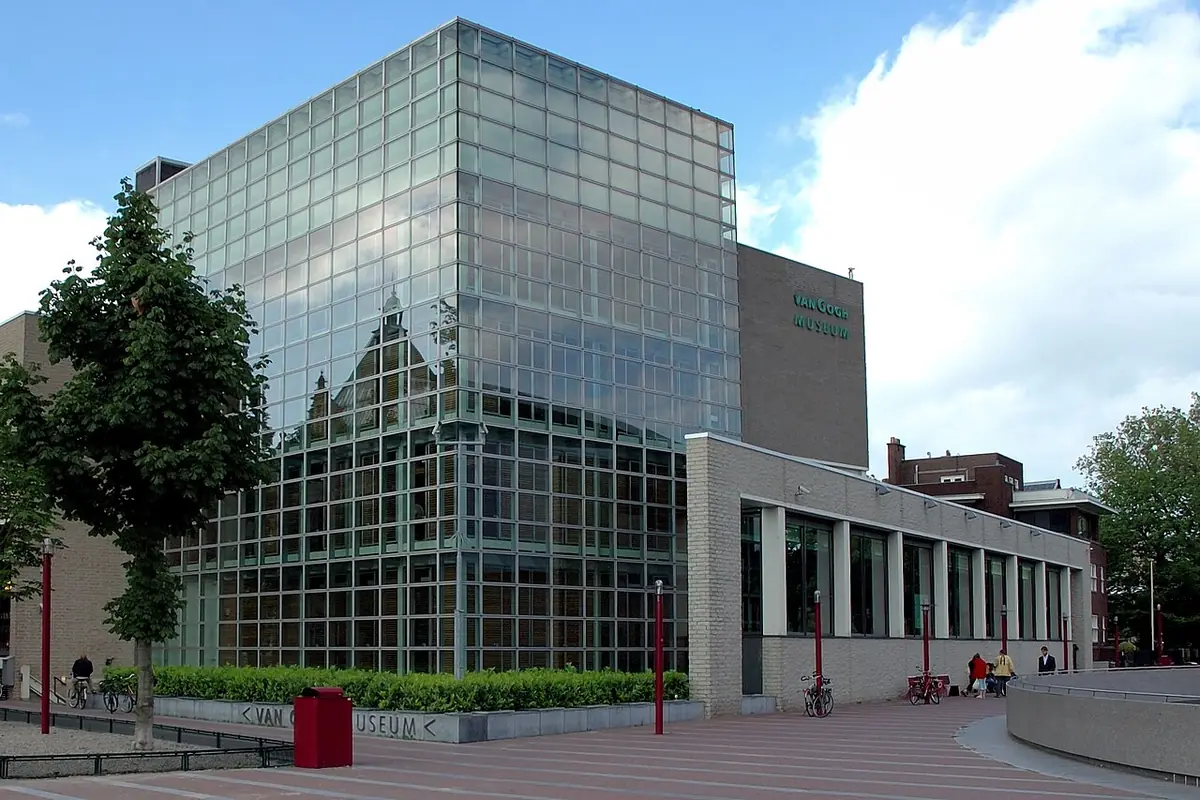
The Van Gogh Museum works the same way: every visitor needs a booked start time bought online, and the museum warns plainly that criminals are active, directing buyers to its own site or to its named official resellers rather than anywhere else. The Rijksmuseum follows the same pattern, selling online with a booked start time through its own site or its listed authorised partners.
Van Gogh Museum and Rijksmuseum both sit close to Museumplein, within reach of the bus 397 route above.


Wikivoyage calls Leidseplein and Rembrandtplein the city's classic tourist traps, with higher prices and more scams than elsewhere, and warns that some taxi drivers there refuse short trips or quote inflated fares — stick to a licensed blue-plate taxi on the meter, or book through an app. Wikivoyage also advises against buying bulbs at the Bloemenmarkt, the floating flower market, saying they're usually too old to grow by the time you get them home.
Be alert for people posing as police who claim to be investigating counterfeit money in order to take your cash and cards — genuine Dutch police don't carry shiny badges. In the Red Light District, ignore street dealers, who often sell fake or unsafe drugs, and know that cannabis use in public has been illegal since 2023 in the old centre, including Dam Square, with alcohol also banned in most public places there.
Staying safe
The UK Foreign Office's assessment is reassuring: most visitors have no trouble, and serious crime against foreigners is rare. Pickpocketing and bag-snatching are the main things to watch for, particularly around Amsterdam Centraal station and on trains to and from Schiphol, where one thief often distracts you while another takes the bag. Wikivoyage calls Amsterdam one of Europe's safest cities overall, and suggests the same ordinary precautions in busy shopping streets, trams and stations.
Wikivoyage also notes that the canals are the most common cause of tourist deaths in the city, usually involving people who have been drinking and fall in; official guidance backs this up by fining public urination near the water. Soft drugs are tolerated only in designated premises, and mixing alcohol, cannabis and wild mushrooms can be dangerous.
For an emergency, dial 112, answered in both Dutch and English. On a lighter note, Amsterdam's tap water is tested daily and the water utility actively encourages drinking it straight from the tap.
Sources
- Wikivoyage — Amsterdam
- Wikivoyage — Netherlands
- I amsterdam — How to get from Schiphol Airport to Amsterdam
- I amsterdam — Getting around
- I amsterdam — Taxis in Amsterdam
- I amsterdam — Cycling in Amsterdam
- GVB — How does OVpay work
- NS — Travelling with a debit card
- European Commission — Netherlands and the euro
- Anne Frank House — Tickets
- Van Gogh Museum — Tickets and ticket prices
- I amsterdam — Sex and drugs in Amsterdam
- UK FCDO — Netherlands travel advice, safety and security
- UK FCDO — Netherlands travel advice, health
- Waternet — Water quality of Amsterdam tap water
Travel information adapted from Wikivoyage, licensed under CC BY-SA 4.0.
Walk Amsterdam with an audio guide in your pocket
Join the beta and these tips become a route you can actually walk.